The Timeless Horror of Nosferatu: Unpacking the Enduring Reign of Terror
Nosferatu, the 1922 German silent horror film directed by F.W. Murnau, is a masterpiece of cinematic storytelling that has captivated audiences for nearly a century. This haunting tale of a vampire's unending reign of terror has become an iconic representation of the genre, inspiring countless adaptations, interpretations, and imitators. But what makes Nosferatu so enduringly fascinating, and what are the key elements that contribute to its timeless horror? In this article, we'll delve into the world of Nosferatu, exploring its historical context, key characters, and themes, as well as its influence on popular culture.
Historical Context: The Dawn of Cinema Horror
Nosferatu was released during a pivotal moment in cinematic history, a time when the art of filmmaking was still in its infancy. The early 20th century saw the rise of silent films, with many productions relying on title cards and clever editing to convey emotion and narrative. This led to the development of a distinct style of filmmaking, characterized by a focus on atmosphere and suggestion rather than explicit violence or gore. Nosferatu, with its eerie landscapes and haunting visuals, was a perfect example of this emerging style.
Influences and Adaptations
Nosferatu was, in fact, an unauthorized adaptation of Bram Stoker's Dracula, with the names of the characters changed to avoid copyright infringement. This bold move allowed Murnau to create a unique and innovative take on the classic tale, while also navigating the complex web of literary and cinematic copyright laws of the time. The film's use of shadows, silhouettes, and Expressionist sets added a sense of unease and foreboding, setting a new standard for horror cinema.
Key Characters: Count Orlok and the Victims
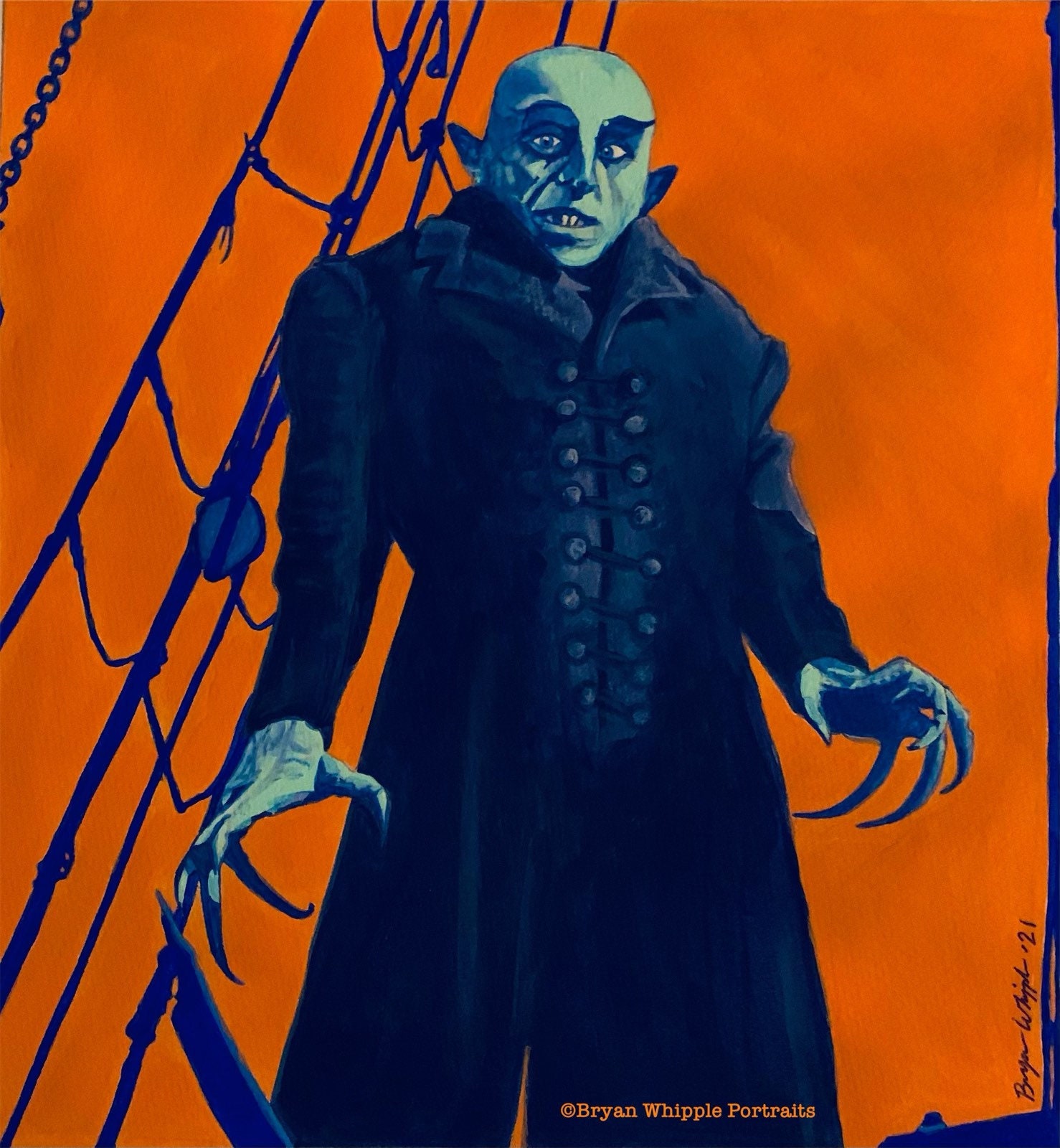
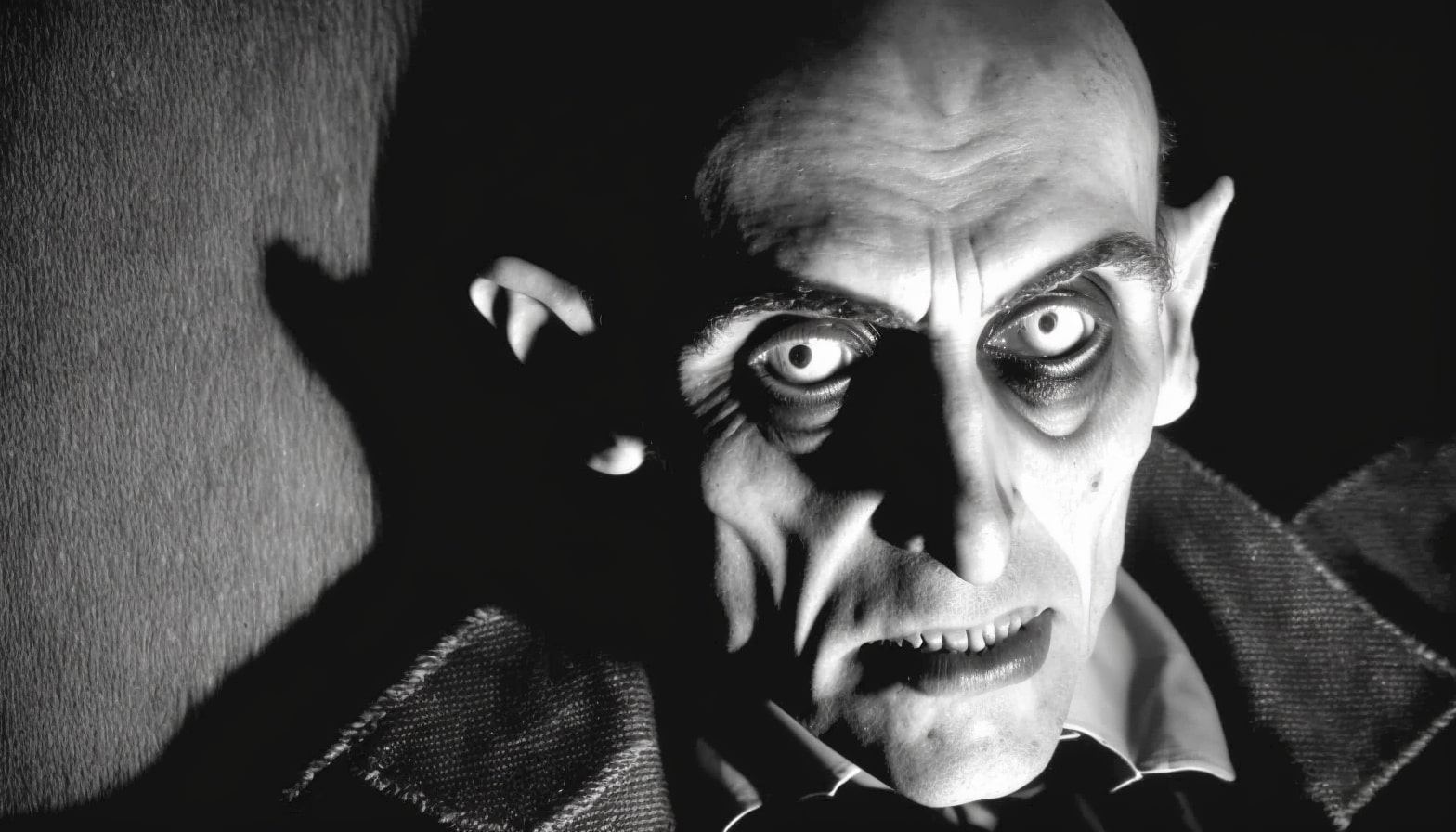
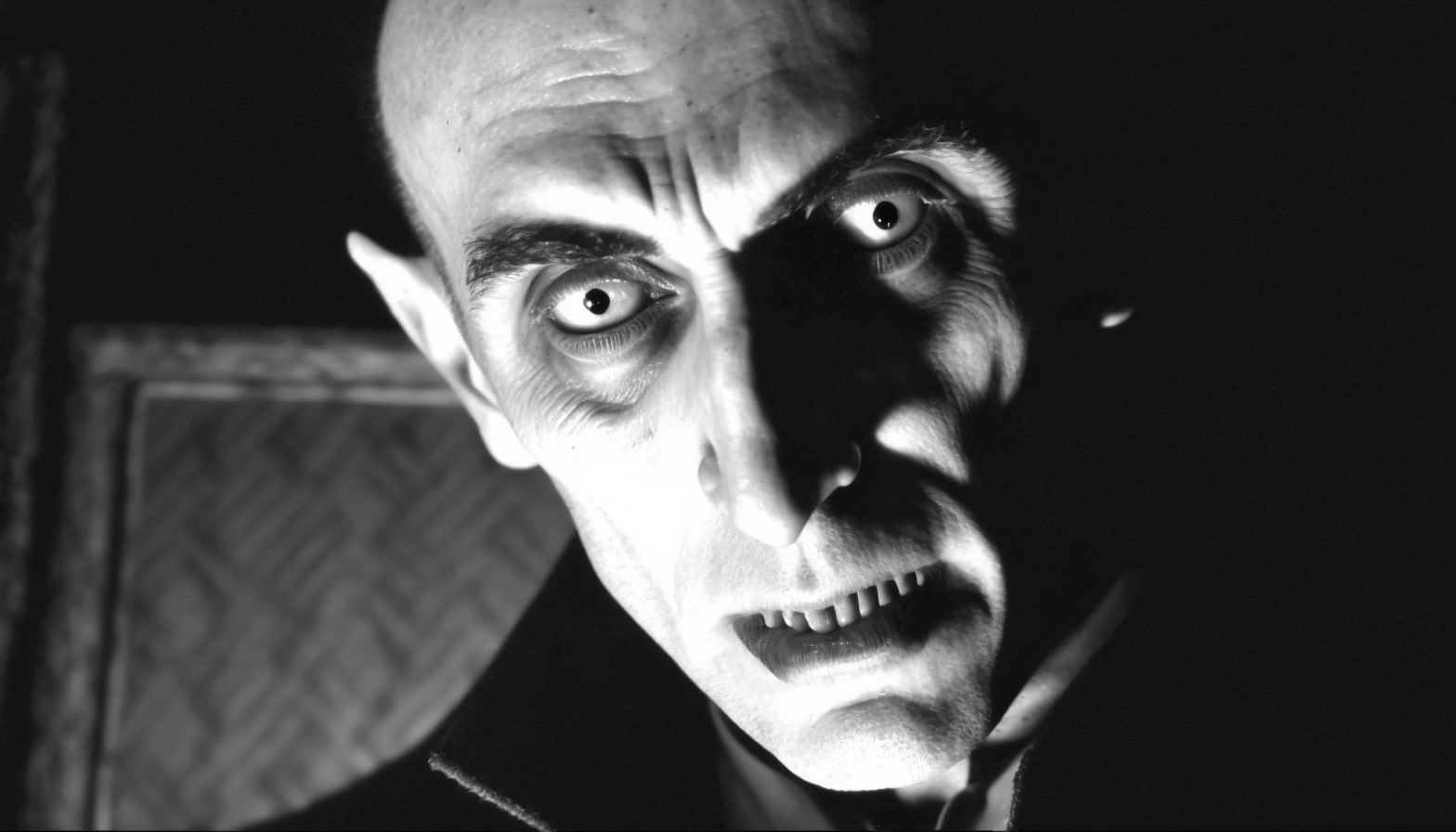
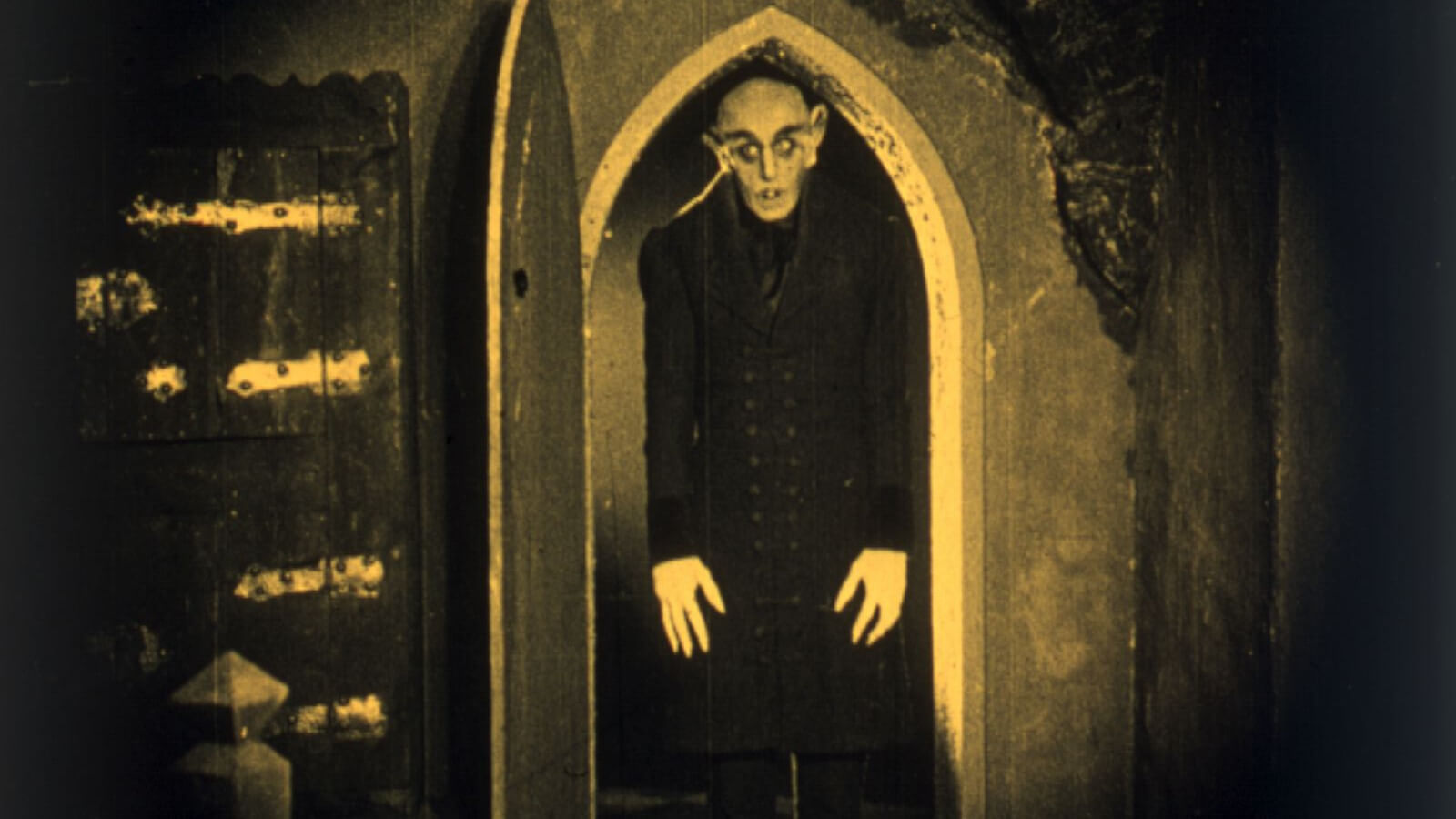
The character of Count Orlok, the vampire at the heart of Nosferatu, is a masterpiece of cinematic design. Portrayed by Max Schreck, Orlok is a grotesque and unsettling figure, with long fingers, sunken eyes, and a death's head mask. This iconic design has been emulated countless times, influencing everything from horror movie monsters to comic book characters. The victims of Orlok's reign of terror, including the young wife Ellen and her lover Hutter, are equally well-developed, their fear and desperation palpable as they try to outrun the undead vampire.
Themes: The Eternal Struggle between Life and Death
At its core, Nosferatu is a film about the eternal struggle between life and death, with Orlok representing the dark and malevolent forces that seek to destroy the living. The film's themes of decay, corruption, and the supernatural are timeless and universal, resonating with audiences long after the credits roll. The character of Ellen, in particular, is a symbol of life and vitality, her efforts to maintain a sense of normalcy and hope in the face of unimaginable horror serving as a powerful counterpoint to Orlok's undead existence.
The Power of Suggestion: Atmosphere and Tension
One of the most striking aspects of Nosferatu is its use of atmosphere and tension to create a sense of unease and foreboding. The film's cinematography, led by Friedrich Wegielig and Günther Krampf, is characterized by a use of shadows, silhouettes, and deep focus, creating a sense of depth and dimensionality that draws the viewer into the world of the film. The sound design, featuring eerie organ music and the sound of whispers, adds to the sense of unease, creating a truly immersive and unsettling experience.
The Legacy of Nosferatu: Influence on Popular Culture
Nosferatu's influence on popular culture is impossible to overstate. From the Hammer horror films of the 1950s and 60s to modern-day vampire movies like Twilight and 30 Days of Night, Nosferatu's iconic design and themes have been endlessly emulated and reinterpreted. The film's use of atmospheric tension and suggestion has also influenced the horror genre as a whole, with many modern horror movies relying on clever editing and visual effects to create a sense of unease and fear.
Cinematic Techniques: Expressionist Horror and the Power of Suggestion
Nosferatu was a pioneering example of Expressionist horror, a cinematic style that emphasized the use of shadows, silhouettes, and distorted sets to create a sense of unease and foreboding. The film's cinematography, led by Wegielig and Krampf, is characterized by a use of high contrast, deep shadows, and bold, primary colors, creating a sense of visual unease that draws the viewer into the world of the film. The film's use of suggestion rather than explicit violence or gore added to its sense of tension and horror, creating a truly immersive and unsettling experience.
The Use of Light and Shadow
The use of light and shadow in Nosferatu is a masterclass in cinematic technique. The film's use of deep shadows and high contrast creates a sense of depth and dimensionality, drawing the viewer into the world of the film. The character of Orlok, in particular, is a masterclass in the use of shadows, with his long fingers and sunken eyes seeming to emerge from the darkness itself. The film's use of light and shadow also serves to emphasize the themes of life and death, with the characters often positioned in stark contrast to each other, highlighting their differences and tensions.
The Power of Cinematic Storytelling
Nosferatu is a testament to the power of cinematic storytelling, with a narrative that is both simple and profound. The film's use of suggestion and atmosphere creates a sense of unease and tension, drawing the viewer into the world of the film and refusing to let go. The characters of Ellen and Hutter are
Recent Post
Unlocking The Secrets Of Menopause: Expert Insights On Navigating Life After 40 With Paolo Tantoco
Tensions Rise As Trump Officials Defend Tariffs Amid Market Volatility And Warnings For Savers And Retirees
Rosie O'Donnell Teases Trump Move, Posts Disruptive Selfie From Abroad
Wings For The Win: Capitals Edge Ducks 7-4 In Thrilling Matchup
Ducks Fall Short: Key Takeaways From Thrilling 7-4 Loss To Capitals
Article Recommendations
- Unveiling The Age Of Iarleyhimkus: Unlocking A Historical Mystery
- Honey Toon: The Ultimate Animated Marketing Tool For Businesses
- Diddy Breaks Silence On Rumors Of His Passing: Is The Music Mogul Still Alive?