The Eternal Allure of the Undead: Unpacking the Timeless Charm of Nosferatu (1922)
The world of cinema is replete with iconic films that have stood the test of time, captivating audiences with their unique blend of artistry, innovation, and sheer terror. Among these, the 1922 silent film masterpiece, Nosferatu, stands out as a towering achievement in the realm of horror cinema. Directed by the enigmatic F.W. Murnau, this eerie tale of vampirism has enthralled viewers for nearly a century, its haunting imagery and haunting themes continuing to inspire and unsettle audiences to this day.
For those unfamiliar with the film, Nosferatu is a loose adaptation of Bram Stoker's Dracula, with the names and some details changed to avoid copyright infringement. The result is a haunting, atmospheric film that explores the darker aspects of human nature, the power of fear, and the devastating consequences of unchecked desire.
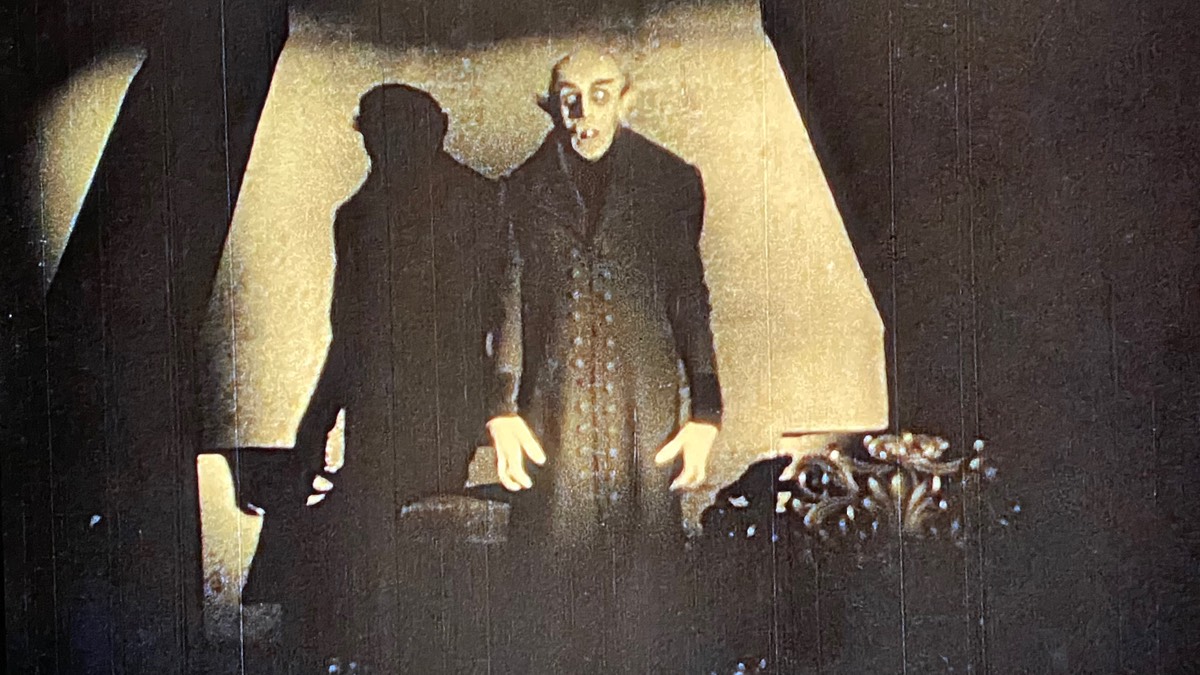
At its core, Nosferatu is a film about the corrupting influence of evil, told through a series of eerie and suspenseful tableaux. The story follows Hutter, a young real estate agent, as he travels to the remote Carpathian Mountains to finalize the sale of a property to Count Orlok, a mysterious and sinister nobleman. Unbeknownst to Hutter, Orlok is a vampire, and his arrival in the small town of Wisborg sets off a chain of events that will forever change the lives of its inhabitants.
The Art of German Expressionism
Nosferatu is a seminal work of German Expressionism, a cinematic movement that emerged in the early 20th century. Characterized by its use of bold, vibrant colors, distorted sets, and unconventional camera angles, German Expressionism sought to break free from the conventions of traditional narrative cinema. In Nosferatu, Murnau employs these techniques to create a dreamlike, nightmarish world that is at once captivating and unsettling.
Key elements of German Expressionist filmmaking:
- Distorted sets and backgrounds: Nosferatu's sets are deliberately distorted, with long corridors, curved windows, and other unconventional design elements that create a sense of unease and disorientation.
- Unconventional camera angles: Murnau's use of low-angle shots, high-angle shots, and other unconventional camera angles adds to the film's sense of unease and disorientation.
- Bold, vibrant colors: The film's color palette is deliberately muted, with an emphasis on dark blues, grays, and blacks that create a sense of foreboding and menace.
The Vampire as Metaphor
At its core, Nosferatu is a film about the vampire as a metaphor for the corrupting influence of evil. Count Orlok is a creature driven by a singular desire for blood, a force that cannot be satiated and that ultimately leads to his downfall. Similarly, the film's human characters are drawn into a world of terror and despair, their desires and fears driving them to act in ways that are both rational and irrational.
Themes and motifs in Nosferatu:
- The corrupting influence of evil: The film explores the idea that evil can take many forms, from the overtly malevolent to the more subtle and insidious.
- The power of fear: Nosferatu shows how fear can be used as a tool of control, with Count Orlok using his vampiric powers to manipulate and dominate those around him.
- The devastating consequences of unchecked desire: The film's climax, in which Hutter is driven to madness and despair by his encounter with the vampire, serves as a cautionary tale about the dangers of allowing desire to consume us.
The Impact of Nosferatu on Film History
Nosferatu has had a profound impact on the development of film history, influencing generations of filmmakers and filmmakers to come. From the surrealist movement of the 1920s to the modern horror films of today, Nosferatu's eerie atmosphere and haunting themes have served as a touchstone for artists and filmmakers.
Influences on film history:
- Surrealist movement: Nosferatu's use of dreams, fantasies, and other unconventional narrative techniques influenced the surrealist movement of the 1920s and 1930s.
- Horror cinema: The film's influence can be seen in countless horror films, from the works of Val Lewton to those of modern-day directors like Guillermo del Toro.
- Cinematic style: Nosferatu's use of Expressionist techniques, including distorted sets and unconventional camera angles, has influenced the visual style of many filmmakers, from David Lynch to Tim Burton.
Preservation and Restoration
In recent years, Nosferatu has undergone extensive preservation and restoration efforts, with the original 1922 film being restored to its original glory. The result is a haunting, atmospheric film that is both faithful to the original and freshly invigorated by modern technology.
Restoration process:
- Technical restoration: The film was restored using advanced technical techniques, including digital filtering and color correction.
- Artistic restoration: The restoration process also involved an artistic reinterpretation of the film's original score and sound design.
- Combining historical and technical methods: The process combined historical analysis and technical application to ensure the film's visual and aural integrity.
Conclusion
Nosferatu (1922) is a timeless masterpiece of horror cinema, a haunting and atmospheric film that continues to captivate audiences to this day. Through its exploration of the vampire as a metaphor for the corrupting influence of evil, its innovative use of Expressionist techniques, and its profound influence on film history, Nosferatu stands as a testament to the power of cinema to inspire, unsettle, and transform us.
Recent Post
Unlocking The Secrets Of Menopause: Expert Insights On Navigating Life After 40 With Paolo Tantoco
Tensions Rise As Trump Officials Defend Tariffs Amid Market Volatility And Warnings For Savers And Retirees
Rosie O'Donnell Teases Trump Move, Posts Disruptive Selfie From Abroad
Wings For The Win: Capitals Edge Ducks 7-4 In Thrilling Matchup
Ducks Fall Short: Key Takeaways From Thrilling 7-4 Loss To Capitals
Article Recommendations
- Money6x: Unlock Limitless Financial Freedom With Our Revolutionary System
- Unveiling The Secrets Of Debby Clarke Belichick: The Woman Behind The NFL Dynasty
- Discover The Enigmatic World Of Aishahd: A Journey Into The Unknown