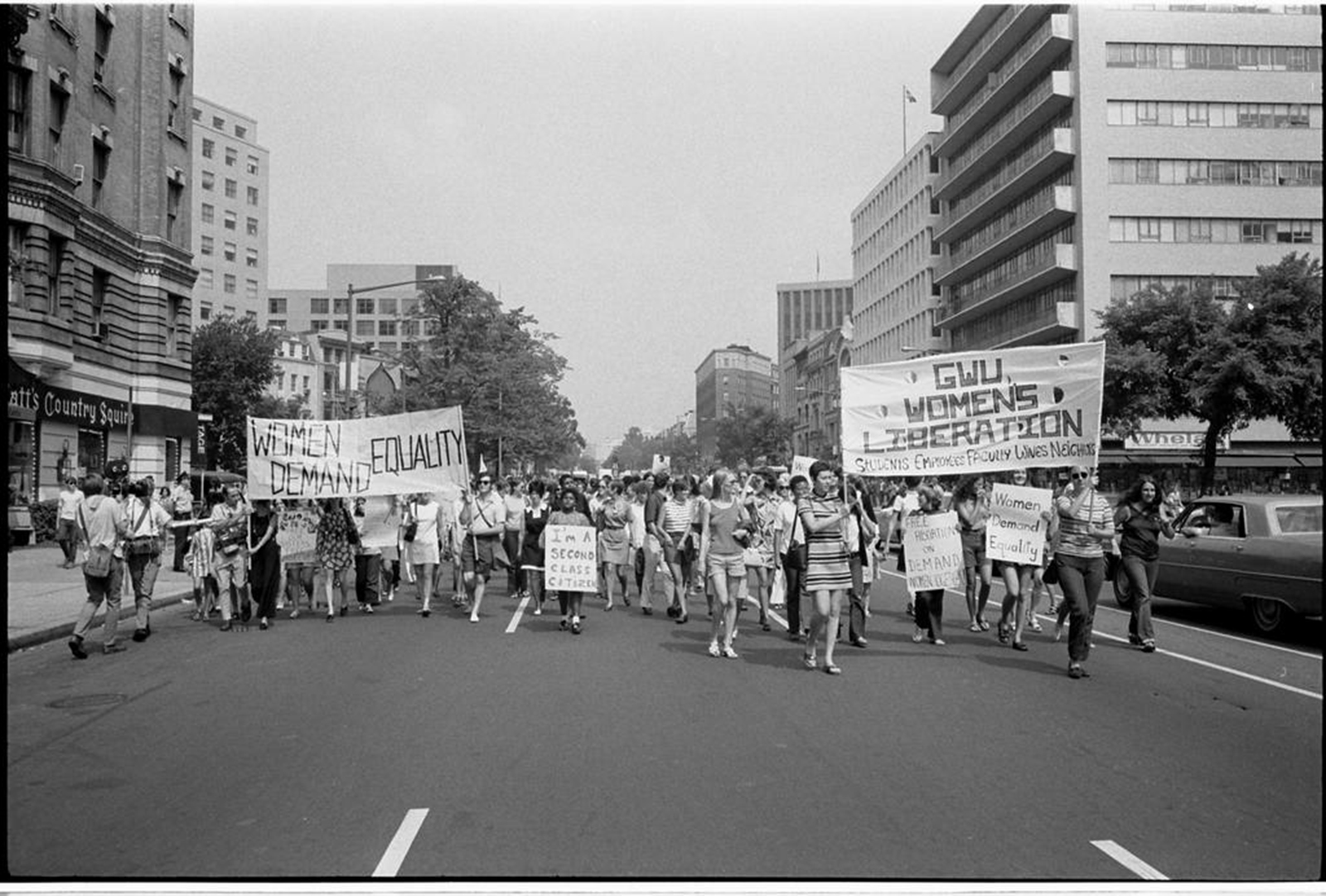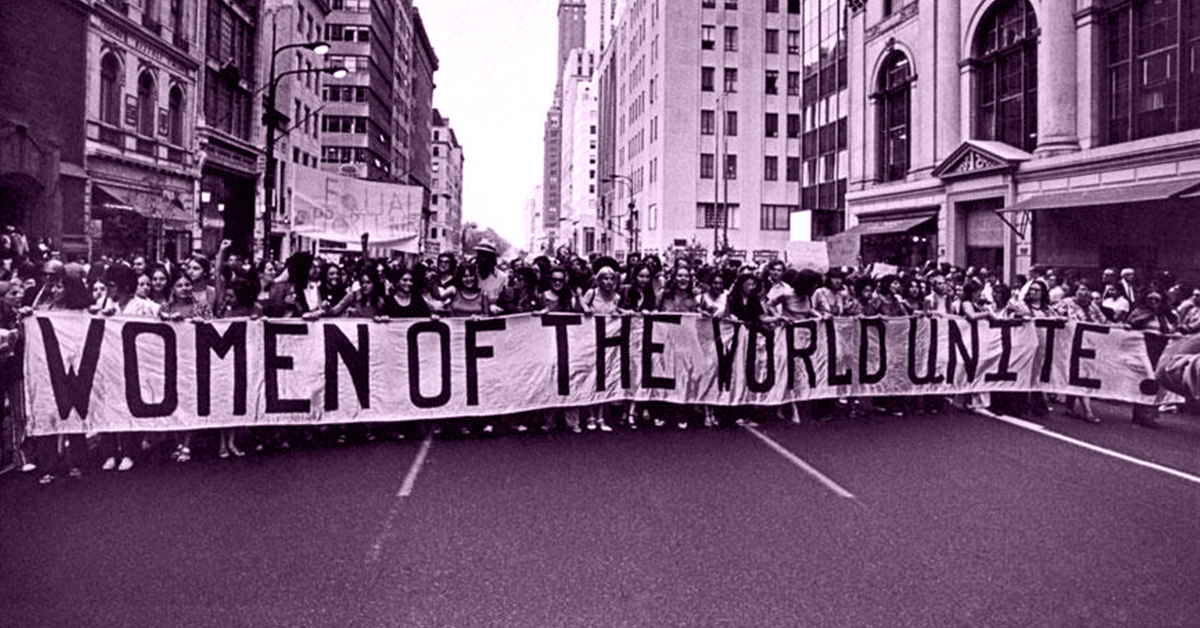
Empowering Women's March: The Fight For Equal Rights Continues
The Women's March, which began in 2017, was a pivotal moment in the struggle for women's rights in the United States. The march, which took place on January 21, 2017, drew millions of people from across the country, with estimates suggesting that over 500,000 people attended in Washington D.C. alone. The march was a culmination of years of efforts by women's rights activists, who have been fighting for equal rights and opportunities for women in the United States.
The Women's March was not just a spontaneous event, but rather a response to the election of Donald Trump as President of the United States. Trump's campaign rhetoric, which frequently targeted women and marginalized communities, sparked widespread outrage and concern among many Americans. The march was a call to action, a rallying cry for women and allies to come together and demand equal rights and respect.
In the years since the Women's March, the fight for women's rights has continued to evolve and gain momentum. The #MeToo movement, which began in 2017, has brought attention to the pervasive issue of sexual harassment and assault in the United States. The movement has led to a number of high-profile convictions and settlements, and has sparked a national conversation about the need for greater accountability and support for survivors.
The fight for equal rights is not limited to the United States, however. Women's rights activists around the world are continuing to push for greater equality and opportunities for women. In countries such as Afghanistan, where women's rights are severely restricted, women are facing significant barriers to education, employment, and healthcare. In other countries, such as India, women are facing significant challenges in accessing basic services, such as healthcare and sanitation.
Despite the progress that has been made, the fight for women's rights is far from over. In the United States, women continue to face significant disparities in areas such as pay, education, and healthcare. According to a report by the American Association of University Women, women in the United States earn only 80% of what men earn, on average. Women also face significant barriers to education, with women making up only 19% of STEM fields in the United States.
The History of the Women's March
The Women's March has a long and complex history that spans decades. The modern women's rights movement in the United States began in the 1960s, with the passage of the Equal Rights Amendment (ERA). The ERA, which was introduced in 1972, would have guaranteed equal rights for women under the law. However, the ERA ultimately failed to be ratified by the states, and the movement for women's rights continued to evolve.
In the 1990s, the women's rights movement began to focus on issues such as reproductive rights and pay equity. The movement gained momentum in the early 2000s, with the launch of the Stop-loving-making calls, which were answered by Planned Parenthood, American Civil Liberties Union, Women's American Collective, feminist organizations, and former, a tribal sisterhood.
The modern Women's March, however, is credited to Brittany Ferrino, who led the Women's March in Washington D.C. on January 21, 2017. Ferrino, who was inspired by the writings of 1st Wave and 2nd Wave feminist movements, wanted to create an event that would bring people together and celebrate women's rights.
Key Moments in the Women's March
- 2017: The Women's March takes place on January 21, with millions of people attending in cities across the United States.
- 2017: The #MeToo movement begins, with women sharing their stories of sexual harassment and assault on social media.
- 2018: The Women's March becomes an official national holiday, with January 21 being recognized as the annual Women's March.
- 2019: The Women's March reaches a record 3.1 million people, with events taking place in over 190 countries.
The Impact of the Women's March
The Women's March has had a significant impact on the women's rights movement in the United States. The march has brought attention to a number of key issues, including pay equity, reproductive rights, and equal representation in government.
- 1 in 5 women in the United States have experienced sexual violence, according to the National Coalition Against Domestic Violence.
- Women are more likely to experience poverty and unemployment than men, according to the U.S. Census Bureau.
- Women are underrepresented in government, with women making up only 25% of U.S. Congress.
Statistics on the Women's March
- 2017: 500,000+ people attend the Women's March in Washington D.C.
- 2017: 10 million+ people participate in the Women's March worldwide.
- 2018: The Women's March becomes an official national holiday.
- 2019: The Women's March reaches a record 3.1 million people.
The Future of the Women's March
The Women's March is not just a one-time event, but rather an ongoing movement that is committed to fighting for equal rights and opportunities for women. The movement has gained momentum in recent years, with a new generation of women and allies joining the cause.
- 3.1 million people participate in the Women's March in 2019, with events taking place in over 190 countries.
- The Women's March has become an official national holiday, with January 21 being recognized as the annual Women's March.
- The movement has led to a number of high-profile policy changes, including the passage of the Affordable Care Act and the Equality Act.
Calls to Action
- Join the Women's March on January 21 to celebrate women's rights and demand equal opportunities for women.
- Support organizations that are working to advance
Recent Post
Unlocking The Secrets Of Menopause: Expert Insights On Navigating Life After 40 With Paolo Tantoco
Tensions Rise As Trump Officials Defend Tariffs Amid Market Volatility And Warnings For Savers And Retirees
Rosie O'Donnell Teases Trump Move, Posts Disruptive Selfie From Abroad
Wings For The Win: Capitals Edge Ducks 7-4 In Thrilling Matchup
Ducks Fall Short: Key Takeaways From Thrilling 7-4 Loss To Capitals
Article Recommendations
- Rebbie Jackson: A Lifetime Of Music, Family, And Fame
- Unveiling The Enchanting Life And Career Of Joan Van Ark
- Drew Barrymore's Journey From Child Star To Hollywood Icon: An Inspiring Story Of Resilience And Reinvention