Unlocking The Past: The Net Archive's Secrets Revealed
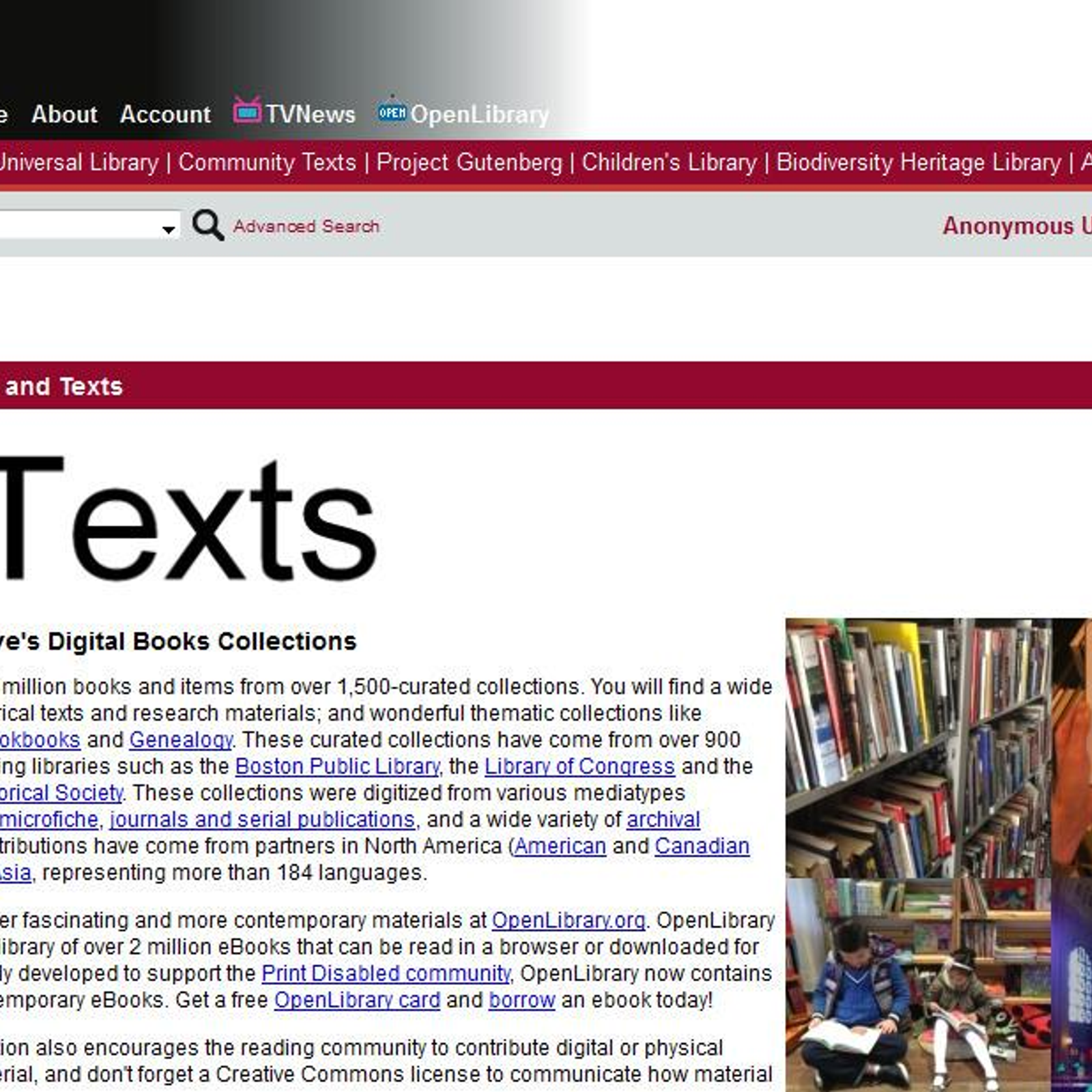
The Internet Archive, often referred to as the "Wikipedia of the Internet," has been a treasure trove of information for decades. With its vast collection of websites, software, and digital artifacts, it has become an indispensable resource for historians, researchers, and anyone looking to uncover the secrets of the past. In this article, we will delve into the world of the Internet Archive, exploring its history, functionality, and the secrets it holds within its digital walls.
The Internet Archive was founded in 1996 by Brewster Kahle and Bruce Gilliat, with the goal of creating a permanent digital library of the internet. The organization's mission is to provide access to historical content and preserve the cultural heritage of the internet for future generations. With over 300 terabytes of content, the Internet Archive has become a go-to destination for researchers, students, and anyone interested in exploring the history of the internet.
A Brief History of the Internet Archive
The Internet Archive has a rich history that dates back to the mid-1990s. In 1996, Brewster Kahle and Bruce Gilliat founded the organization, with the first website launched in 1997. Initially, the archive focused on collecting and preserving web pages, but over the years, its scope has expanded to include software, sound recordings, and moving images.
One of the key milestones in the Internet Archive's history was the launch of the Wayback Machine in 2001. This revolutionary tool allows users to browse and access archived versions of websites, providing a snapshot of the internet as it existed at a particular point in time.
The Wayback Machine: A Time Machine for the Internet
The Wayback Machine is one of the Internet Archive's most popular tools, and for good reason. With over 350 billion web pages archived, it provides a unique window into the past, allowing users to explore how websites have evolved over time. By accessing archived versions of websites, users can:
- Recreate the internet as it existed at a particular point in time
- Track changes in website design, content, and functionality
- Research the history of online communities and forums
- Analyze the evolution of online advertising and marketing
How the Internet Archive Works
So, how does the Internet Archive work its magic? The process is simple:
- Crawlers: The Internet Archive uses specialized crawlers to continuously scan the web for new content and update existing archives.
- Data Centers: The archived content is stored in state-of-the-art data centers around the world, ensuring high-speed access and reliability.
- Indices: The Internet Archive maintains comprehensive indices of archived content, making it easy to search and navigate the vast collection.
The Technical Side of the Internet Archive
For those interested in the technical details, the Internet Archive is built on a robust platform that utilizes a combination of technologies, including:
- Apache Solr: A powerful search engine that allows for fast and accurate searching of archived content.
- Elasticsearch: A scalable search and analytics engine that powers the Internet Archive's indexing system.
- Amazon S3: A cloud-based storage solution that provides high-speed access and reliability for archived content.
The Secrets of the Internet Archive
While the Internet Archive is a vast and treasure trove of information, there are still many secrets waiting to be uncovered. Here are a few:
- Hidden Gems: The Internet Archive is home to a vast collection of obscure and forgotten websites, waiting to be rediscovered.
- Archived Artifacts: The archive contains a treasure trove of digital artifacts, including software, sound recordings, and moving images, that provide a unique glimpse into the past.
- Crowdsourced Contributions: The Internet Archive relies on the contributions of its users to expand and improve its collection, making it a truly collaborative project.
User-Generated Content
One of the Internet Archive's most exciting features is its crowdsourced content. Users can contribute their own digital artifacts, including:
- Web Pages: Users can upload their own web pages to the archive, creating a living record of the internet as it exists today.
- Software and Scripts: Developers can contribute their own software and scripts to the archive, providing a unique snapshot of the programming landscape.
- Audio and Video Recordings: Users can upload their own audio and video recordings to the archive, creating a vast collection of digital artifacts.
Exploring the Internet Archive
With its vast collection of content, the Internet Archive offers a wealth of opportunities for exploration and discovery. Here are a few ways to get started:
- Browse the Archive: Users can browse the archive using the Wayback Machine, searching for specific websites or keywords.
- Search the Index: The Internet Archive's comprehensive index allows users to search for specific keywords, phrases, or websites.
- Contribute Your Own Content: Users can contribute their own digital artifacts to the archive, helping to expand and improve the collection.
Tips for Using the Internet Archive
For those new to the Internet Archive, here are a few tips for getting the most out of the experience:
- Start with the Wayback Machine: The Wayback Machine is a great starting point for exploring the archive and researching the history of websites.
- Use the Search Index: The Internet Archive's index is a powerful tool for finding specific content, and can help users to navigate the vast collection.
- Explore the Collections: The Internet Archive is home to a wide range of collections, including software, sound recordings, and moving images.
Conclusion
The Internet Archive is a treasure trove of information, offering a unique window into the past and a wealth of opportunities for exploration and discovery. With its vast collection of content, crowdsourced contributions, and collaborative approach, it has become an indispensable resource for historians, researchers, and anyone interested in uncovering the secrets of the past.
Recent Post
Unlocking The Secrets Of Menopause: Expert Insights On Navigating Life After 40 With Paolo Tantoco
Tensions Rise As Trump Officials Defend Tariffs Amid Market Volatility And Warnings For Savers And Retirees
Rosie O'Donnell Teases Trump Move, Posts Disruptive Selfie From Abroad
Wings For The Win: Capitals Edge Ducks 7-4 In Thrilling Matchup
Ducks Fall Short: Key Takeaways From Thrilling 7-4 Loss To Capitals
Article Recommendations
- Unleash Your D&D Imagination: Discover The Goblin Cave's Hidden Treasures
- Meet Mingus Reedus: The Mystery Behind Norman Reedus' Celeb Child
- Stranger Things: The Epic Return Of Billy Hargrove