The Mt. McKinley Name Change: A Battle for History - Conquering the Past with New Identity
The name "Mt. McKinley" has been a part of American history for over a century, but in recent years, a debate has been brewing about changing the name of North America's highest peak to something more fitting. The proposed name change, which has been met with both enthusiasm and resistance, is a complex issue that touches on the country's complex history, politics, and cultural identity. As the debate rages on, it's essential to understand the context and nuances of the issue.
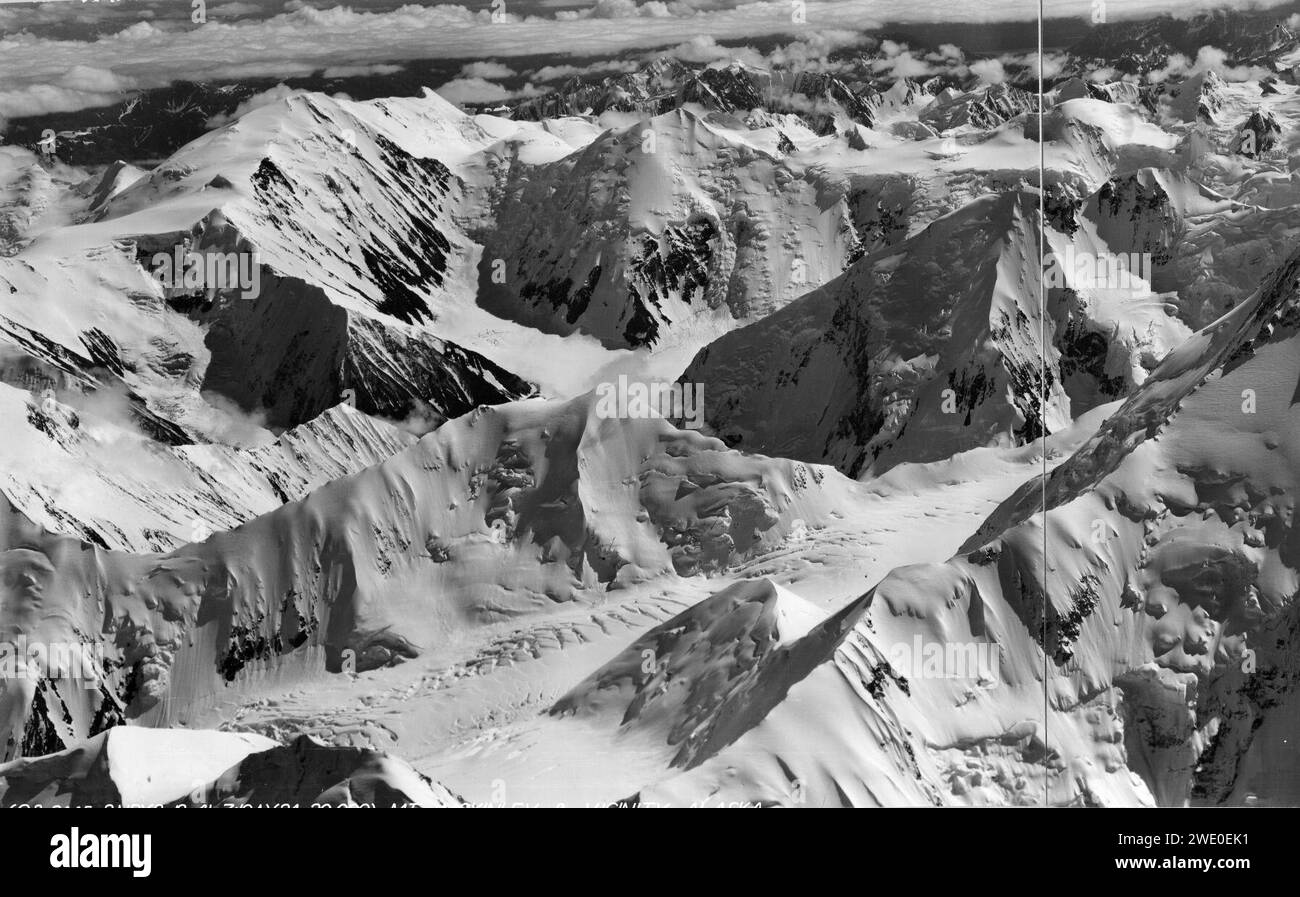
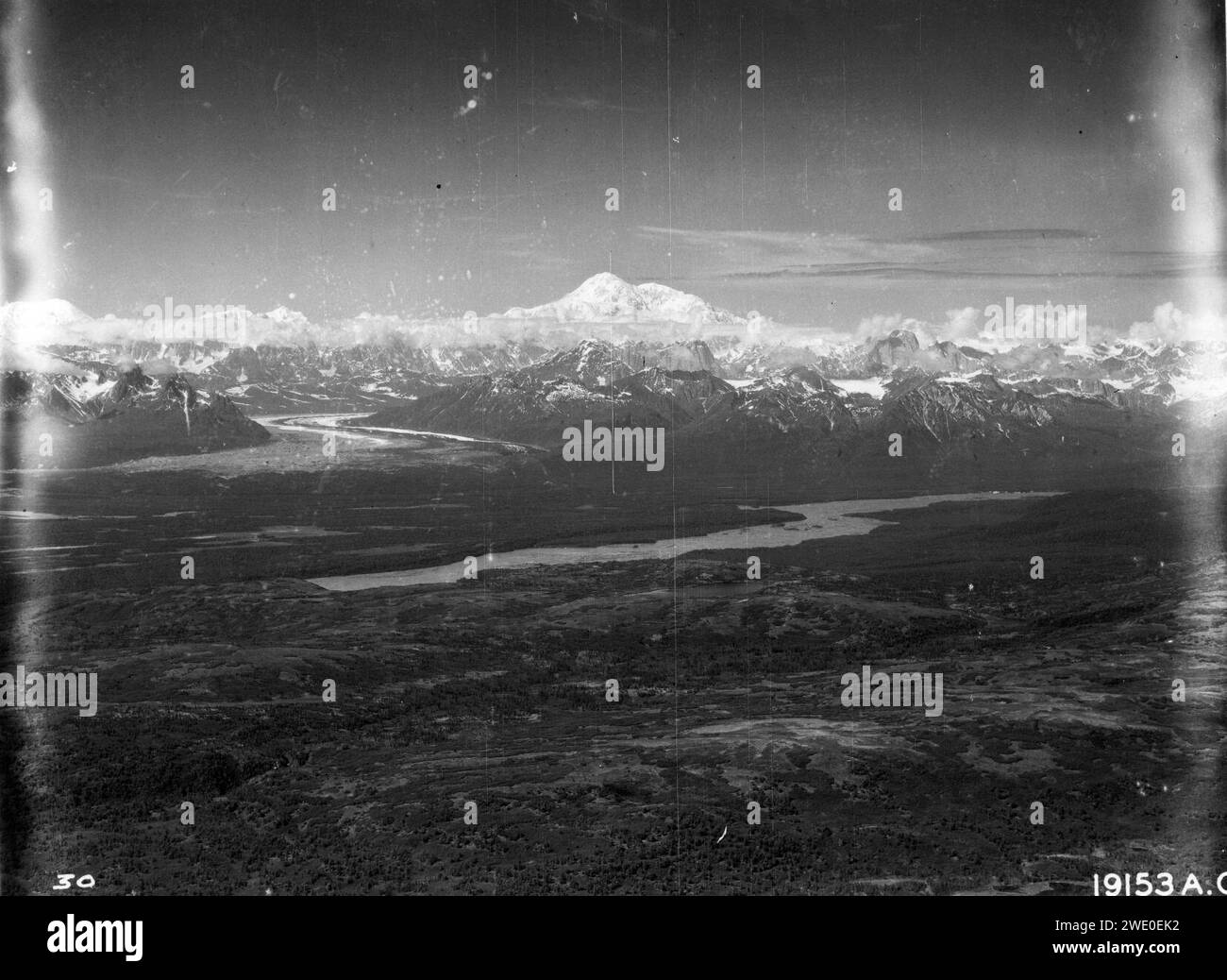
Located in Alaska, Mt. McKinley is the highest peak in North America, standing at an impressive 20,310 feet above sea level. For years, the mountain has been known by its official name, "Mt. McKinley," which was given in honor of William McKinley, the 25th President of the United States. However, the name has become a source of controversy, particularly among Alaska Natives and environmentalists, who argue that it does not accurately reflect the mountain's cultural significance or its relationship with the land.
Historical Context
The name "Mt. McKinley" was given in 1897, during the early days of American expansion in Alaska. At the time, the mountain was not well-known, and the name was likely chosen to honor President McKinley's popularity and prestige. However, this decision was made without consulting the indigenous people of the region, who had their own names and cultural significance attached to the mountain.
The Debate Begins
In recent years, the debate about changing the name of Mt. McKinley has gained momentum. In 2015, a proposal was introduced in the US House of Representatives to change the name of the mountain to "Denali," which is the name used by the indigenous Athabascan people. The proposal was met with opposition from some lawmakers, who argued that changing the name would be a "watered-down" version of American history.
Arguments for the Name Change
There are several arguments in favor of changing the name of Mt. McKinley to Denali. Here are some of the key points:
- Cultural Significance: The name "Denali" is significant to the indigenous people of Alaska, who have a deep connection to the land and the mountain. Changing the name to Denali would be a recognition of their cultural heritage and a step towards reconciliation.
- Accuracy: The name "Mt. McKinley" does not accurately reflect the mountain's cultural significance or its relationship with the land. The name "Denali" is a more accurate representation of the mountain's history and cultural context.
- Environmental Concerns: Some argue that the name "Mt. McKinley" is associated with the interests of big business and politics, rather than the environment. Changing the name to Denali could help to shift the focus towards environmental conservation and sustainable development.
Arguments Against the Name Change
On the other hand, there are also several arguments against changing the name of Mt. McKinley to Denali. Here are some of the key points:
- Historical Significance: The name "Mt. McKinley" is an important part of American history and cultural heritage. Changing the name could be seen as a watering down of history and a rejection of the country's founding values.
- Confusion: Some argue that changing the name of the mountain could cause confusion and inconvenience for tourists, researchers, and other stakeholders.
- Lack of Support: Despite the proposal, there is currently a lack of support for the name change from key stakeholders, including the State of Alaska and the National Park Service.
A Way Forward
As the debate rages on, it's clear that there is no easy solution. However, here are some potential ways forward:
- Consultation and Engagement: The US government and other stakeholders should engage in consultation and dialogue with indigenous communities, researchers, and other stakeholders to find a solution that works for everyone.
- Name Change Proposals: A proposed name change should be carefully considered and debated, taking into account the potential impacts on tourism, education, and cultural heritage.
- Preservation of History: While changing the name of the mountain is a step towards reconciliation and recognition, it's also essential to preserve and protect the history and cultural significance of the mountain.
Conclusion
The debate about changing the name of Mt. McKinley is a complex and multifaceted issue. While there are valid arguments on both sides, it's essential to approach the issue with sensitivity and respect for all stakeholders. By engaging in dialogue and consultation, we can work towards a solution that recognizes the cultural significance of the mountain and promotes reconciliation and environmental conservation.
Additional Resources
- National Park Service: Mt. McKinley National Park
- US House of Representatives: Proposal to change the name of Mt. McKinley to Denali
- Alaska Native Heritage Center: Denali: The Mountain That Makes Us Who We Are
- Environmental Protection Agency: Climate Change and the National Parks
Recent Post
Unlocking The Secrets Of Menopause: Expert Insights On Navigating Life After 40 With Paolo Tantoco
Tensions Rise As Trump Officials Defend Tariffs Amid Market Volatility And Warnings For Savers And Retirees
Rosie O'Donnell Teases Trump Move, Posts Disruptive Selfie From Abroad
Wings For The Win: Capitals Edge Ducks 7-4 In Thrilling Matchup
Ducks Fall Short: Key Takeaways From Thrilling 7-4 Loss To Capitals
Article Recommendations
- Unveiling The True Identities: Inside Chaun Woo's Real Family Album
- Unleash Your SEO Dominance: Track Competitors Like A Hawk With Seopetitor's Rank Tracker
- Lee Majors: The Six Million Dollar Man From TV To The Big Screen