Unveiling the Enduring Legacy of a Civil Rights Icon: Martin Luther King Jr.
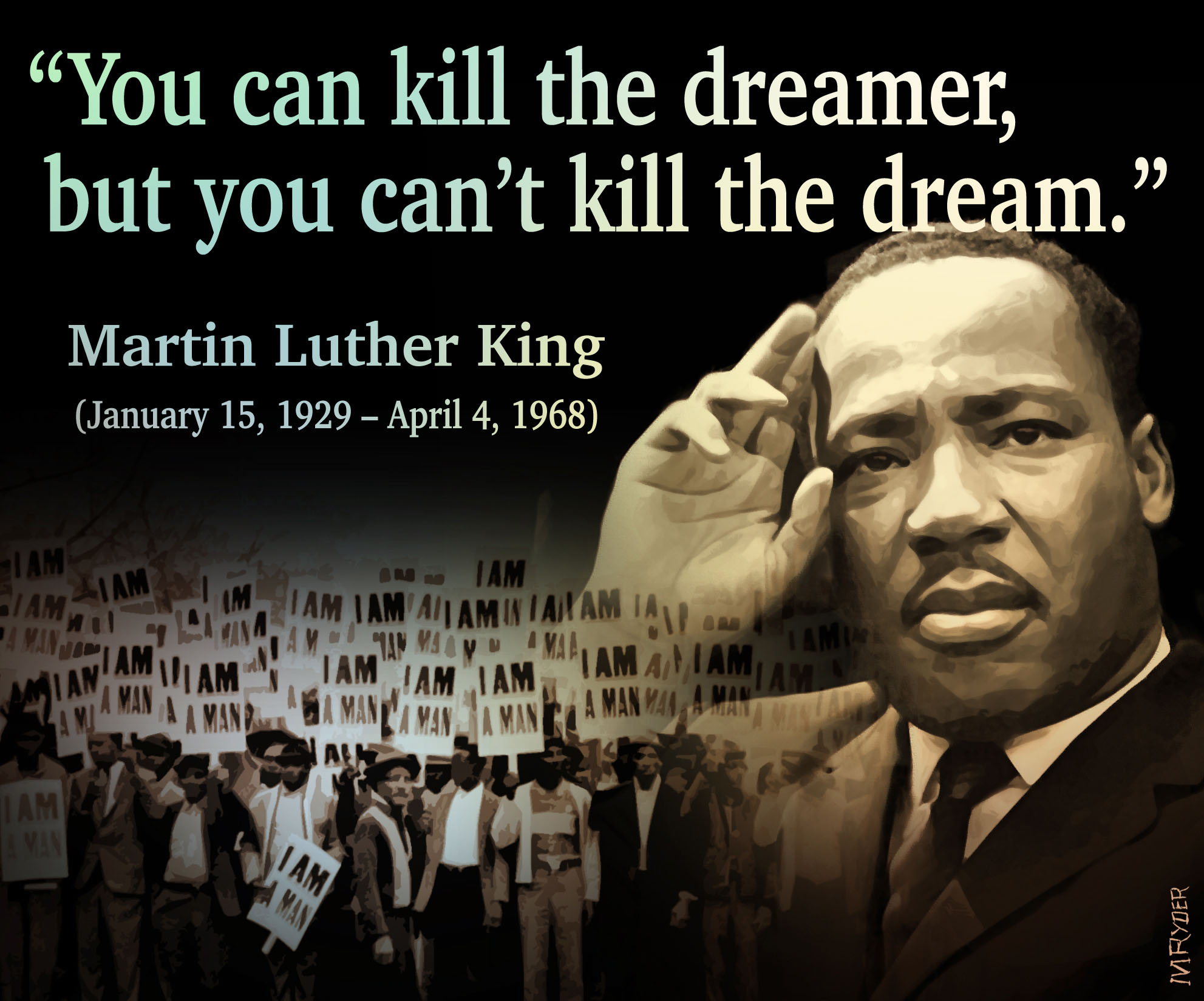
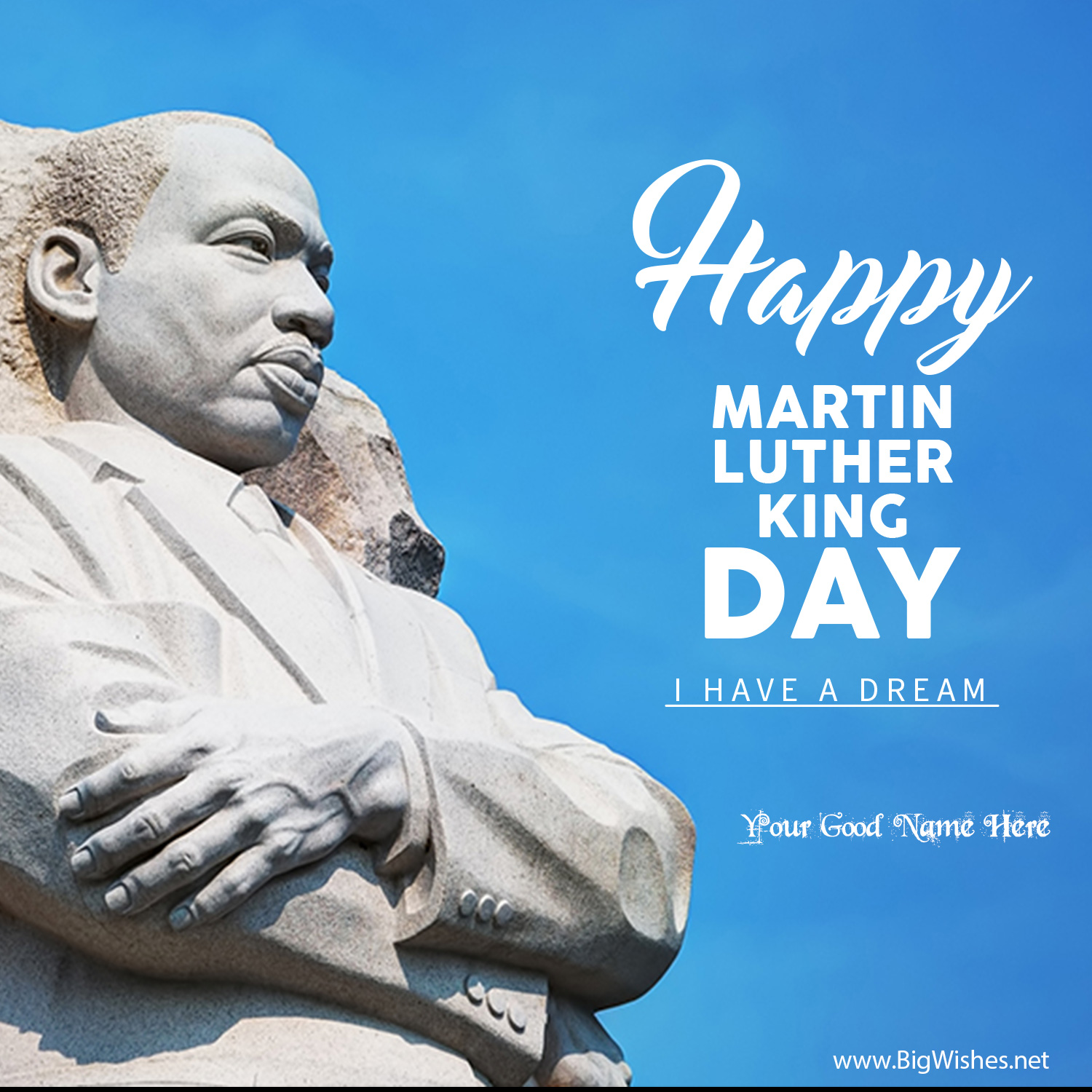
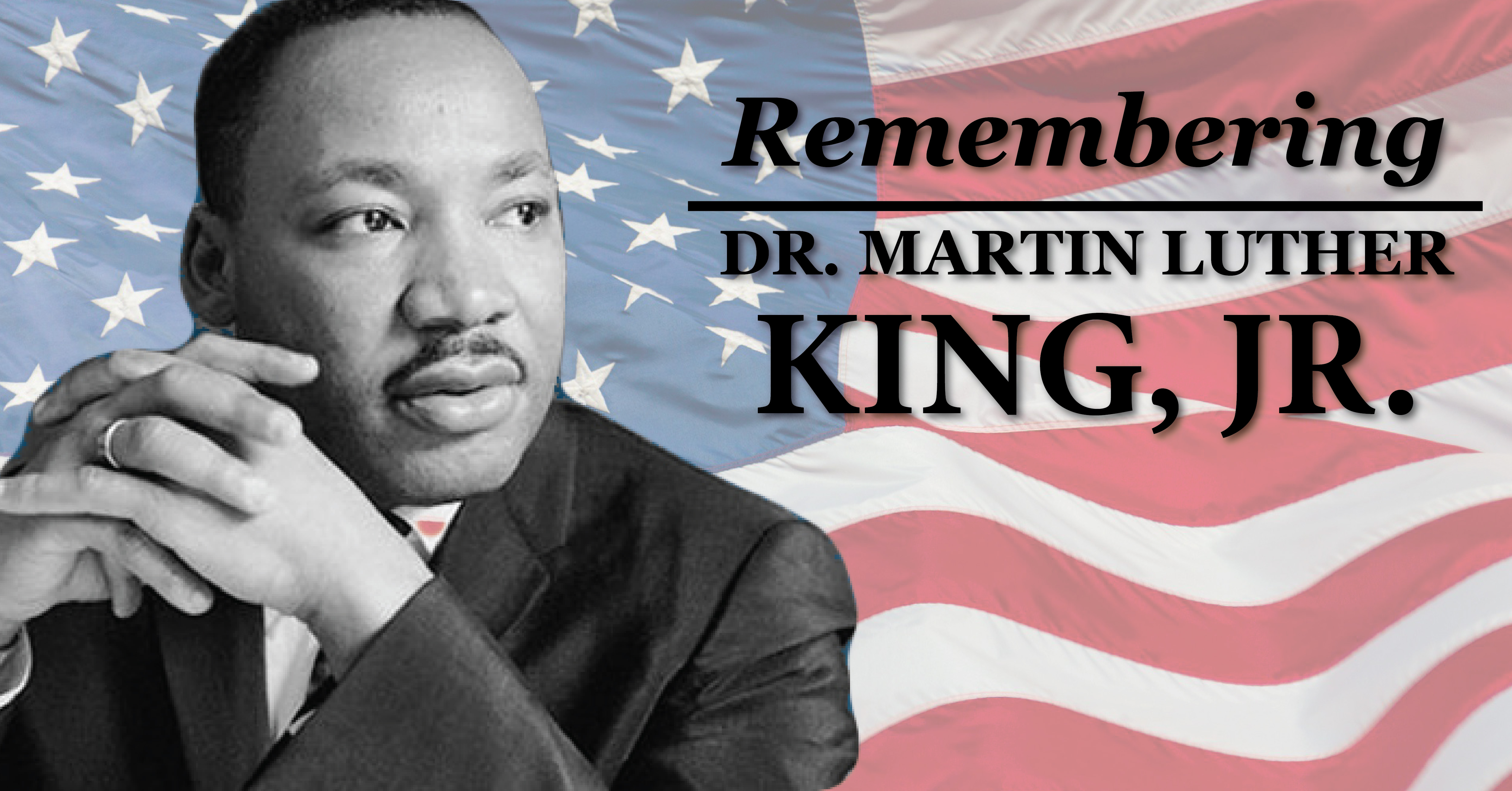
Martin Luther King Jr. is one of the most iconic figures in American history, celebrated for his unwavering dedication to the pursuit of racial equality and social justice. As a prominent leader in the Civil Rights Movement, King's message of hope and inspiration continues to resonate with people around the world, transcending generations and cultures. This article delves into the life, philosophy, and impact of Martin Luther King Jr., exploring his significance in the context of American history and his enduring legacy as a beacon of hope and inspiration.
With the pivotal Civil Rights Act of 1964 and the Voting Rights Act of 1965, King's efforts played a pivotal role in shaping the course of American history. His unwavering commitment to nonviolent resistance and civil disobedience paved the way for significant social change, leaving an indelible mark on the nation's consciousness. As the leader of the Southern Christian Leadership Conference (SCLC), King skillfully marshaled public opinion, mobilizing support for the rights of African Americans and pushing for systemic reforms that challenged the entrenched racial biases of the time.
King's vision for a more equitable society was rooted in his profound faith and commitment to the principles of nonviolence. He drew inspiration from the teachings of Mahatma Gandhi, who had pioneered a nonviolent resistance movement in India. By emulating Gandhi's approach, King sought to harness the power of nonviolent resistance to challenge unjust systems and promote social change. This approach allowed him to build a broad coalition of supporters, including ordinary citizens, clergy, and civil rights organizations, which played a crucial role in galvanizing the movement.
Through his leadership, King helped to shift the national conversation around issues of racial inequality, poverty, and social justice. His use of media savvy and innovative communication strategies, including powerful speeches, sermons, and letters, helped to humanize the civil rights struggle and capture the imagination of the American public. Key events, such as the Montgomery Bus Boycott, the March on Washington, and the Selma to Montgomery Marches, not only galvanized public support for the movement but also demonstrated the transformative power of collective action.
The Core Principles of Martin Luther King Jr.'s Philosophy
King's philosophy was characterized by several core principles, which he articulated in his speeches, writings, and public appearances. These principles remain relevant today, offering valuable insights into the nature of social justice and the pursuit of human rights. Some of the key principles that underpinned King's philosophy include:
- Nonviolence and Civil Disobedience: King believed that nonviolent resistance was the most effective means of achieving social change. He drew inspiration from Gandhi's approach and saw nonviolence as a powerful tool for challenging unjust systems and promoting human rights.
- Love and Compassion: King saw love and compassion as essential components of the civil rights struggle. He believed that by demonstrating love and empathy for their fellow human beings, African Americans could transcend racial divisions and build bridges of understanding.
- Faith and Spirituality: King's faith played a significant role in shaping his philosophy and informing his leadership. He drew inspiration from his Christian upbringing and saw his work as a way of serving God and promoting the values of love, justice, and compassion.
- Inclusive Leadership: King recognized the importance of inclusive leadership in achieving social change. He worked to build broad coalitions of supporters, including ordinary citizens, clergy, and civil rights organizations, which helped to mobilize public support for the movement.
Key Events in the Life of Martin Luther King Jr.
- Montgomery Bus Boycott (1955-1956): The Montgomery Bus Boycott was a pivotal moment in the civil rights struggle, marking a major victory for African Americans in the face of racial segregation and oppression. King's leadership played a crucial role in mobilizing public support for the boycott and securing a ruling from the U.S. Supreme Court that outlawed segregation on public buses.
- March on Washington (1963): The March on Washington for Jobs and Freedom was a pivotal event in the civil rights movement, where King delivered his famous "I Have a Dream" speech. The march drew hundreds of thousands of people to the nation's capital, where they demanded an end to racial segregation and inequality.
- Selma to Montgomery Marches (1965): The Selma to Montgomery Marches were a series of protests that took place in March 1965, where African Americans marched from Selma to Montgomery, Alabama, to demand voting rights. King's leadership played a crucial role in mobilizing public support for the march, which helped to galvanize the passage of the Voting Rights Act.
Legacy of Martin Luther King Jr.
Martin Luther King Jr.'s legacy extends far beyond his role in the civil rights movement. His commitment to nonviolent resistance, inclusive leadership, and social justice continues to inspire movements for human rights and social change around the world. Some of the key ways in which King's legacy endures include:
- Promoting Racial Reconciliation: King's work helped to lay the foundation for a more inclusive and equitable society, where racial divisions are bridged and social justice is achieved. His legacy continues to inspire efforts towards racial reconciliation and social justice.
- Advancing Human Rights: King's commitment to human rights and social justice has inspired movements around the world, from the anti-apartheid movement in South Africa to the women's rights movement in the United States.
- Empowering Marginalized Communities: King's leadership and advocacy helped to empower marginalized communities, including African Americans, women, and other groups who had long been excluded from mainstream society. His legacy continues to inspire efforts towards social justice and human rights.
Quotes from Martin Luther King Jr.
King's words continue to inspire and challenge people around the world. Some of his most
Recent Post
Unlocking The Secrets Of Menopause: Expert Insights On Navigating Life After 40 With Paolo Tantoco
Tensions Rise As Trump Officials Defend Tariffs Amid Market Volatility And Warnings For Savers And Retirees
Rosie O'Donnell Teases Trump Move, Posts Disruptive Selfie From Abroad
Wings For The Win: Capitals Edge Ducks 7-4 In Thrilling Matchup
Ducks Fall Short: Key Takeaways From Thrilling 7-4 Loss To Capitals
Article Recommendations
- Rebbie Jackson: A Lifetime Of Music, Family, And Fame
- Exclusive Interview: Justin Bieber Reveals His Journey Through Fame And Faith
- Unlock SEO Success: Dominate The Competitive Rankings