Remembering the Dream: Martin Luther King Jr. Day Observance
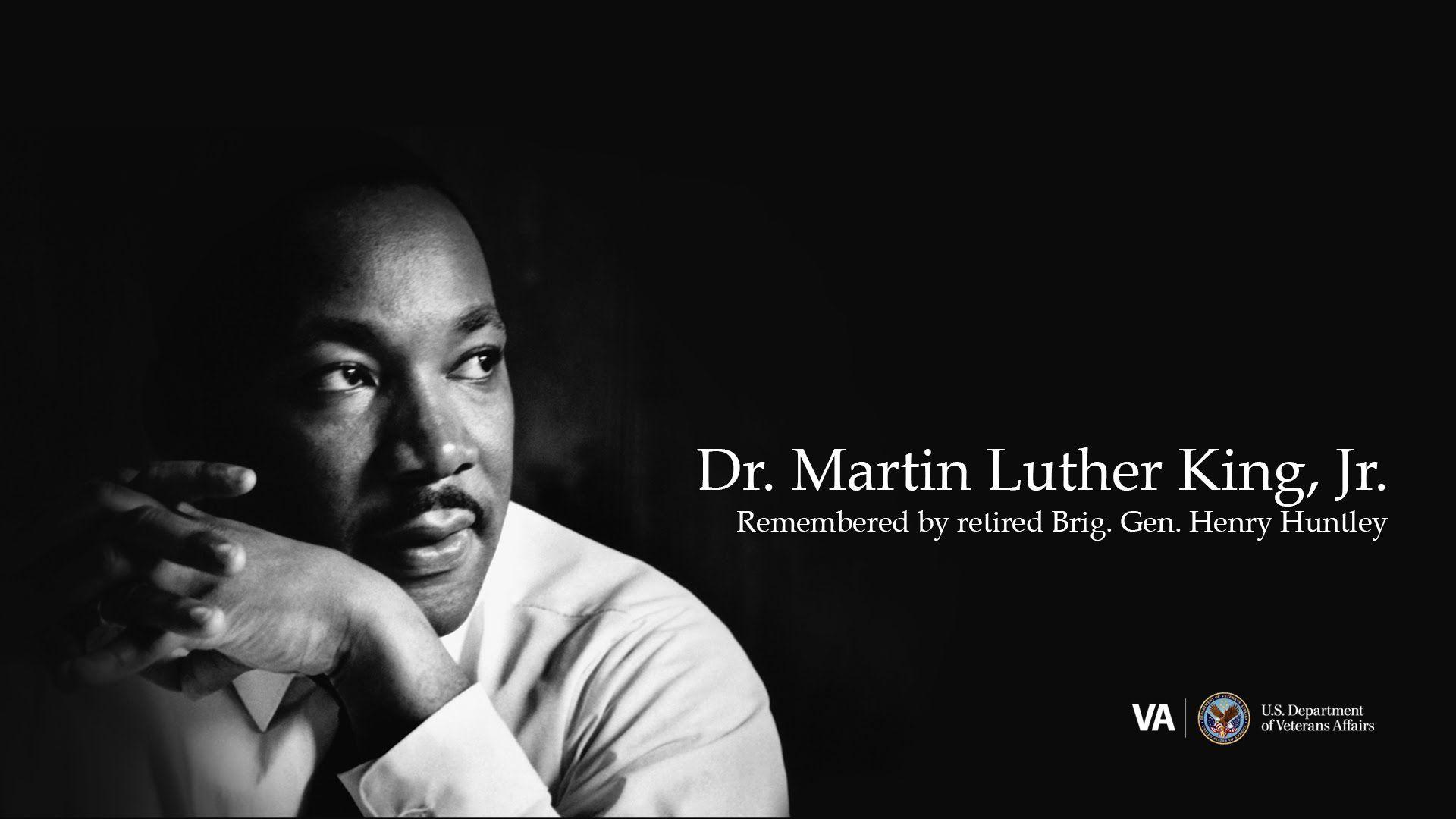
As we observe Martin Luther King Jr. Day on the third Monday of January every year, we reflect on the profound impact of this civil rights leader on our nation's history. With his powerful voice and unwavering dedication to equality and justice, Dr. King inspired generations of Americans to work towards a more perfect union. This day of remembrance serves as a poignant reminder of the struggles faced by African Americans and the remarkable progress made towards a more inclusive society.
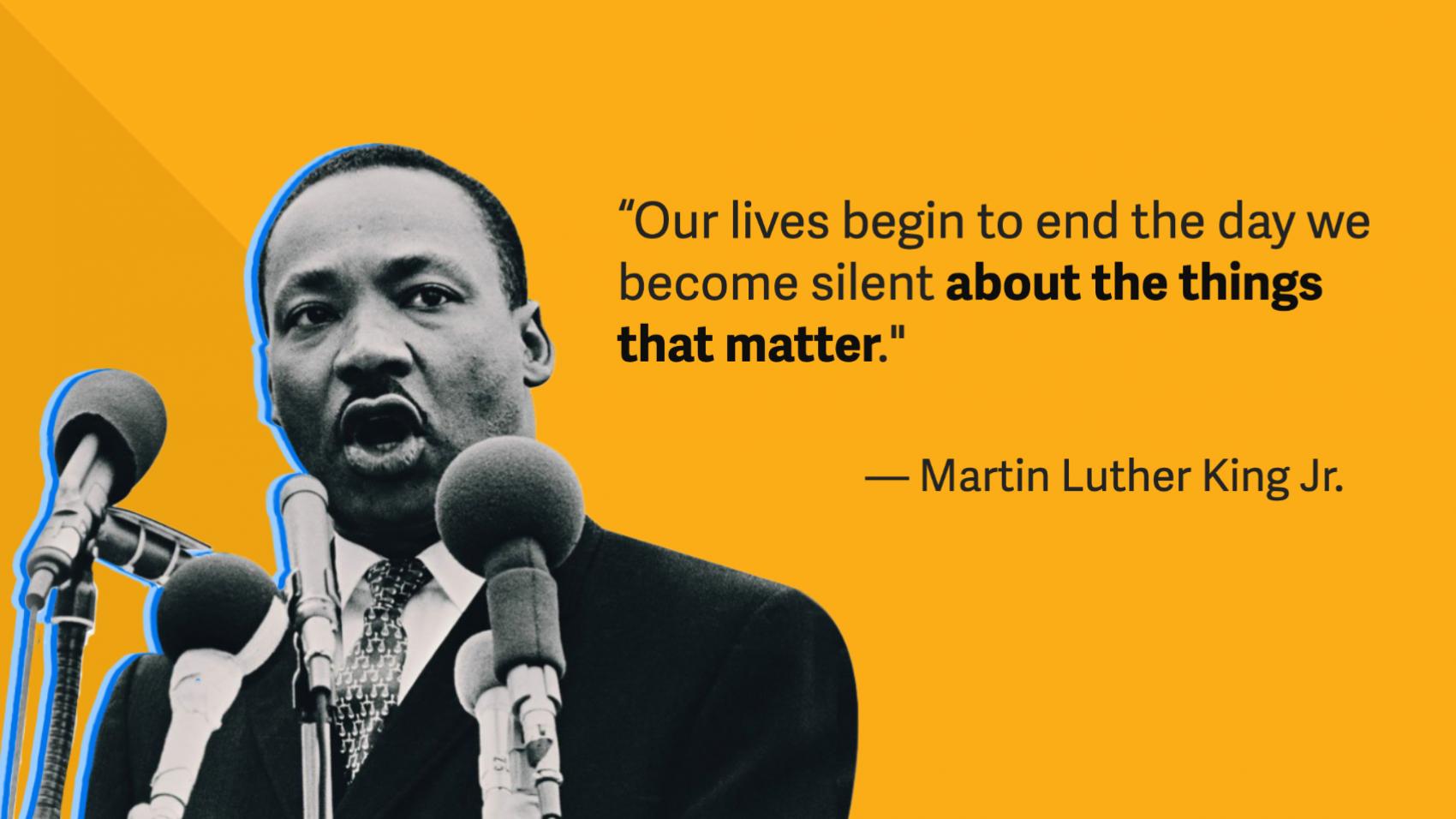
The significance of Martin Luther King Jr. Day lies not only in the events of his life but also in the legacy he left behind. Dr. King's dream of a world where people are judged not by the color of their skin, but by the content of their character, continues to resonate with people today. As we honor his memory, we are reminded of the importance of standing up for what is right, even in the face of adversity.
The origins of Martin Luther King Jr. Day date back to 1983, when President Ronald Reagan signed a bill into law establishing the holiday. The day was created to commemorate Dr. King's birthday, which falls on January 15th, and to recognize his contributions to the civil rights movement. Since its inception, the holiday has been observed by all 50 states and has become a national day of service, encouraging Americans to come together to make a positive impact in their communities.
The Life and Legacy of Martin Luther King Jr.
Dr. Martin Luther King Jr. was born on January 15, 1929, in Atlanta, Georgia. Growing up in a segregated society, King was exposed to the harsh realities of racism from a young age. Despite these challenges, he found solace in his faith and education, becoming a minister and a civil rights leader.
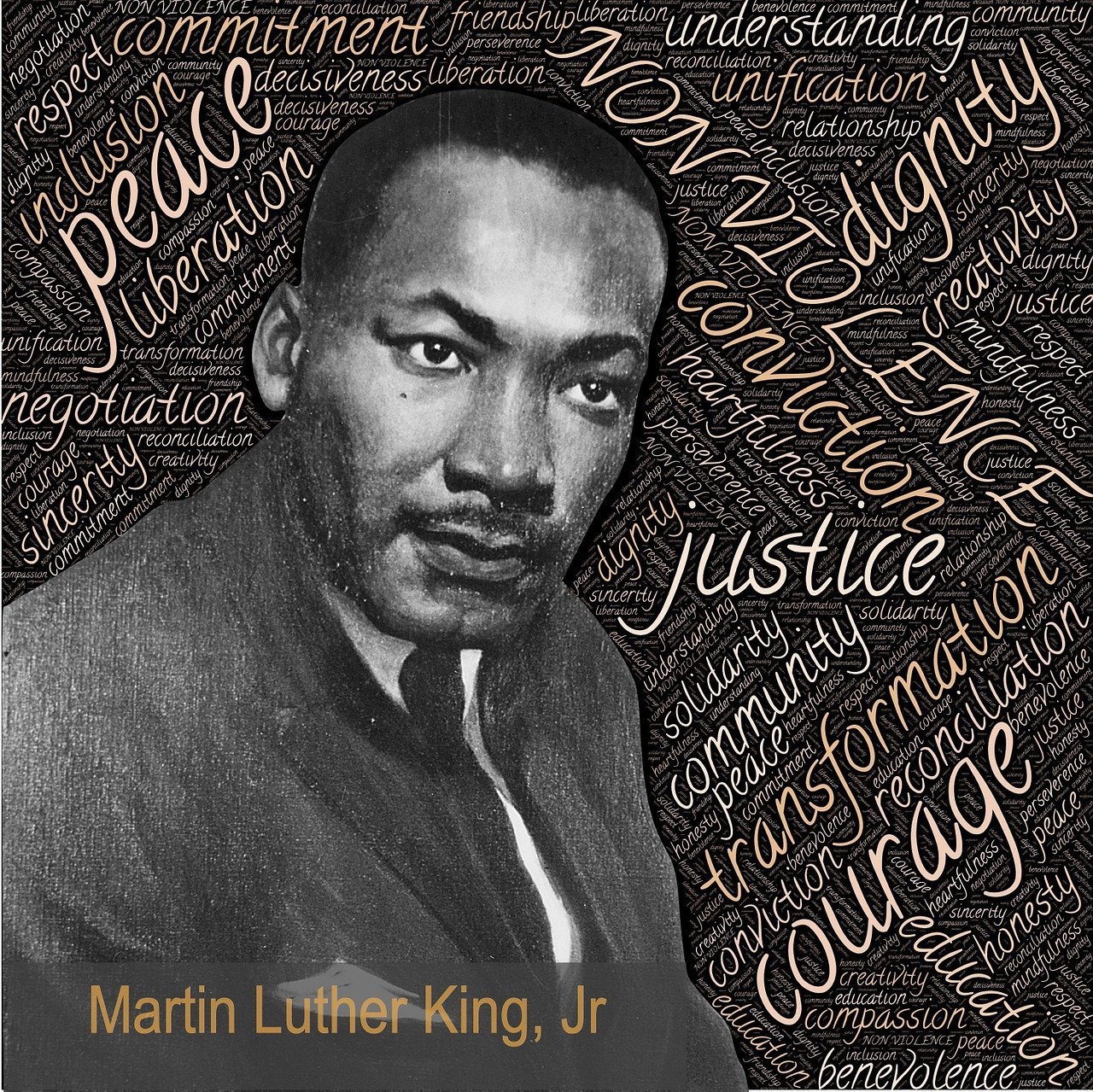
King's leadership in the civil rights movement was marked by his use of nonviolent resistance, inspiring events such as the Montgomery Bus Boycott, the March on Washington, and the Selma to Montgomery Marches. His iconic speech, "I Have a Dream," delivered during the March on Washington in 1963, is one of the most powerful speeches in American history, urging Americans to work towards a more perfect union.
Key Achievements and Milestones
• Led the Montgomery Bus Boycott (1955-1956), a 381-day boycott that ended with the U.S. Supreme Court ruling that segregation on public buses was unconstitutional.
• Organized the March on Washington (1963), where he delivered his famous "I Have a Dream" speech, drawing an estimated 250,000 people to the National Mall.
• Participated in the Selma to Montgomery Marches (1965), a series of marches that aimed to secure voting rights for African Americans in Alabama.
• Received the Nobel Peace Prize (1964) for his nonviolent resistance to racial inequality.
The Impact of Martin Luther King Jr. Day on American Society
The observance of Martin Luther King Jr. Day has had a profound impact on American society, both in terms of its reflection on the country's past and its commitment to a more inclusive future. The holiday has become a time for:
Reflection and Remembrance
• Recognizing the struggles faced by African Americans, including segregation, lynching, and voting suppression.
• Honoring the sacrifices made by civil rights activists, including Dr. King, who risked their lives to fight for equality and justice.
• Reflecting on the progress made towards a more inclusive society, including landmark legislation such as the Civil Rights Act of 1964 and the Voting Rights Act of 1965.
Ways to Celebrate Martin Luther King Jr. Day
As we observe Martin Luther King Jr. Day, there are many ways to celebrate his legacy and contribute to a more inclusive society. Some ideas include:
Volunteering and Community Service
• Participating in community service projects, such as serving at a soup kitchen or participating in a park cleanup.
• Volunteering with organizations that support civil rights and social justice causes.
• Donating to organizations that work towards promoting equality and inclusion.
Educational Programs and Events
• Attending educational programs and events that focus on the life and legacy of Martin Luther King Jr.
• Participating in discussions and debates about civil rights and social justice issues.
• Reading books and watching documentaries about Dr. King and the civil rights movement.
Personal Reflection and Action
• Reflecting on personal biases and privileges, and making a commitment to work towards a more inclusive society.
• Setting goals and making a plan to take action on issues related to civil rights and social justice.
• Engaging in respectful and open-minded dialogue with others, listening to their perspectives and sharing one's own.
As we observe Martin Luther King Jr. Day, we are reminded of the power of individual action and collective effort towards creating a more just and equitable society. By reflecting on the life and legacy of Dr. King, we are inspired to continue his work towards a world where everyone has the opportunity to thrive.
Recent Post
Unlocking The Secrets Of Menopause: Expert Insights On Navigating Life After 40 With Paolo Tantoco
Tensions Rise As Trump Officials Defend Tariffs Amid Market Volatility And Warnings For Savers And Retirees
Rosie O'Donnell Teases Trump Move, Posts Disruptive Selfie From Abroad
Wings For The Win: Capitals Edge Ducks 7-4 In Thrilling Matchup
Ducks Fall Short: Key Takeaways From Thrilling 7-4 Loss To Capitals
Article Recommendations
- Unveiling The Nationality Of Chaun Woo's Parents: A Detailed Investigation
- Travis Kelce's Health: Uncovering The Secrets Of Kansas City's Tight End Titan
- Lee Majors: The Six Million Dollar Man From TV To The Big Screen