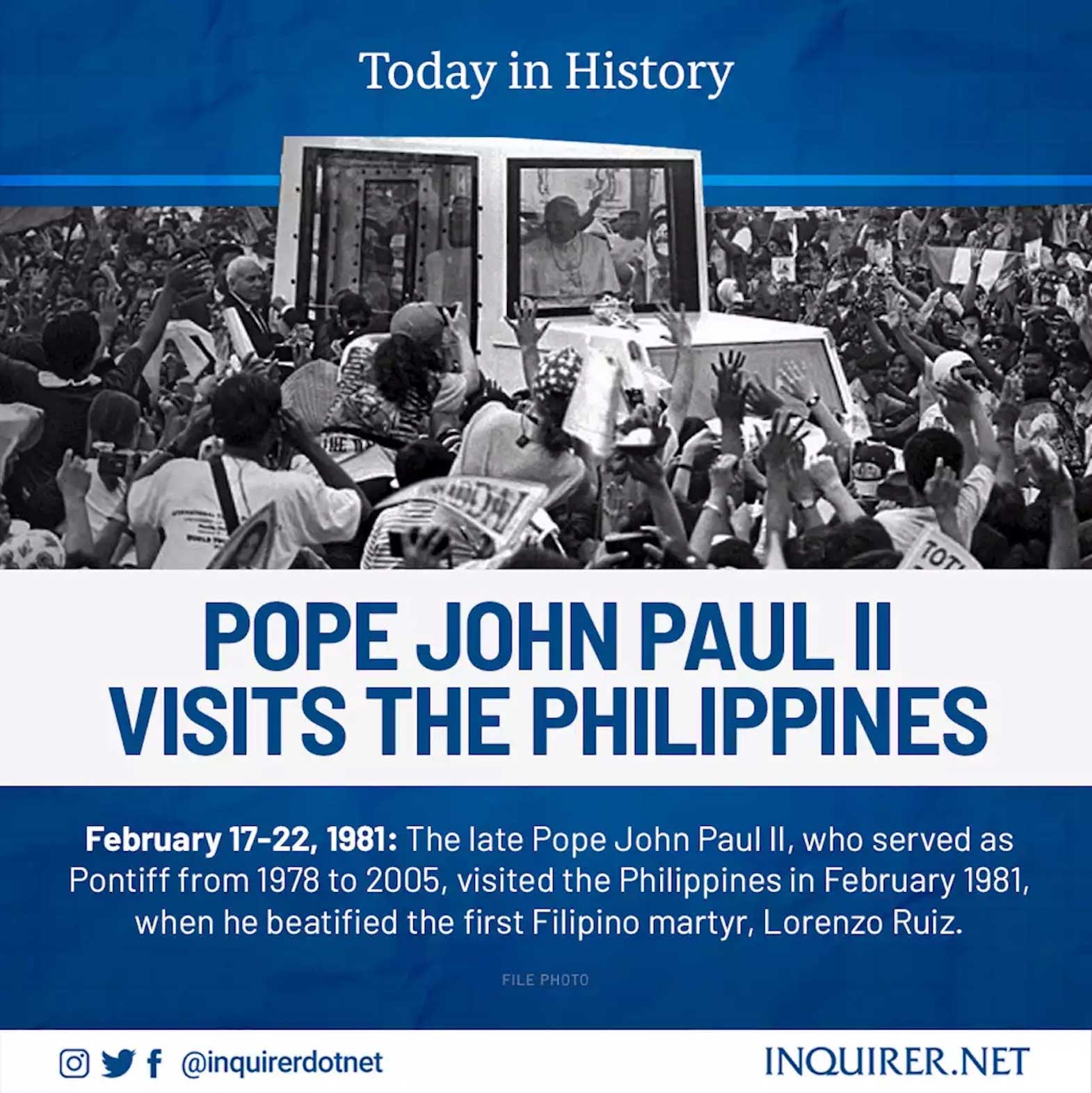
Martial Law: When Freedom Dies and the State Takes Control
The concept of martial law has been a topic of debate and controversy for centuries. It is a state of emergency that is declared by a government when it perceives a threat to its authority, security, or stability. The idea of martial law may seem like a relic of the past, but it remains a powerful tool that can be used by governments to exert control over their citizens. In this article, we will explore the history of martial law, its benefits and drawbacks, and the current state of martial law around the world.
The word "martial" refers to the military, and the term "law" refers to a set of rules or regulations. When these two words are combined, it creates a concept that is both powerful and intimidating. Martial law is often used as a last resort by governments when they feel that their authority is being threatened. This can be due to a variety of reasons, such as civil unrest, terrorist attacks, or the breakdown of law and order.
The benefits of martial law are often cited as the need for stability and security. In times of crisis, martial law can provide a sense of calm and order, allowing governments to take control and restore law and order. However, critics argue that martial law can also be used as a tool of oppression, allowing governments to silence dissent and suppress freedom.
In recent years, the use of martial law has become more widespread around the world. From the Philippines to Myanmar, countries have used martial law to quell protests, suppress dissent, and maintain control. The use of martial law has been justified by governments as a necessary measure to maintain stability and security, but critics argue that it is a threat to democracy and human rights.
Types of Martial Law
There are different types of martial law, each with its own set of rules and regulations. Some of the most common types of martial law include:
- Emergency Martial Law: This type of martial law is declared in times of crisis, such as natural disasters or terrorist attacks. It allows governments to take control and restore order, but it can also be used as a tool of oppression.
- Limited Martial Law: This type of martial law is used to restrict the movement of certain groups of people, such as protesters or suspected terrorists. It is often used as a temporary measure to maintain stability and security.
- Full Martial Law: This type of martial law is declared when the government feels that it is under threat. It allows the government to take control of all aspects of life, including the media, economy, and social movements.
Benefits of Martial Law
While martial law is often associated with oppression and human rights abuses, it also has some benefits. Some of the most significant benefits of martial law include:
- Stability and Security: Martial law can provide a sense of calm and order, allowing governments to take control and restore stability and security.
- Economic Growth: Martial law can be used to promote economic growth by allowing governments to take control of the economy and impose strict regulations.
- National Unity: Martial law can be used to promote national unity by silencing dissent and suppressing opposition.
Drawbacks of Martial Law
Despite its benefits, martial law also has some significant drawbacks. Some of the most significant drawbacks of martial law include:
- Human Rights Abuses: Martial law can be used to suppress freedom and human rights, allowing governments to silence dissent and opposition.
- Loss of Civil Liberties: Martial law can be used to restrict civil liberties, such as freedom of speech and assembly.
- Economic Consequences: Martial law can have significant economic consequences, including inflation, unemployment, and economic stagnation.
Examples of Martial Law
Martial law has been used in many countries around the world, often with devastating consequences. Some of the most notable examples of martial law include:
- Philippines: In 1972, President Ferdinand Marcos declared martial law in the Philippines, citing the need to restore stability and security. However, the declaration of martial law was used as a tool of oppression, and Marcos's regime was marked by human rights abuses and economic stagnation.
- Myanmar: In 2021, the military junta in Myanmar declared martial law, citing the need to restore stability and security. However, the declaration of martial law was used as a tool of oppression, and the military regime has been marked by human rights abuses and economic stagnation.
Conclusion
Martial law is a complex and controversial topic that raises important questions about the balance between security and freedom. While it can provide a sense of stability and security, it can also be used as a tool of oppression, silencing dissent and suppressing freedom. As governments around the world continue to grapple with the challenges of maintaining stability and security, it is essential that they carefully consider the implications of martial law and ensure that it is used in a way that respects human rights and civil liberties.
Common Issues with Martial Law
- Lack of Transparency: Martial law is often declared without proper transparency or accountability, allowing governments to bypass checks and balances.
- Human Rights Abuses: Martial law can be used to suppress freedom and human rights, allowing governments to silence dissent and opposition.
- Economic Consequences: Martial law can have significant economic consequences, including inflation, unemployment, and economic stagnation.
- International Backlash: Martial law can lead to international backlash, damaging a country's reputation and relationships with other nations.
Effects on Society
- Loss of Trust: Martial law can erode trust in government and institutions, leading to social unrest and instability.
- Restrictions on Civil Liberties: Martial law can be used to restrict civil liberties, such as freedom of speech and assembly.
- Economic Instability: Martial law can lead to economic instability,
Recent Post
Unlocking The Secrets Of Menopause: Expert Insights On Navigating Life After 40 With Paolo Tantoco
Tensions Rise As Trump Officials Defend Tariffs Amid Market Volatility And Warnings For Savers And Retirees
Rosie O'Donnell Teases Trump Move, Posts Disruptive Selfie From Abroad
Wings For The Win: Capitals Edge Ducks 7-4 In Thrilling Matchup
Ducks Fall Short: Key Takeaways From Thrilling 7-4 Loss To Capitals
Article Recommendations
- Unveiling The Secrets Of Fitness Motivation: Fitbryceadams's Inspiring Story
- Cassie Parents: Uncovering The Truth Behind The Official Story
- Taylor Swift's Incredible Weight Loss Journey: Secrets Revealed