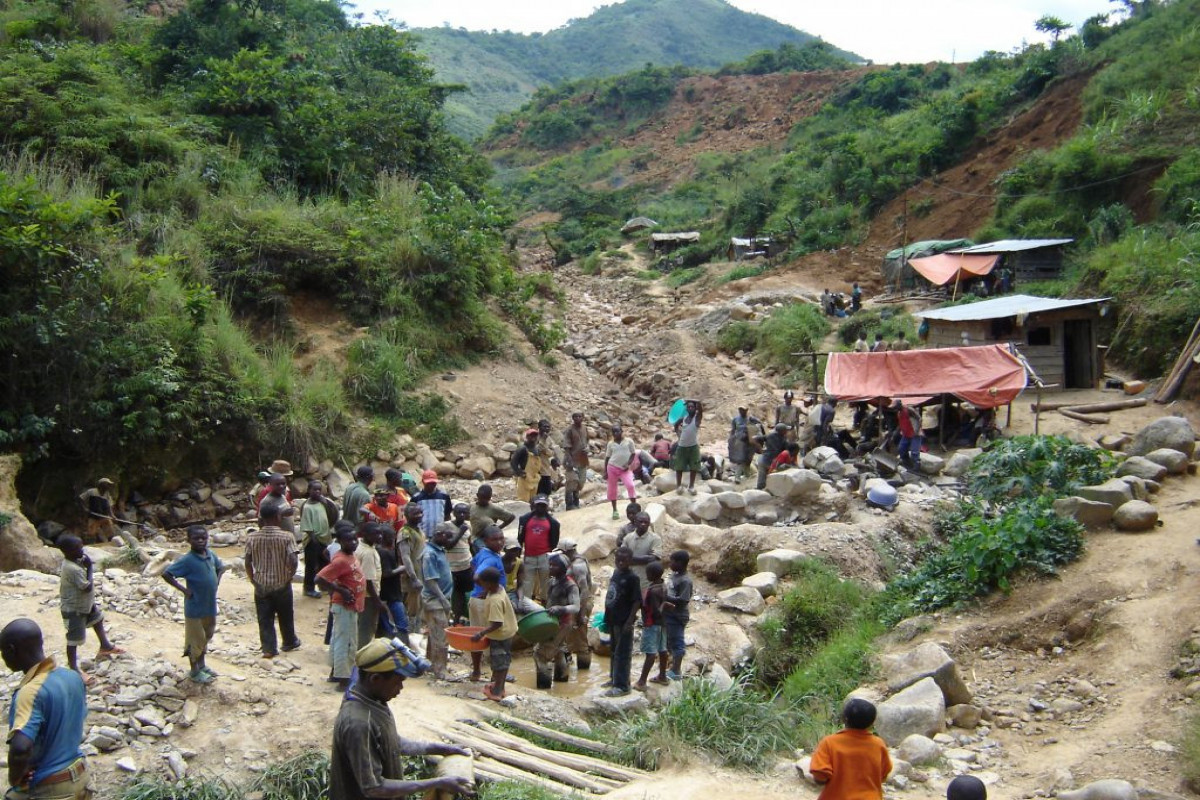
Mali Cracks Down On Foreign Miners After Deadly Artisanal Accidents: A Growing Concern for Global Mining Communities
The West African nation of Mali has taken a firm stance against foreign miners operating in the country's artisanal mining sector, following a series of deadly accidents that have claimed the lives of numerous miners. The crackdown on foreign miners is part of a broader effort by the Malian government to improve the safety and regulation of the sector, which is a significant contributor to the country's economy. In this article, we will delve into the reasons behind Mali's crackdown on foreign miners, the implications for the global mining community, and the steps being taken to improve safety in the artisanal mining sector.
The artisanal mining sector in Mali is plagued by a lack of regulation and oversight, which has led to numerous accidents and fatalities. According to reports, many of the accidents involve untrained miners who use hazardous methods to extract minerals, resulting in explosions, collapses, and other disasters. The lack of regulation has also led to disputes between miners and local communities over mining rights and royalties, exacerbating the situation.
In recent years, Mali has witnessed a significant influx of foreign miners, including companies from China, India, and other countries. While these foreign miners have brought in significant investment and expertise, they have also been accused of ignoring local regulations and safety protocols. The Malian government has long complained about the lack of transparency and accountability among foreign miners, which has contributed to the sector's safety woes.
The government's decision to crack down on foreign miners is a response to growing public pressure and demands for improved safety and regulation. In 2020, the government launched a series of initiatives aimed at improving the safety and regulation of the artisanal mining sector, including the creation of a new agency responsible for overseeing mining operations. However, despite these efforts, the sector remains plagued by safety issues and regulatory challenges.
Impact of Artisanal Mining on Local Communities
The artisanal mining sector has a significant impact on local communities, both positively and negatively. On the one hand, mining provides employment and income opportunities for many local residents, which can help to reduce poverty and improve living standards. On the other hand, the sector's lack of regulation and oversight has led to environmental degradation, displacement of communities, and human rights abuses.
In Mali, many artisanal miners are small-scale operators who extract minerals such as gold, tin, and tantalum from small-scale mines. These miners often work in difficult conditions, with limited access to safety equipment and training. The environmental impact of artisanal mining is also significant, with many mines contaminating nearby water sources and damaging local ecosystems.
Global Mining Industry Response
The global mining industry has responded to Mali's crackdown on foreign miners with a mix of criticism and support. Some industry leaders have criticized the government's decision, arguing that it will drive out foreign investment and undermine the sector's competitiveness. Others have expressed support for the government's efforts to improve safety and regulation, citing the need for greater transparency and accountability in the sector.
The International Council on Mining and Metals (ICMM) has called for greater cooperation between governments, industry leaders, and local communities to address the safety and regulatory challenges facing the artisanal mining sector. The ICMM has also emphasized the need for improved safety standards and training for miners, as well as greater transparency and accountability in the sector.
Steps Being Taken to Improve Safety
The Malian government has taken several steps to improve safety in the artisanal mining sector, including:
Creating a New Regulatory Agency
The government has created a new agency responsible for overseeing mining operations, including artisanal mining. The agency is tasked with enforcing safety standards and regulations, as well as monitoring the environmental impact of mining activities.
Establishing Safety Protocols
The government has established safety protocols for artisanal miners, including training programs and safety equipment requirements. The protocols are designed to reduce the risk of accidents and fatalities, and to promote a culture of safety among miners.
Increasing Enforcement
The government has increased enforcement efforts against foreign miners who fail to comply with safety regulations and standards. This includes fines, penalties, and even prosecution for miners who disregard safety protocols.
Strengthening Community Engagement
The government has recognized the need to strengthen community engagement and participation in the artisanal mining sector. This includes working with local communities to develop safety standards and regulations, as well as providing training and support for miners and their families.
Supporting Local Mining Initiatives
The government has launched initiatives to support local mining efforts, including providing funding and technical assistance for small-scale mining operations. These initiatives aim to promote sustainable mining practices and reduce the sector's environmental impact.
International Cooperation
The government has recognized the need for international cooperation to address the safety and regulatory challenges facing the artisanal mining sector. This includes working with international organizations and industry leaders to develop safety standards and regulations that are consistent with global best practices.
Sharing Best Practices
Mali has sought to share best practices with other countries facing similar challenges, including implementing safety protocols and training programs for miners. The country has also participated in international workshops and conferences to promote best practices and exchange information with other countries.
Challenges Ahead
Despite the efforts being taken to improve safety in the artisanal mining sector, several challenges remain. These include:
Limited Resources
The government faces significant challenges in terms of resources, including funding, personnel, and equipment. The sector's lack of regulation and oversight has also led to a shortage of skilled workers and technical expertise.
Limited Capacity
The regulatory agency responsible for overseeing mining operations lacks the capacity to effectively enforce safety standards and regulations. The agency faces challenges in terms of funding, personnel, and equipment, which limits its ability to monitor and regulate mining activities.
Complex Stakeholder Interests
The artisanal mining sector is characterized by complex stakeholder interests, including local communities, miners, and foreign investors. The sector's safety and regulatory challenges are often driven
Recent Post
Unlocking The Secrets Of Menopause: Expert Insights On Navigating Life After 40 With Paolo Tantoco
Tensions Rise As Trump Officials Defend Tariffs Amid Market Volatility And Warnings For Savers And Retirees
Rosie O'Donnell Teases Trump Move, Posts Disruptive Selfie From Abroad
Wings For The Win: Capitals Edge Ducks 7-4 In Thrilling Matchup
Ducks Fall Short: Key Takeaways From Thrilling 7-4 Loss To Capitals
Article Recommendations
- Peek Into Billie Eilish's Captivating World With Exclusive Photo Galleries
- Unlock Clarity: How To Have A Truly Understandable And Nice Day
- Unveiling Dingdongantes Heights: A Pinnacle Of Nature And Adventure


