Mali's Deadly Gold Rush: The Human Cost of Cracking Down on Foreign Artisanal Miners
The Mali government has announced a series of measures to combat the growing problem of foreign artisanal gold mining in the country, which has led to a significant increase in mining-related accidents and deaths. The move is seen as a response to the influx of foreign miners who have been attracted to the country's rich gold deposits in recent years. However, critics argue that the measures may also drive the problem underground, making it harder to regulate and monitor the mining activities.
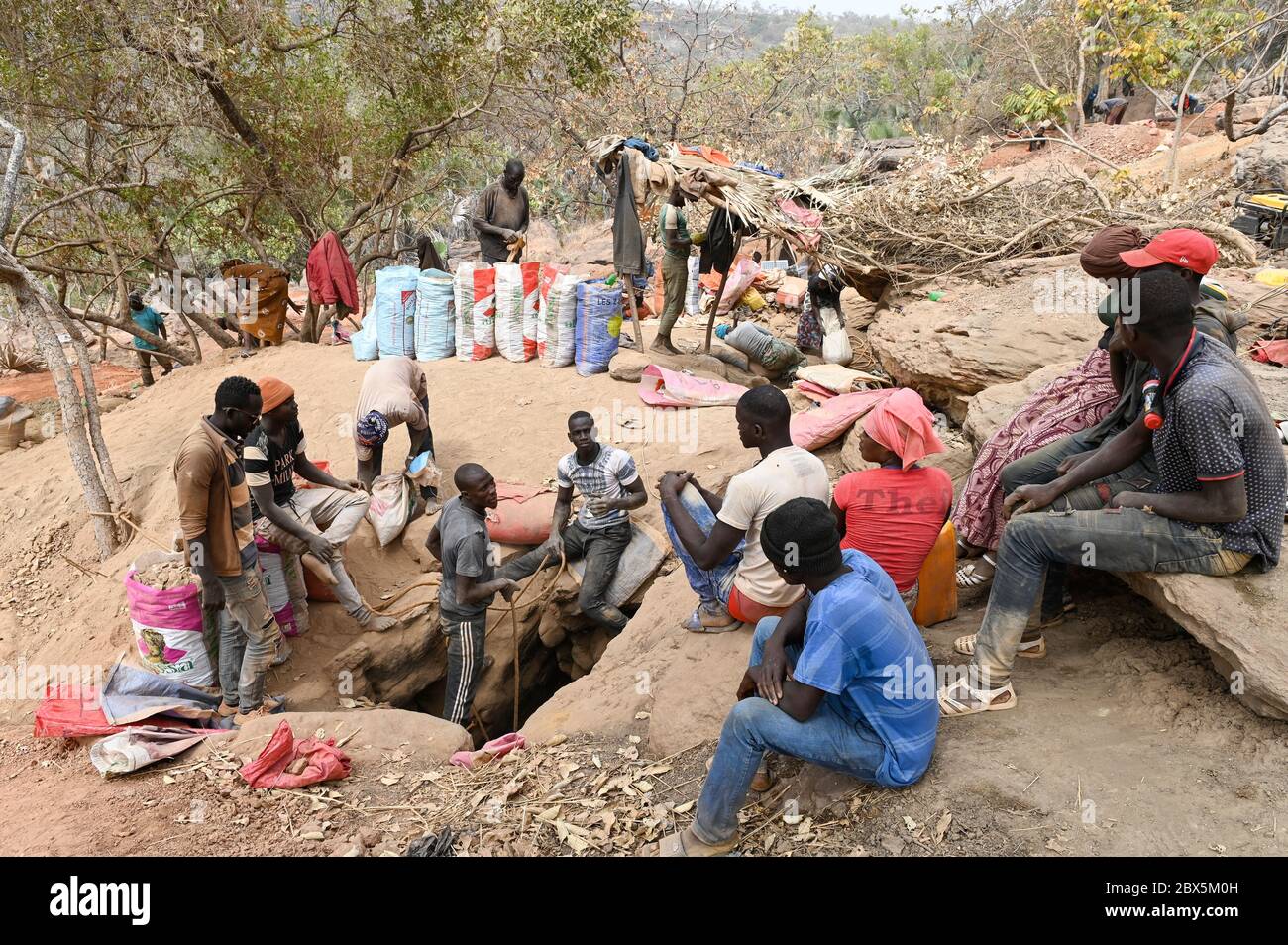
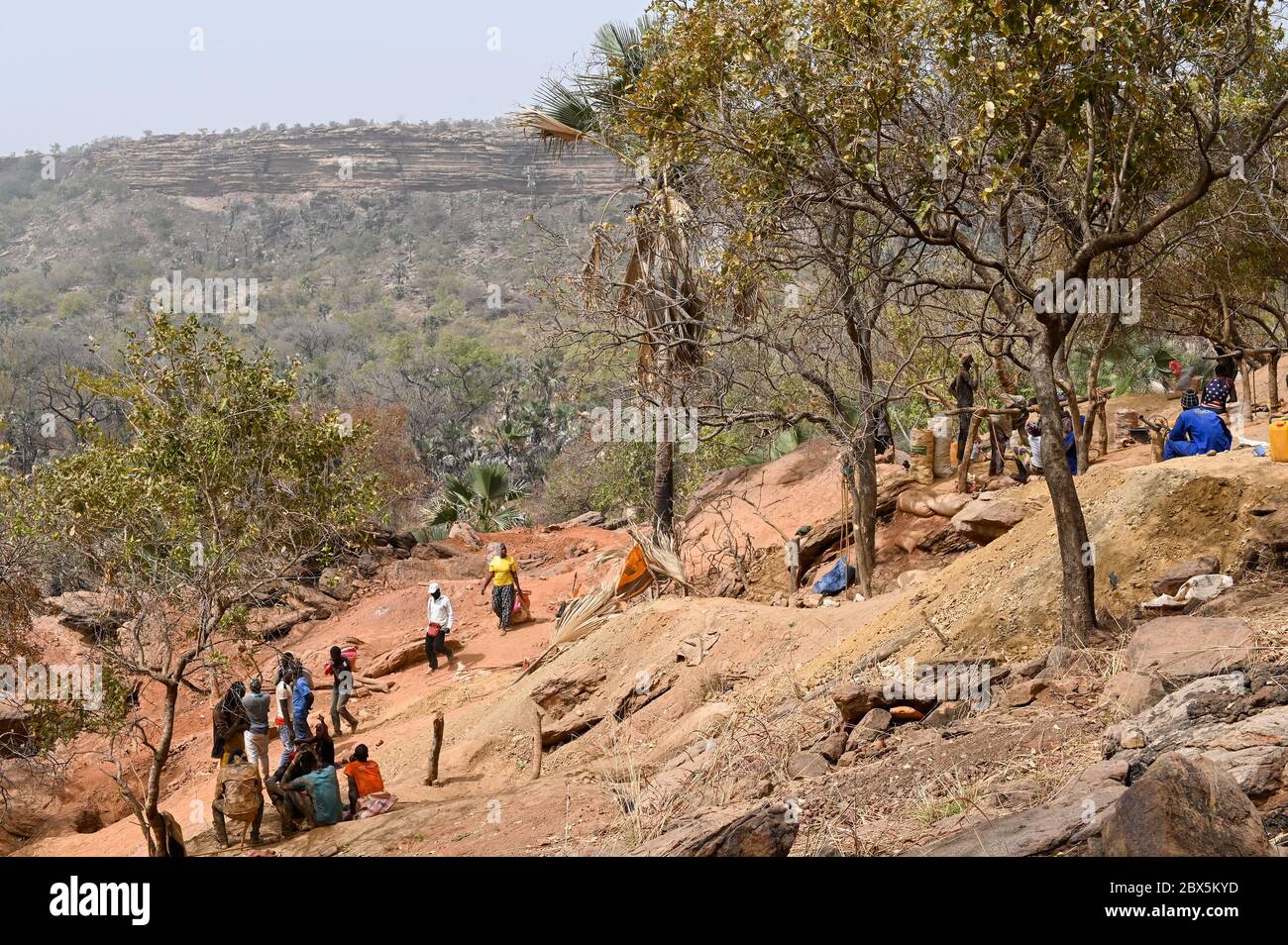
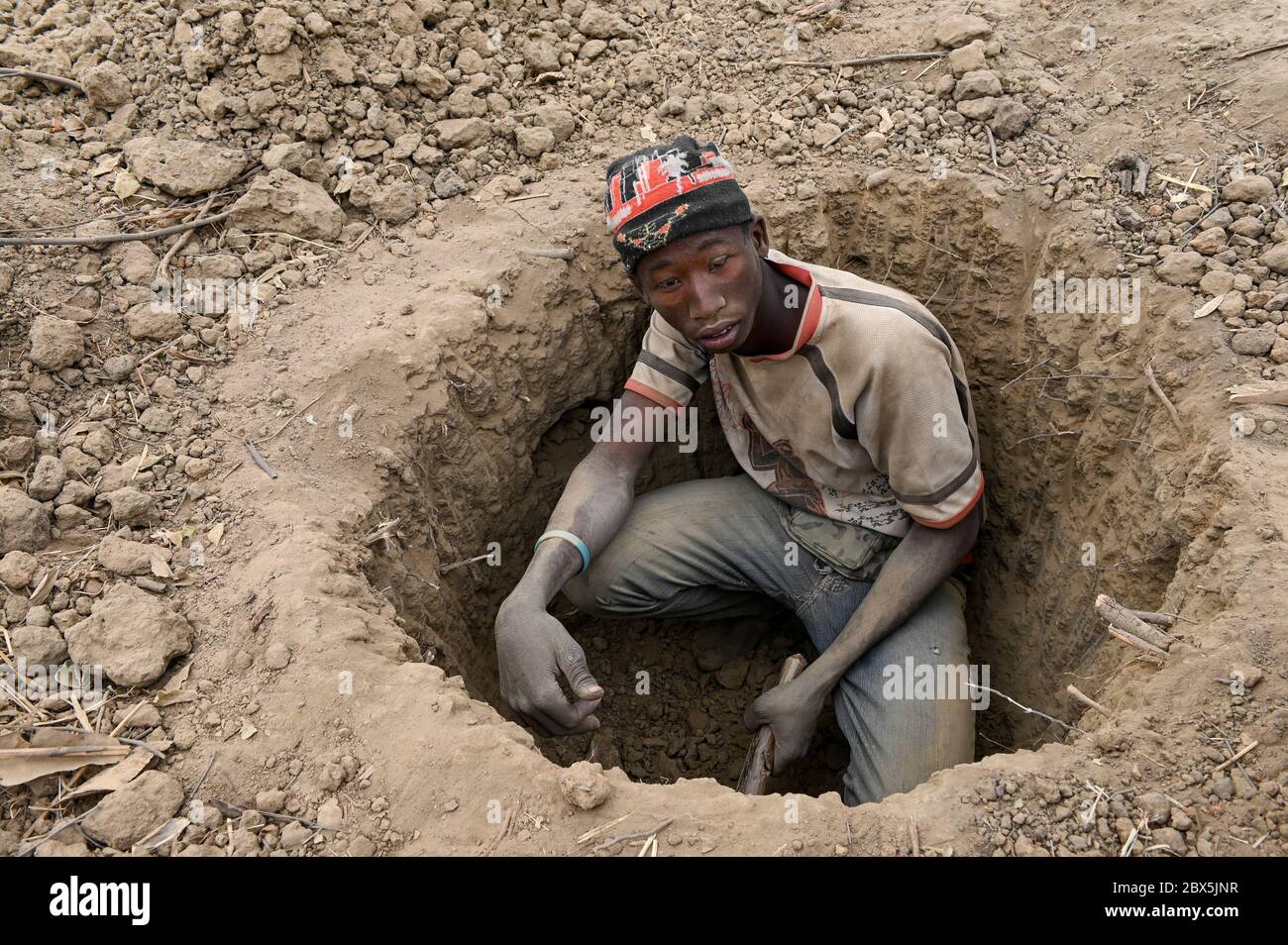
Mali has long been known for its rich gold deposits, with the country producing over 300,000 ounces of gold in 2020 alone. However, the artisanal gold mining sector has become a major concern in recent years, with reports of accidents and deaths rising significantly. The sector is largely unregulated, with many miners operating outside of the law and without proper safety equipment.
The situation has become so dire that the Malian government has been forced to take action. In March 2022, the government announced that it would be cracking down on foreign artisanal miners, who are seen as being responsible for many of the accidents and deaths. The measures include fines, confiscation of equipment, and in some cases, deportation of foreign miners.
However, critics argue that the measures may not go far enough to address the root causes of the problem. Many foreign miners are seen as being driven by desperation and poverty, and are often willing to take risks in order to make ends meet. By deporting or fining these miners, the government may simply be pushing the problem underground, where it is harder to monitor and regulate.
The Human Cost of Artisanal Gold Mining
The human cost of artisanal gold mining in Mali is stark. According to reports, hundreds of miners have lost their lives in the past year alone, with many more injured or displaced. The sector is also plagued by child labor, with many children as young as 10 years old working in the mines.
The impact on local communities is also significant. Many communities rely on artisanal mining for their livelihoods, and the closure of mines can have devastating effects on local economies. In addition, the environmental impact of artisanal mining can be significant, with many mines affecting local water sources and ecosystems.
Types of Artisanal Gold Mining
There are several types of artisanal gold mining in Mali, including:
- Panning: This involves using a simple pan to separate gold from soil and gravel.
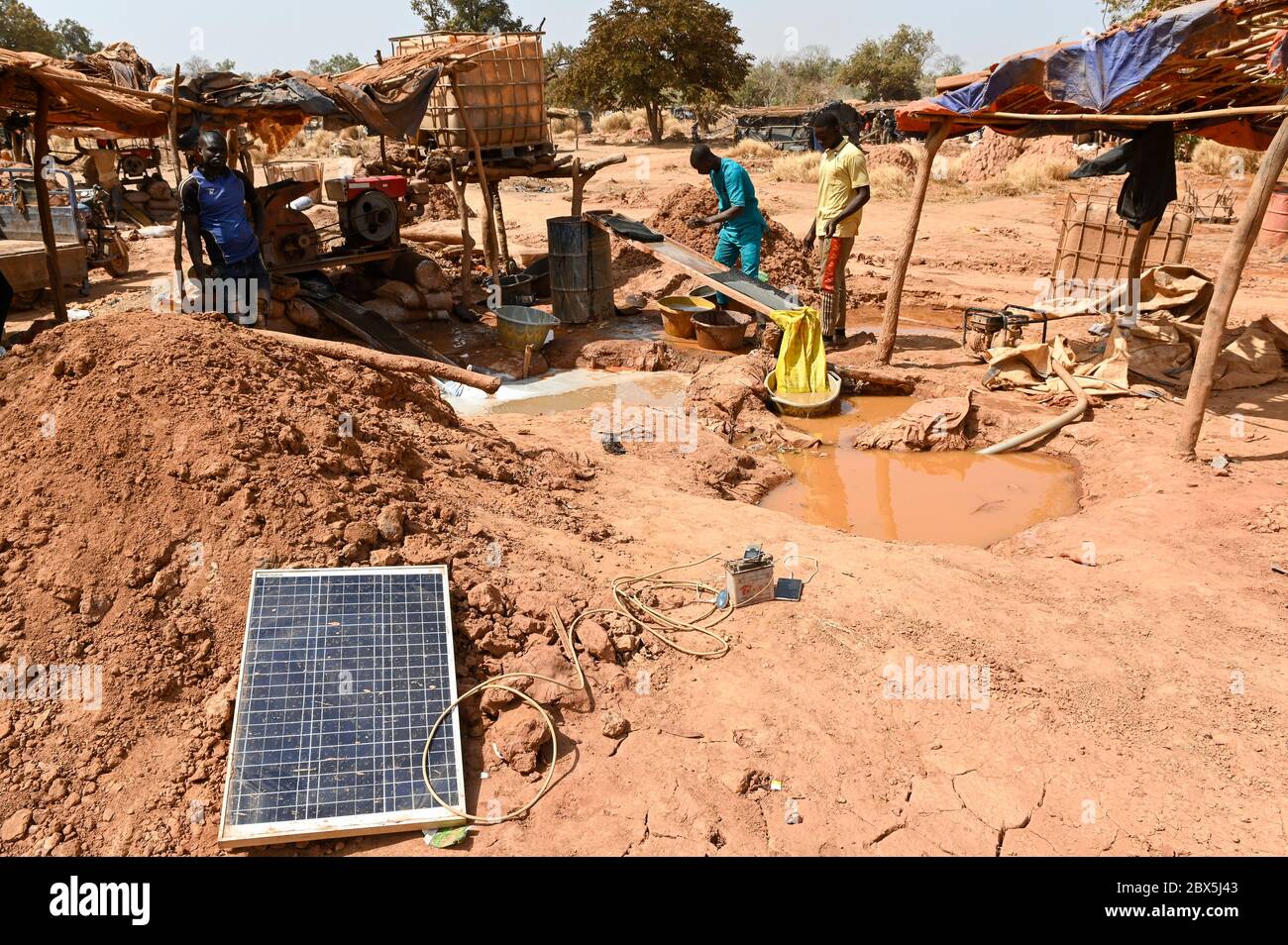
- sluicing: This involves using a series of channels and boxes to separate gold from soil and gravel.
- dredging: This involves using a machine to suck up soil and gravel from a river or stream, and then separating the gold from the waste material.
Safety Risks
Artisanal gold mining in Mali is a high-risk activity, with many miners exposed to hazardous conditions. Some of the most significant safety risks include:
- Cave-ins: Miners are at risk of being trapped in underground mines, which can collapse at any time.
- Gas explosions: Miners are at risk of being exposed to toxic gases, such as methane and carbon monoxide.
- Accidents involving heavy machinery: Miners are at risk of being injured or killed by heavy machinery, such as pumps and conveyor belts.
Common Safety Hazards
Some common safety hazards in artisanal gold mining in Mali include:
- Poor ventilation
- Inadequate safety equipment
- Lack of training
- Overcrowding in mines
- Poor maintenance of equipment
Environmental Impact
The environmental impact of artisanal gold mining in Mali is significant. Many mines affect local water sources, ecosystems, and wildlife habitats. Some of the most significant environmental impacts include:
- Water pollution: Miners often use toxic chemicals to extract gold, which can pollute local water sources.
- Deforestation: Many mines are located in forested areas, which can lead to deforestation and habitat loss.
- Soil erosion: Mining activities can lead to soil erosion, which can affect local agriculture and ecosystems.
Government Response
The Malian government has announced a series of measures to combat the problem of foreign artisanal miners. These measures include:
- Fines: The government has announced that it will fine foreign miners for operating without a license.
- Confiscation of equipment: The government has announced that it will confiscate equipment from foreign miners who fail to comply with regulations.
- Deportation of foreign miners: In some cases, the government has announced that it will deport foreign miners who fail to comply with regulations.
Challenges to the Government Response
However, critics argue that the government response may not go far enough to address the root causes of the problem. Some of the challenges to the government response include:
- Lack of resources: The government may not have the resources to effectively regulate and monitor the mining activities.
- Corruption: Corruption is a significant problem in Mali, and may affect the government's ability to effectively implement regulations.
- Limited access to education and training: Many foreign miners may not have access to education and training, which can make it difficult for them to comply with regulations.
Conclusion
The situation in Mali highlights the need for a comprehensive approach to regulating artisanal gold mining. While the government response is a step in the right direction, it is clear that more needs to be done to address the root causes of the problem. By working with local communities, providing education and training, and implementing effective regulations, it may be possible to reduce the risks associated with artisanal gold mining and promote more sustainable practices.
Future Directions
There are several potential future directions for addressing the problem of foreign artisanal miners in Mali. These include:
- Development of education and training programs for miners
- Implementation of effective regulations and monitoring systems
- Support for local communities to develop their own artisanal mining sectors
- Collaboration with international organizations to share best practices and provide technical
Recent Post
Unlocking The Secrets Of Menopause: Expert Insights On Navigating Life After 40 With Paolo Tantoco
Tensions Rise As Trump Officials Defend Tariffs Amid Market Volatility And Warnings For Savers And Retirees
Rosie O'Donnell Teases Trump Move, Posts Disruptive Selfie From Abroad
Wings For The Win: Capitals Edge Ducks 7-4 In Thrilling Matchup
Ducks Fall Short: Key Takeaways From Thrilling 7-4 Loss To Capitals
Article Recommendations
- Unveiling The Age Of Iarleyhimkus: Unlocking A Historical Mystery
- Inside The Close-Knit Family Circle: The Story Of Madison Beer's Supportive Parents
- Justin Bieber's Journey: From Heartthrob To Icon