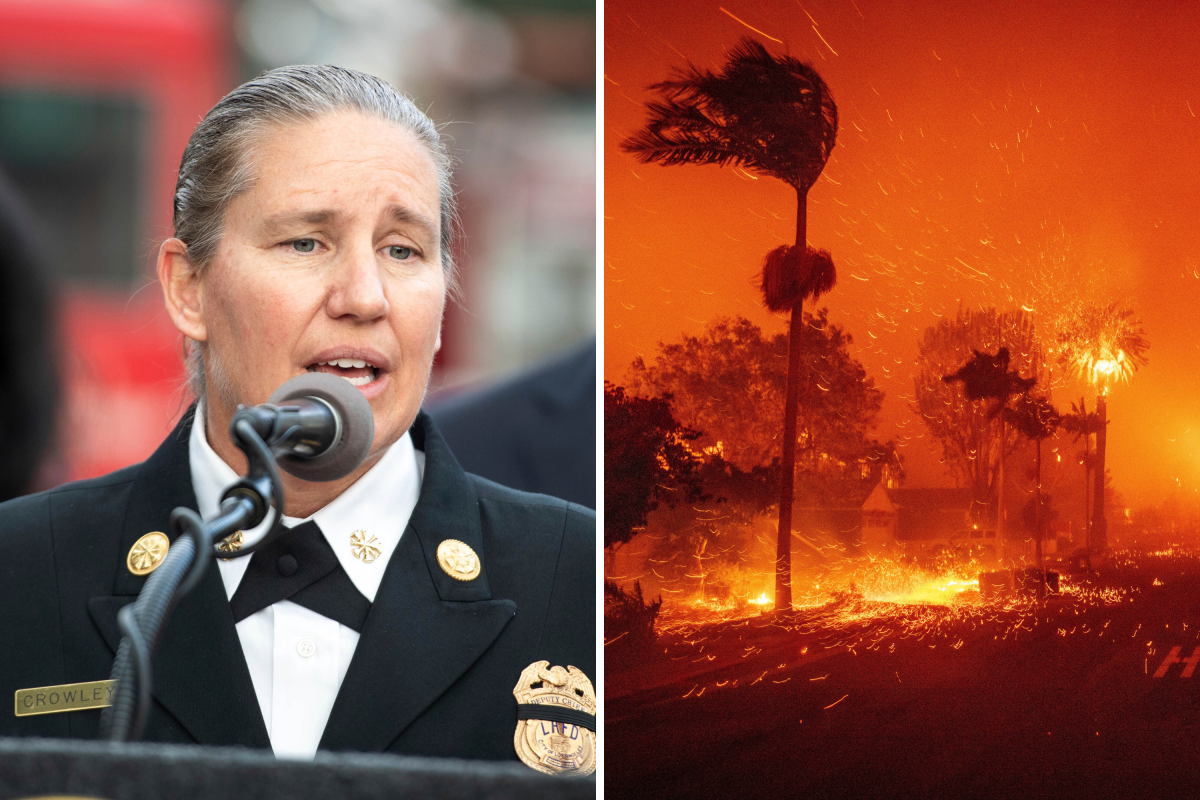
Wildfire Threat Intensifies: LA Fire Chief Warns of Impending Disaster
The Los Angeles area is no stranger to devastating wildfires, but the latest assessment from the city's fire chief paints a dire picture of the region's vulnerability to the growing threat of wildfires. The alarm sounded by the fire chief, in an interview with local media outlets, has sent shockwaves through the community, with residents and visitors alike taking heed of the warning. As the city continues to grapple with the consequences of climate change, it's essential to understand the nature of the threat and what steps can be taken to mitigate its impact.
The Los Angeles metropolitan area is characterized by a unique combination of geography and climate, which creates a tinderbox-like environment that's ripe for wildfires. The region's sprawling development, hot and dry conditions, and proximity to hills and mountains make it an ideal breeding ground for fires. According to the National Interagency Coordination Center, California has experienced some of the most significant wildfires in recent history, with the devastating 2018 Camp Fire in Butte County still fresh in the minds of many.
However, the LA Fire Chief's warning about the biggest wildfire threat yet should not be taken lightly. The chief's assessment is based on a combination of factors, including increased fuel loads, lightning strikes, and changing weather patterns. While the cause of the growing threat is multifaceted, it's clear that the region's inhabitants must take immediate action to prepare for the worst.
Understanding the Threat
Factors Contributing to the Growing Wildfire Threat
Several factors are contributing to the increasing danger posed by wildfires in the LA area. Some of the key factors include:
- Increasing fuel loads: As trees and vegetation dry out, they become increasingly flammable, creating a larger fuel load that can feed a fire for miles.
- Lightning strikes: The increase in lightning strikes in the region has led to an uptick in wildfires, as these strikes can spark fires in dry conditions.
- Changing weather patterns: Warmer temperatures and changing precipitation patterns are creating conditions that are ripe for wildfires.
- Human activity: Human activity, such as arson and accidental ignition, is also a significant contributor to the growing threat.
The Consequences of Wildfires
The consequences of wildfires can be devastating, both for the environment and for human populations. Some of the key consequences include:
- Property damage: Wildfires can cause significant damage to homes, businesses, and infrastructure, leading to costly repairs and displacement.
- Loss of life: Wildfires can be deadly, with many lives lost each year due to the spread of fires.
- Environmental damage: Wildfires can have a lasting impact on the environment, leading to long-term damage to ecosystems and biodiversity.
- Economic impact: Wildfires can have a significant economic impact, with many businesses forced to close due to smoke and ash.
Preparing for the Worst
While the threat of wildfires is real, there are steps that can be taken to prepare for the worst. Some of the key steps include:
- Creating a defensible space: Homeowners can create a defensible space around their properties by clearing flammable vegetation and debris.
- Using fire-resistant materials: Homeowners can use fire-resistant materials, such as stone and metal, to build their homes and outbuildings.
- Having a fire evacuation plan: Homeowners should have a fire evacuation plan in place, including a meeting point and a way to communicate with loved ones.
- Staying informed: Residents should stay informed about local fire danger and follow evacuation orders if necessary.
Taking Action
Community Efforts
While individual action is essential, community efforts can also make a significant difference in mitigating the impact of wildfires. Some community efforts include:
- Wildfire prevention and education: Community groups can organize wildfire prevention and education programs, including workshops and door-to-door outreach.
- Firefighting services: Community groups can support firefighting services, including purchasing equipment and providing personnel.
- Relief efforts: Community groups can provide relief efforts, including providing food, shelter, and medical care to those affected by wildfires.
Government Response
While community efforts are crucial, government response is also essential in mitigating the impact of wildfires. Some government efforts include:
- Creating fire prevention programs: Governments can create fire prevention programs, including installing fire breaks and conducting regular burns.
- Providing emergency services: Governments can provide emergency services, including firefighting personnel and equipment.
- Offering relief assistance: Governments can offer relief assistance, including providing financial assistance and providing medical care.
Conclusion
The LA Fire Chief's warning about the biggest wildfire threat yet should not be taken lightly. The region's inhabitants must take immediate action to prepare for the worst. By understanding the threat, preparing for the worst, and taking action, we can mitigate the impact of wildfires and protect our communities.
Recent Post
Unlocking The Secrets Of Menopause: Expert Insights On Navigating Life After 40 With Paolo Tantoco
Tensions Rise As Trump Officials Defend Tariffs Amid Market Volatility And Warnings For Savers And Retirees
Rosie O'Donnell Teases Trump Move, Posts Disruptive Selfie From Abroad
Wings For The Win: Capitals Edge Ducks 7-4 In Thrilling Matchup
Ducks Fall Short: Key Takeaways From Thrilling 7-4 Loss To Capitals
Article Recommendations
- Unveiling The Runway's Edge: Fashion Week's Ultimate Showcase
- Dwayne Wayans: The Multifaceted Genius Behind The Laughter
- Taylor Swift's Incredible Weight Loss Journey: Secrets Revealed