The Lonely Ghost: Unveiling the Darkness of Isolation and Loss
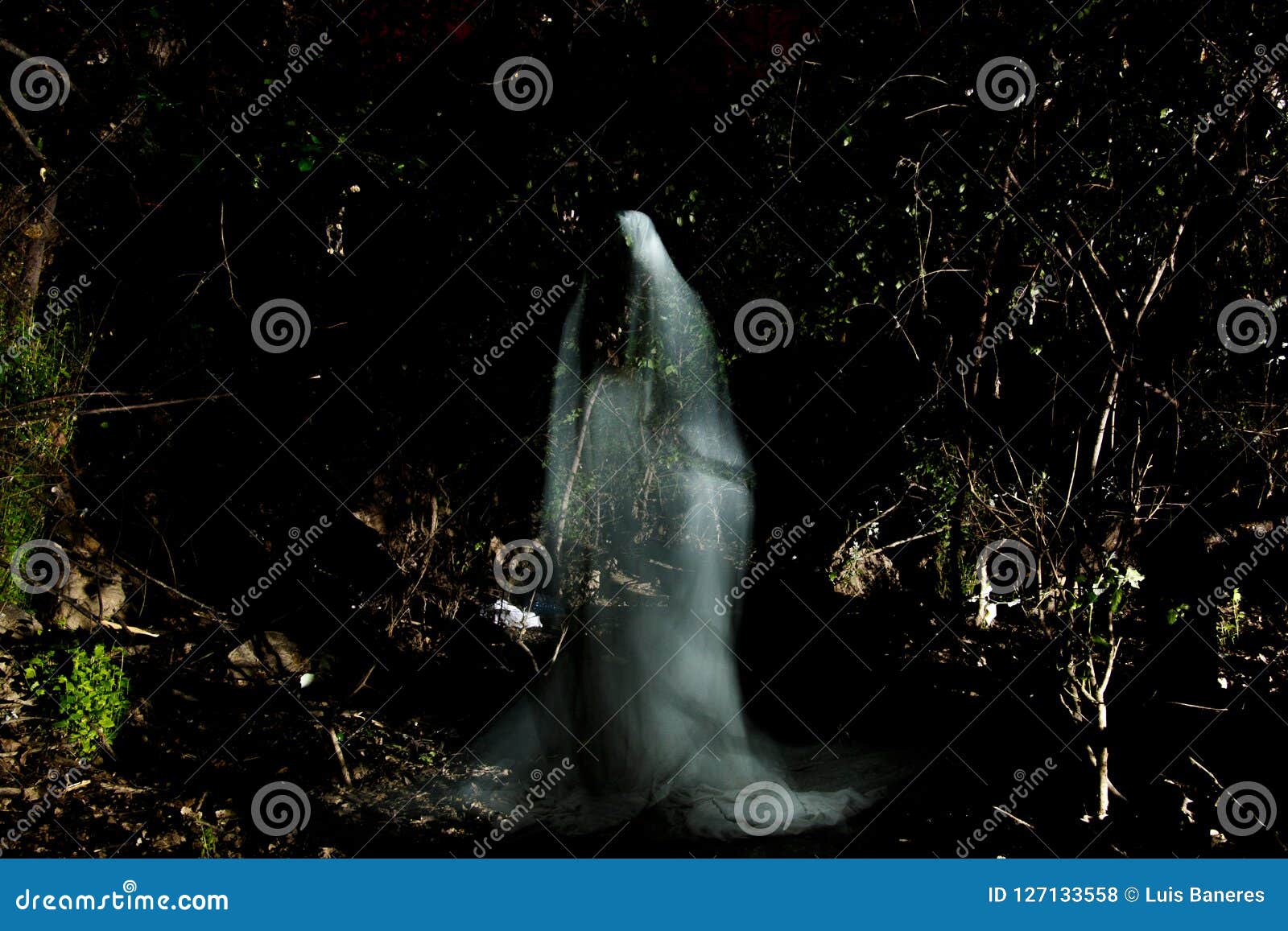
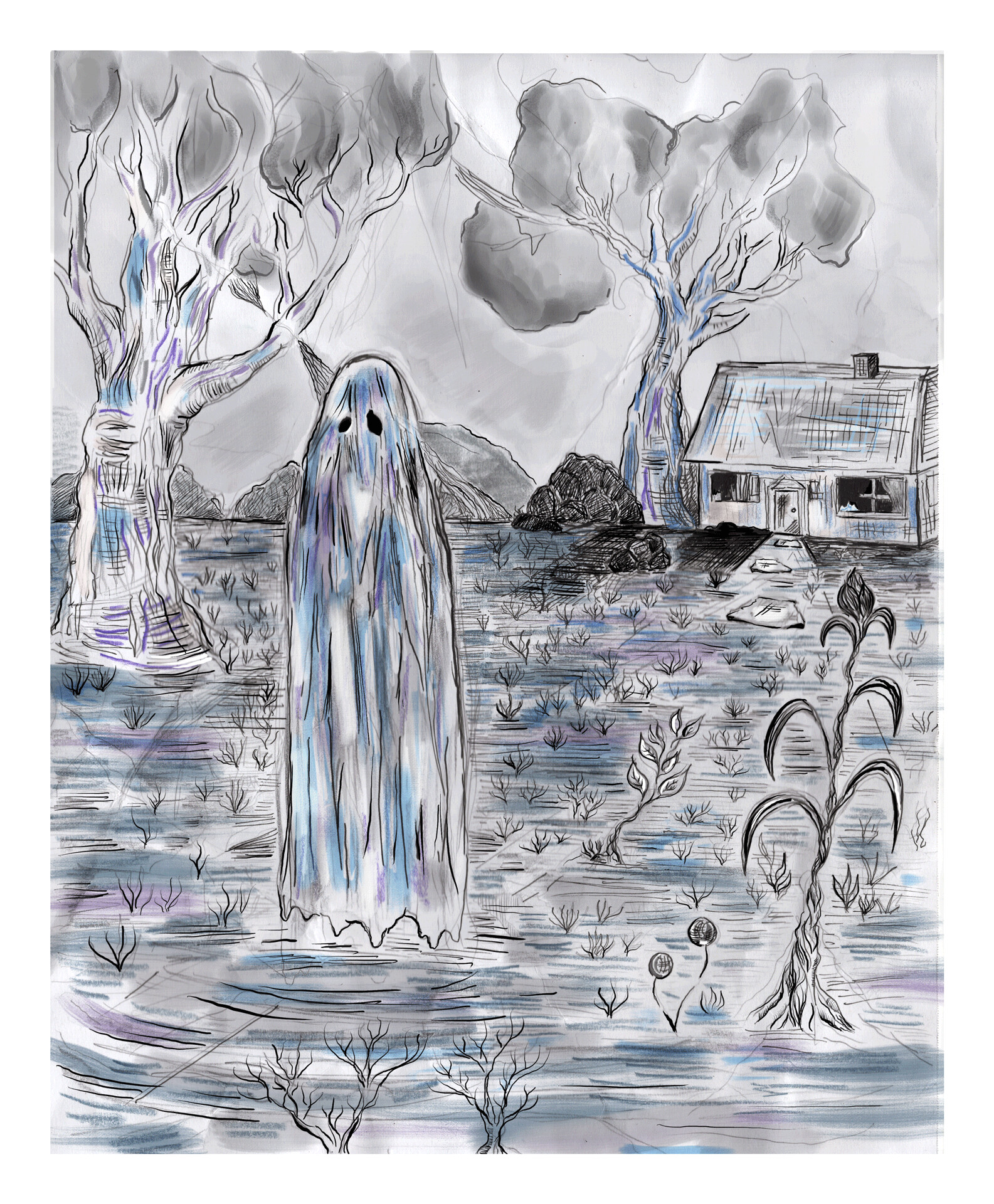
When the lights go out and the darkness closes in, it's easy to imagine the eerie presence of a lonely ghost. This concept has captivated human imagination for centuries, inspiring numerous stories, films, and books. But what lies behind the eerie presence of a lonely ghost? Is it a spirit trapped between worlds, or a representation of our deepest fears and anxieties? In this article, we'll delve into the psychological and cultural roots of the lonely ghost, exploring the themes of isolation and loss that underpin this chilling tale.
The Lonely Ghost: A Symbol of Human Suffering
The concept of the lonely ghost has been present in various cultures and traditions, often serving as a symbol of human suffering and the consequences of isolation. In ancient Greek mythology, the ghost of Sisyphus was doomed to roll a boulder up a hill, only to have it roll back down, illustrating the futility of human endeavor. Similarly, in Japanese folklore, the yurei, or vengeful spirit, is often depicted as a lonely ghost, driven by a desire for revenge against the living.
In modern times, the lonely ghost has become a popular trope in literature and film, often serving as a metaphor for the human experience. In cases like Edgar Allan Poe's "The Tell-Tale Heart," the lonely ghost represents the narrator's own guilt and paranoia, highlighting the destructive power of isolation and the human psyche. Similarly, in films like "The Others" and "The Orphanage," the lonely ghost serves as a symbol of the protagonist's own emotional isolation, driving them to confront the darkness within.
The Psychological Roots of Loneliness
So, what drives a person to become a lonely ghost? Is it a tragic event, a personal loss, or a psychological trauma? The answer lies in the complexities of the human mind. Research has shown that loneliness can have a profound impact on mental health, contributing to anxiety, depression, and even suicidal thoughts.
When we experience a significant loss or trauma, our brains undergo a series of changes that can lead to feelings of isolation and disconnection. The emotional response to such events can be overwhelming, making it difficult to cope with everyday life. In some cases, this can lead to a state of emotional numbness, making it challenging to form meaningful relationships or connect with others.
The Effects of Social Isolation
Social isolation has become a growing concern in modern society, with many people experiencing feelings of loneliness and disconnection. This can have serious consequences, including:
• Increased risk of depression and anxiety
• Weakened immune system
• Cognitive decline and dementia
• Premature mortality
The Role of Trauma in Loneliness
Trauma can also play a significant role in the development of loneliness. When we experience a traumatic event, our brains undergo a series of changes that can lead to hypervigilance and avoidance behaviors. This can make it challenging to form meaningful relationships or connect with others, leading to feelings of isolation and disconnection.
In cases like post-traumatic stress disorder (PTSD), the traumatic event can be so intense that it becomes difficult to form attachments or trust others. This can lead to a state of emotional numbness, making it challenging to experience emotions or connect with others.
The Intersection of Loneliness and Loss
Loss and loneliness are closely intertwined, often serving as a catalyst for the development of the lonely ghost. When we experience a significant loss, our brains undergo a series of changes that can lead to feelings of isolation and disconnection. This can be particularly true in cases like grief, where the emotional response to loss can be overwhelming.
In some cases, the loss can be so profound that it becomes difficult to cope with everyday life. The grieving process can be prolonged, leading to feelings of loneliness and disconnection. In these cases, the lonely ghost can serve as a symbol of the emotional pain and suffering that accompanies loss.
The Cultural Significance of the Lonely Ghost
The lonely ghost has become a cultural phenomenon, inspiring numerous stories, films, and books. In many cultures, the ghost is seen as a symbol of the afterlife, often serving as a reminder of the transience of human life. In some cases, the ghost is also seen as a harbinger of doom, a warning sign that something is amiss.
The Representation of Loneliness in Media
The lonely ghost has become a popular trope in literature and film, often serving as a metaphor for the human experience. In cases like "The Twilight Zone" and "American Horror Story," the lonely ghost serves as a symbol of the isolation and disconnection that can accompany human suffering.
Conclusion
The lonely ghost is a complex and multifaceted concept, representing the darkest aspects of human suffering. Through its depiction in literature and film, the lonely ghost serves as a reminder of the transience of human life and the destructive power of isolation and loss. By exploring the psychological and cultural roots of the lonely ghost, we can gain a deeper understanding of the human experience and the themes that underpin this chilling tale.
Recent Post
Unlocking The Secrets Of Menopause: Expert Insights On Navigating Life After 40 With Paolo Tantoco
Tensions Rise As Trump Officials Defend Tariffs Amid Market Volatility And Warnings For Savers And Retirees
Rosie O'Donnell Teases Trump Move, Posts Disruptive Selfie From Abroad
Wings For The Win: Capitals Edge Ducks 7-4 In Thrilling Matchup
Ducks Fall Short: Key Takeaways From Thrilling 7-4 Loss To Capitals
Article Recommendations
- Sabrina Carpenter's Body: Unveiling The Star's Weight And Height
- Discover+The+Joy+Of+Gifting%3A+Free+Crochet+Patterns+For+Loving+Aunties
- Unveiling The Notorious B.I.G.: The Life And Legacy Of Rick Ross