Unlocking the Mysteries of Our Celestial Neighbor: The Fascinating World of the Moon
The moon, Earth's sole natural satellite, has captivated human imagination for centuries. From ancient myths to modern-day space exploration, the moon has been a source of fascination and mystery for humans. With its mesmerizing beauty, complex geology, and impact on our daily lives, the moon is more than just a celestial body - it's a gateway to understanding the universe and our place within it. In this article, we'll delve into the mysteries of the moon, exploring its history, science, and cultural significance.
The moon has been a subject of human interest for thousands of years. Ancient civilizations such as the Egyptians, Greeks, and Romans all had their own myths and legends about the moon, often associating it with gods and goddesses. These myths reflect the moon's importance in our lives, from the cycles of nature to the tides of the ocean. As we continue to explore and study the moon, we're beginning to uncover the secrets of its formation, composition, and evolution.
Understanding the Moon's Formation
The moon is thought to have formed around 4.5 billion years ago, not long after the formation of the Earth. One theory is that the moon was created when a massive object collided with our planet, causing debris to be thrown into orbit and eventually coalesce into the moon. This process is known as accretion, and it's still the prevailing theory among scientists today.
The moon's composition is a fascinating subject of study. The moon's surface is composed primarily of silicate rocks, similar to those found on Earth. However, the moon has a distinct chemical signature, with a higher concentration of aluminum and iron than Earth's crust. This is likely due to the moon's smaller size and slower cooling rate, which allowed for different geological processes to occur.
Lunar Geology
The moon's geology is characterized by a complex history of tectonic activity, volcanic eruptions, and impact cratering. The moon's surface is pockmarked with craters, formed by asteroid and comet impacts over billions of years. These craters provide valuable insights into the moon's formation and evolution, with different types of craters indicating different geological processes.
The moon's interior is also of interest, with a partially molten mantle and a solid crust. This unique combination of geological processes has allowed the moon to maintain a relatively stable surface over billions of years.
Impact Cratering
Impact cratering is a major geological process on the moon, with thousands of craters scattered across its surface. These craters can provide valuable information about the moon's geological history, including the types of asteroids and comets that have impacted the moon over time.
The largest impact crater on the moon is the Aitken Basin, with a diameter of over 2,500 kilometers. This massive crater is thought to have been formed by a single asteroid impact, with the impact throwing up debris that eventually coalesced into the moon's crust.
The Moon's Water Content
In recent years, scientists have made several discoveries about the moon's water content. It was found that the moon has significant amounts of water ice in its permanently shadowed craters, which could potentially be used as a resource for future lunar missions.
The moon's water content is thought to have originated from several sources, including:
- Comets and meteorites that have impacted the moon over billions of years
- Solar wind, which contains hydrogen and helium isotopes that have been incorporated into the moon's surface
- Water released from the moon's interior, possibly due to volcanic activity
The discovery of water on the moon has significant implications for future lunar missions, with the potential for using this resource to support human exploration and development.
The Moon's Impact on Earth
The moon has had a profound impact on Earth, with its gravitational pull affecting our planet's tides, oceans, and rotation. The moon's gravitational influence is responsible for:
- Tidal cycles, which cause the rise and fall of the ocean's surface
- Stabilizing Earth's axis, which helps to maintain a relatively constant climate
- Regulating Earth's rotation, which affects the length of our day
The moon's impact on Earth is also reflected in our culture and mythology, with many ancient civilizations associating the moon with fertility, abundance, and spiritual power.
Lunar Cycles and the Tides
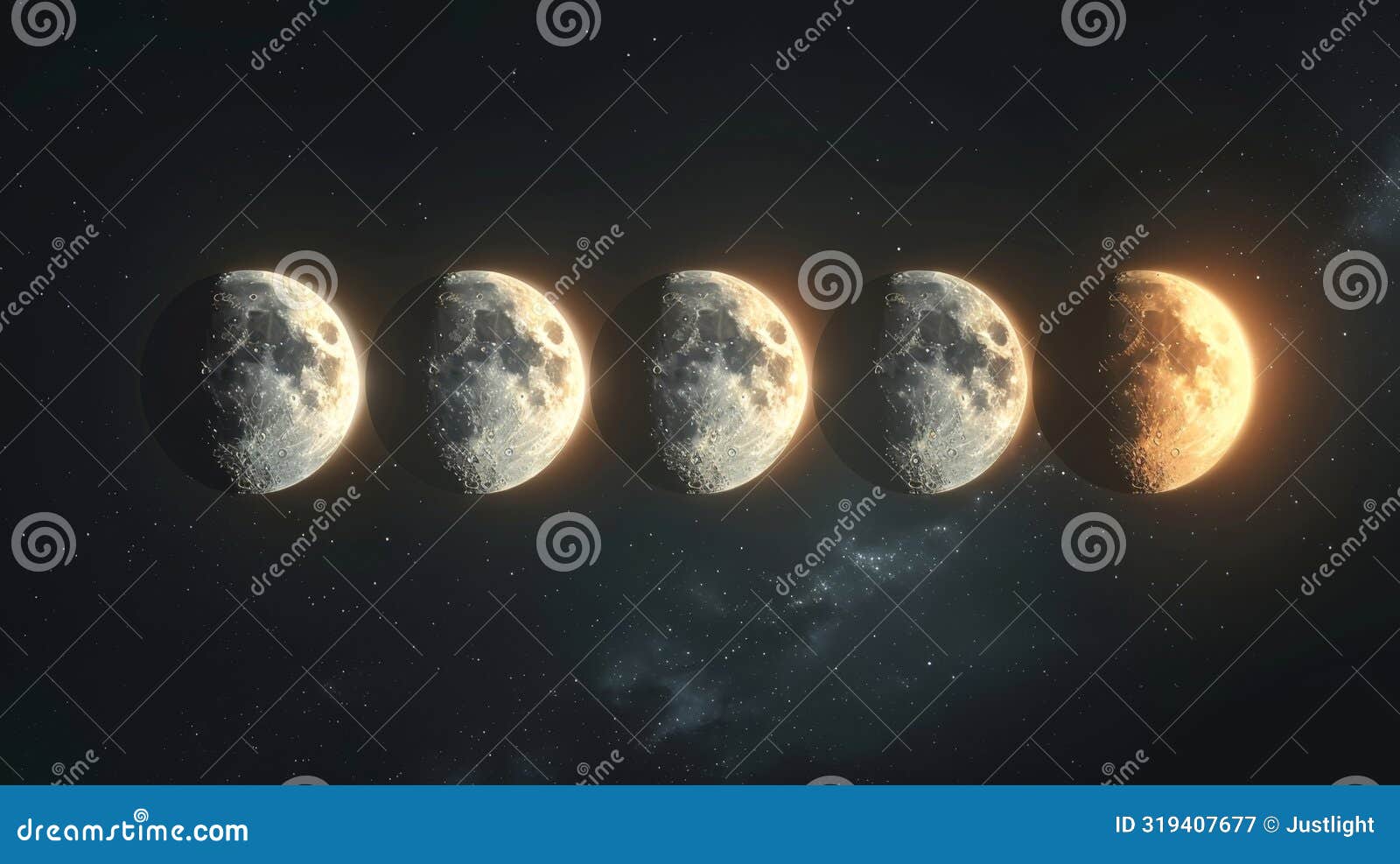
The moon's gravitational pull affects the Earth's oceans, causing the rise and fall of the tides. The moon's cycles, which take approximately 29.5 days to complete, have a significant impact on our planet's climate and ecosystems.
The tides have played a crucial role in shaping our planet's coastlines and marine ecosystems, with many species relying on the tidal cycles to survive.
The Role of the Moon in Weather Patterns
The moon's gravitational pull also affects our planet's weather patterns, with its cycles influencing the movement of high and low-pressure systems. This, in turn, affects the formation of hurricanes, typhoons, and other severe weather events.
The moon's impact on weather patterns is a complex and multifaceted topic, with scientists continuing to study the moon's role in shaping our planet's climate.
Cultural Significance of the Moon
The moon has played a significant role in human culture and mythology, with many ancient civilizations associating it with gods, goddesses, and spiritual power. The moon's beauty and mystique have captivated human imagination, with countless works of art, literature, and music inspired by its splendor.
Lunar Myths and Legends
The moon has been the subject of many myths and legends, each reflecting the cultural and spiritual significance of this celestial body. From ancient Egyptian myths to modern-day science fiction, the moon has been a source of fascination and inspiration.
The moon's role in
Recent Post
Unlocking The Secrets Of Menopause: Expert Insights On Navigating Life After 40 With Paolo Tantoco
Tensions Rise As Trump Officials Defend Tariffs Amid Market Volatility And Warnings For Savers And Retirees
Rosie O'Donnell Teases Trump Move, Posts Disruptive Selfie From Abroad
Wings For The Win: Capitals Edge Ducks 7-4 In Thrilling Matchup
Ducks Fall Short: Key Takeaways From Thrilling 7-4 Loss To Capitals
Article Recommendations
- Unveiling The Secrets Of Hisashi Real Pos: Enhance Your Business Operations
- Karla Homolka's Parents' Unfathomable Forgiveness: A Story Of Redemption And Controversy
- Unveiling The Age Of Katiana Kay: Behind The Curtain Of A Rising Star