Tsunami Disaster: Understanding the Unstoppable Force of Nature
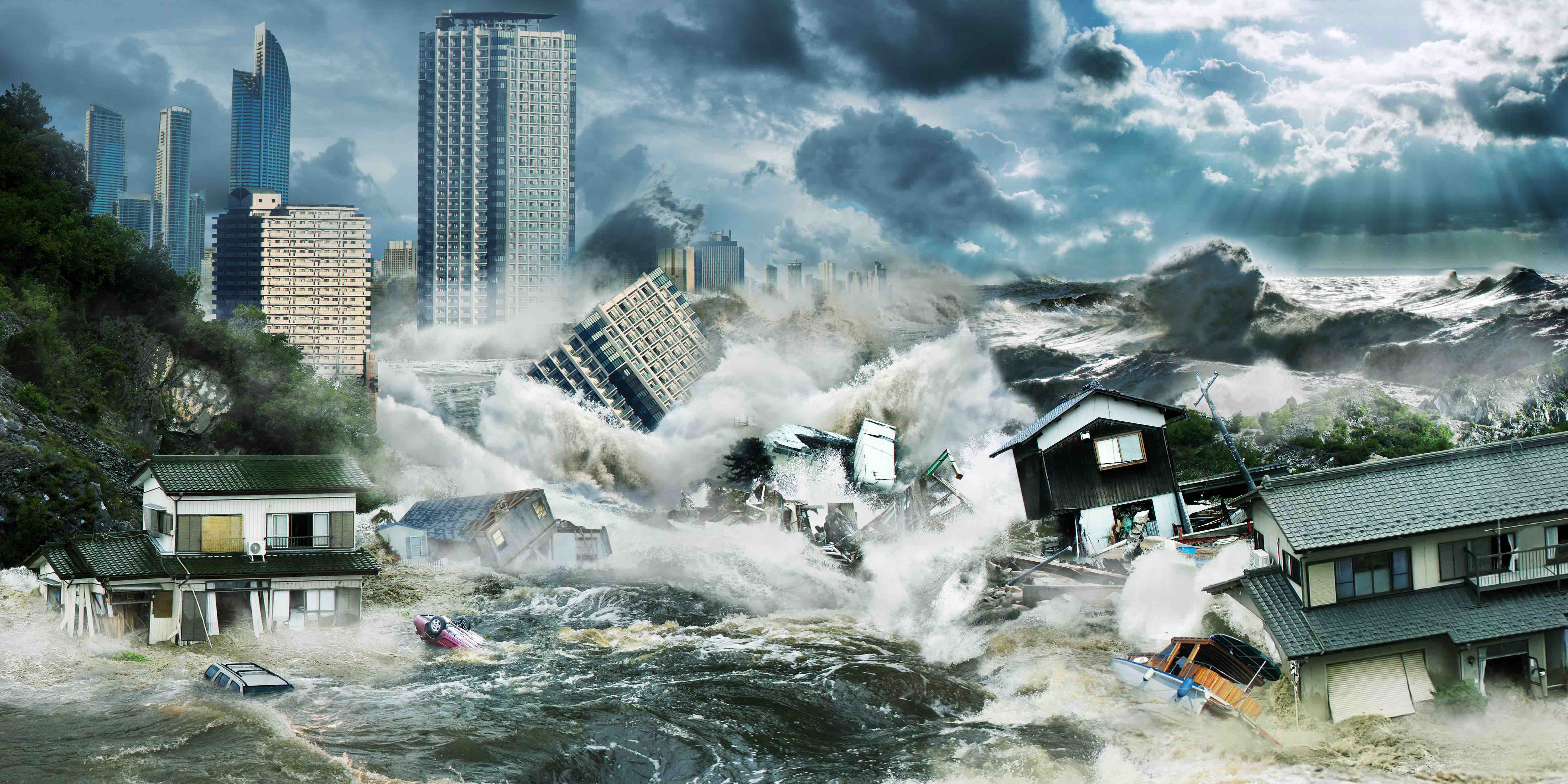
The Indian Ocean Tsunami of 2004 was one of the deadliest natural disasters in recorded history, claiming the lives of over 230,000 people in 14 countries. The devastating impact of this disaster highlighted the importance of understanding and preparing for the unpredictable forces of nature. In this article, we will delve into the world of tsunamis, exploring what they are, how they form, and the devastating effects they can have on communities.
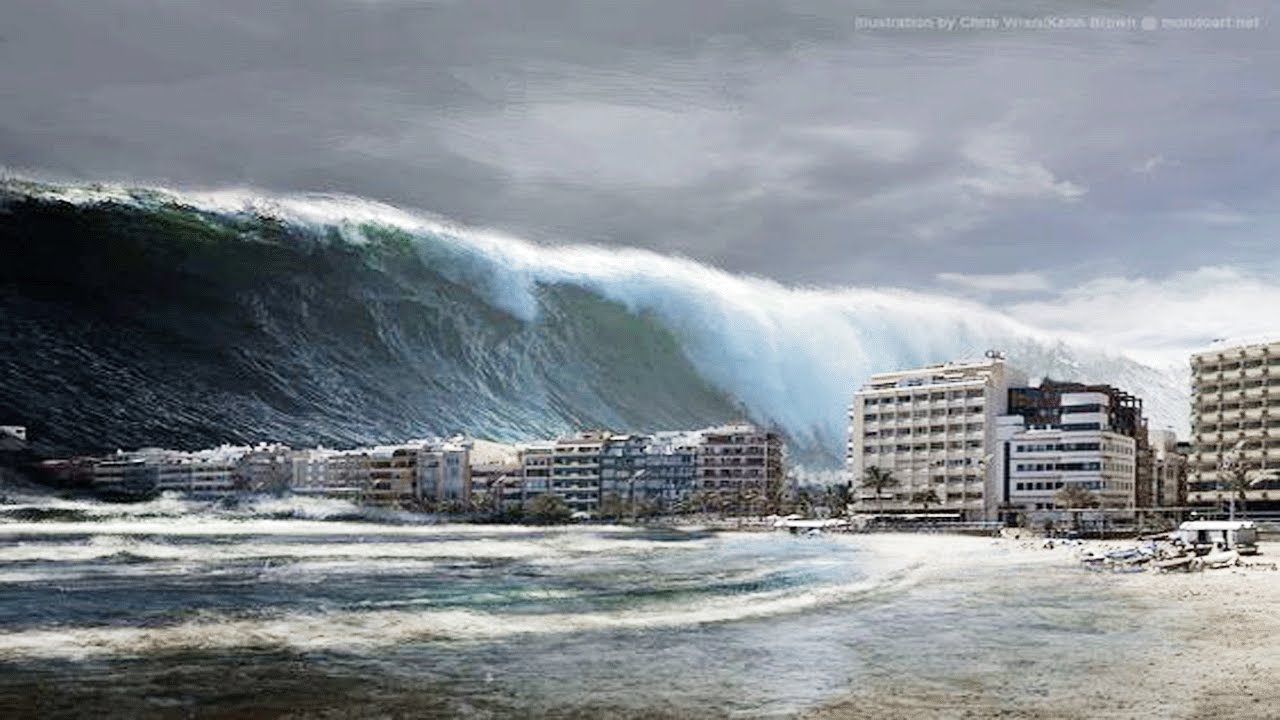
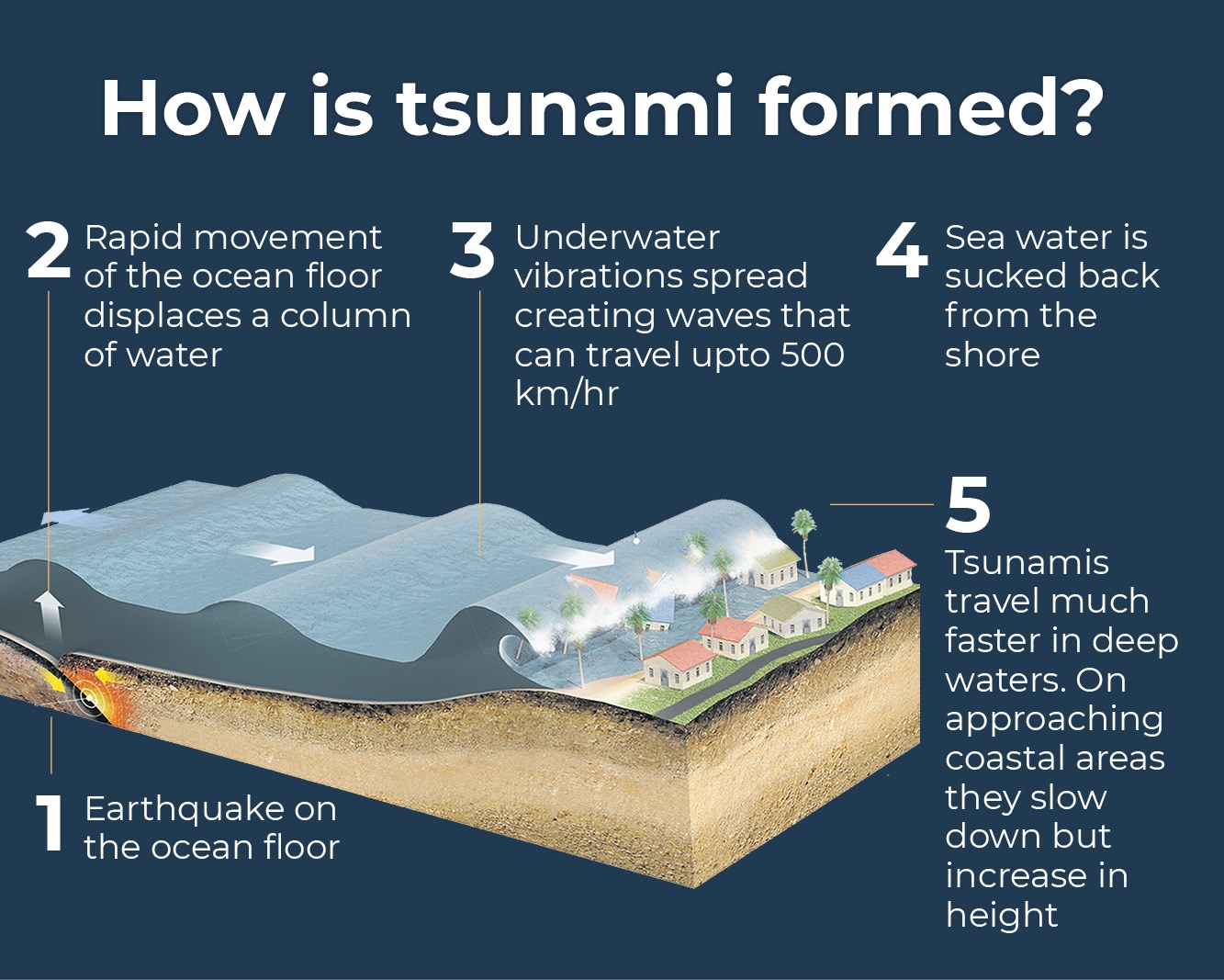
The word "tsunami" comes from the Japanese words "tsu" meaning harbor and "nami" meaning wave. This name accurately describes the massive ocean waves that can be triggered by earthquakes, landslides, or volcanic eruptions. Tsunamis are not traditional ocean waves, but rather a series of waves that can travel at speeds of up to 500 miles per hour, destroying everything in their path. The sheer force and power of a tsunami can be overwhelming, leaving behind a trail of destruction and devastation.
Causes of Tsunamis
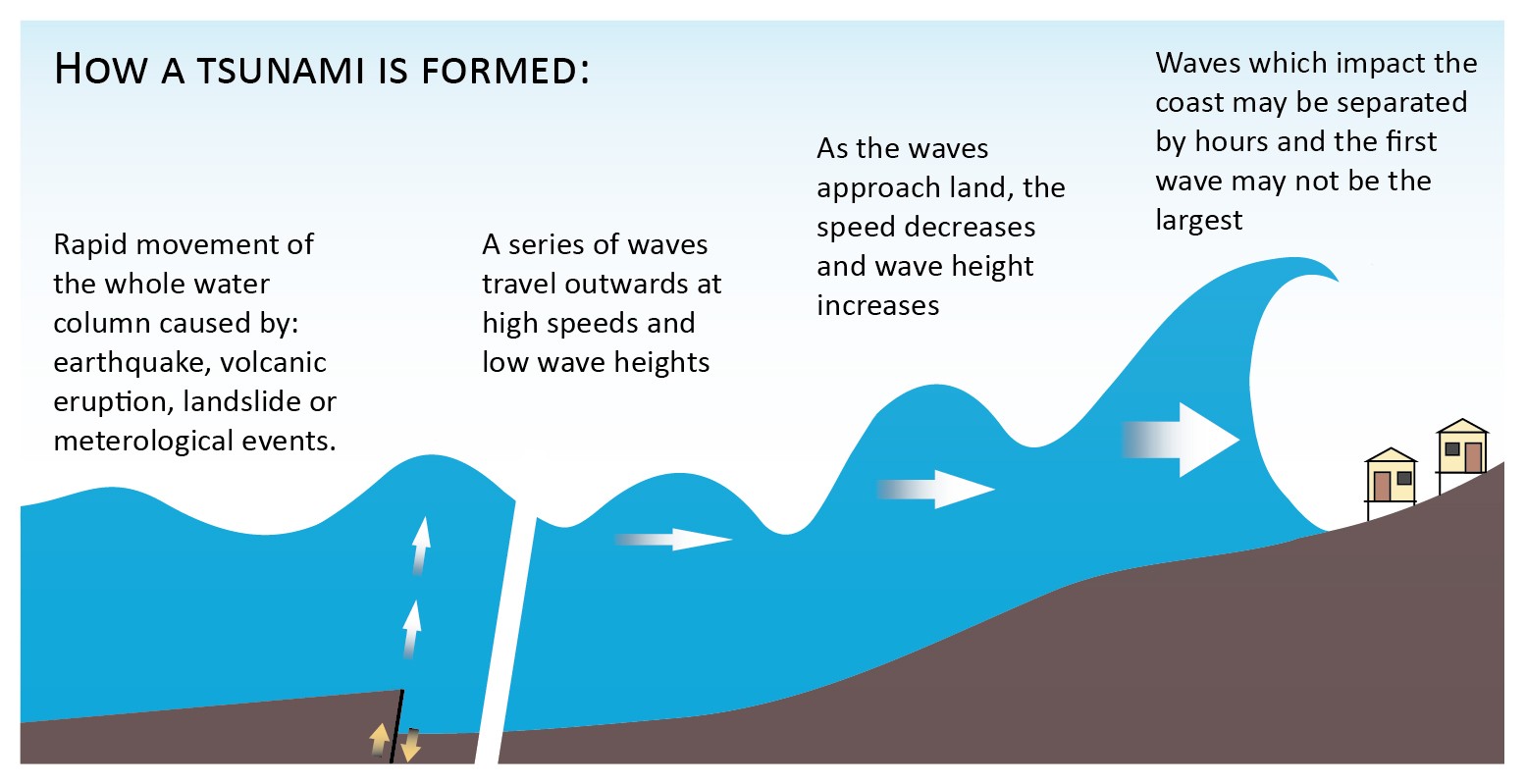
The causes of tsunamis are varied and can be triggered by several natural phenomena. One of the most common causes is earthquakes, particularly those that occur beneath the ocean. When an earthquake occurs, it can displace the water above it, creating a series of waves that can travel at incredible speeds. This displacement can be caused by the movement of tectonic plates, volcanic eruptions, or landslides.
• Landslides are another common cause of tsunamis, particularly in coastal areas where the land meets the sea.
• Volcanic eruptions can also trigger tsunamis, especially when they occur underwater.
• Tsunamis can also be triggered by meteorite impacts or human activities such as mining or construction.
Characteristics of Tsunamis
Tsunamis have several distinct characteristics that set them apart from traditional ocean waves. One of the most notable characteristics is their speed, which can reach speeds of up to 500 miles per hour. This speed allows tsunamis to travel long distances without losing much energy, making them even more devastating.
Height and Impact
The height of a tsunami can vary greatly, from just a few feet to over 100 feet. The impact of a tsunami is not just measured by its height, but also by its speed and the distance it travels. The farther a tsunami travels, the more destructive it can be.
Warning Signs
Warning signs of a tsunami can be subtle, making it difficult for people to detect the impending disaster. Some common warning signs include:
- A sudden withdrawal of the sea, revealing large amounts of ocean floor
- A sudden rise in the sea level, often accompanied by a loud roar
- A sudden change in the ocean's color or clarity
- A sudden increase in ocean waves or ripples
History of Tsunami Disasters
Tsunamis have been a threat to coastal communities for centuries, with some of the most devastating disasters in recorded history occurring in the 19th and 20th centuries. Some notable examples include:
- The 2004 Indian Ocean Tsunami, which claimed the lives of over 230,000 people
- The 1952 Kamchatka Tsunami, which killed over 2,300 people in the Soviet Union
- The 1960 Chilean Tsunami, which triggered tsunamis in several countries, including Hawaii and Japan
- The 1908 Messina earthquake, which triggered a tsunami that destroyed much of the city of Messina in Italy
Tsunami Disasters by Country
Some of the countries most affected by tsunamis include:
- Indonesia: Known for its over 17,000 islands, Indonesia is prone to tsunamis due to its unique geography.
- Japan: Located in the Pacific Ring of Fire, Japan is at high risk of tsunamis due to its proximity to several active volcanoes and tectonic plate boundaries.
- Philippines: With over 7,000 islands, the Philippines is prone to tsunamis due to its location in the Pacific Ocean.
- Thailand: The 2004 Indian Ocean Tsunami affected several countries in Southeast Asia, including Thailand, where over 5,000 people lost their lives.
Preparing for Tsunamis
While tsunamis can be unpredictable, there are steps that communities can take to prepare for these disasters. Some of the most effective ways to prepare for tsunamis include:
- Creating tsunami evacuation routes and drills
- Establishing early warning systems, including sirens and cell phone alerts
- Conducting regular tsunami drills and training exercises
- Building tsunami-resistant buildings and infrastructure
Community Preparedness
Some of the ways that communities can prepare for tsunamis include:
- Creating tsunami evacuation plans and drills
- Conducting regular tsunami drills and training exercises
- Building tsunami-resistant buildings and infrastructure
- Establishing early warning systems, including sirens and cell phone alerts
Conclusion
Tsunamis are a powerful and unpredictable force of nature, capable of causing devastating damage to coastal communities. By understanding the causes, characteristics, and history of tsunamis, we can better prepare for these disasters and reduce the impact on communities. Whether it's through evacuation routes, early warning systems, or building tsunami-resistant infrastructure, there are steps that can be taken to mitigate the effects of tsunamis. By working together, we can reduce the risk of tsunami disasters and protect the lives and livelihoods of coastal communities around the world.
Recent Post
Unlocking The Secrets Of Menopause: Expert Insights On Navigating Life After 40 With Paolo Tantoco
Tensions Rise As Trump Officials Defend Tariffs Amid Market Volatility And Warnings For Savers And Retirees
Rosie O'Donnell Teases Trump Move, Posts Disruptive Selfie From Abroad
Wings For The Win: Capitals Edge Ducks 7-4 In Thrilling Matchup
Ducks Fall Short: Key Takeaways From Thrilling 7-4 Loss To Capitals
Article Recommendations
- Uday Chopra: Bollywood's Beloved Star And Former Assistant Director
- Shocking Crime: Unraveling The Mysterious Case Of Karlan And Connieenio Crimecene Pos
- Unveiling The Enigmatic Conor Mason Bellamy: A Journey Into The Heart Of A Foreign Correspondent