Japan Earthquake: A Devastating Blow to the Nation and the Path to Recovery
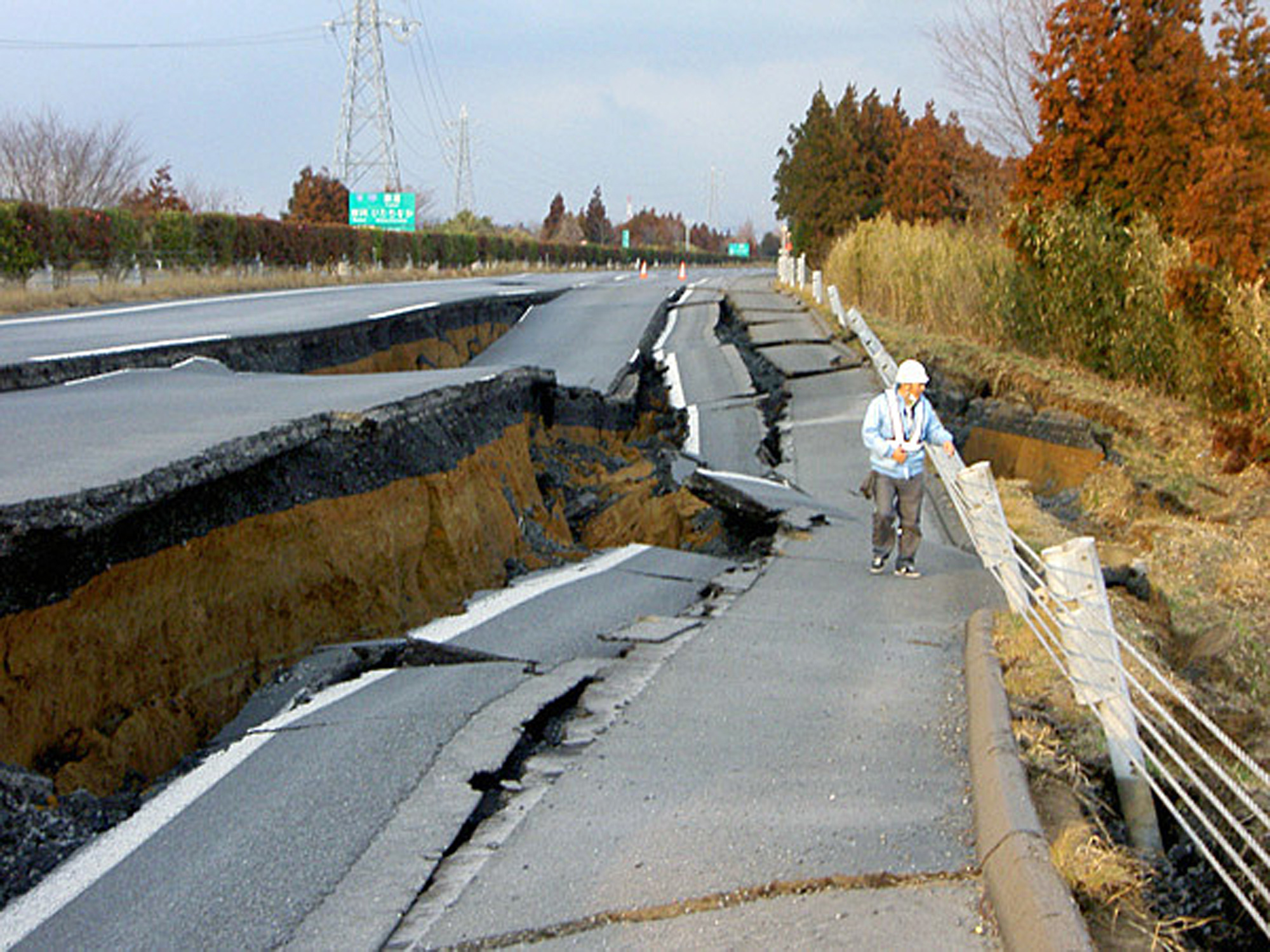
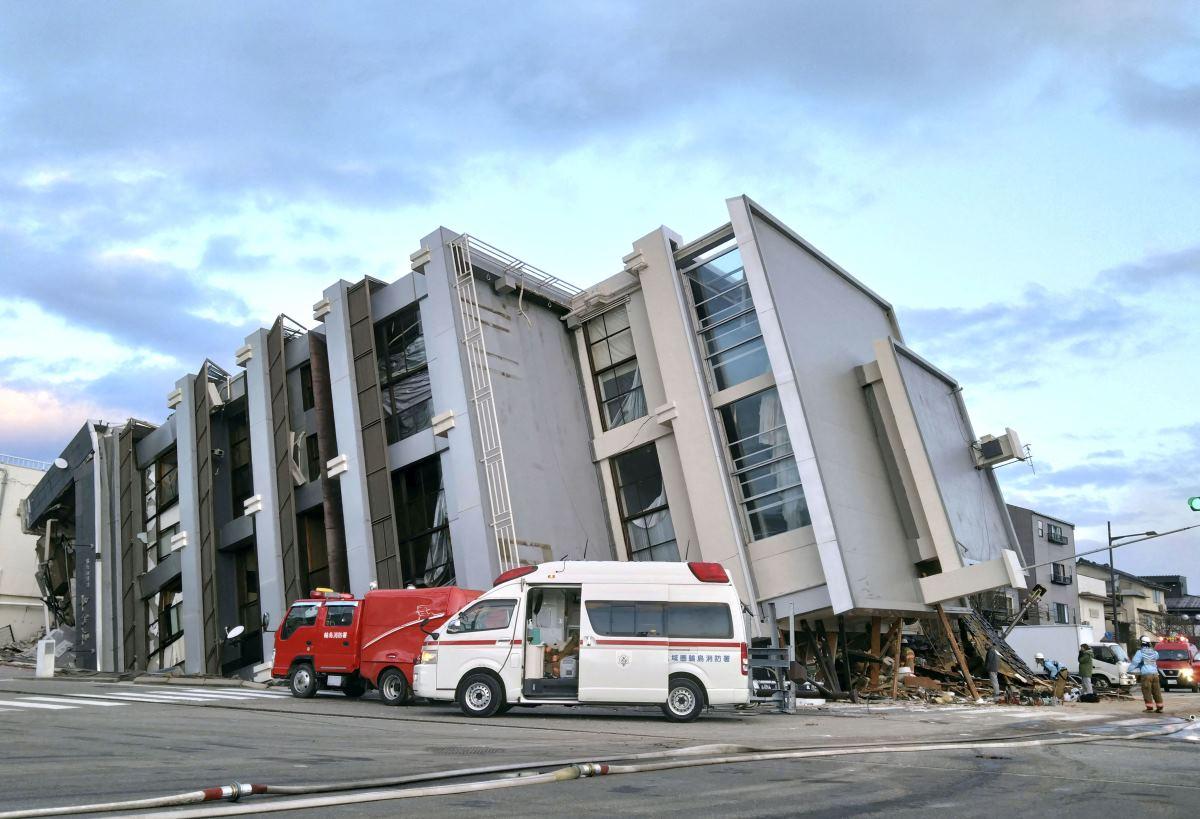
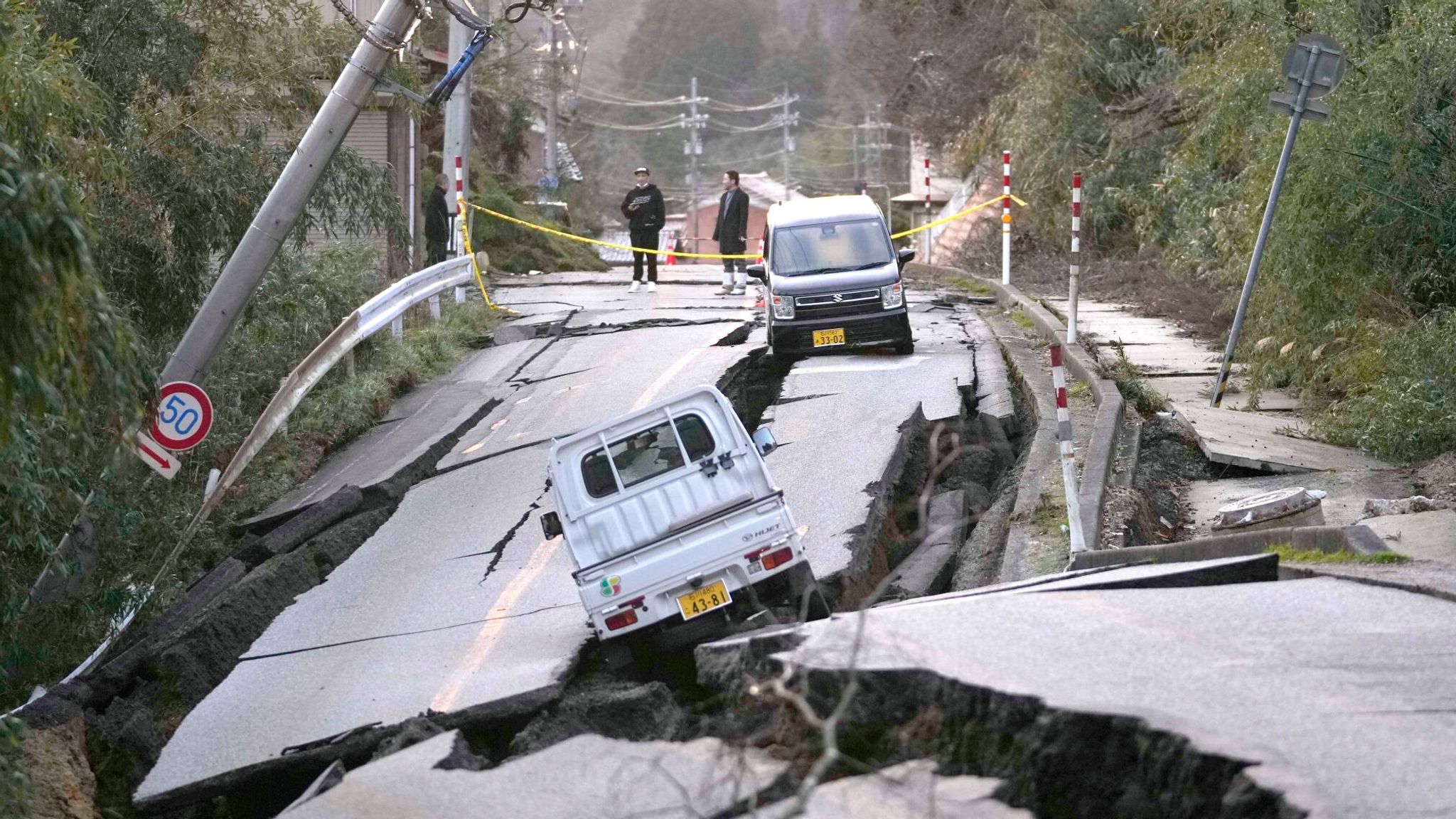
Japan, a country known for its technological advancements and rich culture, was hit by a devastating earthquake in 2011. The 9.0-magnitude quake that struck the eastern coast of the country on March 11th had a profound impact on the nation, causing widespread destruction, loss of life, and a significant economic downturn. The earthquake and its aftermath serve as a stark reminder of the power of nature and the importance of disaster preparedness and resilience.
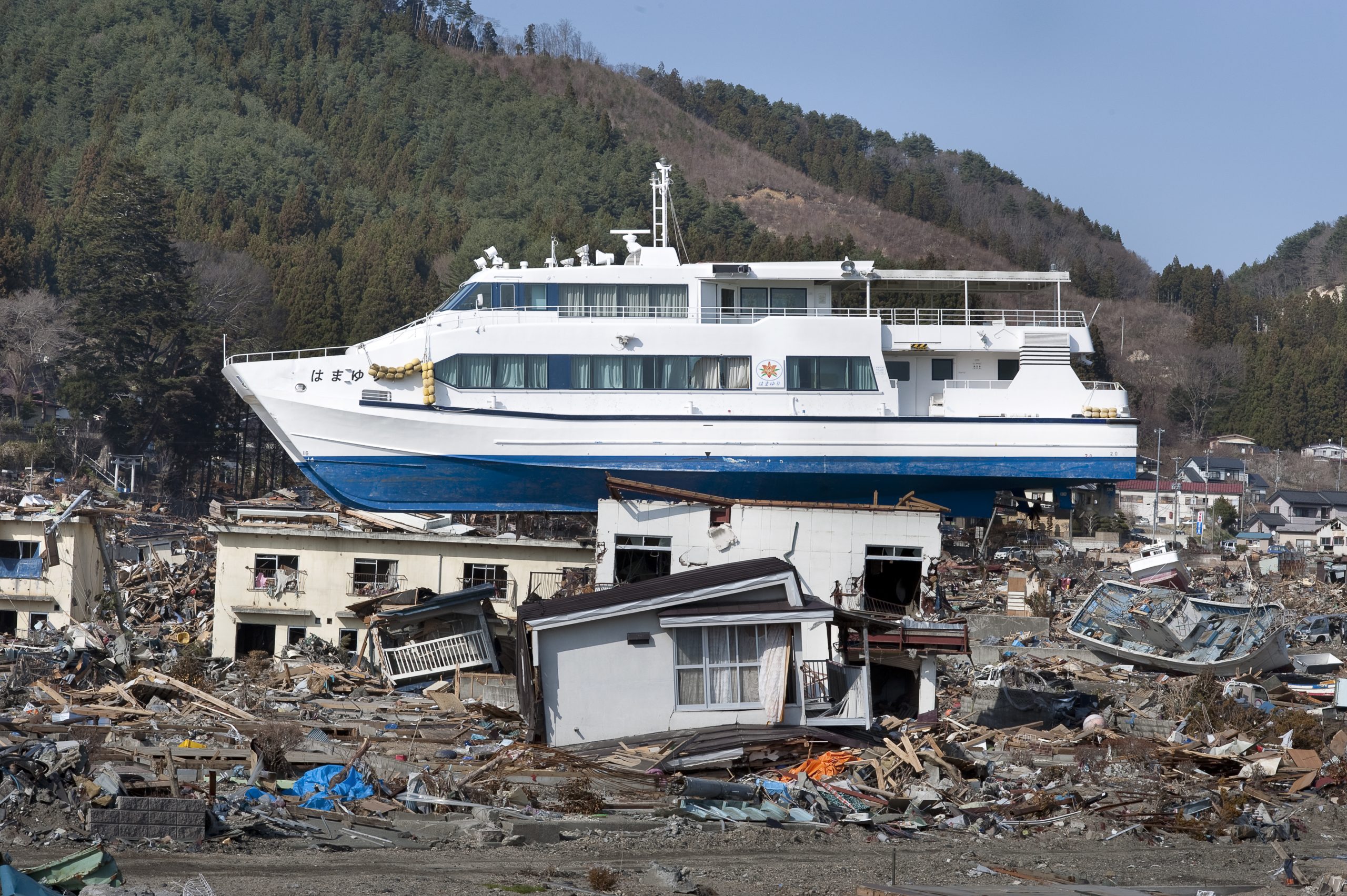
The earthquake was followed by a devastating tsunami that affected several prefectures, including Miyagi, Iwate, and Fukushima. The tsunami waves reached as high as 34 meters in some areas, causing widespread flooding and damage to coastal communities. The disaster resulted in the loss of over 15,000 lives and left thousands more injured or homeless.
Immediate Response and Relief Efforts
In the immediate aftermath of the disaster, the Japanese government and emergency responders sprang into action to provide aid and support to those affected. The response efforts were characterized by efficiency and coordination, with the military, police, and other agencies working together to evacuate survivors and provide medical care.
Some of the key relief efforts included:
- Deployment of military personnel and equipment to affected areas
- Establishment of emergency shelters and food distribution centers
- Provision of medical care and humanitarian aid to those in need
- Activation of the National Response System, which brought together government agencies, NGOs, and private sector organizations to coordinate relief efforts
International Support and Donations
The international community came together to offer support and assistance to Japan in the aftermath of the disaster. Donations poured in from around the world, with governments, NGOs, and individuals contributing to the relief efforts.
Some of the notable international responses included:
- The United States pledged $10 million in emergency assistance
- The European Union provided €20 million in humanitarian aid
- The United Nations mobilized a team of experts to assist in the relief efforts
- Private companies such as Microsoft and Google donated millions of dollars to support relief efforts
Long-term Recovery and Rebuilding
The recovery and rebuilding efforts in Japan were long and arduous, with the government and private sector working together to restore infrastructure, homes, and businesses. The process was slowed by the complexity of the disaster, with many areas still affected by the earthquake and tsunami.
Some of the key challenges faced during the recovery and rebuilding efforts included:
- Insurance and compensation issues, as many buildings and infrastructure were not insured
- Difficulty in accessing affected areas, due to damage to roads and bridges
- Concerns about nuclear safety, following the meltdown at the Fukushima Daiichi nuclear power plant
- Challenges in rebuilding and maintaining the nation's critical infrastructure, including power and water systems
Economic Impact
The earthquake and tsunami had a significant impact on Japan's economy, with estimated losses totaling over $200 billion. The disaster led to a significant decline in economic output, with the GDP contracting by 1.5% in 2011.
Some of the key economic challenges faced by Japan included:
- Decline in consumer spending and investment
- Disruption to supply chains and trade
- Impact on the tourism industry, as many popular destinations were closed or restricted
- Challenges in financing the recovery and rebuilding efforts, with many companies struggling to access credit and insurance
Role of Technology in Recovery and Rebuilding
The earthquake and tsunami highlighted the importance of technology in disaster response and recovery efforts. The Japanese government and private sector leveraged technology to support relief efforts, including:
- Utilizing mobile phones and other communication devices to coordinate relief efforts
- Deploying satellite imagery to assess damage and track relief efforts
- Leveraging social media and other digital platforms to raise awareness and solicit donations
- Implementing advanced sensors and monitoring systems to detect and respond to potential disasters
Smart Cities and Disaster Resilience
The earthquake and tsunami also highlighted the need for Japan to develop and implement smart city strategies that prioritize disaster resilience. The government and private sector are working together to develop and implement advanced technologies, including:
- Advanced building codes and design standards to reduce seismic risk
- Incorporation of disaster risk reduction and management (DRRM) into urban planning
- Development of smart infrastructure, including advanced sensors and monitoring systems
- Implementation of business continuity and disaster recovery plans
Conclusion
The Japan earthquake and tsunami of 2011 was a devastating event that had a profound impact on the nation and its people. The disaster highlighted the importance of disaster preparedness, resilience, and technological innovation in supporting relief efforts and promoting recovery and rebuilding. As Japan continues to recover and rebuild, it serves as a model for other nations in terms of its commitment to disaster resilience and smart city development.
The road to recovery and rebuilding is long and challenging, but with the support of the international community, advanced technologies, and a commitment to disaster resilience, Japan is poised to emerge from this disaster stronger and more resilient than ever.
Future Directions
In the aftermath of the disaster, Japan has taken steps to strengthen its disaster response and recovery efforts, including:
- Developing and implementing advanced technologies, such as advanced sensors and monitoring systems
- Incorporating disaster risk reduction and management (DRRM) into urban planning
- Implementing smart city strategies that prioritize disaster resilience
- Developing and implementing business continuity and disaster recovery plans
These efforts will help Japan to build a more resilient and sustainable future, one that is better equipped to withstand and recover from future disasters.
Potential Lessons Learned
The Japan earthquake and tsunami of 2011 serves as a stark reminder of the importance of disaster preparedness, resilience, and technological innovation in supporting relief efforts and promoting recovery and rebuilding. As Japan continues to recover and rebuild, it is likely that several key lessons will be learned, including:
- The importance of investing in disaster risk reduction and management (DRRM) initiatives
- The
Recent Post
Unlocking The Secrets Of Menopause: Expert Insights On Navigating Life After 40 With Paolo Tantoco
Tensions Rise As Trump Officials Defend Tariffs Amid Market Volatility And Warnings For Savers And Retirees
Rosie O'Donnell Teases Trump Move, Posts Disruptive Selfie From Abroad
Wings For The Win: Capitals Edge Ducks 7-4 In Thrilling Matchup
Ducks Fall Short: Key Takeaways From Thrilling 7-4 Loss To Capitals
Article Recommendations
- Unlock+The+Hidden+Treasures+Of+Twitter%3A+Discover+The+Secret+Side+Of+Social+Media
- Stranger Things: The Epic Return Of Billy Hargrove
- Kaitlyn Kremser: Unlocking The Secrets Of KW Keyword Research Mastery