Capitol Chaos: Unmasking the Truth Behind January 6th
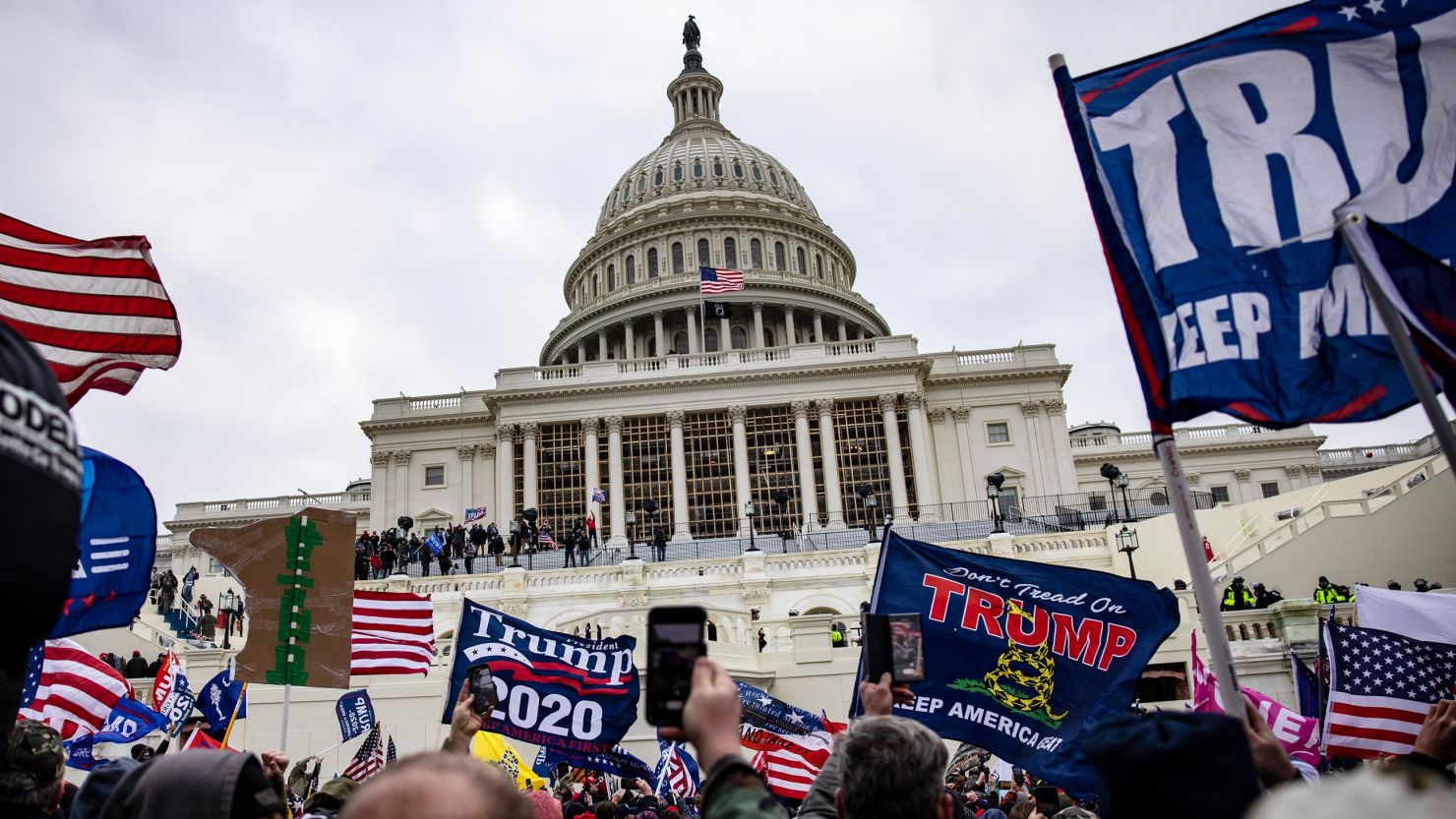
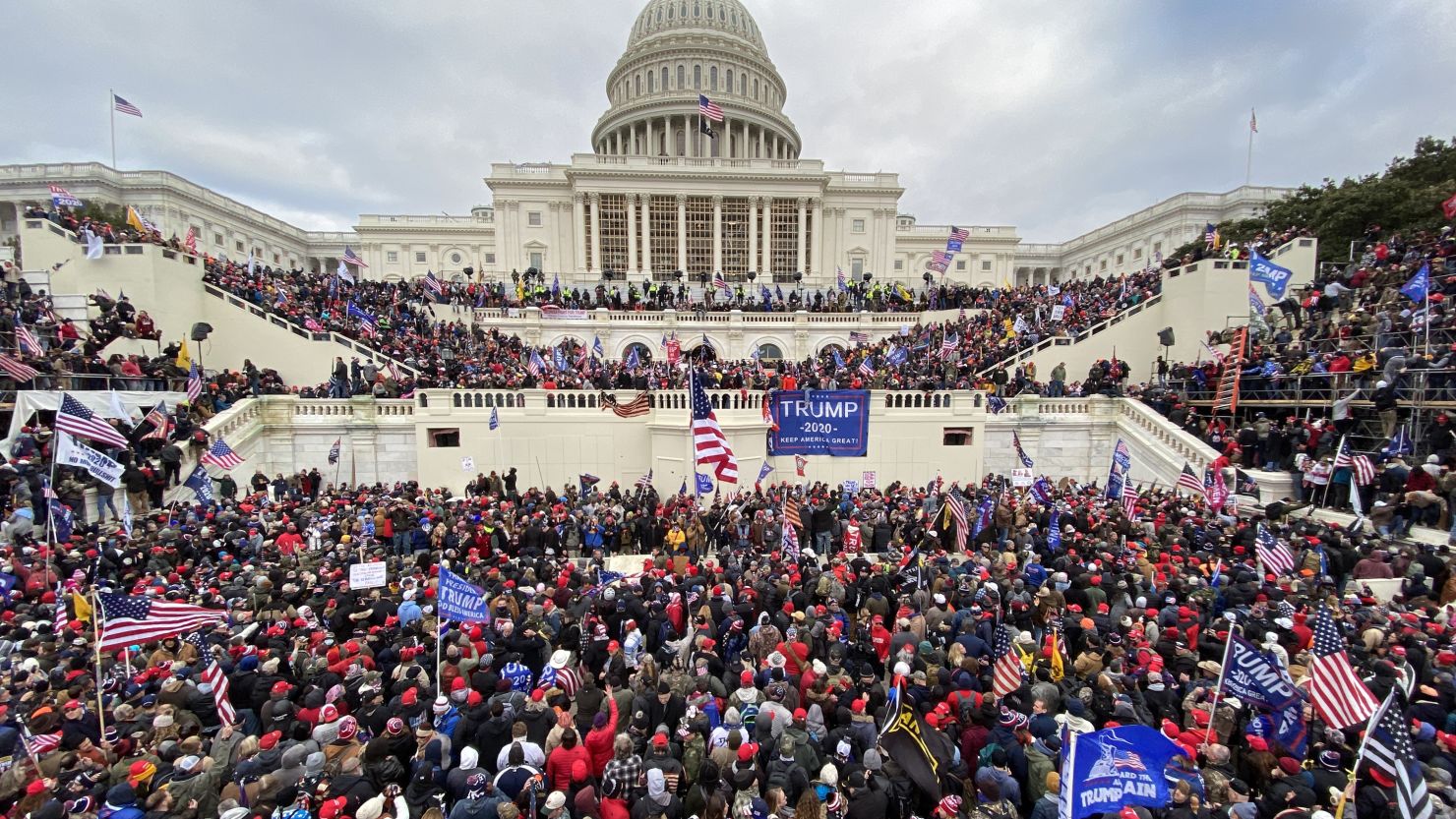
The storming of the United States Capitol on January 6th, 2021, was a pivotal moment in modern American history. The violent breach of the Capitol building by a mob of Trump supporters left five people dead, hundreds injured, and the nation shaken. But behind the chaotic scenes and shocking images, a complex web of events and motivations unfolded. In this article, we'll delve into the truth behind the January 6th insurrection, exploring the roots of the unrest, the key players involved, and the implications of this pivotal moment in American history.
The months leading up to January 6th had been marked by intense polarization and social unrest in the United States. The COVID-19 pandemic had exacerbated existing divisions, and the November 2020 presidential election had left many Trump supporters feeling disenfranchised and angry. The election's outcome, which saw Joe Biden defeat incumbent President Donald Trump, was met with widespread outrage and claims of voter fraud. As these sentiments simmered, a faction of Trump supporters became increasingly fixated on the idea that the election had been stolen from them.
A key factor in the lead-up to January 6th was the role of social media platforms, particularly Twitter, Facebook, and WhatsApp. These platforms had become vital channels for spreading misinformation and conspiracy theories about the election's outcome. QAnon, a far-right conspiracy theory, had also gained significant traction, fueling the paranoia and anger among some Trump supporters. The echo chambers created by these platforms allowed extremist views to spread, further radicalizing an already volatile group of individuals.
Understanding the Trump Movement: A Catalyst for Chaos
Donald Trump's presidency had been marked by controversy and polarization from its outset. The billionaire businessman's divisive rhetoric and actions had alienated many Americans, particularly those from marginalized communities. However, it was his stance on immigration, particularly with regards to the treatment of Central American migrants, that had galvanized a significant portion of his base.
The Trump movement was characterized by a fusion of populism, nationalism, and authoritarianism. The president's willingness to disregard democratic norms and the rule of law had emboldened many of his supporters to take a more extreme stance. The movement's emphasis on white identity and grievances further complicated the dynamics, making it more challenging to discern fact from fiction.
Key Players in the January 6th Insurrection
The storming of the Capitol was carried out by a diverse group of individuals, united by a shared desire to overturn the election results. Some of the key players involved in the insurrection include:
- Donald Trump: The former president's rhetoric and actions had created a sense of urgency and anticipation among his supporters. His claims of a "stolen" election had further radicalized the movement, making it more likely that violent action would ensue.
- Michael Flynn: The former national security advisor's involvement with QAnon and his advocacy for the Trump movement made him a key figure in the insurrection.
- Roger Stone: The longtime Trump ally's presence at the Capitol on January 6th underscored the connections between the president's inner circle and the extremist groups involved.
The Role of Extremist Groups and Militias
Extremist groups and militias played a significant role in the January 6th insurrection. These organizations had been recruiting and radicalizing individuals for months, exploiting their sense of grievance and frustration.
Some notable groups involved in the insurrection include:
- Oath Keepers: A far-right militia group with a history of violence and intimidation.
- Proud Boys: A white supremacist group known for its clashes with anti-fascist activists.
- Boogaloo Bois: A loose network of gun rights activists and militias.
These groups had been involved in previous violent incidents, including the January 6th protests in Washington D.C. and the August 2020 insurrection at the Oregon state capitol.
The Capitol Police's Response to the Insurrection
The Capitol Police's response to the insurrection was widely criticized as inadequate and overly reliant on external resources. The agency's failure to anticipate and prepare for the violence had left the building's security systems vulnerable to breach.
Some key aspects of the Capitol Police's response include:
- Understaffing: The agency was severely understaffed, with many officers on leave or unavailable due to the pandemic.
- Lack of training: The police force had received limited training on responding to extremist violence and insurrections.
- Misinformation and communication breakdowns: The police's communication with the public and other agencies was marred by misinformation and misunderstandings.
Aftermath and Reforms
The aftermath of the January 6th insurrection saw widespread condemnation and calls for reform. The attack on the Capitol had exposed deep-seated weaknesses in the country's democratic institutions and highlighted the need for greater accountability and preparedness.
Some notable reforms implemented in the wake of the insurrection include:
- Increased security measures: The Capitol Police have implemented enhanced security protocols, including the deployment of additional personnel and the establishment of a permanent security presence.
- Improved communication: The agency has improved its communication with the public and other agencies, reducing the risk of misinformation and misunderstandings.
- Increased accountability: There have been calls for greater accountability among Trump supporters and extremist groups involved in the insurrection.
Conclusion
The January 6th insurrection marked a pivotal moment in modern American history, highlighting the deep divisions and social unrest that had been simmering beneath the surface. By understanding the roots of the unrest, the key players involved, and the implications of this pivotal moment, we can begin to build a more inclusive and equitable society.
Recent Post
Unlocking The Secrets Of Menopause: Expert Insights On Navigating Life After 40 With Paolo Tantoco
Tensions Rise As Trump Officials Defend Tariffs Amid Market Volatility And Warnings For Savers And Retirees
Rosie O'Donnell Teases Trump Move, Posts Disruptive Selfie From Abroad
Wings For The Win: Capitals Edge Ducks 7-4 In Thrilling Matchup
Ducks Fall Short: Key Takeaways From Thrilling 7-4 Loss To Capitals
Article Recommendations
- Celebrity Chef Ingrid Harbaugh's Culinary Journey: From Michelin Stars To Global Acclaim
- Unveiling The Mystery: Meet The Wife Of Renowned Actor Isavid Muir
- Meet Charly Arnolt's Husband: Unraveling The Personal Life Of The Top Real Estate Agent