Unraveling the Complexity: Understanding the Israel-Hamas Relationship
The Israel-Hamas conflict has been a longstanding and contentious issue in the Middle East, with its roots dating back to the late 19th century. The relationship between the two parties has been marked by periods of intense violence, diplomatic efforts, and a complex web of historical, cultural, and political factors. To comprehend the intricacies of this relationship, it is essential to delve into the history, context, and current dynamics that shape the interactions between Israel and Hamas.
The Israel-Hamas conflict has its roots in the late 19th century, when Zionism, a Jewish nationalist movement, emerged as a response to centuries of persecution and marginalization. The first Zionist Congress, held in Basel, Switzerland in 1897, laid the foundation for the creation of a Jewish homeland in Palestine, then under Ottoman rule. Following World War I, the British took control of Palestine and, in 1917, issued the Balfour Declaration, which expressed support for the establishment of a Jewish national home in the region.
In the mid-20th century, the Israeli government began to implement policies aimed at Jewish immigration and land acquisition, leading to the displacement of hundreds of thousands of Palestinians, known as the Nakba or "catastrophe" in Arabic. This displacement, combined with the refusal of the international community to recognize a Palestinian state, fueled a sense of resentment and resistance among the Palestinian population.
Understanding Hamas's Origins
Hamas, an acronym for Harakat al-Muqawama al-Islamiyya (Islamic Resistance Movement), emerged in the late 1980s as a Palestinian Islamist organization. Founded by Sheikh Ahmed Yassin, a charismatic leader and cleric, Hamas began as a social welfare organization but soon evolved into a militant group dedicated to resisting Israeli occupation and promoting Palestinian self-determination.
Hamas's ideology is rooted in Islamic fundamentalism and Palestinian nationalism, with a strong emphasis on the need for armed resistance against Israeli occupation. The organization's charter, published in 1988, calls for the destruction of Israel and the establishment of an Islamic state in its place.
Hamas's Military Wing
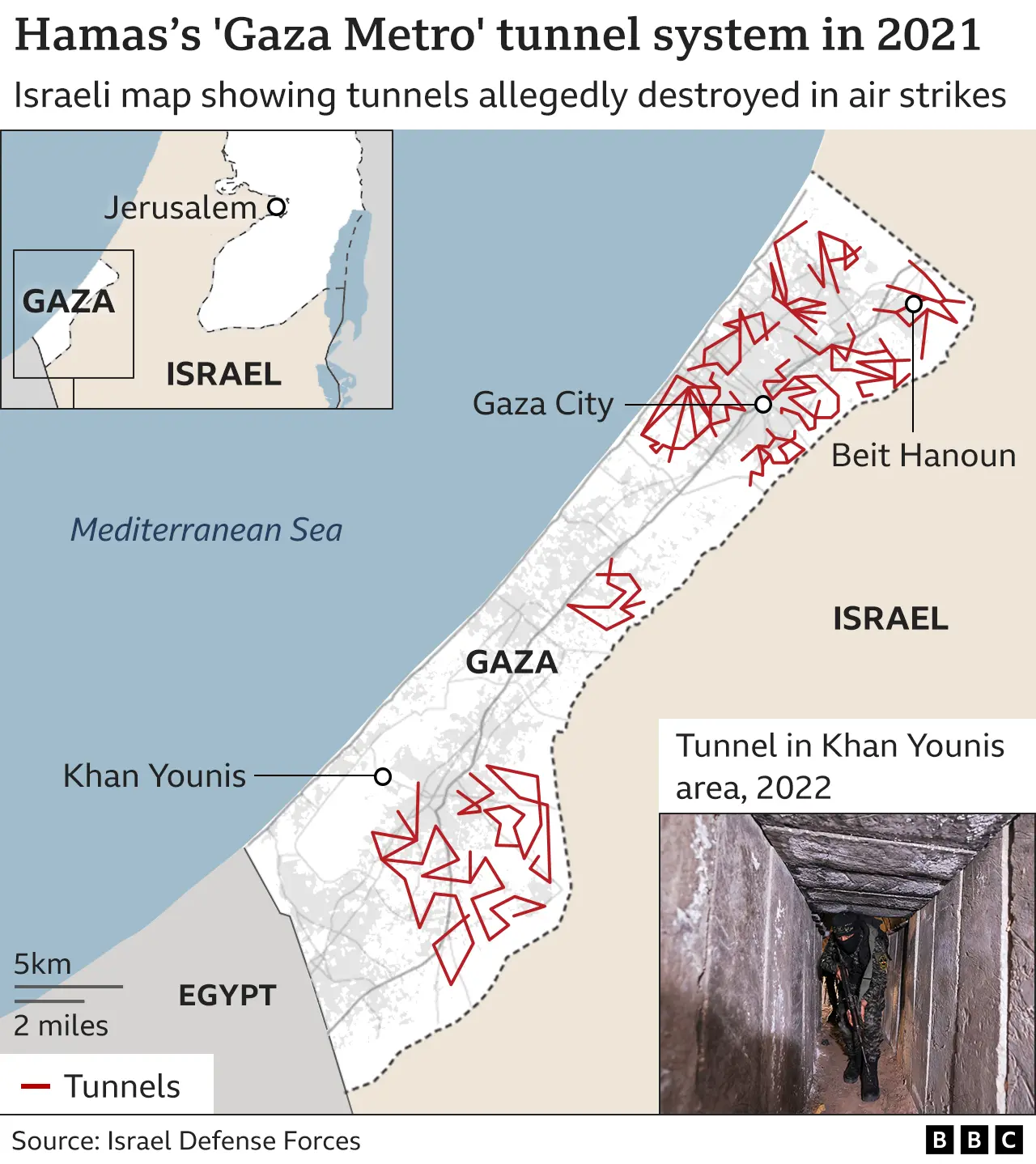
Hamas's military wing, known as the Izz ad-Din al-Qassam Brigades, has been responsible for numerous attacks against Israeli civilians and military personnel. The group's military strategy has shifted over the years, from a focus on armed resistance to a more nuanced approach that includes rocket attacks, tunnel construction, and other forms of asymmetric warfare.
Hamas's Social Welfare Efforts
In addition to its military activities, Hamas has also invested heavily in social welfare programs, including education, healthcare, and economic development initiatives. These efforts have helped the organization to build a significant following among Palestinian civilians, particularly in the Gaza Strip.
The Israeli Perspective
From the Israeli perspective, Hamas is viewed as a terrorist organization that poses a significant threat to national security. The Israeli government has repeatedly described Hamas as a "terrorist entity" and has taken steps to limit the group's ability to operate in Gaza, including the construction of a perimeter fence and the implementation of a naval blockade.
Israeli Military Operations
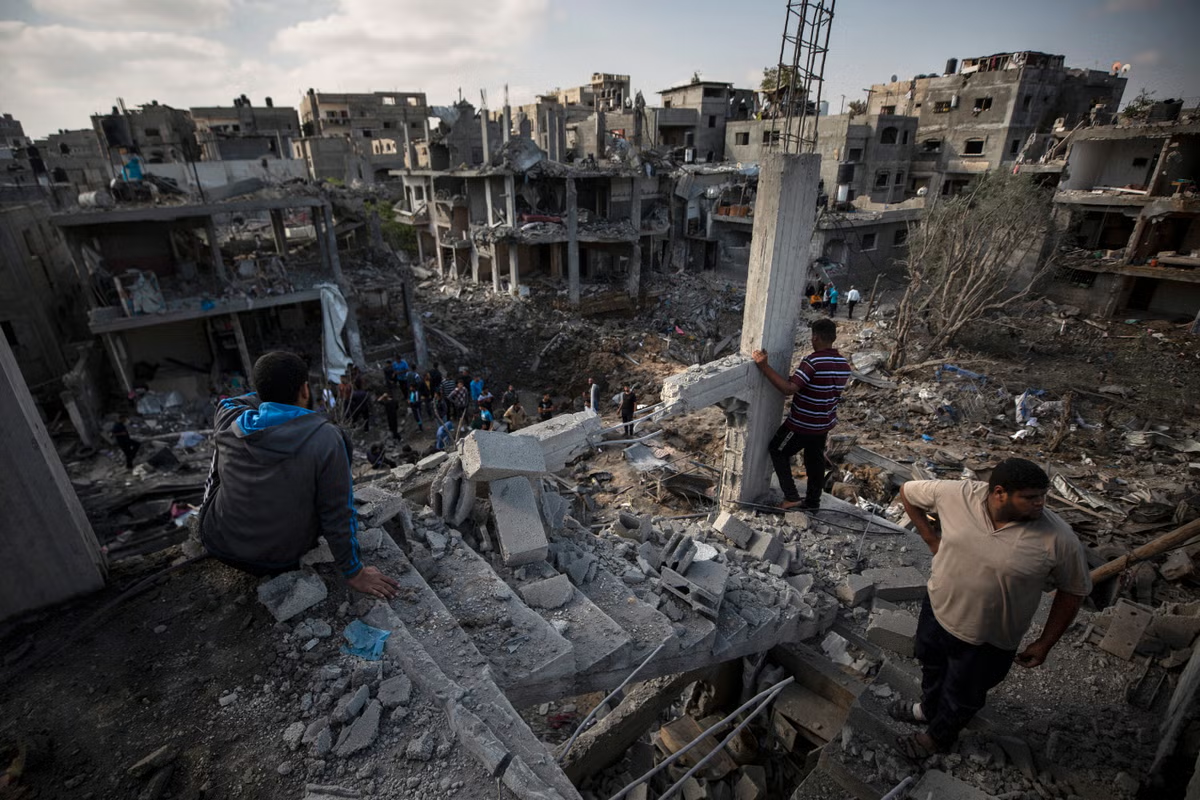
The Israeli military has conducted numerous operations against Hamas in Gaza, including airstrikes, artillery bombardments, and ground incursions. These operations have resulted in significant damage to infrastructure and loss of life, leading to widespread criticism from the international community.
Israeli-Palestinian Negotiations
Despite the violence and tensions, Israel and Hamas have engaged in diplomatic efforts aimed at promoting a lasting peace agreement. In 2011, the two sides signed a temporary cease-fire, which was later renewed in 2014. However, negotiations have stalled, and the conflict remains unresolved.
The Current Situation
The current situation between Israel and Hamas is complex and fluid, with periods of relative calm punctuated by outbreaks of violence. In recent years, tensions have increased, with both sides accusing each other of aggression.
The Gaza Strip
The Gaza Strip, which is home to over 2 million Palestinians, remains a major flashpoint in the conflict. The territory has been under Israeli blockade since 2007, which has severely impacted the local economy and humanitarian situation.
Hamas's Rise to Power
In 2007, Hamas took control of the Gaza Strip following a power struggle with the Palestinian Authority. The move was seen as a significant blow to the international community, which had supported the Palestinian Authority as the representative of the Palestinian people.
The Road to Peace
Despite the challenges and complexities, many experts believe that a lasting peace agreement between Israel and Hamas is possible. The key to achieving this goal lies in addressing the underlying issues that have driven the conflict for so long.
A Two-State Solution
The two-state solution, which calls for the establishment of an independent Palestinian state alongside the State of Israel, remains the most widely accepted framework for resolving the conflict. However, the implementation of this solution has proven difficult, with both sides expressing concerns about borders, security, and settlements.
Economic Development
Economic development is critical to addressing the humanitarian crisis in Gaza and promoting a sense of stability and normalcy. The international community has pledged significant aid to the territory, but more needs to be done to address the underlying issues.
Education and Cultural Exchange
Education and cultural exchange programs have the potential to promote understanding and tolerance between Israelis and Palestinians. These initiatives can help to break down stereotypes and build bridges between communities.
Conclusion
The Israel-Hamas conflict is a complex and deeply ingrained issue that requires a nuanced and multi-faceted approach to resolve. By understanding the historical, cultural, and political factors that shape the relationship between the two parties, we can begin to develop a more effective strategy for promoting peace and stability in the region.
Key Takeaways
• The Israel-Hamas conflict has its roots in the late 19th century, when Zionism emerged as a response to centuries
Recent Post
Unlocking The Secrets Of Menopause: Expert Insights On Navigating Life After 40 With Paolo Tantoco
Tensions Rise As Trump Officials Defend Tariffs Amid Market Volatility And Warnings For Savers And Retirees
Rosie O'Donnell Teases Trump Move, Posts Disruptive Selfie From Abroad
Wings For The Win: Capitals Edge Ducks 7-4 In Thrilling Matchup
Ducks Fall Short: Key Takeaways From Thrilling 7-4 Loss To Capitals
Article Recommendations
- Metro Boomin's Remarkable Stature: Uncovering The Producer's Towering Presence
- Unveiling The Life And Legacy Of Katy Lane Newcombe, The Trailblazing Attorney
- Unveiling The Russell Family Connection: Is Keri Related To Kurt?