The Enduring Confrontation: Israel and Hamas - A History of Conflict and the Path to Peace
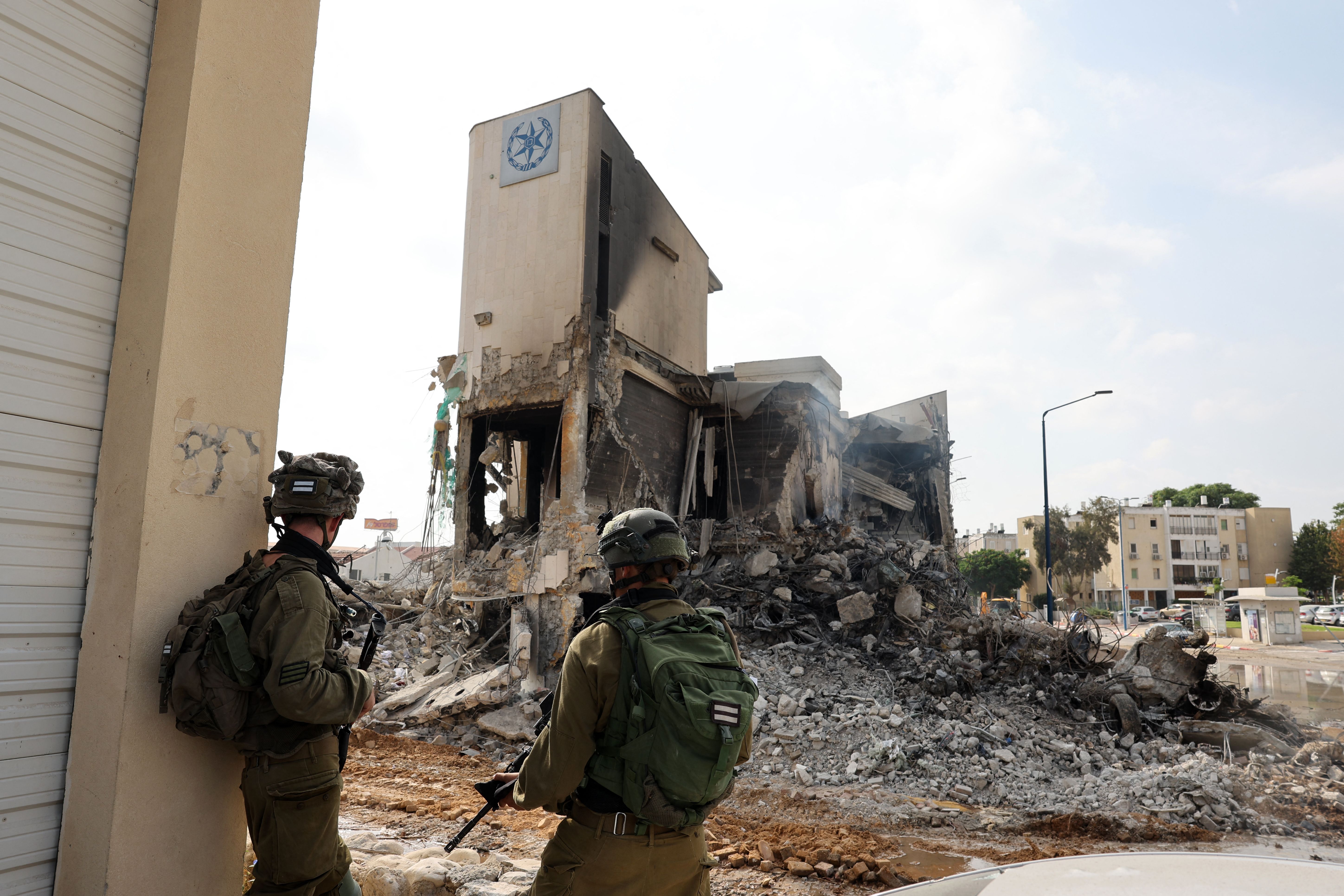
The Israel-Palestine conflict has been a longstanding and contentious issue, with deep roots in history, politics, and religion. The complex web of alliances, rivalries, and historical grievances has fueled an enduring confrontation between Israel and Hamas, two of the most prominent players in the region. In this article, we will delve into the history of the conflict, exploring the key events, ideologies, and factors that have shaped the situation, and examining the prospects for peace.
The Israeli-Palestinian conflict has its roots in the early 20th century, when Zionist Jews, seeking to escape persecution in Europe, began immigrating to Palestine, then under Ottoman rule. Following World War I, the British took control of the region and, in 1917, issued the Balfour Declaration, which expressed support for the establishment of a Jewish homeland in Palestine. This move was met with resistance from the Arab population, who had been living in the region for centuries.
The Origins of the Conflict
Key events in the lead-up to the conflict include:
- 1948: The establishment of the State of Israel, which led to the displacement of hundreds of thousands of Palestinians, known as the Nakba or "catastrophe" in Arabic.
- 1967: Israel's Six-Day War, which resulted in Israel's occupation of the West Bank and Gaza Strip.
- 1987: The First Intifada, a Palestinian uprising against Israeli occupation.
- 2000: The Second Intifada, which saw widespread violence and the deaths of hundreds of Palestinians and Israelis.
Hamas and the Rise of Islamist Militancy
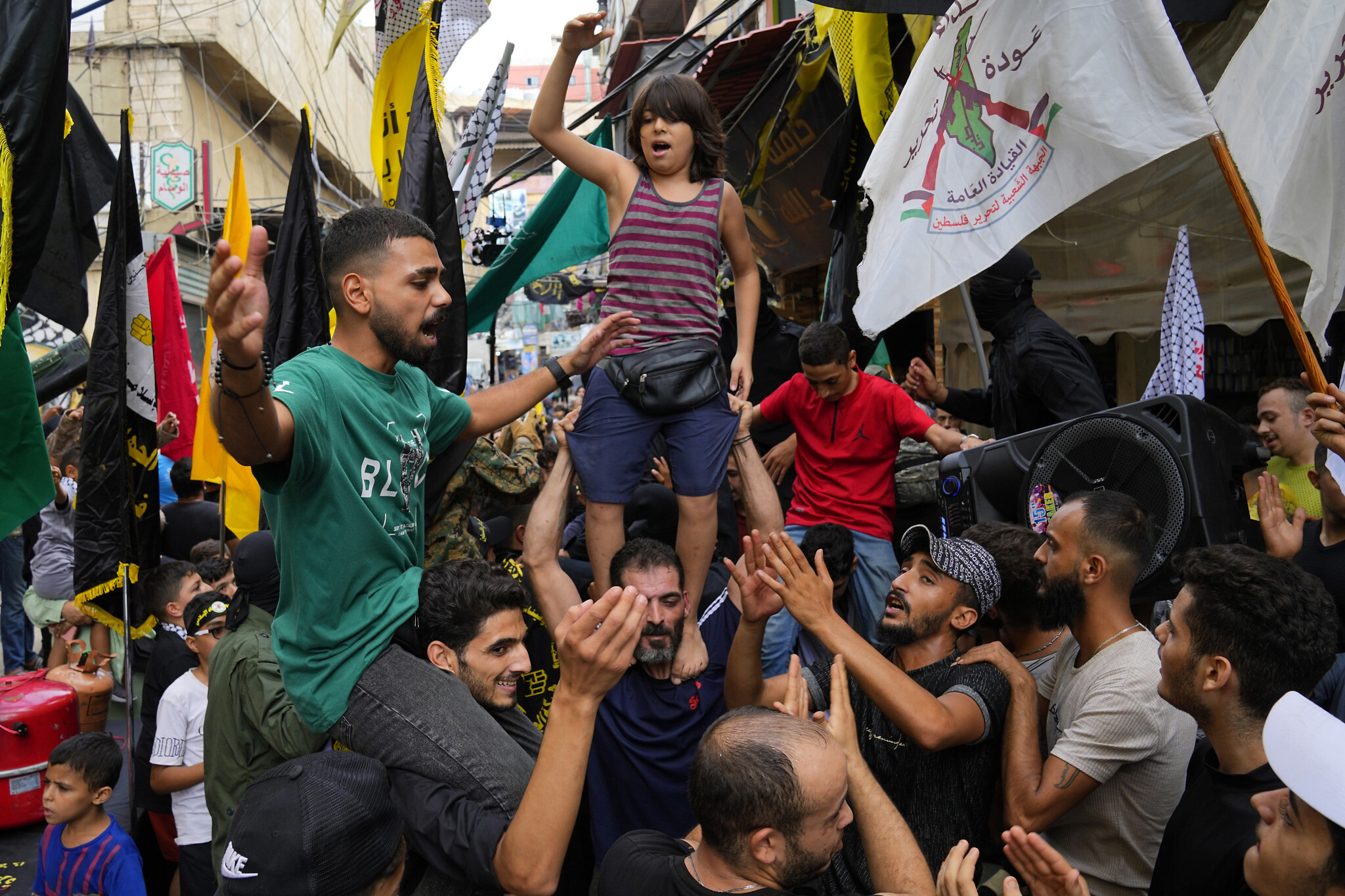
In the 1980s and 1990s, Islamist militancy began to gain traction in the Gaza Strip, where Hamas, or Harakat al-Muqawama al-Islamiyya (Islamic Resistance Movement), emerged as a major player. Hamas was founded in 1987 as an offshoot of the Egyptian Muslim Brotherhood, with the goal of establishing an Islamic state in Palestine.
Hamas's ideology is rooted in a radical interpretation of Islam, which emphasizes the need for armed resistance against Israeli occupation and the establishment of an Islamic state. The organization's leadership, including its founder, Sheikh Ahmed Yassin, was known for its anti-Semitic rhetoric and rejection of Western influence.
The Gaza Disengagement and Hamas's Rise to Power
In 2005, Israel unilaterally withdrew from the Gaza Strip, a move widely seen as a strategic blunder. The withdrawal allowed Hamas to consolidate its power in the territory, which had previously been under Israeli occupation.
The Israeli Blockade and Humanitarian Crisis
Since 2007, Israel has maintained a strict blockade on Gaza, restricting the movement of people and goods in and out of the territory. The blockade has led to widespread poverty, unemployment, and a humanitarian crisis, with many Gaza residents reliant on international aid.
The Human Cost of the Conflict
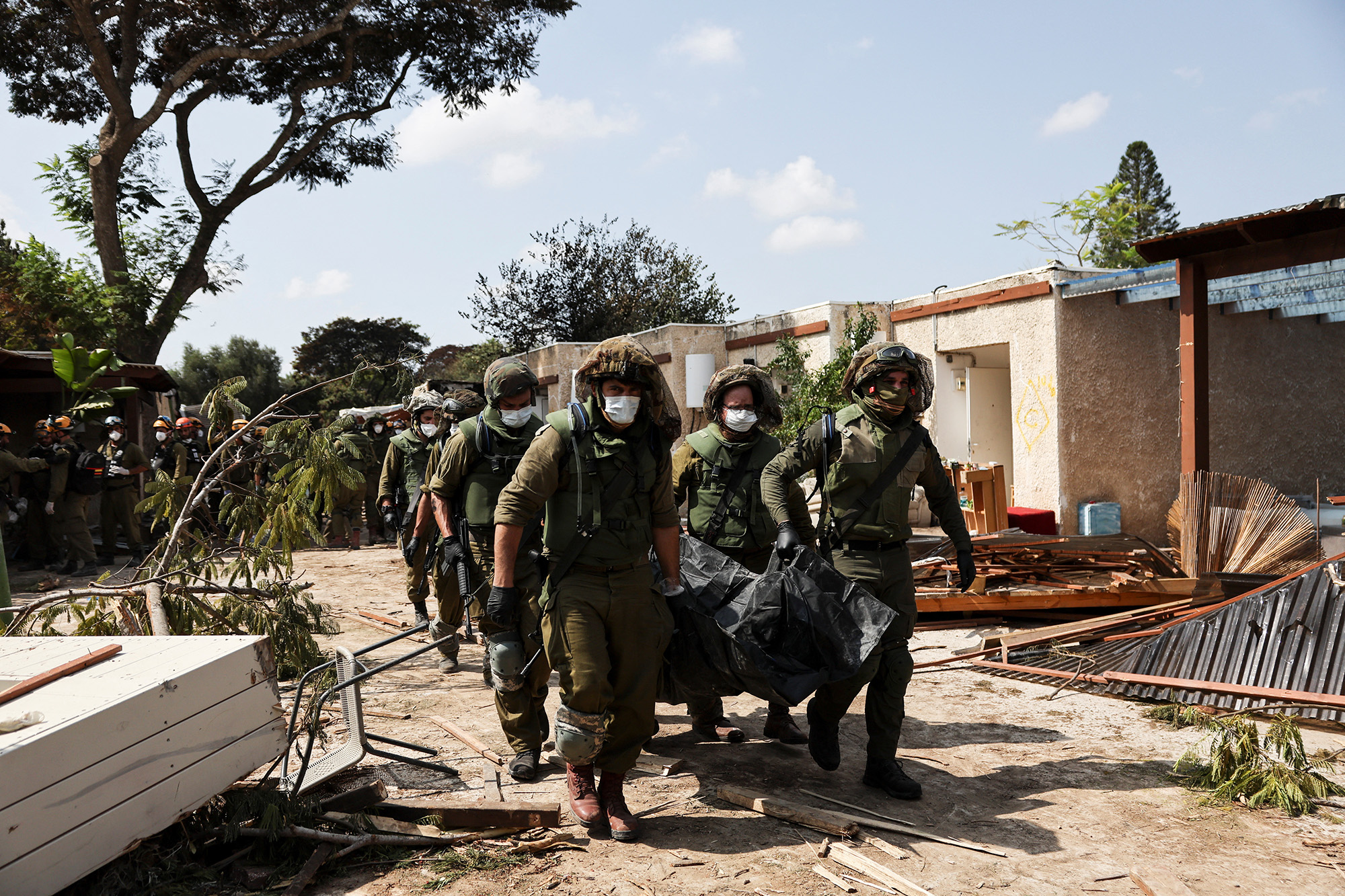
The conflict has exacted a high human toll, with both Israelis and Palestinians suffering from:
- 100,000+ Palestinian refugees, many of whom are still living in squalid conditions.
- 5,000+ Israeli civilians killed in terrorist attacks.
- 12,000+ Palestinian civilians killed in Israeli military operations.
The Prospects for Peace
Despite the dire circumstances, there are signs of a shift in the conflict's trajectory. In 2013, Israel and Hamas reached a tentative agreement, known as the Gaza-Israel Agreement, which led to a significant reduction in violence and an easing of the blockade.
However, the agreement was short-lived, and violence flared up again in 2014, following the kidnapping of three Israeli teenagers by Hamas militants. Since then, a fragile ceasefire has held, but the long-term prospects for peace remain uncertain.
Key Factors Hindering Peace
The following factors contribute to the ongoing impasse:
- Land ownership and borders: The status of the West Bank and Gaza Strip remains a contentious issue, with Israel seeking to annex or withdraw from the territories.
- Security concerns: Israel's fear of terrorism and rocket attacks from Gaza continues to drive its military actions.
- Palestinian divisions: The split between Fatah and Hamas has hindered the Palestinian leadership's ability to negotiate effectively with Israel.
- External interference: The involvement of external actors, including the United States, Europe, and Iran, has often exacerbated the conflict.
A Way Forward
The path to peace requires a multi-faceted approach, addressing the key issues outlined above. Some potential steps include:
- Land for peace: Israel must be willing to offer the Palestinians control over a significant portion of the West Bank, including major settlements and resources.
- Security guarantees: Hamas must renounce its military tactics and commit to non-violent resistance, while Israel must establish a robust security framework to protect its citizens.
- Economic cooperation: Israel and the Palestinians must work together to develop Gaza's economy, which has been severely impaired by the blockade.
- International engagement: The international community must play a more active role in facilitating negotiations and providing economic support to the Palestinians.
Conclusion
The Israel-Palestine conflict is a complex, multifaceted issue, with deep historical, cultural, and ideological roots. While the prospects for peace are uncertain, there are signs that the parties are slowly moving towards a more negotiated solution. A sustained effort by both sides, supported by the international community, is necessary to break the cycle of violence and establish a lasting peace.
Recent Post
Unlocking The Secrets Of Menopause: Expert Insights On Navigating Life After 40 With Paolo Tantoco
Tensions Rise As Trump Officials Defend Tariffs Amid Market Volatility And Warnings For Savers And Retirees
Rosie O'Donnell Teases Trump Move, Posts Disruptive Selfie From Abroad
Wings For The Win: Capitals Edge Ducks 7-4 In Thrilling Matchup
Ducks Fall Short: Key Takeaways From Thrilling 7-4 Loss To Capitals
Article Recommendations
- Unveiling The Russell Family Connection: Is Keri Related To Kurt?
- Unveiling The Enigma: Delving Into The Secrets Of The Blackeye Club
- Lyra Crow: Unleashing Fanaticism With Enthralling Content