Check Your Vehicle Before You Hit the Road: A Guide to a Safe and Smooth Drive
As the sun rises over the horizon, millions of people across the globe fire up their engines, ready to tackle another day on the road. But before you head out, it's essential to check your vehicle's safety before embarking on a journey. A simple check can make all the difference in ensuring a safe and smooth drive, saving you from the frustration of breakdowns, accidents, or even worse. In this article, we'll guide you through a comprehensive checklist to help you identify potential safety issues before you leave your driveway.
Driving safely is a top priority, and it's crucial to be aware of the potential risks on the road. According to the National Highway Traffic Safety Administration (NHTSA), there were over 36,000 fatalities in motor vehicle crashes in the United States in 2019 alone. Moreover, the same study revealed that most crashes occur due to a combination of factors, including driver error, vehicle maintenance issues, and weather conditions. By taking a few minutes to inspect your vehicle, you can significantly reduce the risk of being involved in a crash.
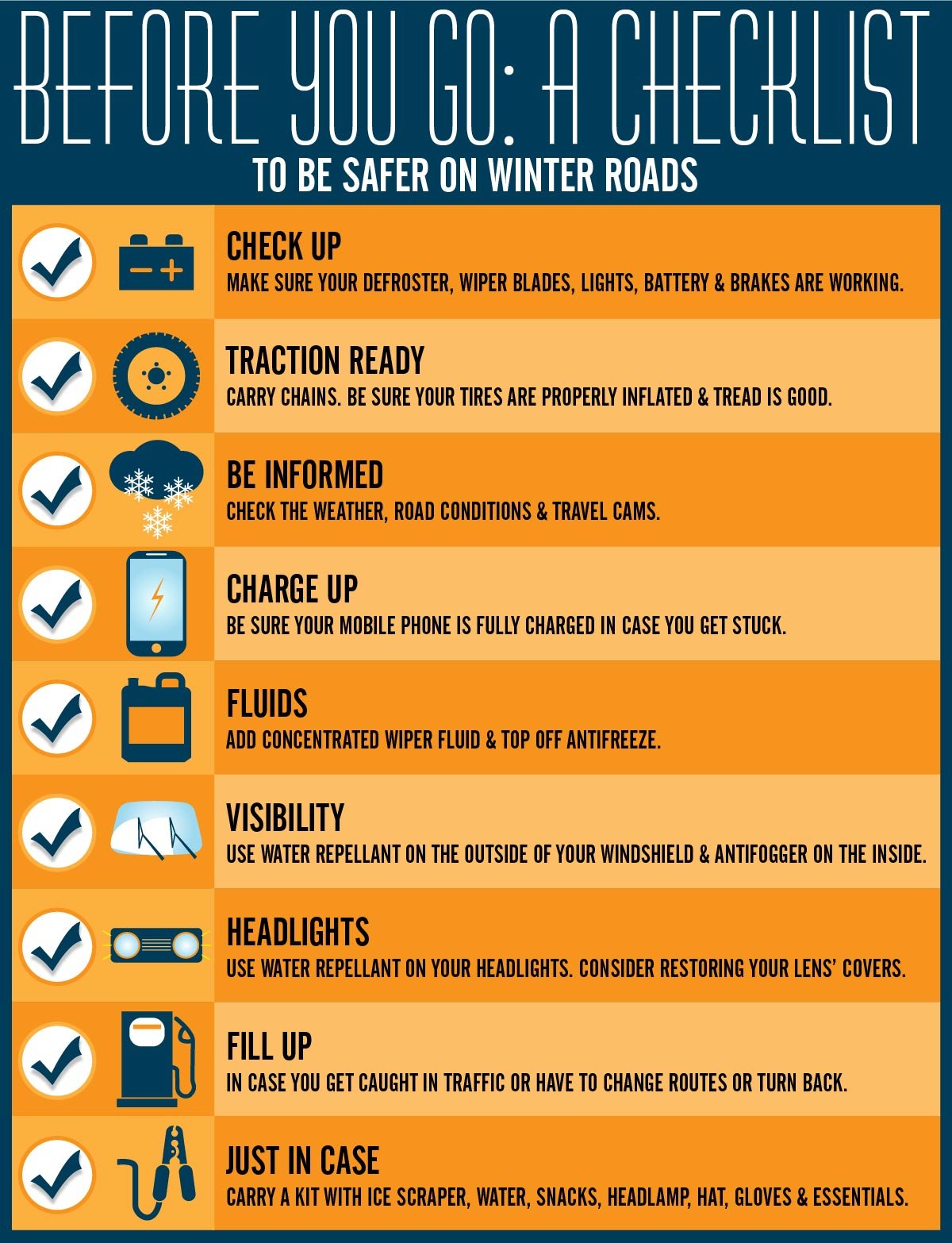
Pre-Drive Vehicle Inspection Checklist
Before you start your engine, take a few minutes to inspect your vehicle. This simple checklist can help you identify potential safety issues:
- Tire pressure: Check your tire pressure at least once a month, and before long trips. Properly inflated tires can improve your vehicle's handling, braking, and fuel efficiency.
- Oil and fluids: Check your oil level, coolant, brake fluid, and transmission fluid. Low levels or dirty fluids can cause engine damage or even lead to overheating.
- Lights and signals: Ensure all your lights, including headlights, taillights, brake lights, and turn signals, are functioning properly.
- Battery and electrical system: Check your battery terminals, cables, and voltage level. A dead battery can leave you stranded, so make sure it's in good condition.
- Air filter and belts: Check your air filter and serpentine belt for signs of wear or damage. A dirty air filter can decrease fuel efficiency, while a broken belt can lead to costly repairs.
Identifying Potential Safety Issues
When inspecting your vehicle, keep an eye out for these common safety issues:
- Worn-out brake pads: Thin brake pads can cause your vehicle to vibrate or make a grinding noise when braking.
- Bad head gaskets: Leaking head gaskets can cause coolant to seep into your engine, leading to overheating.
- Faulty oxygen sensors: Clogged oxygen sensors can lead to decreased fuel efficiency and engine performance.
- Loose or corroded connections: Loose or corroded connections can cause your vehicle's electrical system to malfunction.
Weather Conditions and Their Impact on Safety
Weather conditions can significantly affect your safety on the road. Here are some weather-related factors to consider:
- Rain or snow: Reduce your speed, increase your following distance, and use low gear when driving in wet or snowy conditions.
- High winds: Be cautious when driving on roads with high winds, as they can cause your vehicle to sway or lose control.
- Fog or reduced visibility: Slow down and use low beams when driving in foggy conditions, and avoid sudden movements.
Preparing for Emergencies
Accidents can happen to anyone, anywhere. By being prepared, you can minimize the risk of serious injury or damage. Here are some emergency items to keep in your vehicle:
- First aid kit: A basic first aid kit should include items like bandages, antiseptic wipes, and pain relievers.
- Jumper cables: Jumper cables can help you jump-start your vehicle if the battery dies.
- Flashlight and extra batteries: A flashlight can provide light in low-visibility conditions, while extra batteries can ensure it stays lit.
- Reflective triangles or road flares: Reflective triangles or road flares can help alert other drivers to your presence if you're stranded.
Maintaining Your Vehicle
Regular maintenance is essential to ensure your vehicle remains safe and reliable. Here are some tasks to perform regularly:
- Oil changes: Change your oil every 5,000 to 7,500 miles to keep your engine running smoothly.
- Tire rotations: Rotate your tires every 6,000 to 8,000 miles to ensure even wear and extend their lifespan.
- Brake pad replacements: Replace your brake pads every 30,000 to 50,000 miles to ensure proper braking performance.
- Scheduled inspections: Take your vehicle to a mechanic for a scheduled inspection every 12,000 to 15,000 miles to identify potential issues before they become major problems.
Conclusion
Driving safely is a top priority, and by taking a few minutes to inspect your vehicle, you can significantly reduce the risk of being involved in a crash. Remember to check your tire pressure, oil and fluids, lights and signals, battery and electrical system, and air filter and belts before embarking on a journey. Additionally, be aware of weather conditions and prepare for emergencies by keeping essential items in your vehicle. By following this comprehensive checklist, you can ensure a safe and smooth drive every time.
Recent Post
Unlocking The Secrets Of Menopause: Expert Insights On Navigating Life After 40 With Paolo Tantoco
Tensions Rise As Trump Officials Defend Tariffs Amid Market Volatility And Warnings For Savers And Retirees
Rosie O'Donnell Teases Trump Move, Posts Disruptive Selfie From Abroad
Wings For The Win: Capitals Edge Ducks 7-4 In Thrilling Matchup
Ducks Fall Short: Key Takeaways From Thrilling 7-4 Loss To Capitals
Article Recommendations
- Aaron Hernandez's Daughter's Inspiring Journey: A Look Ahead To 2024
- Love Life Of The "The Serpent" Star: Is Lee Ingleby Married?
- KING VON AUTOPSY: Uncovering The Tragic Truth Behind The Rapper's Death


