Revitalizing America's Infrastructure: The Critical Path to Economic Growth and Social Progress
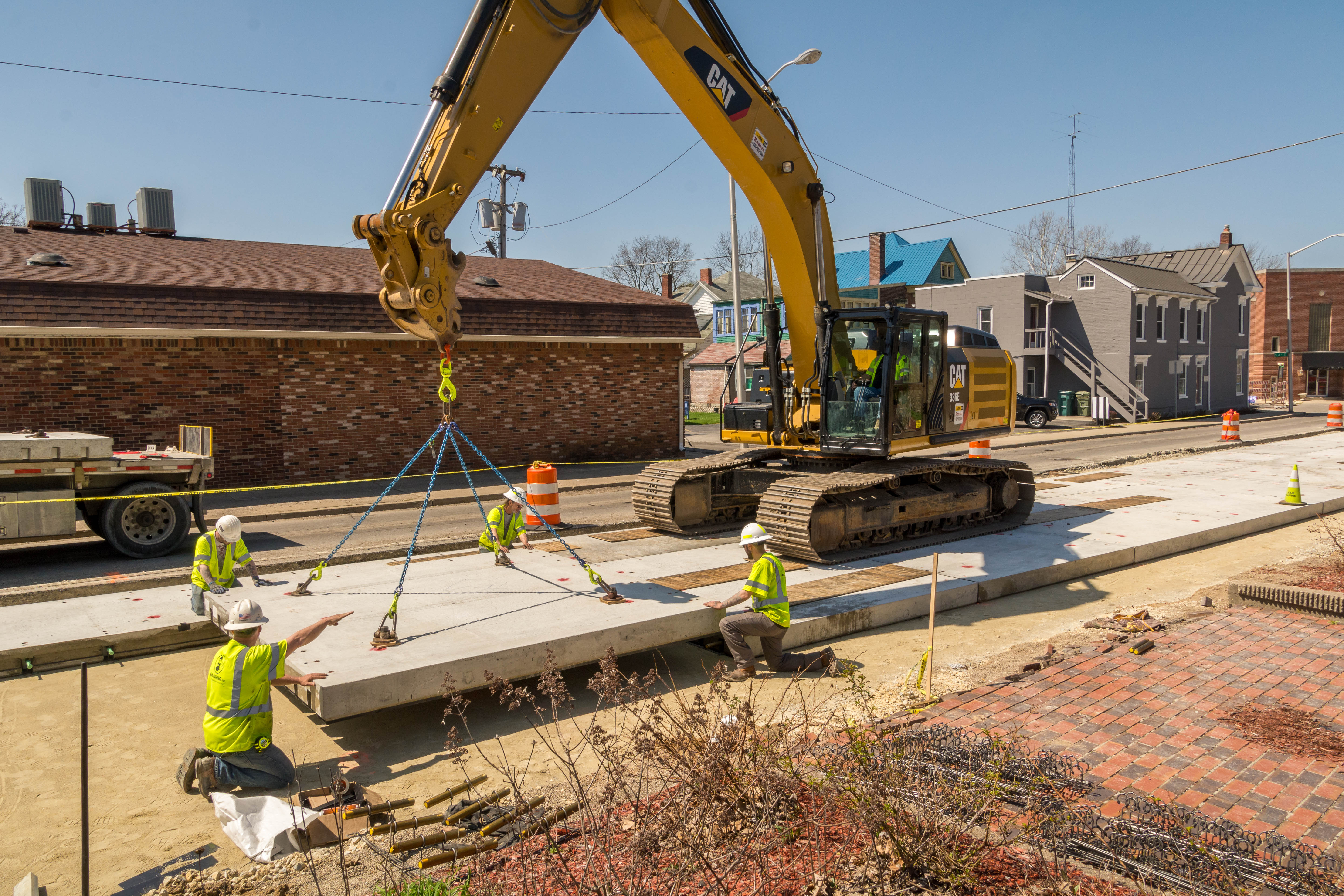
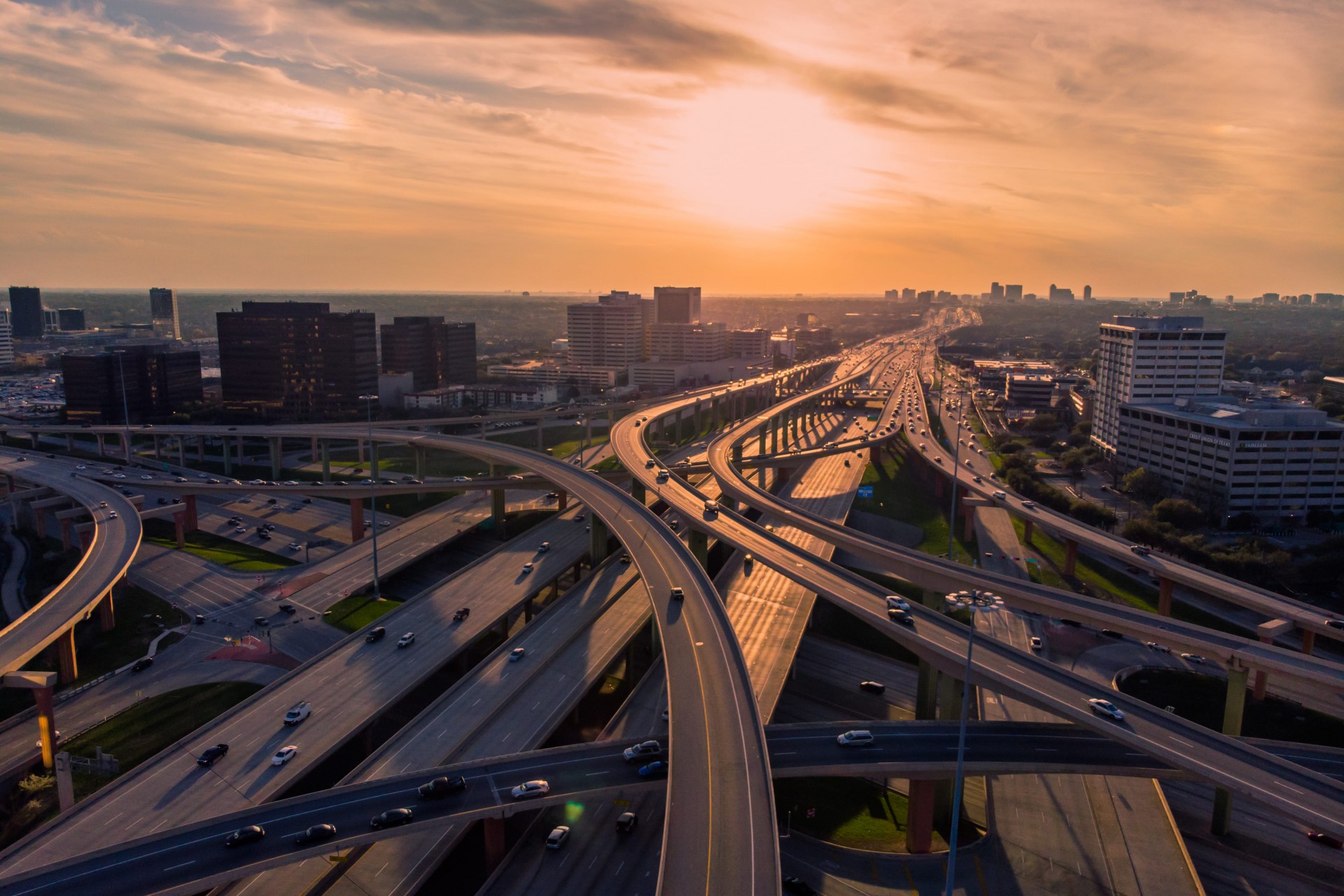
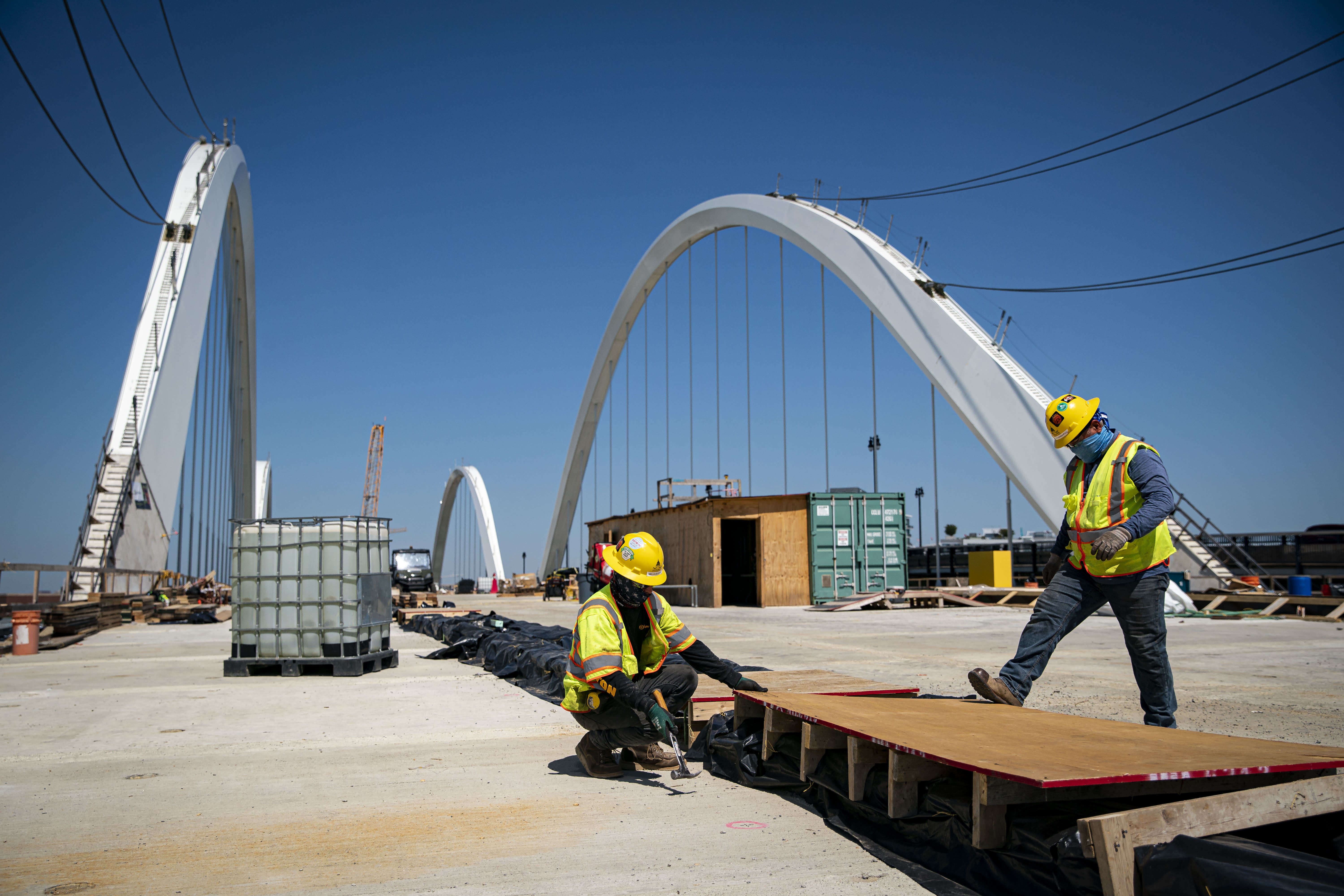
As the United States continues to grapple with the complexities of modernization, one pressing issue remains at the forefront of national attention: the need for an infrastructure overhaul. The country's roads, bridges, airports, and public transportation systems are crying out for investment, repair, and renewal. The consequences of inaction are far-reaching, impacting not only the economy but also the daily lives of Americans. In this article, we will delve into the world of infrastructure development, exploring the importance of this effort, the challenges at hand, and the innovative solutions being implemented to build America's future, one project at a time.
The backbone of any thriving economy, infrastructure plays a critical role in facilitating the movement of goods, services, and people. A modern and well-maintained infrastructure system can boost economic growth, reduce costs, and enhance the overall quality of life for citizens. On the other hand, a deteriorating infrastructure can lead to congestion, decreased productivity, and significant financial burdens. As the US population continues to grow and urbanize, the need for a robust infrastructure has never been more pressing.
Understanding the Current State of American Infrastructure
The US infrastructure landscape is facing numerous challenges, from aging and inefficient systems to inadequate funding and insufficient maintenance. According to a report by the American Society of Civil Engineers (ASCE), the country's infrastructure is in dire need of attention, with an estimated 25% of major assets showing significant deterioration. This includes:
- Roads: Over 29% of the US highway system is in poor condition, making them vulnerable to damage and failure.
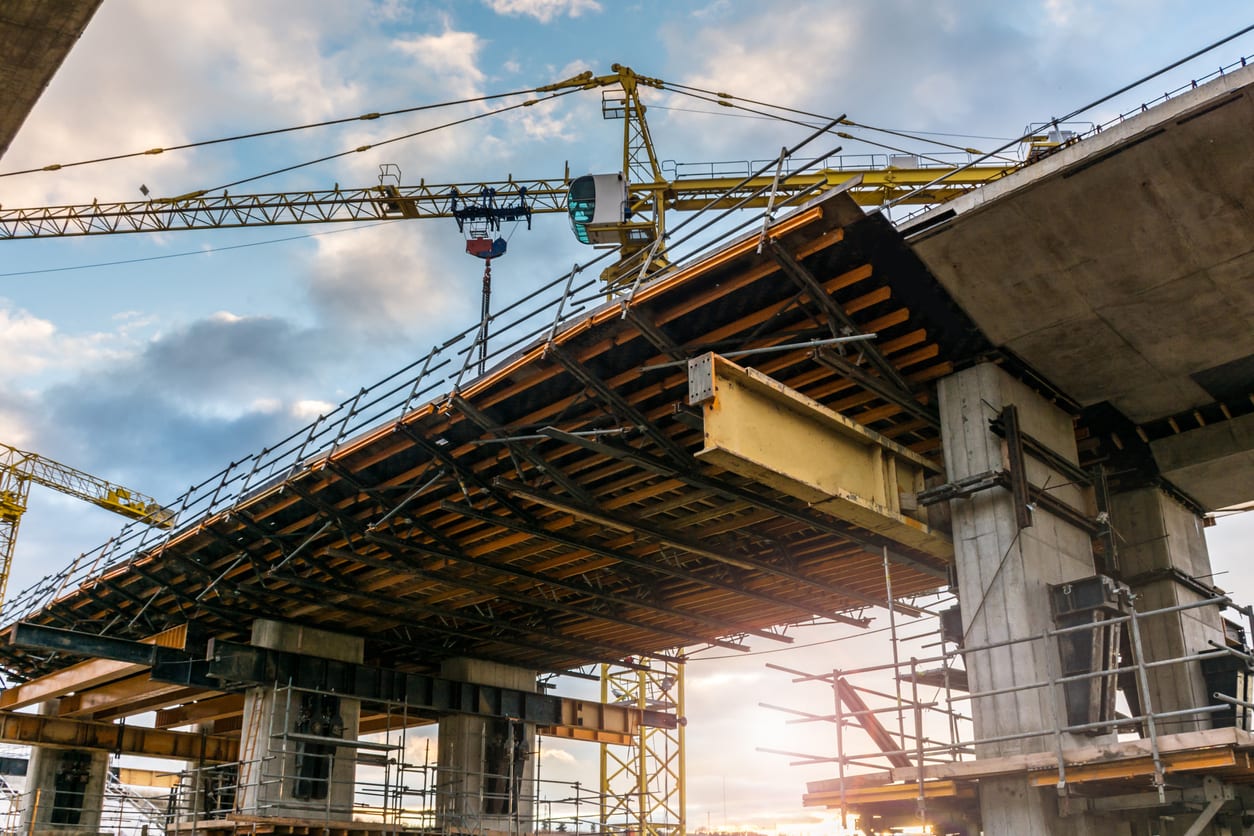
- Bridges: Nearly 19% of the country's bridges are structurally deficient or functionally obsolete.
- Airports: The US air transportation system is expected to experience a significant increase in demand, putting pressure on aging airport infrastructure.
- Public Transportation: Many cities are struggling to maintain reliable and efficient public transportation systems, leading to congestion and decreased mobility.
The Human Cost of Neglecting Infrastructure
The consequences of neglecting infrastructure extend far beyond the economic realm. A crumbling infrastructure can have devastating effects on communities, including:
- Reduced Economic Opportunities: Inefficient infrastructure can limit job creation, innovation, and economic growth.
- Decreased Quality of Life: Congested roads, inadequate public transportation, and subpar airport infrastructure can lead to increased stress, decreased productivity, and reduced quality of life.
- Health Impacts: Poor air and water quality, resulting from inadequate infrastructure maintenance, can have serious health consequences.
Innovations in Infrastructure Development
Despite the challenges, there are numerous innovative solutions being implemented to address the need for an infrastructure overhaul. Some of these initiatives include:
- Green Infrastructure: Incorporating natural systems and green technologies into infrastructure design to reduce environmental impacts and improve sustainability.
- Intelligent Transportation Systems (ITS): Leveraging advanced technologies, such as sensors, cameras, and data analytics, to optimize traffic flow and reduce congestion.
- Public-Private Partnerships (PPPs): Collaborative models between government agencies and private sector companies to fund, design, and deliver infrastructure projects.
Case Studies: Successful Infrastructure Projects
Several notable projects demonstrate the potential for innovative infrastructure solutions to transform communities and drive economic growth. These include:
- The Denver Union Station Revitalization: A $500 million project transformed a neglected railway station into a vibrant transportation hub, reinvigorating the city's economy and enhancing quality of life.
- The Portland Streetcar Expansion: A $111 million project extended the city's streetcar system, reducing traffic congestion and increasing access to employment and education opportunities.
- The Los Angeles Metro Rail Expansion: A $1.1 billion project improved public transportation connectivity, stimulating economic growth and reducing reliance on personal vehicles.
The Role of Government Funding and Policy in Shaping America's Infrastructure Future
Government funding and policy play a crucial role in determining the trajectory of America's infrastructure development. Key factors influencing infrastructure investment include:
- Federal Funding: The Federal Highway Administration (FHWA) and the US Department of Transportation (USDOT) provide critical funding for infrastructure projects, but the current system is under strain.
- State and Local Funding: States and local governments also contribute to infrastructure funding, but often struggle to meet demand.
- Taxation: Revenue-generating policies, such as gas taxes and tolls, are essential for funding infrastructure projects, but can be contentious.
The Potential for Increased Funding and Alternative Revenue Streams
Several solutions can help increase funding and alleviate the financial burden on infrastructure investment. These include:
- Transportation Savings Accounts (TSAs): A proposed policy allowing individuals to save a portion of their income in a TSA, providing tax credits for infrastructure-related expenses.
- Infrastructure Bonds: Issuing bonds to finance infrastructure projects, potentially backed by tax revenue or user fees.
- Privatization and Public-Private Partnerships: Collaborating with private sector companies to fund and deliver infrastructure projects, often with shared risk and rewards.
Building America's Future: One Project at a Time
As the US continues to grapple with the complexities of modernization, it is essential to adopt a comprehensive and sustained approach to infrastructure development. By prioritizing investment, innovation, and collaboration, we can build America's future, one project at a time.
- A growing number of states and cities are setting ambitious infrastructure goals, such as the $1.5 trillion commitment from the American Infrastructure Investment and Jobs Act.
- Private sector companies, foundations, and community organizations are increasingly engaging in infrastructure development, providing innovative financing solutions and technical expertise.
- Research and development initiatives are underway to improve infrastructure resilience, efficiency, and sustainability, driving the next generation of infrastructure solutions.
By working together to address the pressing need for an infrastructure overhaul, we can create a better future for Americans, one where our transportation systems are efficient, our public spaces are vibrant, and our communities are connected and thriving.
Recent Post
Unlocking The Secrets Of Menopause: Expert Insights On Navigating Life After 40 With Paolo Tantoco
Tensions Rise As Trump Officials Defend Tariffs Amid Market Volatility And Warnings For Savers And Retirees
Rosie O'Donnell Teases Trump Move, Posts Disruptive Selfie From Abroad
Wings For The Win: Capitals Edge Ducks 7-4 In Thrilling Matchup
Ducks Fall Short: Key Takeaways From Thrilling 7-4 Loss To Capitals
Article Recommendations
- Shocking Crime: Unraveling The Mysterious Case Of Karlan And Connieenio Crimecene Pos
- Unveiling Alma Powell's Profound Impact: A Cause For Celebration And Inspiration
- Unveiling Sabrina Carpenter's Height: Inside The Star's Enchanting Stature