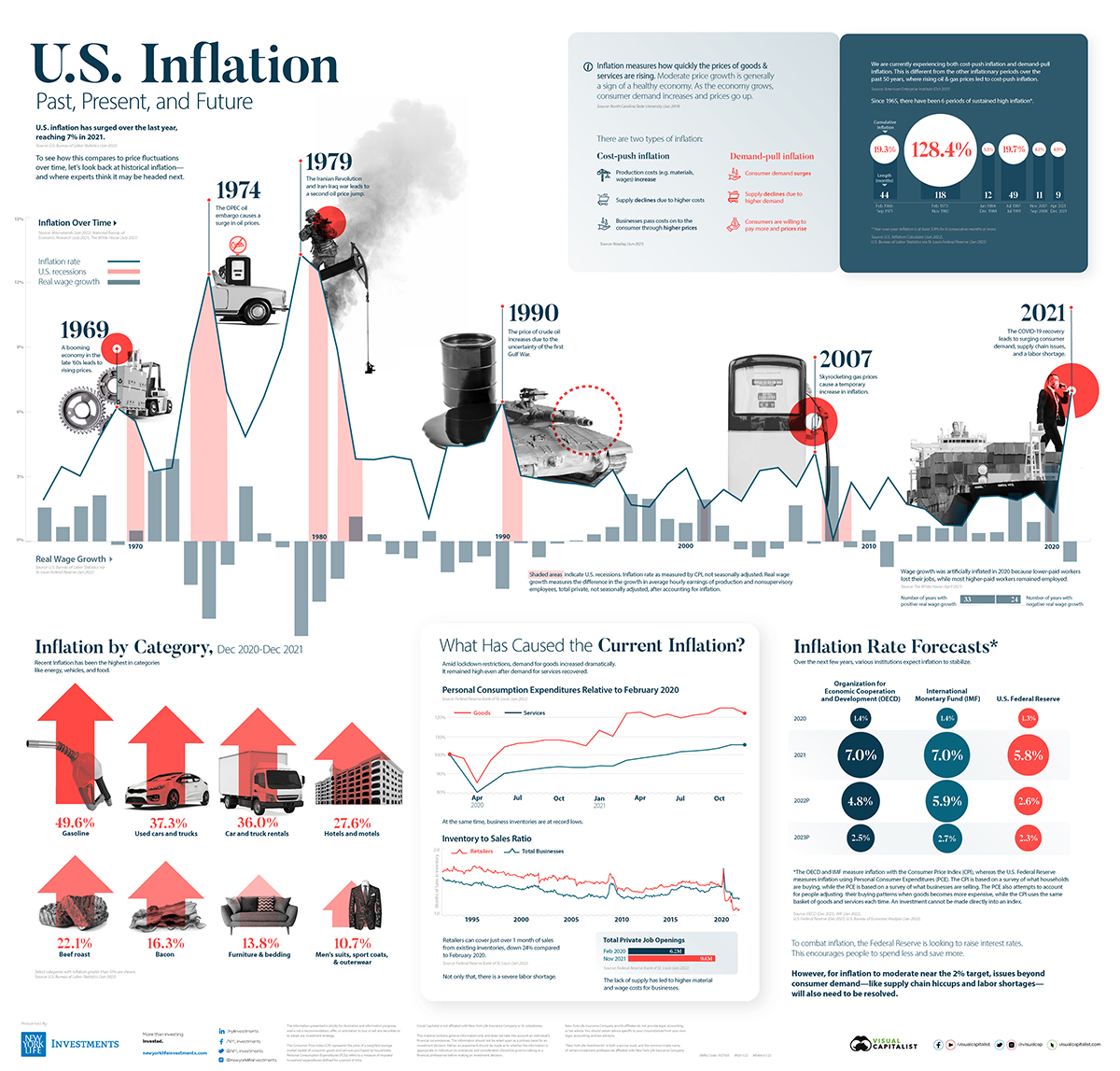
The Shaky State of Inflation: How Your Investments Are Affected
The world of finance is never more unpredictable than during times of economic uncertainty. One such phenomenon that can have far-reaching consequences on your investment portfolio is inflation. This rise in prices can erode the value of your savings, leave your retirement funds dwindling, and even undermine the purchasing power of your hard-earned money. But how does inflation affect your investments, and what can you do to protect them? In this comprehensive guide, we'll delve into the impact of inflation on various asset classes, discuss strategies for safeguarding your investments, and explore the importance of diversification.
Understanding Inflation
Inflation is a sustained increase in the general price level of goods and services in an economy over time. It's measured by inflation rates, which are usually expressed as a percentage change in the Consumer Price Index (CPI). The CPI is a basket of goods and services that reflects the average change in prices of a typical basket of goods and services.
Inflation can be caused by a variety of factors, including:
• Monetary policy: An increase in the money supply can lead to higher prices as more money chases a constant quantity of goods and services.
• Fiscal policy: Governments can increase spending or cut taxes, leading to higher demand and prices.
• Economic growth: A rapidly growing economy can lead to higher demand and prices.
• Supply and demand imbalance: Shortages or imbalances in the market can drive up prices.
Impact of Inflation on Investments
Inflation can have a significant impact on various types of investments, including:
Fixed Income Investments
Fixed income investments, such as bonds and CDs, offer a fixed return in the form of interest payments. However, the purchasing power of these returns can be eroded by inflation, which means that the real return on investment can be negative. For example, if you invest $1,000 in a 5-year bond with a 2% annual interest rate, the annual interest payment would be $20. However, if inflation rises to 3%, the purchasing power of the $20 payment decreases, leaving you with only $16 in real terms.
Bond Diversification Strategies
To mitigate the impact of inflation on fixed income investments, consider diversifying your bond portfolio by:
• Investing in Treasury Inflation-Protected Securities (TIPS)
• Holding bonds with longer maturities
• Including bonds with higher yields to offset inflation
Stocks and Equities
Stocks and equities can be sensitive to inflation, as companies may increase their prices to maintain profit margins. However, some sectors and industries are more inflation-resistant than others. For example:
• Commodities: Companies that produce essential commodities, such as food and energy, are more likely to benefit from inflation.
• Real estate: Real estate investment trusts (REITs) and real estate companies can provide a hedge against inflation.
• Dividend-paying stocks: Stocks with high dividend yields can provide a higher real return on investment.
Inflation-Resistant Sectors
Consider investing in sectors that are less affected by inflation, such as:
• Healthcare
• Technology
• Financials
Commodities and Currencies
Commodities, such as gold and oil, can provide a hedge against inflation as their prices tend to rise with inflation. However, investing in commodities can be complex and involves risks such as market volatility and supply and demand imbalances.
Currency Diversification
Inflation can also affect the value of currencies. Consider diversifying your currency portfolio by:
• Investing in foreign currencies that are less correlated with your domestic currency
• Holding a mix of currencies with different monetary policies and economic conditions
Safeguarding Your Investments
While inflation can be challenging to predict, there are steps you can take to safeguard your investments:
Diversification
Diversification is key to managing risk and protecting your investments from inflation. Consider spreading your portfolio across various asset classes, sectors, and geographic regions.
Asset Allocation
Develop an asset allocation strategy that balances risk and return. For example:
• 40% fixed income
• 30% equities
• 30% alternative investments
Inflation-Protected Investments
Consider investing in assets that are designed to protect against inflation, such as:
• Treasury Inflation-Protected Securities (TIPS)
• Real estate investment trusts (REITs)
• Commodities
Inflation-Indexed Bonds
Invest in bonds that are indexed to inflation, such as:
• TIPS
• Inflation-indexed government bonds
Conclusion
Inflation can have a significant impact on your investments, but by understanding its effects and taking proactive steps to safeguard your portfolio, you can protect your wealth and achieve your financial goals. Remember to diversify your investments, consider inflation-resistant sectors, and invest in assets that are designed to protect against inflation. By doing so, you can navigate the uncertain world of inflation and build a brighter financial future.
Recent Post
Unlocking The Secrets Of Menopause: Expert Insights On Navigating Life After 40 With Paolo Tantoco
Tensions Rise As Trump Officials Defend Tariffs Amid Market Volatility And Warnings For Savers And Retirees
Rosie O'Donnell Teases Trump Move, Posts Disruptive Selfie From Abroad
Wings For The Win: Capitals Edge Ducks 7-4 In Thrilling Matchup
Ducks Fall Short: Key Takeaways From Thrilling 7-4 Loss To Capitals
Article Recommendations
- Sabrina Carpenter's Body: Unveiling The Star's Weight And Height
- Chudney Ross: Unmasking The Hidden Gems And Untold Stories
- Vikram's Staggering Cinematic Journey: A Legacy Of Unparalleled Excellence