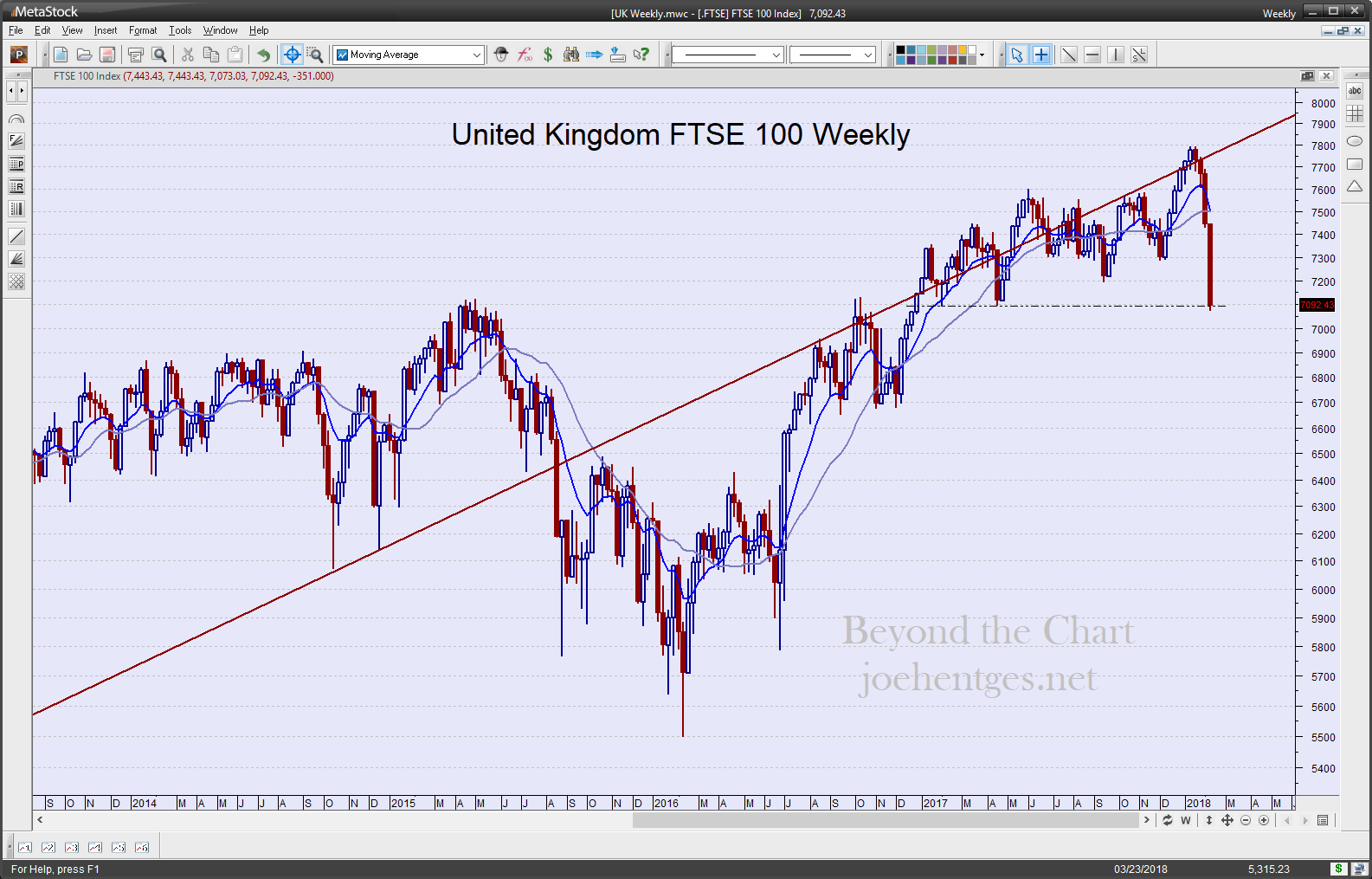
India's Share Market in Free Fall: How Global Sell-off Is Affecting Local Stocks
The Indian share market has been experiencing a sharp decline in recent weeks, with key indices plummeting to their lowest levels in over a year. The Sensex, which tracks the performance of the top 30 listed companies, has fallen by over 12% in the past month, while the Nifty 50, which represents the broader market, has shed around 10%. This drastic drop in the market's value is largely attributed to the global sell-off, which has sent shockwaves through the financial markets of India.
The recent sell-off in global markets has been driven by a combination of factors, including rising inflation, geopolitical tensions, and concerns over the health of the US economy. The S&P 500, the leading index of the US stock market, has fallen by over 10% in the past month, while the Dow Jones Industrial Average has plummeted by around 12%. These declines have had a ripple effect on the global economy, with investors becoming increasingly risk-averse and seeking safe-haven assets such as gold and bonds.
The Indian share market, which has traditionally been seen as a safe-haven for investors, has not been immune to the effects of the global sell-off. The decline in global markets has led to a significant outflow of foreign investment in India, with investors opting to withdraw their funds from the country's stock markets. This has put pressure on the Indian government to take action to stabilize the market and attract new investors.
Causes of the Global Sell-off
The global sell-off has been driven by a combination of factors, including:
- Rising inflation: The recent surge in inflation, particularly in the US, has led to a decline in investor confidence. The Federal Reserve has been accused of raising interest rates too quickly, which has exacerbated the problem.
- Geopolitical tensions: The ongoing tensions between the US and China, as well as the conflict in Ukraine, have created uncertainty and led to a decline in investor confidence.
- Concerns over the US economy: The health of the US economy has come under scrutiny in recent weeks, with concerns over the impact of the ongoing pandemic and the potential for a recession.
Impact on India's Stock Markets
The global sell-off has had a significant impact on India's stock markets, with several key indices plummeting to their lowest levels in over a year. The Sensex, which tracks the performance of the top 30 listed companies, has fallen by over 12% in the past month, while the Nifty 50, which represents the broader market, has shed around 10%.
Sector-wise Performance
The decline in global markets has had a sector-wise impact on India's stock markets, with several sectors performing poorly. The Information Technology (IT) sector, which has traditionally been a bellwether for the Indian economy, has fallen by over 15% in the past month. The Consumer Goods sector has also been hit hard, with several leading companies such as Hindustan Unilever and Procter & Gamble falling by over 10%.
Foreign Investment and the Role of the RBI
The decline in global markets has led to a significant outflow of foreign investment in India, with investors opting to withdraw their funds from the country's stock markets. This has put pressure on the Indian government to take action to stabilize the market and attract new investors.
The Reserve Bank of India (RBI) has been accused of playing a crucial role in stabilizing the market, with the central bank cutting interest rates several times in recent months. The RBI has also been working to attract foreign investment, with the central bank setting up a new office in the US to promote Indian investments.
measures taken by RBI
The RBI has taken several measures to stabilize the market and attract foreign investment, including:
- Cutting interest rates: The RBI has cut interest rates several times in recent months to make borrowing cheaper and encourage investment.
- Relaxing regulations: The RBI has relaxed regulations to make it easier for foreign investors to invest in India.
- Setting up a new office: The RBI has set up a new office in the US to promote Indian investments and attract foreign capital.
Impact on the Indian Economy
The decline in global markets has had a significant impact on the Indian economy, with several key sectors being affected. The decline in investor confidence has led to a decline in investment in India, with several investors opting to withdraw their funds from the country's stock markets.
The decline in investor confidence has also led to a decline in export demand, with several key industries such as textiles and food processing being affected. The decline in demand has put pressure on Indian exporters, with several companies facing significant challenges in terms of managing their inventory.
Impact on Indian Exports
The decline in global markets has had a significant impact on Indian exports, with several key industries being affected. The decline in demand has put pressure on Indian exporters, with several companies facing significant challenges in terms of managing their inventory.
export earnings
The decline in global markets has led to a decline in export earnings, with several key industries such as textiles and food processing being affected. The decline in demand has put pressure on Indian exporters, with several companies facing significant challenges in terms of managing their inventory.
Fiscal Policy and Monetary Policy
The decline in global markets has led to a significant increase in the fiscal deficit, with the government facing challenges in terms of managing its finances. The government has been forced to increase taxes and reduce expenditure to manage its finances, which has put pressure on consumer spending.
The RBI has also been forced to intervene in the market to stabilize the economy, with the central bank injecting liquidity into the system to prevent a credit crisis. The RBI has also been working to attract foreign investment, with the central bank setting up a new office in the US to promote Indian investments.
fiscal policy
The government has taken several measures to
Recent Post
Unlocking The Secrets Of Menopause: Expert Insights On Navigating Life After 40 With Paolo Tantoco
Tensions Rise As Trump Officials Defend Tariffs Amid Market Volatility And Warnings For Savers And Retirees
Rosie O'Donnell Teases Trump Move, Posts Disruptive Selfie From Abroad
Wings For The Win: Capitals Edge Ducks 7-4 In Thrilling Matchup
Ducks Fall Short: Key Takeaways From Thrilling 7-4 Loss To Capitals
Article Recommendations
- 揭秘巴伦·特朗普的身高:比你想象的还要高!
- Carly Jane Fans: The Ultimate Guide To Connecting With Her And Her Music
- Jack McBrayer: A Look Into The Dynamic Relationships In His Life