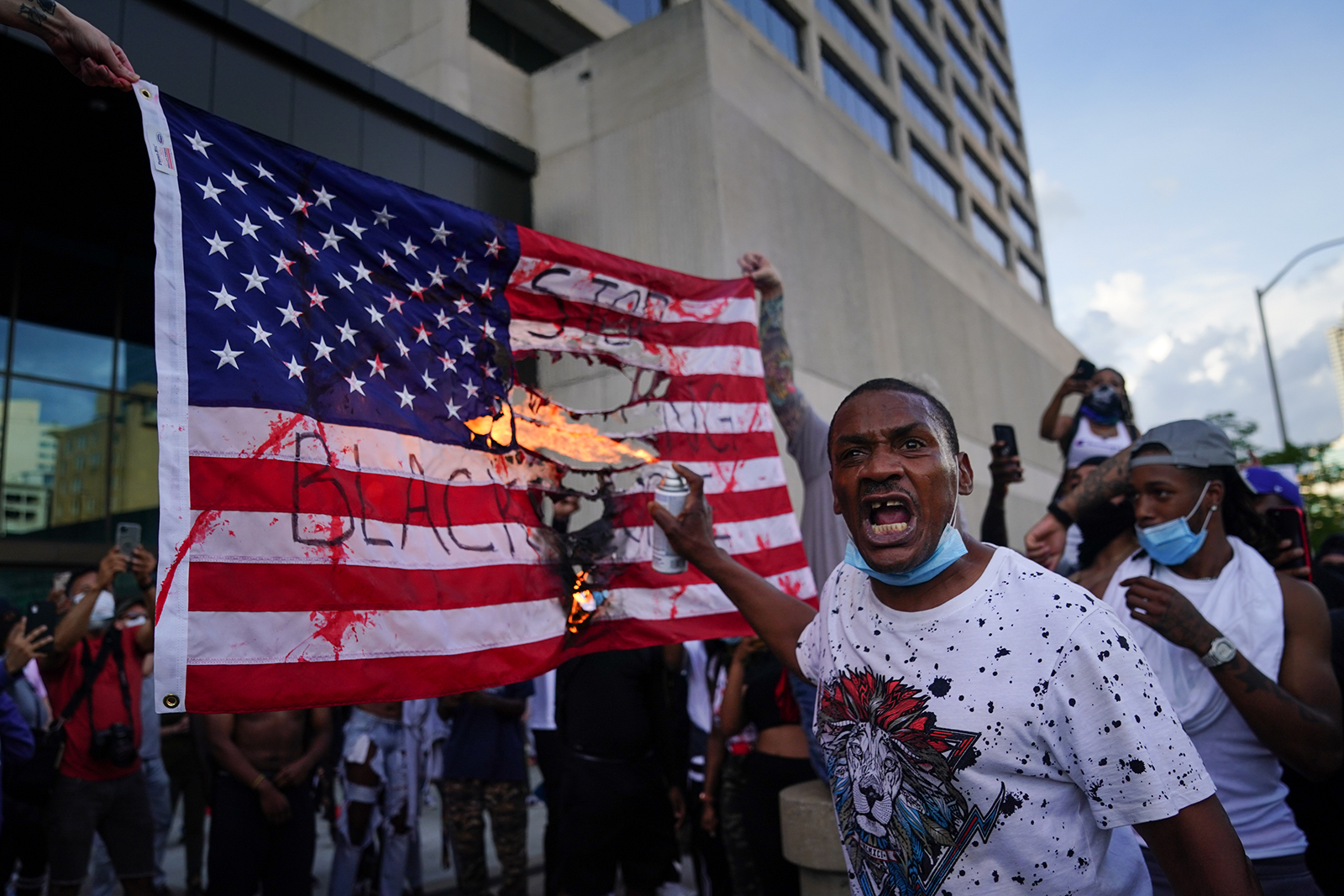
The Uncertain Line Between Free Speech and Chaos: Understanding Illegal Protests
As the United States grapples with increasingly contentious social and political issues, the debate over the limits of free speech and protest has become more pressing than ever. The First Amendment to the US Constitution guarantees the freedom of speech, press, and assembly, but it also leaves room for interpretation when it comes to what constitutes an "illegal" protest. In this article, we'll delve into the complexities of this conundrum, exploring the tensions between free speech and public safety, the role of law enforcement, and the consequences of crossing the line from protest to anarchy.
The tension between free speech and public safety is a longstanding one, with proponents of free speech arguing that any restriction on protest activity is a threat to the very principles of democracy. On the other hand, proponents of public safety argue that certain restrictions are necessary to prevent violence, destruction of property, and other forms of lawlessness that can undermine the integrity of protests. This tension has played out in numerous high-profile cases, from the 1960s civil rights movement to modern-day movements like Black Lives Matter and #MeToo.
At the heart of this debate is the question of what constitutes an "illegal" protest. While there is no straightforward answer, most states and local governments have established guidelines for protests, including requirements for permits, noise restrictions, and other rules governing public behavior. However, these guidelines can be notoriously difficult to enforce, and the distinction between a legitimate protest and an "illegal" one can often be blurry.
The Role of Law Enforcement
Law enforcement agencies play a critical role in managing protests and ensuring public safety. From setting up perimeter fences to deploying riot gear, police officers are often the frontline responders to protests. However, their role is not without controversy. Some critics argue that law enforcement tactics, such as aggressive arrests and use of tear gas, can be heavy-handed and overly militarized, stifling the very expression of dissent that the First Amendment is intended to protect.
Others argue that law enforcement agencies need more training and resources to effectively manage protests, which can sometimes escalate into violence. This perspective emphasizes the need for a more nuanced approach to protest management, one that balances the need for public safety with the right to free speech and assembly.
The Complexity of Protest Management
Protest management is a complex and multifaceted issue, involving not only law enforcement but also community organizers, city officials, and other stakeholders. From determining protest routes and permits to negotiating with protesters and providing backup, the role of each party is critical to the overall success of the event.
For instance, cities like Seattle and Portland have implemented innovative approaches to protest management, including community-led assemblies and de-escalation training for police officers. These efforts aim to reduce tensions and promote greater understanding between protesters and law enforcement, ultimately creating a safer and more inclusive environment for all participants.
The Role of Community Organizers
Community organizers play a vital role in managing protests, often serving as mediators between protesters and law enforcement. From helping to coordinate protest logistics to facilitating dialogue between protesters and authorities, these individuals are critical to ensuring the smooth operation of protests.
Organizers like the Arab American Association of New York and the Black Lives Matter movement have developed innovative strategies for protest management, emphasizing the importance of community-led initiatives and participatory decision-making. By centering the voices and perspectives of those most directly impacted by the issues being protested, organizers can create a more inclusive and effective protest movement.
The Consequences of Crossing the Line
While the distinction between a legitimate protest and an "illegal" one can often be blurry, the consequences of crossing the line can be severe. From arrest and fines to damage to property and harm to individuals, the repercussions of illegal protest activity can be far-reaching and devastating.
For example, in 2017, white nationalists marched in Charlottesville, Virginia, to protest the removal of a statue of Robert E. Lee. The event ended in tragedy, with the death of protester Heather Heyer and widespread destruction of property. In the aftermath, many observers condemned the white nationalist movement as an "illegal" protest, citing the violence and intimidation tactics employed by some participants.
The Importance of Free Speech Protections
Despite the tensions surrounding protests, it is essential to recognize the importance of free speech protections. The First Amendment ensures that individuals have the right to express dissenting opinions and participate in public discourse, even if these activities are unpopular or contentious.
By protecting free speech, the government can promote a more vibrant and inclusive public sphere, one that is open to a wide range of perspectives and opinions. This, in turn, can help to foster greater understanding and empathy between individuals and communities, ultimately creating a more just and equitable society.
The Need for Nuanced Protest Management
To strike a balance between free speech and public safety, protesters, law enforcement, and community leaders must adopt a more nuanced approach to protest management. This approach would prioritize de-escalation, dialogue, and community-led initiatives, while also ensuring that public safety is maintained.
By working together to develop more effective protest management strategies, we can create a safer and more inclusive environment for all participants, one that protects both the right to free speech and the right to public safety.
Conclusion
The debate over the limits of free speech and protest is a complex and contentious one, with no easy answers or solutions. However, by examining the role of law enforcement, community organizers, and the consequences of crossing the line, we can gain a deeper understanding of the issues at play.
Ultimately, finding a balance between free speech and public safety requires a nuanced approach to protest management, one that prioritizes de-escalation, dialogue, and community-led initiatives. By working together to develop more effective protest management strategies, we can create a safer and more inclusive environment for all participants, one that protects both the right to free speech and the right to public safety.
Recent Post
Unlocking The Secrets Of Menopause: Expert Insights On Navigating Life After 40 With Paolo Tantoco
Tensions Rise As Trump Officials Defend Tariffs Amid Market Volatility And Warnings For Savers And Retirees
Rosie O'Donnell Teases Trump Move, Posts Disruptive Selfie From Abroad
Wings For The Win: Capitals Edge Ducks 7-4 In Thrilling Matchup
Ducks Fall Short: Key Takeaways From Thrilling 7-4 Loss To Capitals
Article Recommendations
- Discover The Sweet Symphony Of Jelly Beanrome: A Culinary Adventure To Delight Your Taste Buds
- Spider-Man's Sidekick Sophie Rainpider: Unraveling The Mystery Of A Female Heroine
- Discover The World Of Rita Faez: A Masterpiece Of Art And Design