The Art of Deception: Unlocking the Secrets of Illusion
The art of illusion has been fascinating humans for centuries. From the ancient Egyptians to modern-day magicians, people have been mesmerized by the seemingly impossible feats performed by illusionists. But what makes illusion so captivating? How do magicians create the illusion of reality, making us believe in the impossible? In this article, we will delve into the world of illusion and explore the secrets behind mastering the art of deception.
The world of illusion is a complex one, with a deep understanding of psychology, physics, and misdirection. Illusionists use a combination of techniques, including perception manipulation, visual illusion, and cognitive biases, to create an experience that is greater than the sum of its parts. By understanding these techniques, we can gain a deeper appreciation for the art of illusion and even learn to create our own illusions.
Understanding the Basics of Illusion
Before we can begin to master the art of illusion, we need to understand the basics. There are several key elements that are essential to creating a successful illusion:
- Misdirection: Misdirection is the art of distracting the audience's attention away from the method behind the illusion. This can be achieved through various techniques, including verbal cues, body language, and visual distractions.
- Perception manipulation: Perception manipulation involves using psychological tricks to influence the audience's perception of reality. This can include techniques such as selective attention, confirmation bias, and the power of suggestion.
- Visual illusion: Visual illusion involves using visual tricks to create a false perception of reality. This can include techniques such as perspective, atmospheric perspective, and the use of optical illusions.
The Science of Illusion
But how do magicians create these illusions? The answer lies in the science behind perception and cognition. When we see something, our brains interpret the information and create a representation of reality. However, this representation is not always accurate, and our brains can be tricked into seeing things that are not there.
One of the most well-known psychological biases is the uncanny valley effect, which states that when we see something that is almost, but not quite, human, it can create a sense of discomfort or unease. Magicians use this effect to their advantage by creating illusions that are almost, but not quite, realistic.
Another psychological bias that magicians exploit is Confirmation Bias, which states that people tend to favor information that confirms their existing beliefs. Magicians use this bias to their advantage by creating illusions that confirm the audience's existing expectations, making the illusion seem more real.
Types of Illusions
There are many different types of illusions, each with its own unique characteristics and techniques. Some of the most well-known types of illusions include:
- Sleight of hand: Sleight of hand is a technique used by magicians to conceal objects or actions. This can include techniques such as palm reading, coin vanishing, and card forcing.
- Illusions of movement: Illusions of movement involve creating the illusion of movement or action. This can include techniques such as sleight of hand, misdirection, and visual illusion.
- Illusions of size and scale: Illusions of size and scale involve creating the illusion of size or scale. This can include techniques such as perspective, atmospheric perspective, and the use of optical illusions.
Famous Illusions
One of the most famous illusions in history is the dancing specter illusion, which was performed by the famous magician, Harry Houdini. In this illusion, Houdini would appear to be handcuffed and suspended high above the ground, but would then seemingly walk down from the ceiling.
Another famous illusion is the cup and ball trick, which was performed by the famous magician, Dynamo. In this illusion, Dynamo would appear to make a ball disappear under a cup, but would then reveal the ball in a surprising location.
Creating Your Own Illusions
Creating your own illusions can be a fun and rewarding experience. With practice and patience, you can master the techniques of illusion and create your own mind-bending tricks.
Tips for Creating Your Own Illusions
Here are some tips for creating your own illusions:
- Practice, practice, practice: The key to creating a successful illusion is practice. The more you practice, the more comfortable you will become with the techniques and the better you will be at misdirecting the audience's attention.
- Be creative: The best illusions are those that are creative and original. Don't be afraid to think outside the box and come up with new and innovative ideas.
- Use misdirection: Misdirection is a key element of any successful illusion. Use verbal cues, body language, and visual distractions to distract the audience's attention away from the method behind the illusion.
Examples of Simple Illusions
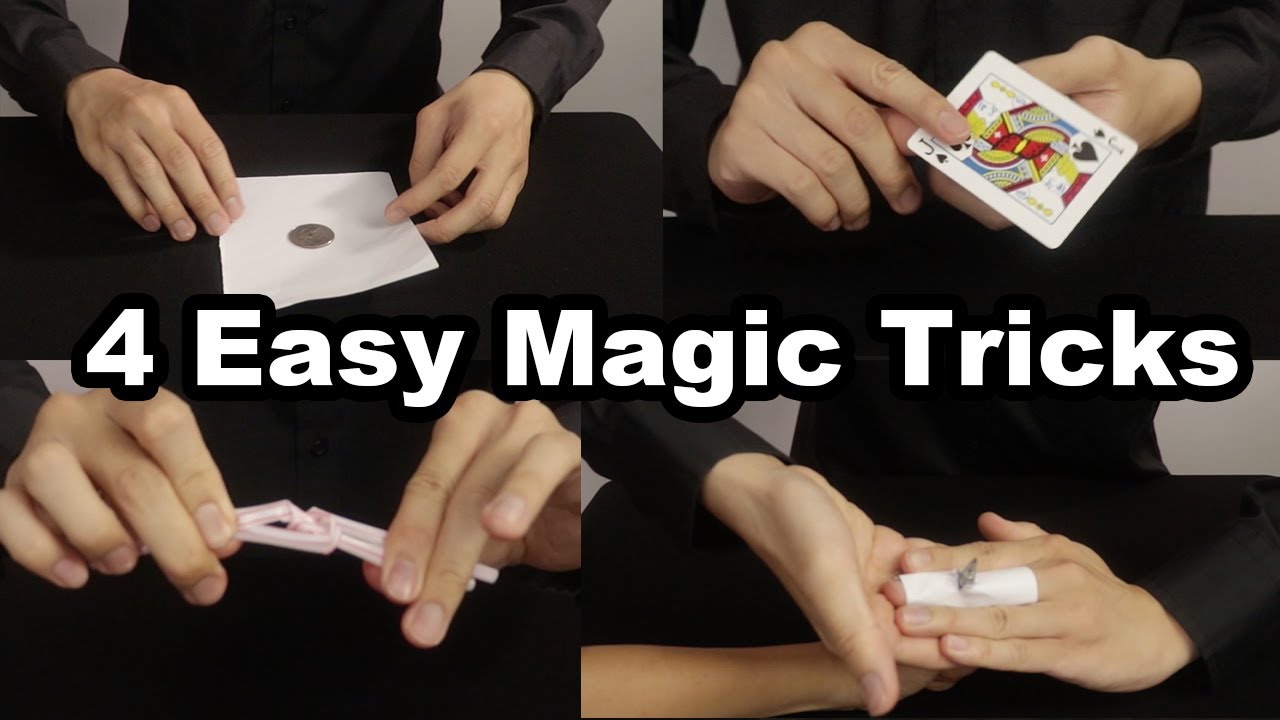
Here are a few examples of simple illusions that you can create yourself:
- Coin vanish: Place a coin on the back of your hand and then use misdirection to distract the audience's attention. As you palm the coin, use a verbal cue to make the audience believe that the coin has disappeared.
- Card trick: Place a card in your hand and then use sleight of hand to conceal it. Use a verbal cue to make the audience believe that the card has been shuffled and is now in a different location.
- Cups and balls: Place a ball under one of three cups and then use misdirection to distract the audience's attention. As you lift up the cups, use a verbal cue to make the audience believe that the ball has disappeared.
Conclusion
The art of illusion is a complex and fascinating one, with a deep understanding of psychology, physics, and misdirection. By understanding the basics of illusion, including perception manipulation, visual illusion, and misdirection, we can gain a deeper appreciation for the art of deception. Whether you're a seasoned magician
Recent Post
Unlocking The Secrets Of Menopause: Expert Insights On Navigating Life After 40 With Paolo Tantoco
Tensions Rise As Trump Officials Defend Tariffs Amid Market Volatility And Warnings For Savers And Retirees
Rosie O'Donnell Teases Trump Move, Posts Disruptive Selfie From Abroad
Wings For The Win: Capitals Edge Ducks 7-4 In Thrilling Matchup
Ducks Fall Short: Key Takeaways From Thrilling 7-4 Loss To Capitals
Article Recommendations
- Connie Nio Case: Unraveling The Complexities Of Data Privacy In The Digital Age
- Unveiling The Allure Of Diabla Lara: A Symphony Of Mystery And Charismatic Rebellion
- Discover The Enchanting World Of Turkish Star Demet Özdemir
/Learn-and-perform-easy-magic-tricks-ADD-4121915-FINAL-055a28bc695642e0a234b6c923f88261.png)