Houston, We Have a Weather Problem (And the Solution is Here!)
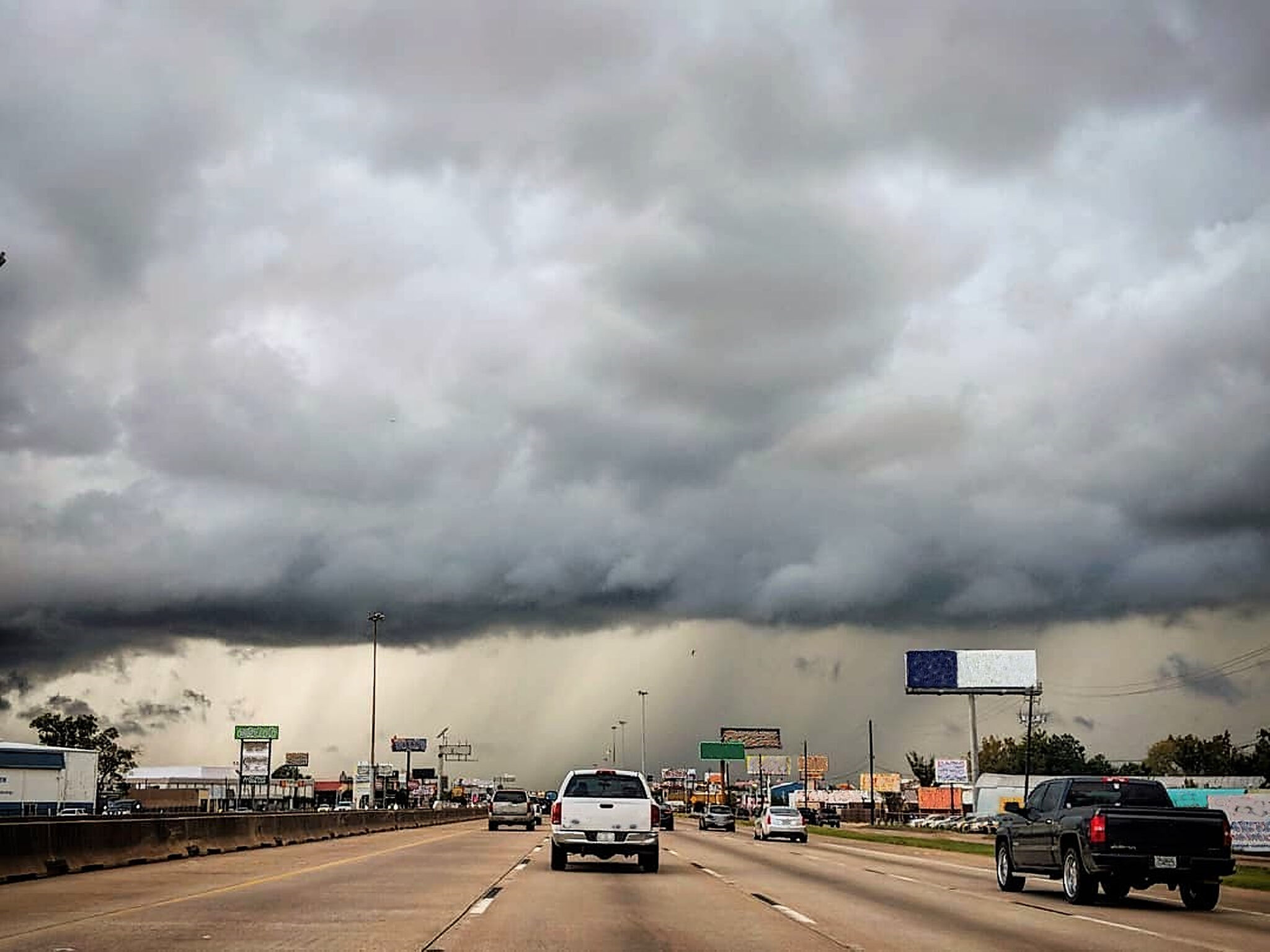
Houston, Texas is known for its scorching hot summers and unpredictable weather patterns. The city's unique geography, located in the southeastern part of the United States, makes it prone to severe thunderstorms, heavy rainfall, and even occasional hurricanes. In fact, Houston is often referred to as one of the most weather-vulnerable cities in the country.
Weather-related issues can have a significant impact on daily life in Houston. From disrupted transportation systems to business closures, the effects of bad weather can be far-reaching and costly. In recent years, the city has experienced several devastating weather events, including Hurricane Harvey in 2017, which caused catastrophic flooding and estimated damages of over $125 billion.
However, with the advent of advanced weather forecasting technology and smart home innovations, Houston residents can now take steps to mitigate the effects of bad weather. In this article, we'll explore the causes of Houston's weather problems and introduce a range of solutions that can help the city prepare for and respond to severe weather events.
Understanding the Causes of Houston's Weather Problems
Houston's unique geography is a major contributor to its weather issues. The city is situated in a low-lying area, surrounded by large bodies of water, including the Gulf of Mexico and the Houston Ship Channel. This location makes it prone to flooding, especially during heavy rainfall events.
In addition to its geography, Houston's climate is also influenced by its location in the southern United States. The city experiences a subtropical climate, characterized by hot summers and mild winters. However, this climate is also marked by significant temperature fluctuations, which can lead to severe thunderstorms and tornadoes.
Other factors that contribute to Houston's weather problems include:
• Climate change: Rising temperatures and changing precipitation patterns are leading to more frequent and severe weather events in the region.
• Urbanization: The rapid growth of the city and its surrounding suburbs has led to increased urbanization, which can exacerbate weather-related issues.
• Population density: Houston is one of the most populous cities in the United States, which means that there are more people to be affected by severe weather events.
Advanced Weather Forecasting Technology
One of the most significant advancements in weather forecasting technology is the use of advanced computer models and high-performance computing. These models can simulate complex weather patterns and provide accurate predictions of severe weather events, such as hurricanes and tornadoes.
In addition to advanced computer models, weather forecasting technology also relies on a range of data sources, including:
• Satellite imagery: Satellites can provide high-resolution images of weather systems, which can be used to track storms and predict their movement.
• Radar: Radar systems use radio waves to detect precipitation and other weather phenomena, providing critical data for weather forecasting.
• Weather stations: Weather stations on the ground can provide detailed information about temperature, humidity, and wind speed, which can be used to predict weather patterns.
Smart Home Innovations
Smart home innovations have also become increasingly important in helping Houston residents prepare for and respond to severe weather events. These innovations include:
• Weather monitoring systems: Smart home systems can monitor weather conditions, such as temperature and humidity, and provide alerts when severe weather is approaching.
• Emergency alerts: Smart home systems can send emergency alerts to residents, ensuring that they receive critical information in the event of a severe weather event.
• Power management systems: Smart home systems can also manage power consumption during severe weather events, reducing the risk of power outages and ensuring that critical systems, such as hospitals and emergency services, remain operational.
Stormwater Management Systems
Stormwater management systems are also critical in helping Houston residents prepare for and respond to severe weather events. These systems include:
• Rainwater harvesting: Rainwater harvesting systems can collect and store rainwater, reducing the burden on the city's drainage system and preventing flooding.
• Green infrastructure: Green infrastructure, such as green roofs and rain gardens, can help to manage stormwater runoff and reduce the risk of flooding.
• Permeable pavement: Permeable pavement can also help to manage stormwater runoff, reducing the amount of stormwater that enters the city's drainage system.
Economic Benefits of Weather-Resilient Infrastructure
Investing in weather-resilient infrastructure can have significant economic benefits for the city of Houston. These benefits include:
• Reduced damage to property: Weather-resilient infrastructure can help to reduce the risk of property damage and loss, which can have significant economic implications.
• Improved public health: Weather-resilient infrastructure can also improve public health by reducing the risk of flooding and waterborne illnesses.
• Increased economic activity: Weather-resilient infrastructure can also increase economic activity by providing a more stable and secure environment for businesses and residents.
Conclusion
Houston's weather problems are a complex and multifaceted issue, influenced by a range of factors, including its unique geography, climate, and population density. However, with the advent of advanced weather forecasting technology and smart home innovations, the city can now take steps to mitigate the effects of bad weather.
Investing in weather-resilient infrastructure, including stormwater management systems and green infrastructure, can also have significant economic benefits for the city. By prioritizing weather-resilient infrastructure, Houston can build a more sustainable and resilient future, one that is better equipped to handle the challenges of a changing climate.
Implementing Weather-Resilient Infrastructure
Implementing weather-resilient infrastructure requires a coordinated effort from government agencies, businesses, and residents. Some key steps include:
• Conducting thorough risk assessments: Conducting thorough risk assessments can help to identify areas of high risk and prioritize infrastructure investments.
• Developing smart infrastructure plans: Developing smart infrastructure plans can help to integrate weather-resilient infrastructure into the city's existing infrastructure.
• Engaging with the community: Engaging with the community can help to build support for weather-resilient infrastructure initiatives and ensure that residents are involved in
Recent Post
Unlocking The Secrets Of Menopause: Expert Insights On Navigating Life After 40 With Paolo Tantoco
Tensions Rise As Trump Officials Defend Tariffs Amid Market Volatility And Warnings For Savers And Retirees
Rosie O'Donnell Teases Trump Move, Posts Disruptive Selfie From Abroad
Wings For The Win: Capitals Edge Ducks 7-4 In Thrilling Matchup
Ducks Fall Short: Key Takeaways From Thrilling 7-4 Loss To Capitals
Article Recommendations
- Tara Reid's Love Life: Who's Her Current Husband And Past Relationships
- Orlando Brown's Tragic Downfall: A Journey From Stardom To Despair
- Meet Michael Galeotti: The Charismatic Entrepreneur Shaping The Future Of Business And Technology


