The Troubling Legacy of Guantanamo: A Critical Examination of the World's Most Infamous Detention Center
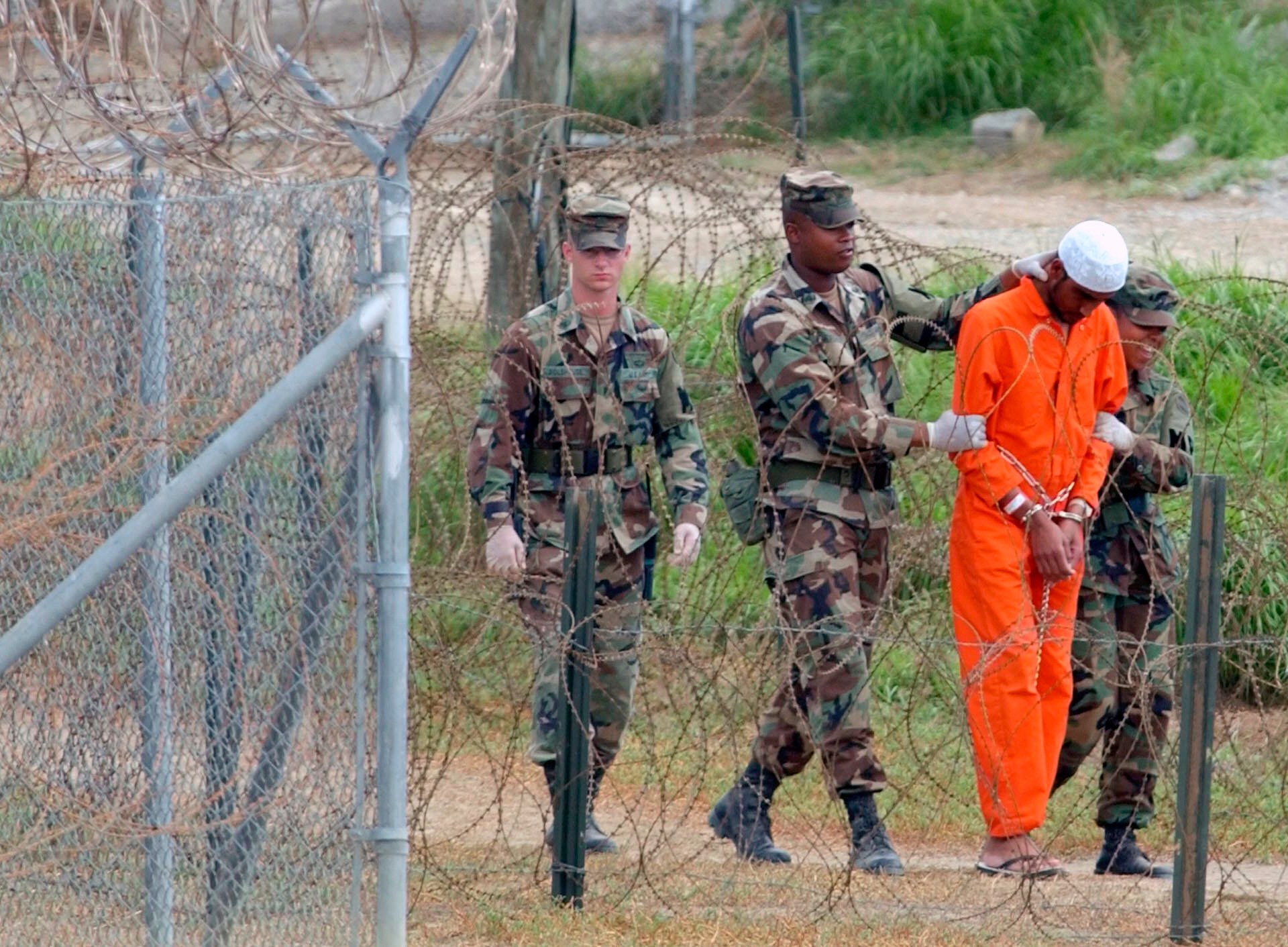
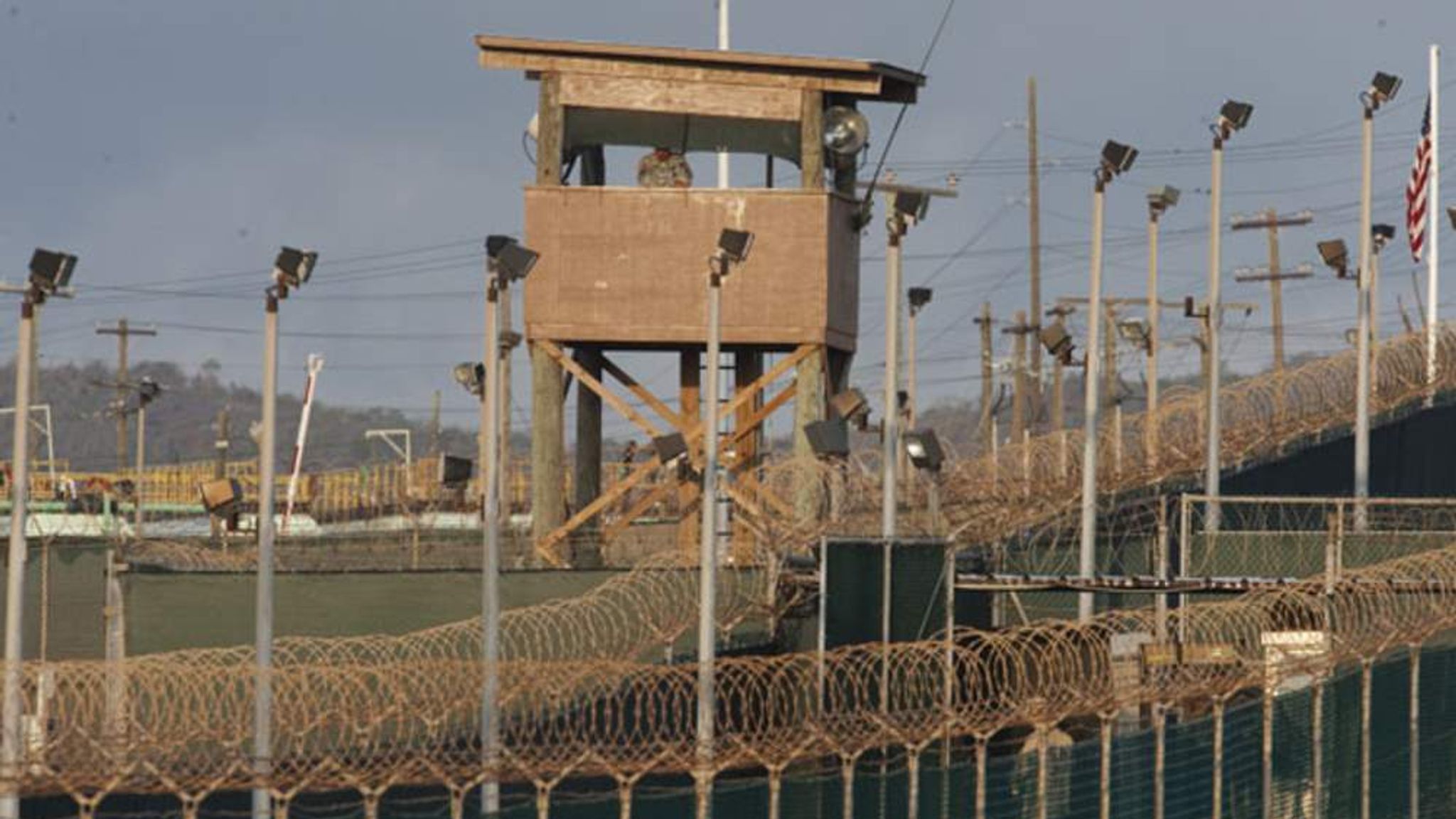
Guantanamo Bay, a small island in southeastern Cuba, has become synonymous with the darker aspects of the War on Terror. For nearly two decades, the detention center on the island has held men, some of whom have been accused of being terrorists, while others have been prisoners of war. The facility has been the subject of intense debate and controversy, with many critics arguing that it is a symbol of human rights abuses and a symbol of American imperialism. In this article, we will delve into the history of Guantanamo, its operations, and the impact it has had on international relations and global politics.
Guantanamo has its roots in the early 20th century, when the United States first occupied the island during the Spanish-American War. At the time, the island was used as a naval base and a coaling station for American ships. After the war, the United States and Cuba signed a treaty that allowed the US to occupy the island until the termination of the war. This treaty was later revised in 1934, and the US continued to occupy the island until the end of World War II.
The Post-9/11 Era and the Creation of Guantanamo
The modern era of Guantanamo began on October 7, 2001, when the United States launched Operation Enduring Freedom, a military campaign aimed at rooting out Al-Qaeda and its Taliban allies in Afghanistan. As part of this campaign, the US government established a new detention center on Guantanamo Bay, which was intended to house men who had been captured in Afghanistan and were suspected of being terrorists.
The Guantanamo detention center was established by Executive Order 13828, signed by President George W. Bush on November 13, 2001. The order established a special military commission to try detainees at Guantanamo, and it authorized the use of interrogation techniques that were later revealed to be harsh and coercive.
The Purpose of Guantanamo: Detention, Trial, and Rehabilitation
The primary purpose of Guantanamo was to provide a secure and humane environment for detainees who had been captured in the War on Terror. The facility was designed to hold men who had been suspected of being terrorists, and it was intended to provide them with a fair and impartial trial.
However, the Guantanamo detention center has been criticized for its arbitrary and biased screening process, which has led to the detention of many men who were not truly suspected of being terrorists. In 2014, it was estimated that over 40% of the detainees at Guantanamo were innocent, and many had been held at the facility for over a decade without being charged or tried.
The Treatment of Detainees at Guantanamo
The treatment of detainees at Guantanamo has been widely criticized for its harsh and coercive nature. Many detainees have reported being subjected to physical and psychological abuse, including torture, sensory deprivation, and sleep deprivation.
In 2006, the UN Special Rapporteur on Torture, Manfred Novak, published a report that documented the widespread use of torture and cruel, inhuman, and degrading treatment at Guantanamo. The report concluded that the US government had breached its obligations under international law, and it called for an immediate end to the use of torture and coercive interrogation techniques.
The Impact of Guantanamo on International Relations
Guantanamo has had a significant impact on international relations, particularly in the Middle East and Latin America. The facility has been seen as a symbol of American imperialism and a symbol of human rights abuses, and it has contributed to a deepening sense of mistrust and hostility towards the United States in many parts of the world.
In 2002, the European Union imposed a travel ban on 38 individuals linked to Guantanamo, citing concerns about their involvement in terrorist activities. The ban was later lifted, but it highlighted the controversy surrounding the facility and its impact on international relations.
The Future of Guantanamo
In recent years, there have been several attempts to close Guantanamo and transfer detainees to other countries. In 2009, President Barack Obama signed an executive order aimed at closing the facility, but the order was blocked by Congress.
In 2016, the Obama administration announced that it would transfer 35 detainees to the United States for trial, and 12 detainees would be transferred to the United Kingdom. However, the Trump administration reversed many of the Obama-era policies, and it has continued to operate Guantanamo as a major symbol of American military power.
The Current Status of Guantanamo
Today, Guantanamo remains a highly contested and sensitive issue. The facility continues to hold over 40 detainees, many of whom have been held for over a decade without being charged or tried.
In 2019, the Trump administration announced that it would keep Guantanamo open "forever," citing concerns about the security risks posed by the facility. However, the announcement was met with widespread criticism, and many lawmakers and human rights groups have called for the facility to be closed.
Conclusion
Guantanamo is a complex and deeply contested issue that has been the subject of intense debate and controversy for nearly two decades. The facility has been criticized for its harsh and coercive treatment of detainees, its arbitrary and biased screening process, and its impact on international relations and global politics.
As the world continues to grapple with the challenges of the War on Terror, it is essential that we critically examine the legacy of Guantanamo and the policies that have led to its creation and operation. Only by understanding the complexities of this issue can we begin to build a more just and equitable future for all.
Recent Post
Unlocking The Secrets Of Menopause: Expert Insights On Navigating Life After 40 With Paolo Tantoco
Tensions Rise As Trump Officials Defend Tariffs Amid Market Volatility And Warnings For Savers And Retirees
Rosie O'Donnell Teases Trump Move, Posts Disruptive Selfie From Abroad
Wings For The Win: Capitals Edge Ducks 7-4 In Thrilling Matchup
Ducks Fall Short: Key Takeaways From Thrilling 7-4 Loss To Capitals
Article Recommendations
- Chudney Ross: Unmasking The Hidden Gems And Untold Stories
- Discover The Enchanting World Of Turkish Star Demet Özdemir
- Unveiling Sabrina Carpenter's Height And Weight: An Inside Look At The Disney Star's Stats