Save Our Planet or Break the Bank: The Green New Deal's Uncertain Future
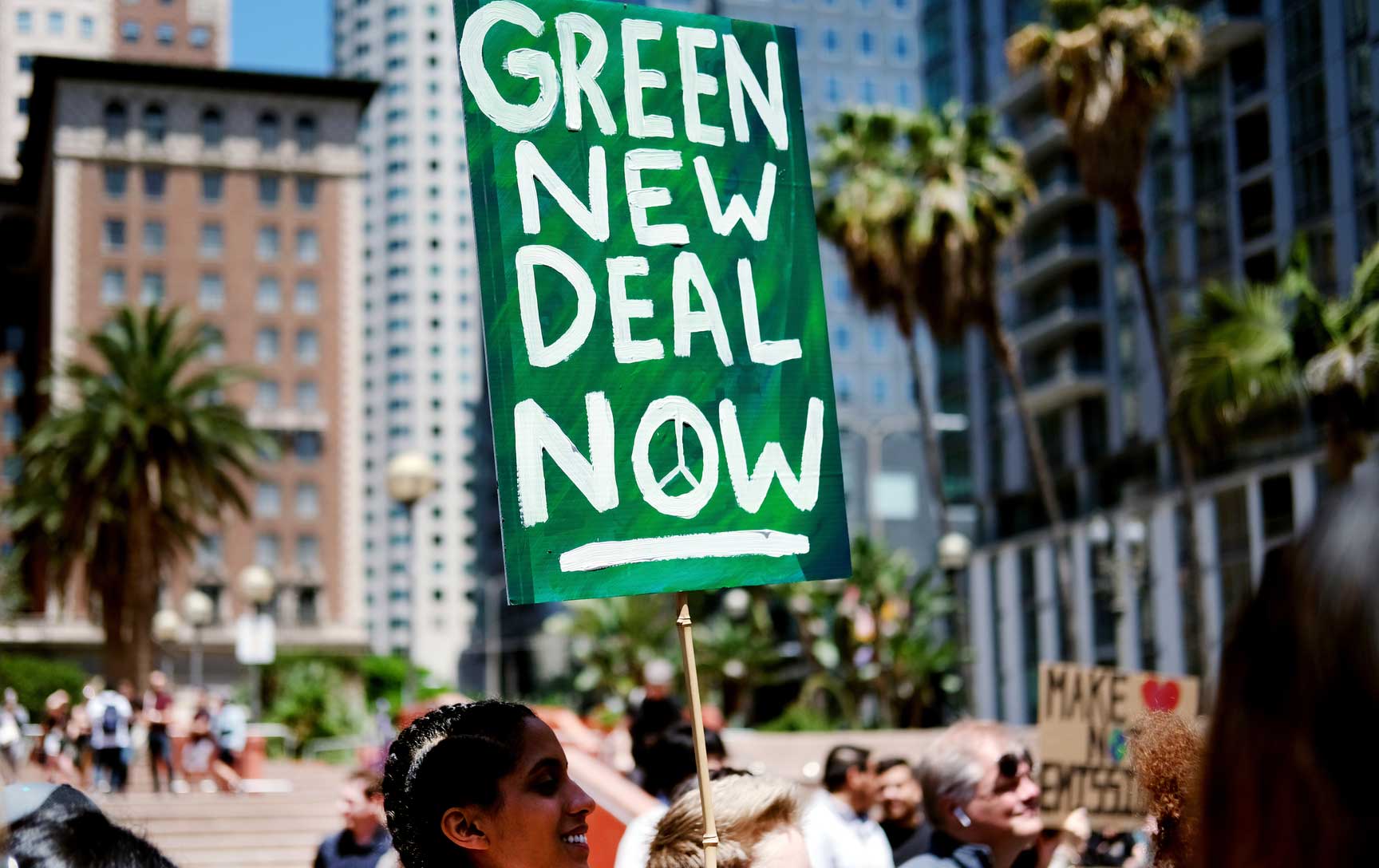
The Green New Deal, a proposed plan to transition the United States to a carbon-neutral economy, has been making headlines for months. The initiative, which aims to address climate change and promote sustainable development, has sparked intense debate about its feasibility and potential impact on the economy. While some argue that the Green New Deal is a necessary step towards a sustainable future, others claim that it will lead to widespread job losses, economic devastation, and financial ruin. In this article, we will delve into the world of the Green New Deal, examining its potential benefits and drawbacks, and exploring the uncertain future of this ambitious plan.
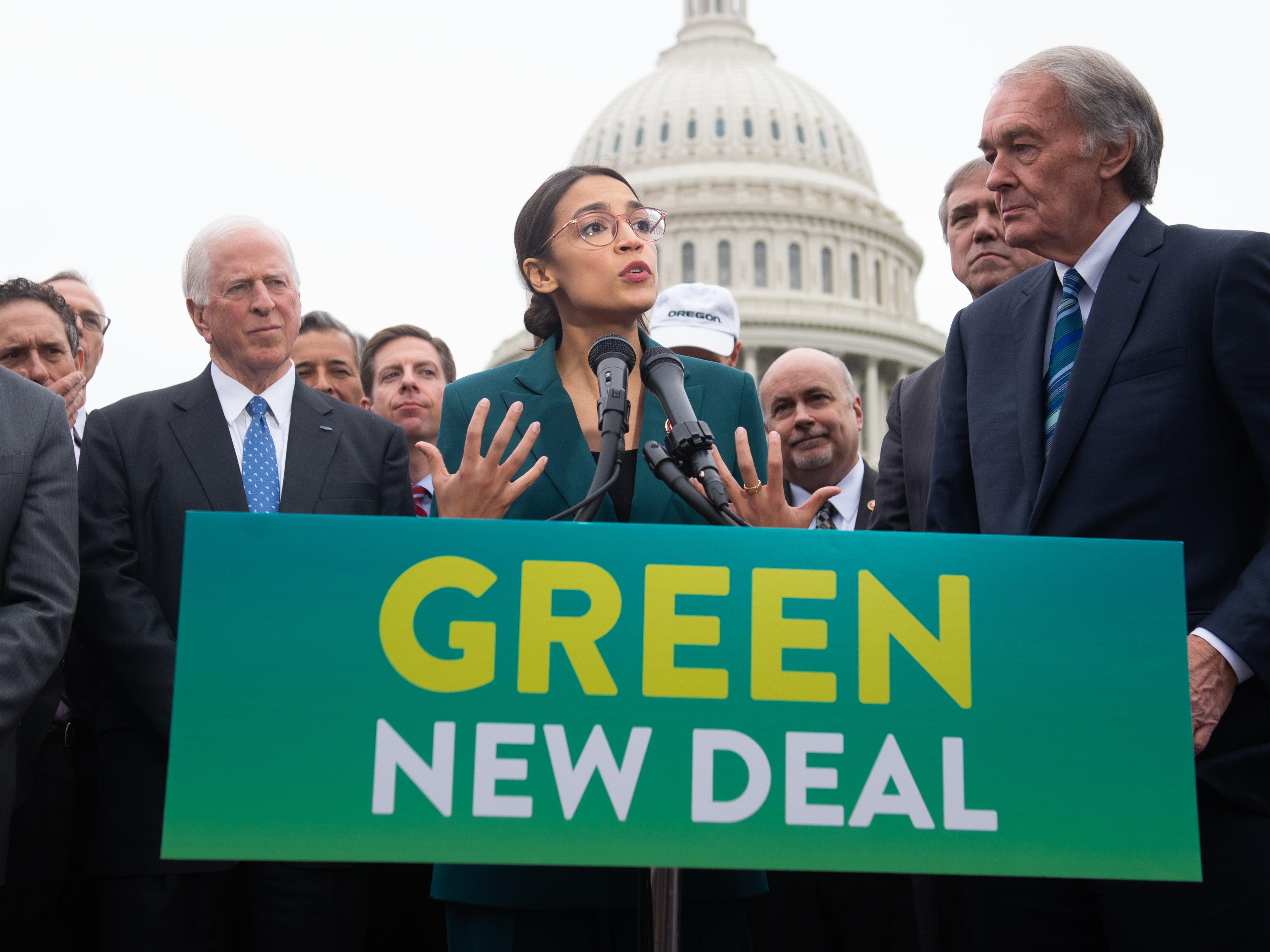
The Green New Deal was first proposed by Rep. Alexandria Ocasio-Cortez (D-NY) and Sen. Ed Markey (D-MA) in February 2019. The plan aims to achieve a number of ambitious goals, including reducing greenhouse gas emissions by 80% by 2030, increasing renewable energy production to 100% of the country's energy needs, and promoting sustainable agriculture and infrastructure development. While the plan's specifics are still being debated, its core principles are clear: to create a sustainable future for all Americans.
Understanding the Green New Deal
The Green New Deal is a comprehensive plan that addresses a wide range of issues, including climate change, energy production, transportation, agriculture, and infrastructure development. At its core, the plan is an attempt to create a sustainable economy that works for all Americans, regardless of income or geographical location.
Key Components of the Green New Deal
- Reducing Greenhouse Gas Emissions: The Green New Deal aims to reduce greenhouse gas emissions by 80% by 2030, primarily through the adoption of renewable energy sources, such as solar and wind power.
- Increasing Renewable Energy Production: The plan calls for increasing renewable energy production to 100% of the country's energy needs, with a focus on onshore and offshore wind, solar, and hydroelectric power.
- Promoting Sustainable Agriculture: The Green New Deal promotes sustainable agriculture practices, including regenerative agriculture and agroforestry, to reduce synthetic fertilizer use and promote soil health.
- Developing Sustainable Infrastructure: The plan calls for investing in sustainable infrastructure development, including green buildings, smart grids, and green transportation systems.
Economic Impact of the Green New Deal
The economic impact of the Green New Deal is a topic of much debate. While some argue that the plan will create new jobs and stimulate economic growth, others claim that it will lead to widespread job losses and economic devastation.
Potential Economic Benefits
- Creating New Jobs: The Green New Deal aims to create new jobs in the renewable energy sector, as well as in sustainable agriculture and infrastructure development.
- Stimulating Economic Growth: The plan calls for investing in sustainable infrastructure development, which could lead to increased economic growth and development.
- Reducing Healthcare Costs: The Green New Deal aims to reduce greenhouse gas emissions, which could lead to reduced healthcare costs and improved public health.
Potential Economic Drawbacks
- Job Losses in Fossil Fuel Industry: The transition to renewable energy could lead to job losses in the fossil fuel industry, particularly in coal mining and drilling.
- Increased Energy Costs: The plan's focus on renewable energy could lead to increased energy costs, particularly for low-income households.
- Infrastructure Costs: The Green New Deal's focus on sustainable infrastructure development could lead to significant infrastructure costs, which could be passed on to consumers.
Environmental Impact of the Green New Deal
The environmental impact of the Green New Deal is a critical aspect of the plan. While the plan aims to reduce greenhouse gas emissions and promote sustainable development, its environmental impact is still being debated.
Potential Environmental Benefits
- Reducing Greenhouse Gas Emissions: The Green New Deal aims to reduce greenhouse gas emissions by 80% by 2030, which could help to mitigate the worst effects of climate change.
- Promoting Sustainable Agriculture: The plan's focus on sustainable agriculture practices could lead to improved soil health, reduced water pollution, and increased biodiversity.
- Protecting Natural Habitats: The Green New Deal aims to protect natural habitats, including forests, wetlands, and wildlife reserves.
Potential Environmental Drawbacks
- Increased Greenhouse Gas Emissions from Transportation: The plan's focus on renewable energy could lead to increased greenhouse gas emissions from transportation, particularly if electric vehicles are not widely adopted.
- Soil Degradation from Regenerative Agriculture: The plan's focus on regenerative agriculture could lead to soil degradation, particularly if practices are not implemented sustainably.
- Water Pollution from Sustainable Agriculture: The plan's focus on sustainable agriculture practices could lead to water pollution, particularly if farming practices are not implemented sustainably.
Implementing the Green New Deal
Implementing the Green New Deal will require significant investment and planning. While the plan's specifics are still being debated, its implementation will require a number of key steps, including:
Key Steps for Implementing the Green New Deal
- Establishing a National Renewable Energy Standard: The government should establish a national renewable energy standard, which sets a goal for renewable energy production and provides a framework for achieving it.
- Investing in Sustainable Infrastructure Development: The government should invest in sustainable infrastructure development, including green buildings, smart grids, and green transportation systems.
- Promoting Sustainable Agriculture Practices: The government should promote sustainable agriculture practices, including regenerative agriculture and agroforestry, to reduce synthetic fertilizer use and promote soil health.
- Developing a National Climate Plan: The government should develop a national climate plan, which sets a goal for reducing greenhouse gas emissions and provides a framework for achieving it.
Conclusion
The Green New Deal is a complex and ambitious plan that aims to address climate change and promote sustainable development. While the
Recent Post
Unlocking The Secrets Of Menopause: Expert Insights On Navigating Life After 40 With Paolo Tantoco
Tensions Rise As Trump Officials Defend Tariffs Amid Market Volatility And Warnings For Savers And Retirees
Rosie O'Donnell Teases Trump Move, Posts Disruptive Selfie From Abroad
Wings For The Win: Capitals Edge Ducks 7-4 In Thrilling Matchup
Ducks Fall Short: Key Takeaways From Thrilling 7-4 Loss To Capitals
Article Recommendations
- Unveiling The Mystery: Safaiddiqui's Age Emerges, Surprising The Internet
- Kate Winslet's Stunning Transformation: From 'Titanic' To 'Avatar'
- Imoo Jung's Husband: Unraveling The Life And Career Of Park Sung-hoon