The Global Effort To End Violence Against Women: A Decade of Progress, But Still a Long Way to Go
Violence against women is a pervasive and entrenched issue that affects women and girls worldwide, causing physical, emotional, and psychological harm. The United Nations estimates that one in three women worldwide have experienced physical or sexual violence in their lifetime. Despite significant progress made in recent years, the global effort to end violence against women remains a pressing concern, with many countries failing to meet their commitments to address this complex issue.
The road to ending violence against women is fraught with challenges, from entrenched patriarchal attitudes and societal norms to inadequate laws and policies. However, the past decade has seen significant progress, with many countries taking steps to strengthen laws and policies, increase public awareness, and provide support to victims of violence. This article will examine the current state of the global effort to end violence against women, highlighting successes and setbacks, and exploring the challenges that lie ahead.
Defining Violence Against Women
Violence against women encompasses a range of behaviors, including physical, emotional, and psychological abuse. It can take many forms, including domestic violence, sexual assault, human trafficking, and female genital mutilation. Violence against women is not just a personal issue, but also has broader societal implications, perpetuating inequality and limiting economic and social mobility.
Types of Violence Against Women
Violence against women can be categorized into several types, including:
• Domestic violence: Physical, emotional, or psychological abuse within the home or intimate relationship
• Sexual assault: Non-consensual sexual contact, including rape, molestation, and other forms of unwanted touching
• Human trafficking: The exploitation of women and girls for labor, sex, or other forms of servitude
• Female genital mutilation: A practice that involves the removal or alteration of female genitalia, often performed without consent
The Role of the United Nations
The United Nations has played a critical role in addressing violence against women, through the adoption of several key instruments, including the Convention on the Elimination of All Forms of Discrimination against Women (CEDAW) and the Beijing Platform for Action. These instruments provide a framework for countries to address violence against women, through laws, policies, and programs that promote gender equality and human rights.
UN Initiatives and Activities
The United Nations has launched several initiatives and activities to address violence against women, including:
• The UN Office on Drugs and Crime's (UNODC) Global Programme to End Violence against Women and Girls
• The UN Women's Global Programme to Prevent Violence against Women and Girls
• The UN's Sustainable Development Goals (SDGs), which include targets to end all forms of violence against women and girls
National Efforts to End Violence Against Women
While the United Nations has played a critical role in addressing violence against women, many countries have also taken steps to address this issue. These efforts include strengthening laws and policies, increasing public awareness, and providing support to victims of violence.
Success Stories
Some countries have made significant progress in addressing violence against women, including:
• Iceland, which has implemented a range of measures to address domestic violence, including mandatory counseling and restorative justice programs
• Sweden, which has established a network of support services for victims of violence, including counseling, housing, and employment assistance
• Rwanda, which has implemented a comprehensive approach to addressing gender-based violence, including laws, policies, and programs to address masculinity and societal norms
Challenges and Setbacks
Despite progress made in recent years, many countries still face significant challenges in addressing violence against women. These include:
• Limited resources: Many countries lack the resources and funding needed to implement effective programs and services to address violence against women
• Lack of awareness: Many people, particularly men, remain unaware of the issue of violence against women and its impact on individuals and society
• Inadequate laws and policies: Many countries have laws and policies that perpetuate violence against women, rather than addressing it
Barriers to Progress
Some of the key barriers to progress in addressing violence against women include:
• Cultural and societal norms: Many societies still perpetuate traditional and cultural norms that contribute to violence against women
• Economic inequality: Women often face significant economic inequality, limiting their access to resources and opportunities
• Limited access to services: Many women lack access to services, including healthcare, counseling, and support, which can exacerbate violence against women
The Way Forward
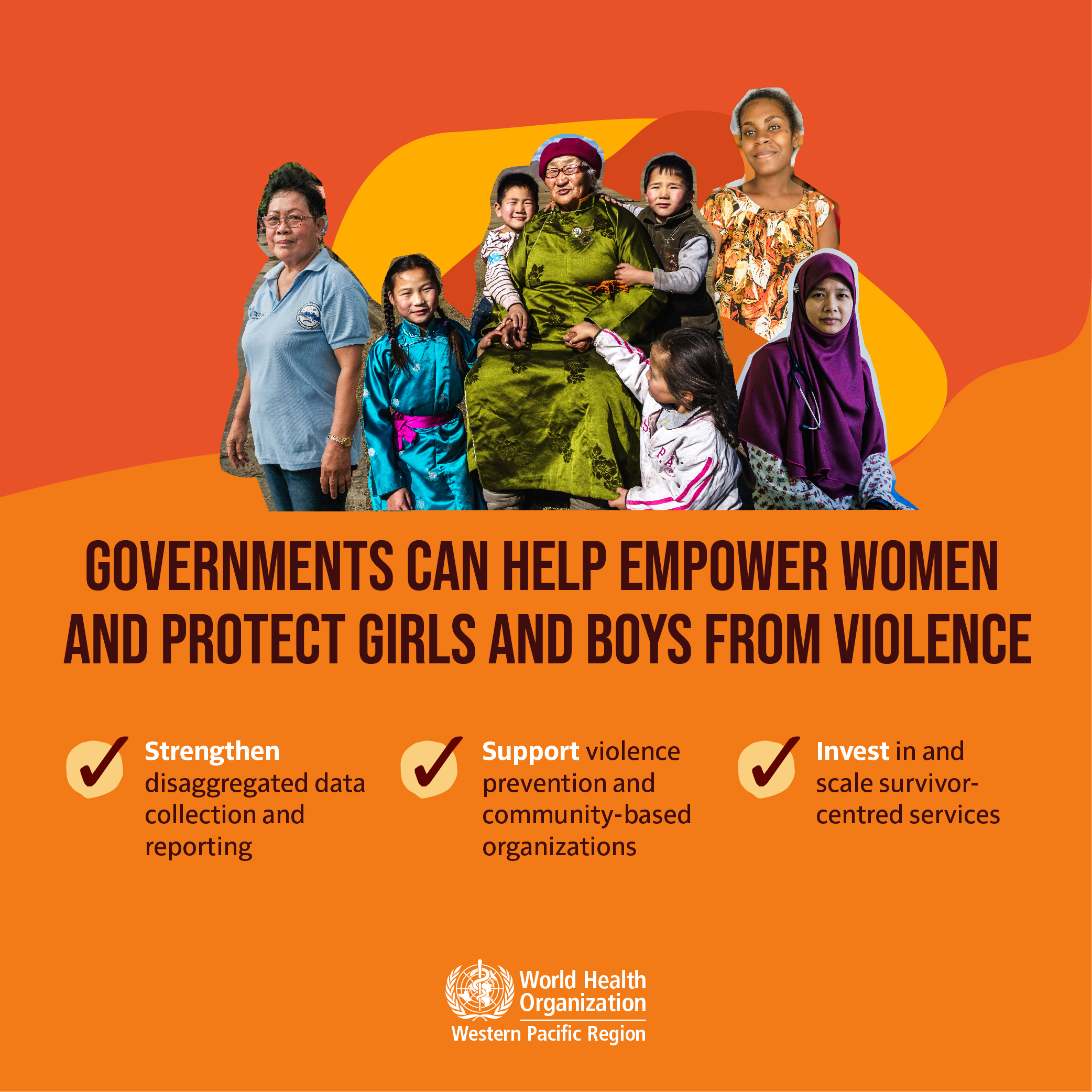
Addressing violence against women requires a comprehensive and multi-faceted approach, involving governments, civil society, and individuals. This includes:
• Strengthening laws and policies: Countries must strengthen laws and policies to address violence against women, including implementing affirmative measures to address inequalities
• Increasing public awareness: Public awareness campaigns are critical in reducing stigma and promoting a culture of respect for women
• Providing support to victims: Countries must provide comprehensive support services to victims of violence, including counseling, housing, and employment assistance
Key Strategies
Some key strategies to address violence against women include:
• Developing and implementing effective laws and policies
• Increasing public awareness and education
• Providing comprehensive support services to victims of violence
• Addressing the root causes of violence, including economic inequality and cultural norms
Conclusion
The global effort to end violence against women is a complex and challenging issue, requiring a comprehensive and multi-faceted approach. While progress has been made in recent years, many countries still face significant challenges in addressing this issue. By strengthening laws and policies, increasing public awareness, and providing support to victims, we can work towards a future where violence against women is no longer tolerated.
A Call to Action
We must continue to advocate for the rights of women and girls, and to challenge the systems and structures that perpetuate violence against them. We must work together, as individuals, organizations, and governments, to create a world where all women and girls can live free from violence
Recent Post
Unlocking The Secrets Of Menopause: Expert Insights On Navigating Life After 40 With Paolo Tantoco
Tensions Rise As Trump Officials Defend Tariffs Amid Market Volatility And Warnings For Savers And Retirees
Rosie O'Donnell Teases Trump Move, Posts Disruptive Selfie From Abroad
Wings For The Win: Capitals Edge Ducks 7-4 In Thrilling Matchup
Ducks Fall Short: Key Takeaways From Thrilling 7-4 Loss To Capitals
Article Recommendations
- Unlock Your Local SEO Prowess With The Localeo Rank Checker
- Unveiling The Age Of Katiana Kay: Behind The Curtain Of A Rising Star
- Unveiling The Riches: Rick Harrison's Astonishing Net Worth