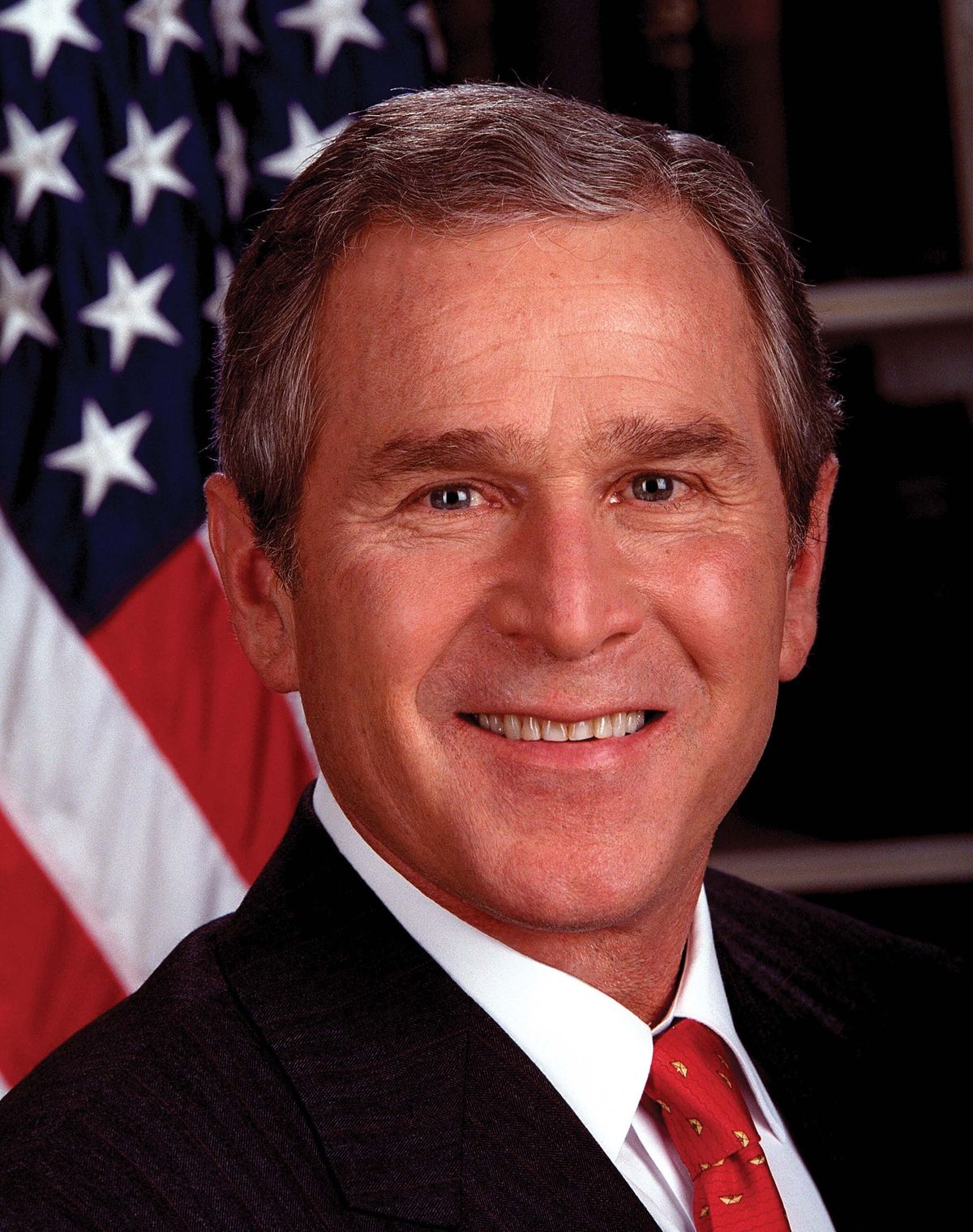
Bush's Biggest Blunders: A Shocking Retrospective
George W. Bush, the 43rd President of the United States, left an indelible mark on American politics during his time in office from 2001 to 2009. While his administration made significant strides in areas like education and veterans' affairs, it also committed a number of high-profile blunders that had far-reaching consequences. In this article, we'll take a deep dive into some of Bush's biggest blunders, exploring the circumstances surrounding each incident and the impact they had on the country.
One of the most significant blunders of Bush's presidency was the handling of Hurricane Katrina in 2005. The storm made landfall in Louisiana, causing catastrophic damage and flooding to New Orleans, which left hundreds of thousands of people stranded and without access to basic necessities like food and water. The federal government's response to the disaster was widely criticized, with many arguing that it was slow and inadequate.
Timeline of Hurricane Katrina
- August 2005: Hurricane Katrina makes landfall in Louisiana, causing widespread destruction and flooding in New Orleans
- August 2005: President Bush departs for Texas, despite the severity of the situation, and returns to Washington to meet with governors and other officials
- August 2005: Federal aid begins to arrive in New Orleans, but it's too little, too late
- September 2005: President Bush returns to New Orleans to survey the damage, but his visit is widely criticized as a PR stunt
Consequences of Hurricane Katrina
- Over 1,800 people lost their lives in the storm, with many more injured or displaced
- The storm caused an estimated $125 billion in damages, making it one of the costliest natural disasters in U.S. history
- The disaster exposed deep-seated racial and socioeconomic disparities in New Orleans, with many low-income African American neighborhoods particularly hard hit
The handling of Hurricane Katrina was just one of many blunders that plagued Bush's presidency. Another notable example was the invasion of Iraq in 2003, which was based on false intelligence about the country's alleged possession of weapons of mass destruction. The invasion led to a protracted and bloody conflict that lasted for years, causing widespread instability and violence in the region.
The Road to War
- March 2003: President Bush delivers a speech to Congress, calling for the invasion of Iraq
- April 2003: U.S. and coalition forces launch a series of airstrikes against Iraqi military targets
- March 2003: U.S. troops enter Baghdad, marking the beginning of the end of Saddam Hussein's regime
Consequences of the Iraq War
- Over 4,000 U.S. service members were killed in the conflict, with many more injured or missing in action
- Estimates suggest that between 150,000 to 600,000 Iraqi civilians were killed during the war
- The invasion and occupation of Iraq have had a lasting impact on the country, contributing to widespread sectarian violence and instability
Bush's presidency was also marked by a number of domestic policy blunders, including his handling of the economy. In 2001, the administration implemented a tax cut package that benefited the wealthy at the expense of the middle and lower classes. The move was widely criticized, with many arguing that it exacerbated income inequality and contributed to the growing national debt.
The Economic Stimulus Package
- March 2001: President Bush signs the Economic Growth and Tax Relief Reconciliation Act (EGTRRA) into law
- EGTRRA includes a number of tax cuts, including a reduction in the top marginal tax rate from 39.6% to 35%
- The package also provides a $110 billion tax cut for corporations
Consequences of the Tax Cut
- The tax cut has contributed to the growing national debt, with the deficit rising from $275 billion in 2001 to over $1 trillion in 2008
- The move has also exacerbated income inequality, with the wealthiest 10% of Americans capturing a growing share of national income
- The tax cut has also failed to stimulate economic growth, with many economists arguing that it was too small and poorly targeted to have a significant impact
Another domestic policy blunder of Bush's presidency was his handling of education. In 2001, the administration implemented the No Child Left Behind Act, which aimed to improve student performance by increasing accountability and setting higher standards. However, the law was widely criticized for its complex and bureaucratic implementation, which made it difficult for schools to comply with the new requirements.
The No Child Left Behind Act
- January 2002: President Bush signs the No Child Left Behind Act into law
- The law includes a number of provisions aimed at improving student performance, including increased accountability and standardized testing
- The law also requires states to develop and implement their own education standards and assessments
Consequences of No Child Left Behind
- The law has been criticized for its overly complex and bureaucratic implementation, which has made it difficult for schools to comply with the new requirements
- Many schools have struggled to meet the law's high standards, particularly in low-income and minority communities
- The law has also been criticized for its focus on standardized testing, which has led to a narrowing of the curriculum and a failure to emphasize other important subjects like arts and physical education
In addition to these blunders, Bush's presidency was also marked by a number of other significant mistakes. One notable example was his handling of the economy during the 2008 financial crisis. In the months leading up to the crisis, the administration had been criticized for its inaction and slow response to the growing economic threat.
The Financial Crisis
- July 2007: The housing market begins to show signs of trouble, with prices falling and defaults rising
- August 2007: The Federal Reserve lowers interest rates to try and
Recent Post
Unlocking The Secrets Of Menopause: Expert Insights On Navigating Life After 40 With Paolo Tantoco
Tensions Rise As Trump Officials Defend Tariffs Amid Market Volatility And Warnings For Savers And Retirees
Rosie O'Donnell Teases Trump Move, Posts Disruptive Selfie From Abroad
Wings For The Win: Capitals Edge Ducks 7-4 In Thrilling Matchup
Ducks Fall Short: Key Takeaways From Thrilling 7-4 Loss To Capitals
Article Recommendations
- Unlock Your Local SEO Prowess With The Localeo Rank Checker
- Chudney Ross: Unmasking The Hidden Gems And Untold Stories
- Neil Flynn: Uncovering The Secrets Of The Scrubs Star's Private Life
:max_bytes(150000):strip_icc()/GettyImages-71856793-2696b64ead214138b135a17de4584bfd.jpg)

