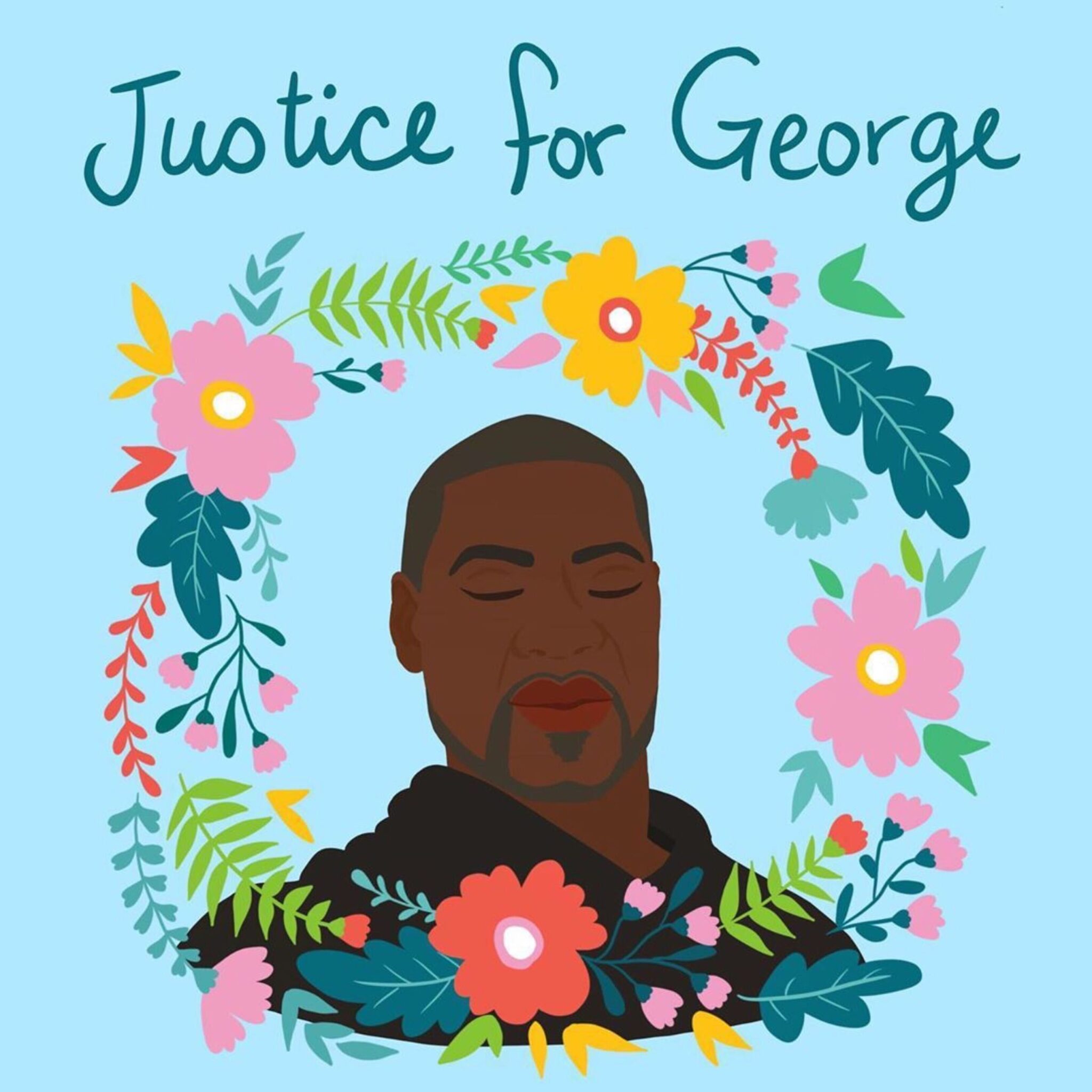
Justice for George Floyd: A National Conversation Sparks Calls for Change
The death of George Floyd at the hands of a Minneapolis police officer in May 2020 sparked a national conversation about systemic racism, police brutality, and social justice in the United States. The incident, which was captured on video and shared widely on social media, highlighted the need for reform and led to widespread protests and calls for change. In this article, we will explore the events surrounding George Floyd's death, the national conversation that followed, and the potential for lasting change.
The killing of George Floyd was a watershed moment in American history, marking a turning point in the national conversation about racial injustice. The incident occurred on May 25, 2020, when Derek Chauvin, a white police officer, knelt on Floyd's neck for over nine minutes, causing him to lose consciousness and ultimately die. The video of the incident, which showed Floyd repeatedly saying "I can't breathe," was shared on social media and quickly went viral, sparking outrage and calls for action.
Floyd's death was not an isolated incident, but rather one of many cases of police brutality and systemic racism that have plagued the United States for decades. According to data from the Washington Post, there were over 800 reported cases of police violence in the United States in 2019 alone, resulting in the deaths of over 600 people. The killings of Eric Garner, Michael Brown, and Trayvon Martin, among others, had also highlighted the need for reform and sparked calls for greater accountability from law enforcement.
A National Conversation Emerges
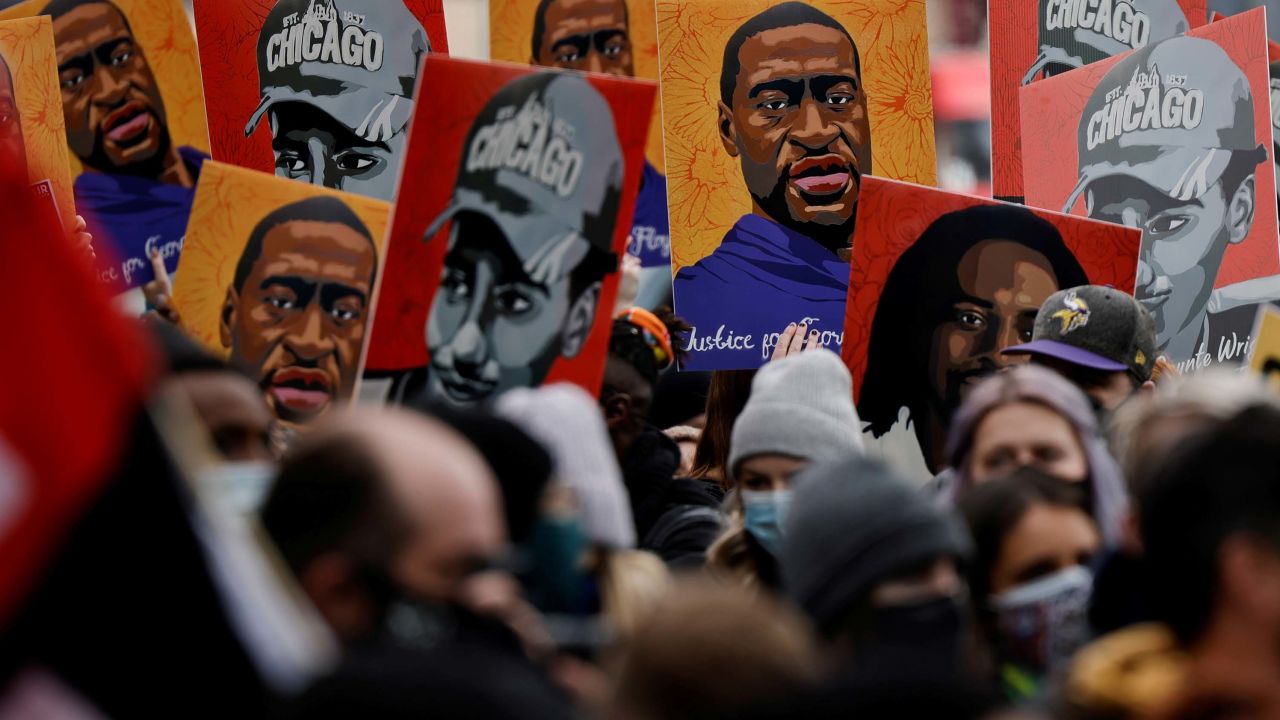
In the aftermath of Floyd's death, a national conversation emerged about systemic racism, police brutality, and social justice. The conversation was sparked by widespread protests and demonstrations, which took place in cities across the United States and around the world. The protests were led by activists, community leaders, and ordinary citizens, who demanded greater accountability from law enforcement and called for reforms to address systemic racism.
The national conversation was marked by a range of perspectives and opinions, with some people calling for greater policing of marginalized communities and others advocating for a complete overhaul of the justice system. The conversation was also marked by a sense of urgency, as many people recognized that the time for change was now.
The Role of Social Media
Social media played a critical role in the national conversation about George Floyd's death and the broader issues of systemic racism and police brutality. The video of Floyd's killing was shared widely on social media platforms, such as Facebook, Twitter, and Instagram, and quickly went viral. The sharing of the video sparked widespread outrage and calls for action, and helped to galvanize the national conversation.
Social media also provided a platform for activists and community leaders to share their perspectives and advocate for change. The hashtags #BlackLivesMatter and #JusticeForGeorgeFloyd became synonymous with the national conversation, and helped to amplify the voices of marginalized communities.
The Impact of Social Media on the National Conversation
The impact of social media on the national conversation about George Floyd's death and systemic racism was significant. Social media platforms provided a platform for activists and community leaders to share their perspectives and advocate for change. The sharing of the video of Floyd's killing sparked widespread outrage and calls for action, and helped to galvanize the national conversation.
The Role of Politicians and Government Officials
Politicians and government officials also played a critical role in the national conversation about George Floyd's death and systemic racism. Some politicians, such as Minneapolis Mayor Jacob Frey and Minnesota Governor Tim Walz, took swift action to address the situation, calling for police reform and greater accountability from law enforcement.
Others, however, were criticized for their response to the crisis. Some politicians, such as President Donald Trump, were accused of downplaying the significance of Floyd's death and using racial slurs. The criticism was widely condemned, and highlighted the need for greater leadership and accountability from politicians and government officials.
The Importance of Government Action
The importance of government action in addressing systemic racism and police brutality cannot be overstated. Government officials have a critical role to play in promoting policies and programs that address the root causes of these issues. This includes initiatives to improve police training, increase transparency and accountability, and provide support and resources to marginalized communities.
The Potential for Lasting Change
The national conversation about George Floyd's death and systemic racism sparked a potential for lasting change. The conversation highlighted the need for reform and led to widespread protests and calls for action. The government response to the crisis was also critical, with some politicians taking swift action to address the situation.
The potential for lasting change is significant, and will depend on the actions taken by government officials, law enforcement, and community leaders. Some potential areas of change include:
- Implementing police reform initiatives, such as body cameras and de-escalation training
- Increasing transparency and accountability from law enforcement, through measures such as civilian review boards and police transparency laws
- Providing support and resources to marginalized communities, through initiatives such as job training programs and community development funding
- Addressing systemic racism and inequality, through policies and programs aimed at promoting diversity and inclusion
The Way Forward
The way forward will depend on the actions taken by government officials, law enforcement, and community leaders. Some potential steps forward include:
- Continuing to promote police reform initiatives, such as body cameras and de-escalation training
- Increasing transparency and accountability from law enforcement, through measures such as civilian review boards and police transparency laws
- Providing support and resources to marginalized communities, through initiatives such as job training programs and community development funding
- Addressing systemic racism and inequality, through policies and programs aimed at promoting diversity and inclusion
Key Takeaways
The national conversation about George Floyd's death and systemic racism has highlighted the need for reform and led to widespread protests and calls for action. The government response to the crisis
Recent Post
Unlocking The Secrets Of Menopause: Expert Insights On Navigating Life After 40 With Paolo Tantoco
Tensions Rise As Trump Officials Defend Tariffs Amid Market Volatility And Warnings For Savers And Retirees
Rosie O'Donnell Teases Trump Move, Posts Disruptive Selfie From Abroad
Wings For The Win: Capitals Edge Ducks 7-4 In Thrilling Matchup
Ducks Fall Short: Key Takeaways From Thrilling 7-4 Loss To Capitals
Article Recommendations
- Unveiling The Enigmatic World Of Kaitlyn Kremsd: A Haven For Fans
- Zoechip: Revolutionizing The Future Of Pet Care With Smart Technology
- Lane Garrison: From Troubled Teen To Acclaimed Actor