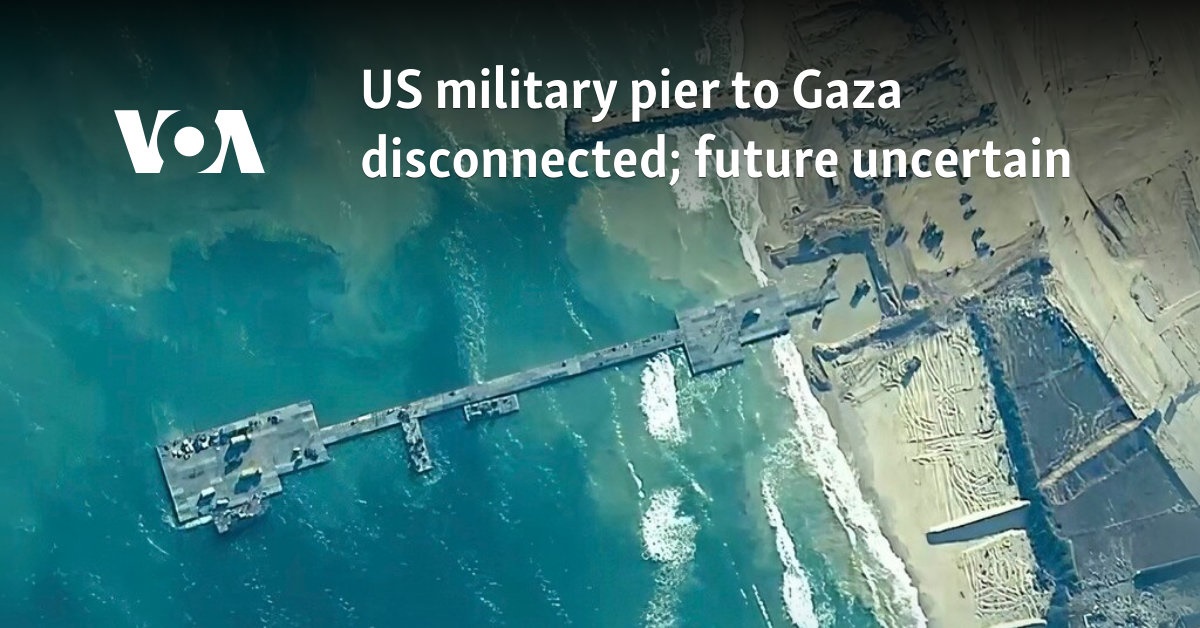
Gazan Future Uncertain Amid Global Debate
As the world continues to grapple with the complexities of the Middle East, the future of the Gaza Strip remains a contentious issue, sparking intense debate among global leaders, policymakers, and human rights advocates. The small coastal territory, nestled between Israel and Egypt, has been embroiled in a decades-long conflict, with its future hanging precariously in the balance. In this article, we will delve into the intricate web of factors contributing to the uncertainty surrounding Gaza's future and explore the global implications of this critical situation.
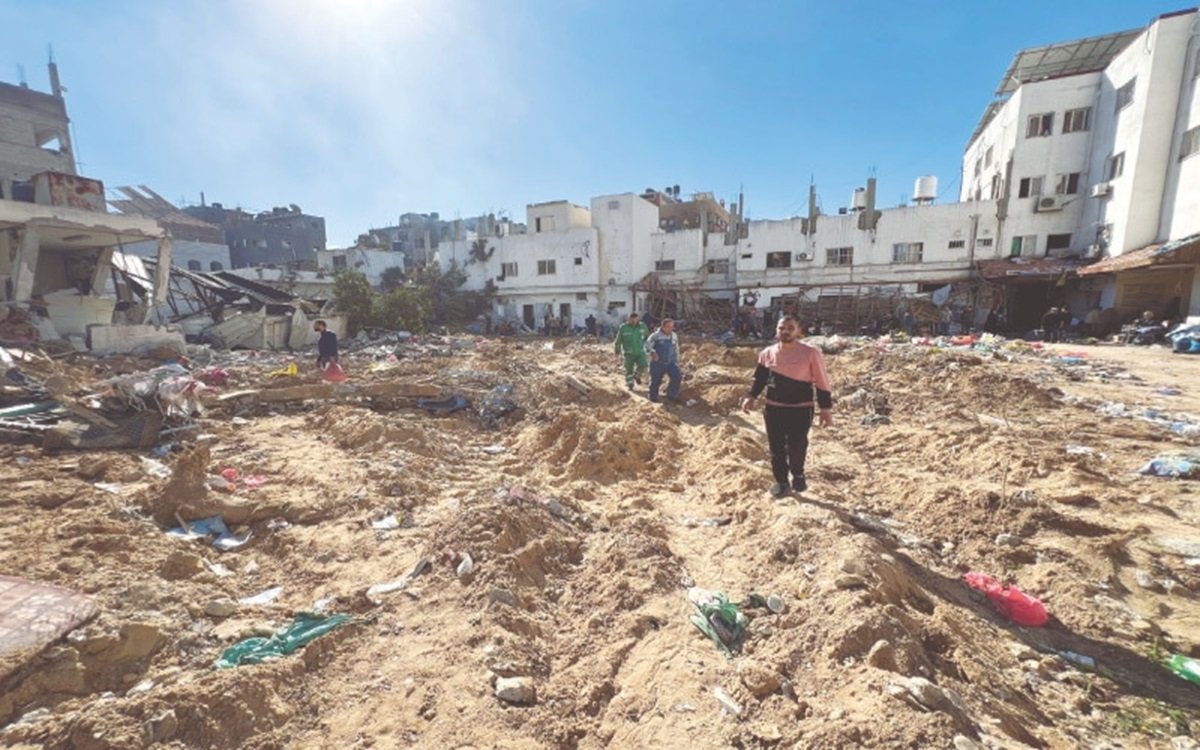
The Gaza Strip, with a population of approximately 2 million people, has been plagued by poverty, unemployment, and a crippling humanitarian crisis. The territory's economy has been severely hampered by Israel's blockade, which has restricted the movement of goods and people, and the Egyptian government's own restrictive policies. The resulting scarcity of resources has led to widespread poverty, with over 70% of the population living below the poverty line. The humanitarian situation has become so dire that the United Nations has described Gaza as "unlivable" and has called for an immediate and unconditional lifting of the blockade.
The Israeli-Palestinian conflict has its roots in the early 20th century, with the displacement of Palestinians during the creation of the State of Israel in 1948. However, the conflict escalated significantly in the 2000s, with the construction of Israel's separation barrier and the ensuing curfews, checkpoints, and closures. The Gaza Strip, in particular, has been subject to severe restrictions, with Israel maintaining a tight grip on its borders, airspace, and territorial waters. The resulting humanitarian crisis has sparked widespread condemnation from the international community, with numerous human rights organizations and foreign governments calling for an end to the blockade.
One of the primary factors contributing to the uncertainty surrounding Gaza's future is the global debate over the Israeli-Palestinian conflict. The conflict has been a contentious issue for decades, with both sides presenting competing narratives and demanding recognition of their rights. The international community has struggled to find a middle ground, with numerous peace proposals and initiatives failing to yield a lasting solution. The recent surge in tensions, fueled by the re-opening of the Al-Aqsa Mosque compound and the subsequent Israeli military incursion, has only added to the uncertainty.
Global Response to the Gaza Crisis
The global response to the Gaza crisis has been multifaceted, with various stakeholders offering differing perspectives and advocating for different courses of action. The international community has been repeatedly criticized for its inaction in the face of the humanitarian crisis, with many accusing world leaders of prioritizing political expediency over the well-being of the Palestinian people.
- The United States, a key ally of Israel, has been particularly criticized for its support of the Israeli government's blockade policies. The US has vetoed numerous UN Security Council resolutions calling for the lifting of the blockade, citing concerns over regional stability and the potential for Hamas rocket attacks.
- The European Union, on the other hand, has called for a more balanced approach, advocating for the lifting of the blockade and the establishment of a Palestinian state. However, EU member states have also been criticized for their failure to take a more proactive role in the conflict.
- Human rights organizations, such as Amnesty International and Human Rights Watch, have repeatedly condemned the Israeli government's actions in Gaza, accusing them of war crimes and human rights abuses. These organizations have called for an immediate and unconditional lifting of the blockade and the establishment of a reliable and sustainable humanitarian aid program.
Economic Consequences of the Blockade
The economic consequences of the blockade have been severe, with the Gaza Strip's economy suffering from widespread poverty and unemployment. The blockade has restricted the movement of goods and people, making it impossible for the territory to receive essential supplies, including food, medicine, and building materials.
- The blockade has also had a devastating impact on Gaza's fishing industry, which is a significant source of employment and income for many families. The closure of the territory's borders has prevented Gazans from accessing their waters, rendering the industry unsustainable.
- The lack of access to basic services, including electricity, water, and sanitation, has further exacerbated the humanitarian crisis. The territory's power plant, which provides approximately 50% of the territory's electricity, is in dire need of repairs, but the lack of spare parts and technical expertise has prevented its maintenance.
International Law and the Gaza Conflict
The Gaza conflict raises significant questions about international law and the treatment of civilians in armed conflict. The Israeli government's actions, including the use of excessive force and the targeting of civilians, have been widely condemned by human rights organizations and the international community.
- The Geneva Conventions, which regulate the conduct of war, emphasize the protection of civilians and the prohibition of attacks on civilian targets. The Israeli government's use of military force in Gaza has been criticized for violating these conventions, particularly in the case of the Al-Shuja'iya neighborhood, where hundreds of civilians were killed in a single day.
- The International Court of Justice has also ruled that the Israeli government's blockade policies violate international law, particularly with regards to the detention of Palestinian prisoners and the restrictions on the movement of people and goods.
Future Prospects for Gaza
The future prospects for Gaza remain uncertain, with various stakeholders offering differing visions for the territory's future. The international community has repeatedly called for a negotiated two-state solution, but the prospects for such a solution seem increasingly remote.
- The Israeli government has expressed skepticism about the viability of a Palestinian state, citing concerns over security and the potential for Hamas rocket attacks. However, many human rights organizations and foreign governments have dismissed these concerns, arguing that the Israeli government's blockade policies are the primary cause of the instability.
- The Palestinian Authority, which governs parts of the West Bank, has also been criticized for its lack of progress on the peace process. The authority's willingness to compromise on key issues
Recent Post
Unlocking The Secrets Of Menopause: Expert Insights On Navigating Life After 40 With Paolo Tantoco
Tensions Rise As Trump Officials Defend Tariffs Amid Market Volatility And Warnings For Savers And Retirees
Rosie O'Donnell Teases Trump Move, Posts Disruptive Selfie From Abroad
Wings For The Win: Capitals Edge Ducks 7-4 In Thrilling Matchup
Ducks Fall Short: Key Takeaways From Thrilling 7-4 Loss To Capitals
Article Recommendations
- Unveiling The Sacred Essence Of Shri: A Journey Of Divine Radiance
- Helmut Newton: Iconic Poses And The Power Of Photography
- Janicee: A Rising Star In The Fashion And Lifestyle Influencer Scene