- Historical Background
- Key Players and Interests
- International Intervention
- Regional Dynamics
- Temporary Ceasefire
- Release of Palestinian Prisoners
- Humanitarian Assistance
- Israeli Restrictions on Gaza
- Potential for Further Violence
- Opportunities for Diplomatic Progress
- Long-term Prospects
- Economic Impact
- Civil Society Engagement
- Monitoring and Evaluation
- Key Takeaways
Israel Ceasefire: A Critical Analysis of the Agreement - Understanding the Nuances Behind the Peace Deal
The Israel-Palestine conflict has been a longstanding and contentious issue, with numerous attempts at peace negotiations over the years. The recent ceasefire agreement between Israel and Palestinian militants in Gaza has sparked widespread interest and debate. In this article, we will delve into the complexities of the agreement, examining the terms, implications, and potential outcomes of this fragile peace deal.
The Israel-Palestine conflict is a deeply ingrained issue, with roots dating back to the late 19th century. The dispute centers on the territory of Israel, a country established in 1948, and the Palestinian territories, which have been under occupation since 1967. The conflict has led to numerous wars, border clashes, and humanitarian crises, making a lasting resolution a pressing concern.
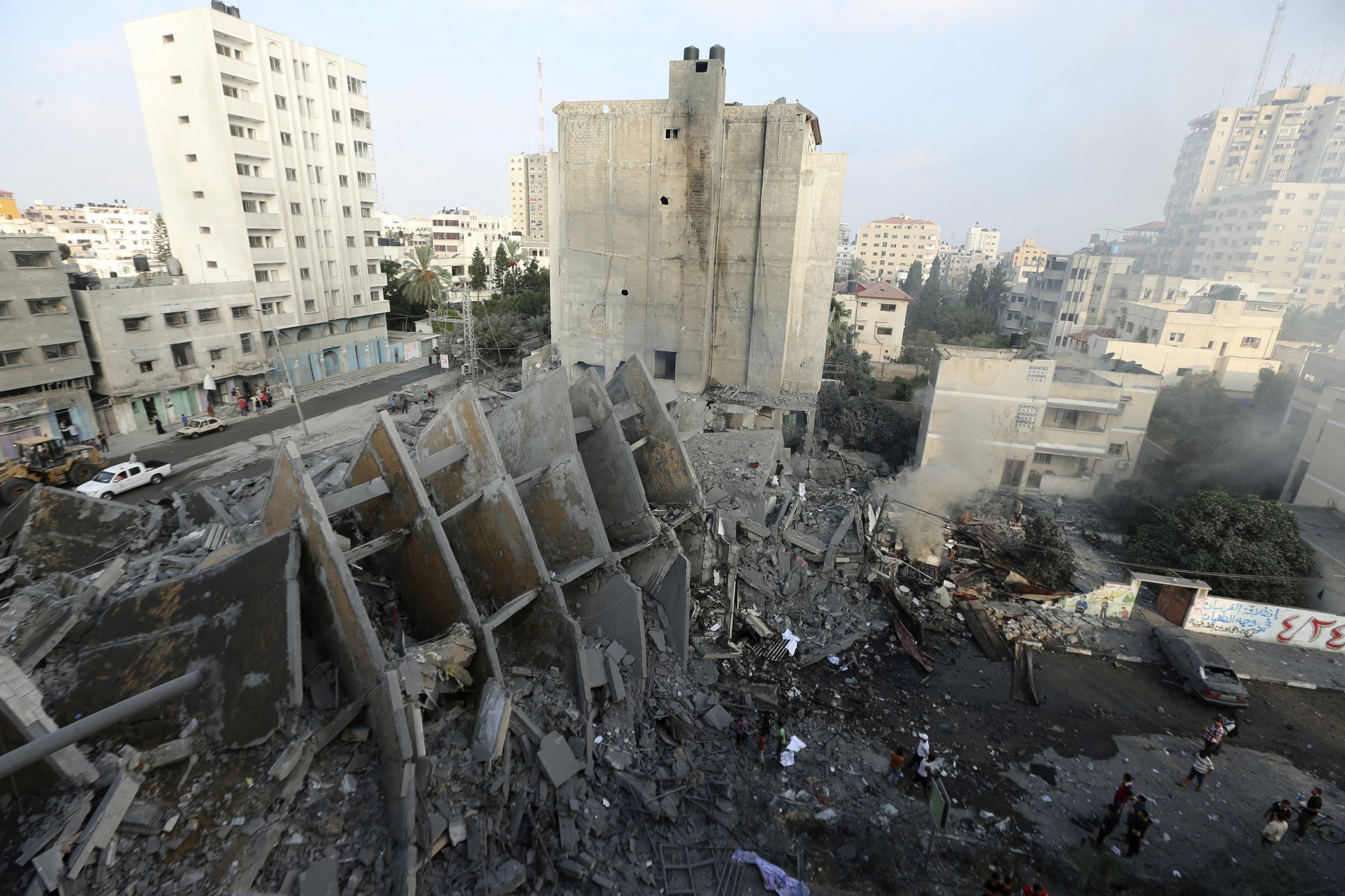
The ceasefire agreement, brokered by international mediator Egypt, aims to bring an end to the violence in Gaza, which has resulted in significant loss of life and infrastructure damage. The agreement includes several key components, including a temporary ceasefire, the establishment of a joint Egyptian-Israeli committee to monitor the truce, and the release of Palestinian prisoners held by Israel.
Understanding the Context
Historical Background
The Israel-Palestine conflict has a long and complex history, with various factors contributing to the current state of affairs. The establishment of Israel in 1948 led to the displacement of hundreds of thousands of Palestinians, known as the Nakba or "catastrophe" in Arabic. The subsequent wars and border disputes have led to ongoing tensions and disputes over territory and sovereignty.
Key Players and Interests
Several key players are involved in the Israel-Palestine conflict, each with their own interests and agendas. These include:
- Israel: seeks to establish and maintain its control over the territory of Israel and ensure its national security
- Palestine: demands recognition as a sovereign state and the right to self-determination
- Egypt: serves as a key mediator and facilitator in peace negotiations, seeking to stabilize the region and promote economic growth
- United States: provides significant financial and diplomatic support to Israel, while also promoting a two-state solution
International Intervention
International intervention has played a significant role in shaping the Israel-Palestine conflict. The United Nations has passed numerous resolutions calling for a peaceful resolution, while the European Union and other international organizations have provided humanitarian aid and economic support to both parties.
Regional Dynamics
The Israel-Palestine conflict is also deeply intertwined with regional dynamics, including:
- Arab-Israeli relations: tensions between Arab states and Israel remain a significant challenge to peace negotiations
- Iranian influence: Iran's support for Hamas and other Palestinian militant groups has added to the complexity of the conflict
- Jordanian politics: Jordan's delicate balance between its Palestinian and Israeli populations makes it a crucial player in regional dynamics
Terms of the Ceasefire Agreement
Temporary Ceasefire
The ceasefire agreement includes a temporary moratorium on hostilities, which is to be maintained for a period of 72 hours. The agreement also establishes a joint Egyptian-Israeli committee to monitor the truce and prevent any breaches.
Release of Palestinian Prisoners
As part of the agreement, Israel is to release a group of Palestinian prisoners, including senior Hamas leaders. This move is seen as a significant concession by Israel, demonstrating its willingness to engage in diplomatic efforts.
Humanitarian Assistance
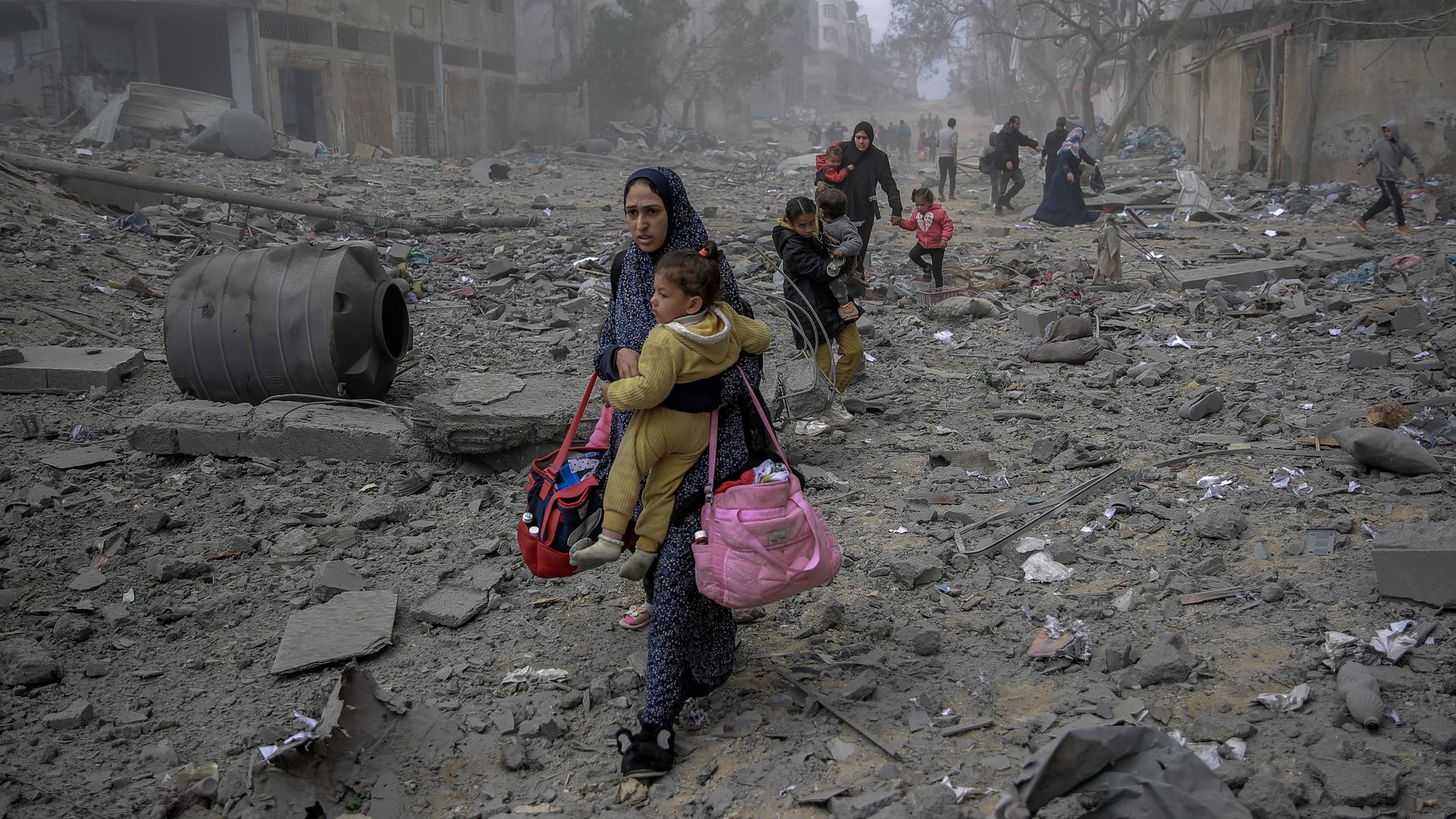
The agreement includes provisions for humanitarian assistance, including the delivery of food, medicine, and other essential supplies to Gaza. This is seen as a crucial measure to alleviate the humanitarian crisis in the territory.
Israeli Restrictions on Gaza
Despite the ceasefire agreement, Israel continues to maintain restrictions on Gaza, including a blockade that severely limits the movement of people and goods. These restrictions have had a devastating impact on the territory's economy and infrastructure.
Implications and Outcomes
Potential for Further Violence
The ceasefire agreement may be fragile and susceptible to breaches, potentially leading to further violence and instability in the region.
Opportunities for Diplomatic Progress
The agreement presents opportunities for diplomatic progress, including the establishment of a joint Egyptian-Israeli committee to monitor the truce and the release of Palestinian prisoners.
Long-term Prospects
The long-term prospects for a lasting resolution to the Israel-Palestine conflict remain uncertain, despite the ceasefire agreement. Significant challenges, including Israeli settlements, Palestinian divisions, and regional dynamics, must be addressed in order to achieve a sustainable peace.
Economic Impact
The ceasefire agreement has significant economic implications, including the potential for increased investment and trade in the region. However, the restrictions on Gaza and ongoing Israeli settlement activity threaten to undermine these efforts.
Civil Society Engagement
Civil society engagement is critical to the success of the ceasefire agreement, including the role of non-governmental organizations, community groups, and other stakeholders.
Monitoring and Evaluation
Monitoring and evaluation of the ceasefire agreement are essential to ensuring its effectiveness and identifying areas for improvement.
Conclusion
The Israel-Palestine ceasefire agreement represents a significant step towards reducing violence and promoting stability in the region. However, its long-term prospects are uncertain, and significant challenges must be addressed in order to achieve a sustainable peace. Ongoing monitoring and evaluation of the agreement are essential to ensuring its effectiveness and promoting a lasting resolution to the conflict.
Key Takeaways
- The Israel-Palestine conflict is a complex and deeply ingrained issue, requiring a comprehensive approach to resolution
- The ceasefire agreement presents opportunities for diplomatic progress, but its long-term prospects are uncertain
- Significant challenges, including Israeli settlements and regional dynamics, must be addressed in order to achieve a sustainable peace
- Civil society engagement is critical to the success of the ceasefire agreement
- Ongoing monitoring and evaluation of the agreement are essential to ensuring its effectiveness and promoting a lasting resolution to the conflict
Recent Post
Unlocking The Secrets Of Menopause: Expert Insights On Navigating Life After 40 With Paolo Tantoco
Tensions Rise As Trump Officials Defend Tariffs Amid Market Volatility And Warnings For Savers And Retirees
Rosie O'Donnell Teases Trump Move, Posts Disruptive Selfie From Abroad
Wings For The Win: Capitals Edge Ducks 7-4 In Thrilling Matchup
Ducks Fall Short: Key Takeaways From Thrilling 7-4 Loss To Capitals
Article Recommendations
- Unveiling The True Identity Behind Sahara Rose: Her Real Name Revealed
- Unveiling The Extraordinary Life And Legacy Of Melissa Ann Piavis
- Connie Nio Case: Unraveling The Complexities Of Data Privacy In The Digital Age