Fueling the Economy: The Impact of Gas Prices on the Market
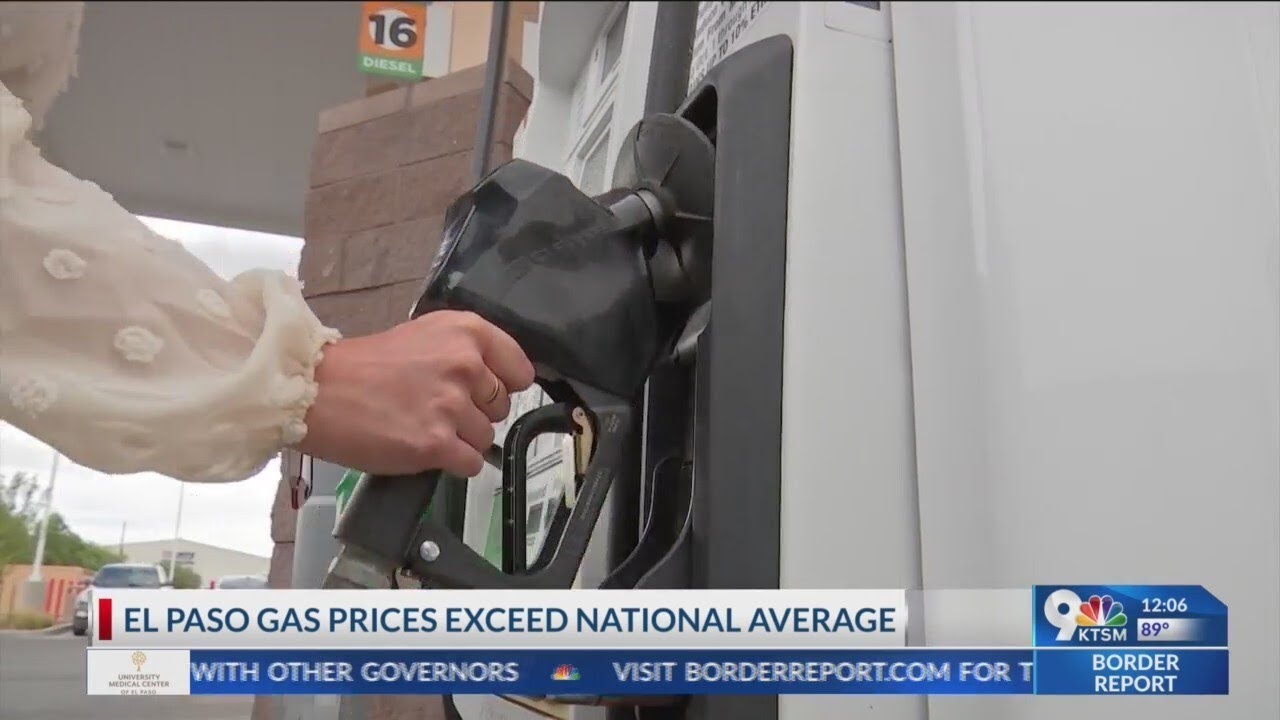
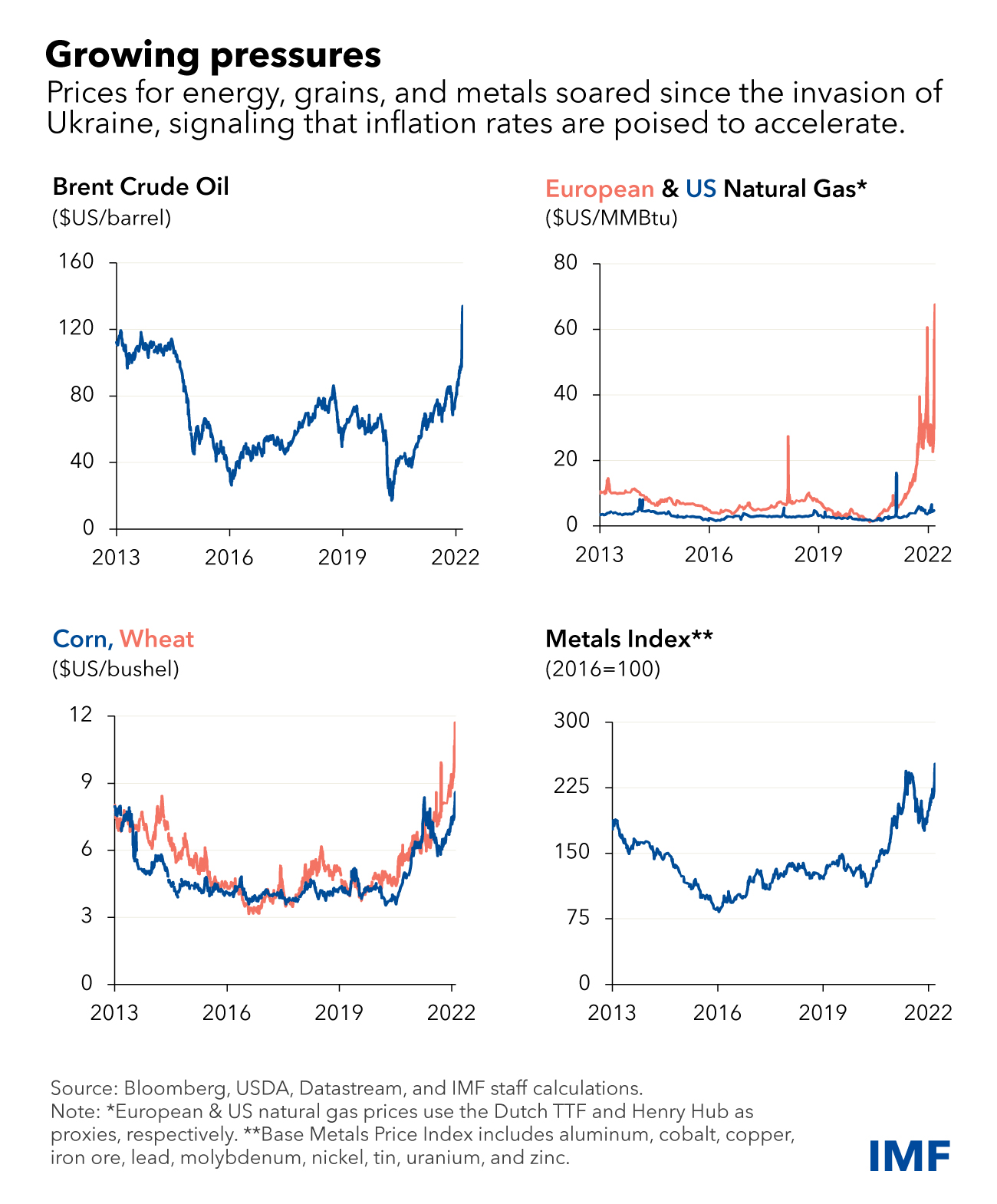
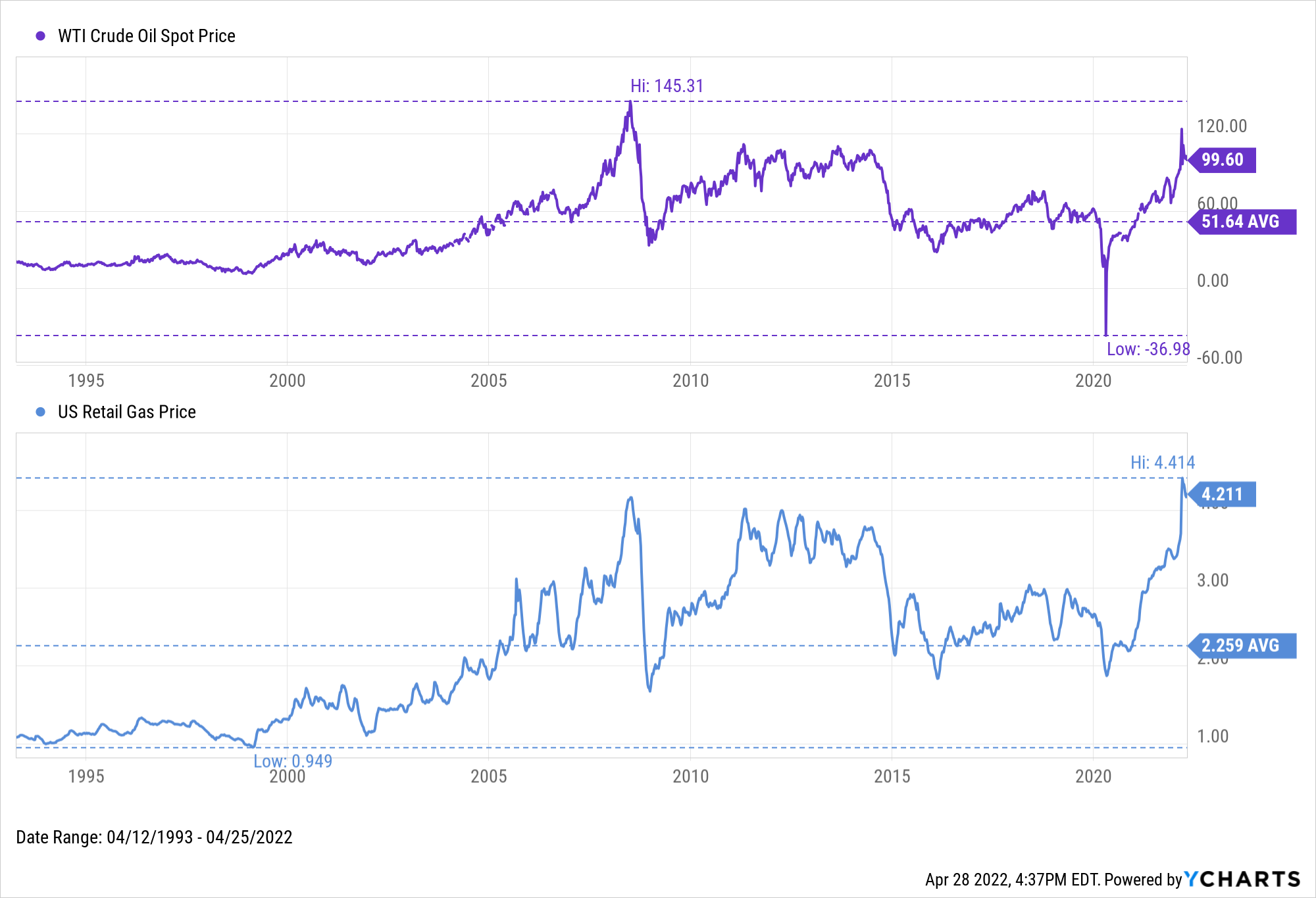
The oil and gas industry is one of the largest sectors in the global economy, providing energy to power industries, transportation, and households. Gas prices, which are the cost of gasoline, play a critical role in the economy as they directly affect the cost of living, employment, and economic growth. This article will delve into the impact of gas prices on the economy, exploring the effects on consumer spending, economic growth, employment, and the overall market.
The economic impact of gas prices is multifaceted and can have both direct and indirect effects on various aspects of the economy. One of the most significant effects is on consumer spending, as higher gas prices lead to increased transportation costs, which can reduce disposable income and limit consumer spending power. According to a study by the Energy Information Administration (EIA), a $1 increase in gas prices can lead to a reduction in consumer spending of up to $1.3 billion.
Gas Prices and Economic Growth
The relationship between gas prices and economic growth is complex and can be influenced by various factors. On one hand, high gas prices can lead to increased economic growth by encouraging energy efficiency and reducing energy consumption. However, high gas prices can also have a negative impact on economic growth by reducing consumer spending and increasing the cost of living. According to a study by the Federal Reserve Bank of New York, a 10% increase in gas prices can lead to a 0.2% decrease in economic growth.
The Impact of Gas Prices on Employment
Gas prices can also have a significant impact on employment, particularly in the transportation sector. Higher gas prices can lead to increased fuel costs, which can result in reduced demand for fuel and lower employment levels in the transportation sector. According to the Bureau of Labor Statistics (BLS), the transportation sector is one of the largest employers in the United States, with over 20 million workers. A study by the Center for Economic and Policy Research (CEPR) found that a 10% increase in gas prices can lead to a 0.1% decrease in employment levels in the transportation sector.
The Impact of Gas Prices on Economic Indicators
Gas prices can also have an impact on various economic indicators, including inflation, GDP, and unemployment. According to the Consumer Price Index (CPI), inflation is a key indicator of economic health, and high gas prices can lead to increased inflation. A study by the Federal Reserve Bank of San Francisco found that a 10% increase in gas prices can lead to a 0.5% increase in inflation. On the other hand, gas prices can also have an impact on GDP, as higher fuel costs can reduce economic growth.
The Impact of Gas Prices on Specific Industries
Gas prices can have a significant impact on specific industries, including the automotive, aerospace, and shipping industries. Higher gas prices can lead to increased fuel costs, which can result in reduced profitability and competitiveness for companies in these industries. According to a study by the International Council on Clean Transportation (ICCT), the aviation industry is particularly vulnerable to fuel price volatility, with a 10% increase in fuel prices leading to a 1.5% decrease in profit margins.
The Impact of Gas Prices on Automotive Industry
The automotive industry is also heavily dependent on fuel prices, with higher prices leading to increased fuel costs and reduced demand for new vehicles. According to a study by the International Council on Clean Transportation (ICCT), a 10% increase in fuel prices can lead to a 0.5% decrease in demand for new vehicles. This can result in reduced employment levels and decreased economic activity in the automotive sector.
The Impact of Gas Prices on Energy Security
Gas prices can also have an impact on energy security, as higher prices can lead to increased demand for alternative energy sources. According to a study by the National Petroleum Council (NPC), a 10% increase in gas prices can lead to a 0.2% increase in demand for alternative energy sources, such as wind and solar power. This can result in increased investment in renewable energy technologies and reduced dependence on fossil fuels.
The Impact of Gas Prices on National Security
Gas prices can also have an impact on national security, as higher prices can lead to increased instability in oil-producing countries. According to a study by the Council on Foreign Relations (CFR), a 10% increase in gas prices can lead to a 0.5% increase in conflict in oil-producing countries. This can result in reduced global energy security and increased tensions between countries.
The Role of Government in Regulating Gas Prices
Government policies can play a significant role in regulating gas prices, with different policies affecting different countries and regions. According to the International Energy Agency (IEA), government policies can help to reduce volatility in gas prices and improve energy security. However, government policies can also have unintended consequences, such as increased regulation and reduced investment in the oil and gas industry.
The Impact of Taxation on Gas Prices
Taxation is one of the most effective ways for governments to regulate gas prices, with higher taxes leading to increased fuel costs and reduced demand. According to a study by the Tax Foundation, a 10% increase in gas taxes can lead to a 0.2% decrease in gas consumption. This can result in reduced greenhouse gas emissions and improved air quality.
The Future of Gas Prices and the Economy
The future of gas prices and the economy is uncertain, with various factors influencing gas prices and economic growth. According to the EIA, global demand for oil and gas is expected to increase by 3.3% per year from 2020 to 2025, leading to increased gas prices and reduced economic growth. However, the EIA also notes that technological advancements and increased efficiency in the oil and gas industry can help to reduce fuel costs and improve economic growth.
The Impact of Electric Vehicles on
Recent Post
Unlocking The Secrets Of Menopause: Expert Insights On Navigating Life After 40 With Paolo Tantoco
Tensions Rise As Trump Officials Defend Tariffs Amid Market Volatility And Warnings For Savers And Retirees
Rosie O'Donnell Teases Trump Move, Posts Disruptive Selfie From Abroad
Wings For The Win: Capitals Edge Ducks 7-4 In Thrilling Matchup
Ducks Fall Short: Key Takeaways From Thrilling 7-4 Loss To Capitals
Article Recommendations
- Uncover The Secrets Of Twitter's NSFW Content: A Guide For Safeguarding Your Feed
- Elevate Your Local Presence: The Ultimate Google My Business Ranking Checker
- Unveiling The Truth: Are Mykie And Anthony Padilla's Videos Really That Intriguing?