California Wildfire Crisis: Interactive Map Tracks Blazes in Real Time
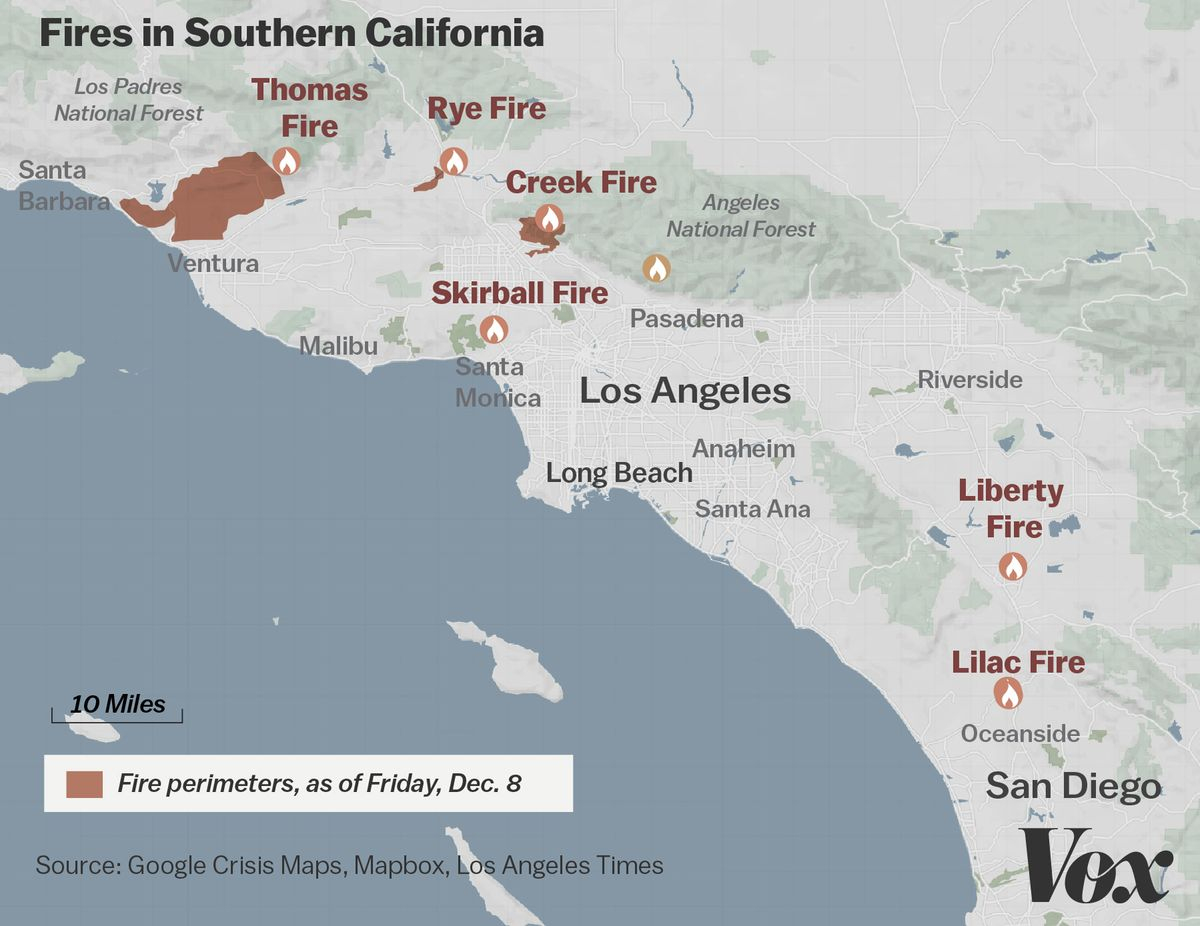
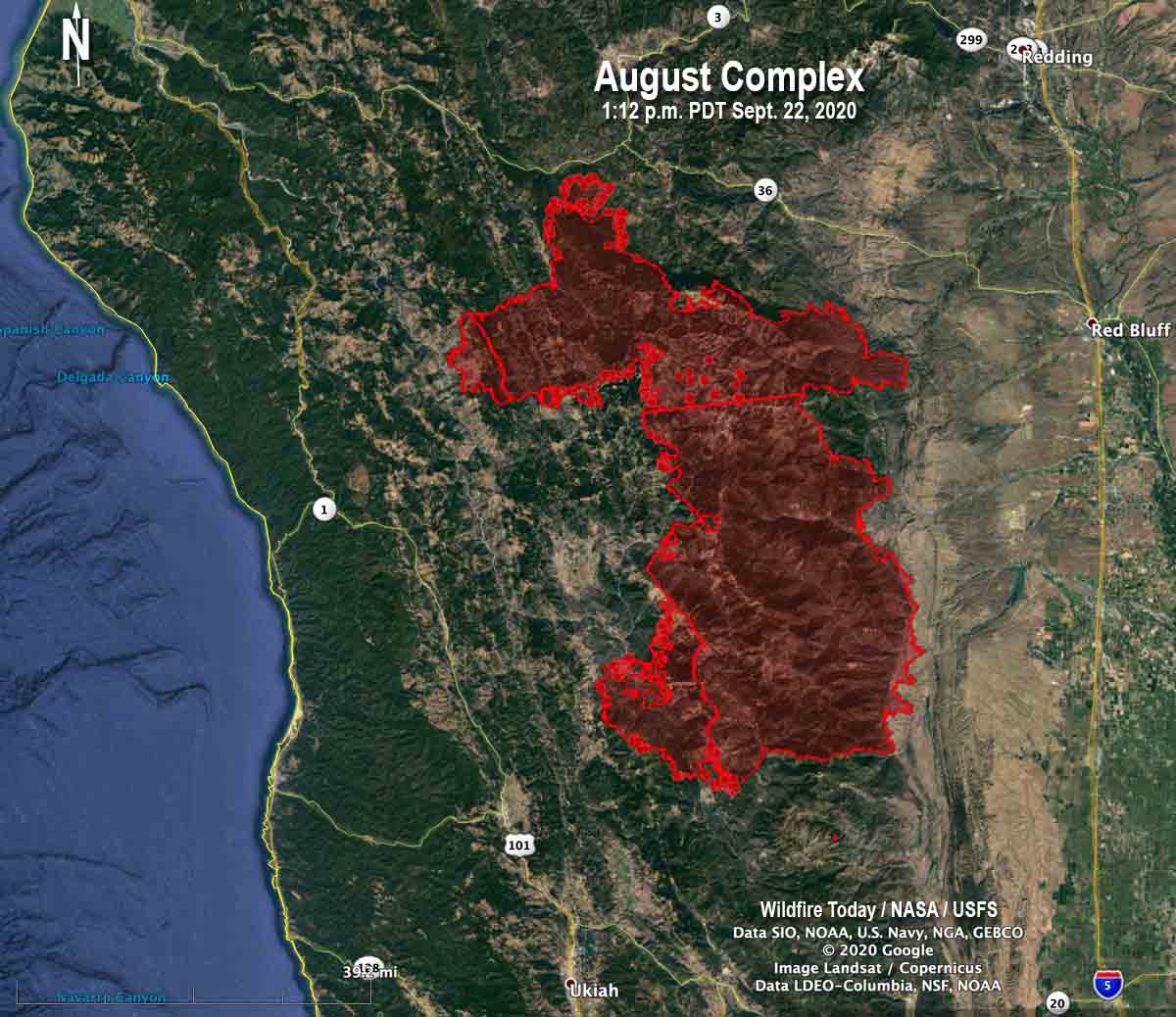
The 2020 California wildfire season has been one of the most devastating in recent history, with countless lives lost, properties destroyed, and the environment ravaged. As the crisis continues to unfold, one critical tool has emerged as a lifeline for those affected: interactive maps that track wildfires in real-time. These cutting-edge tools allow individuals to monitor the spread of fires, identify areas of greatest risk, and stay informed about the latest developments.
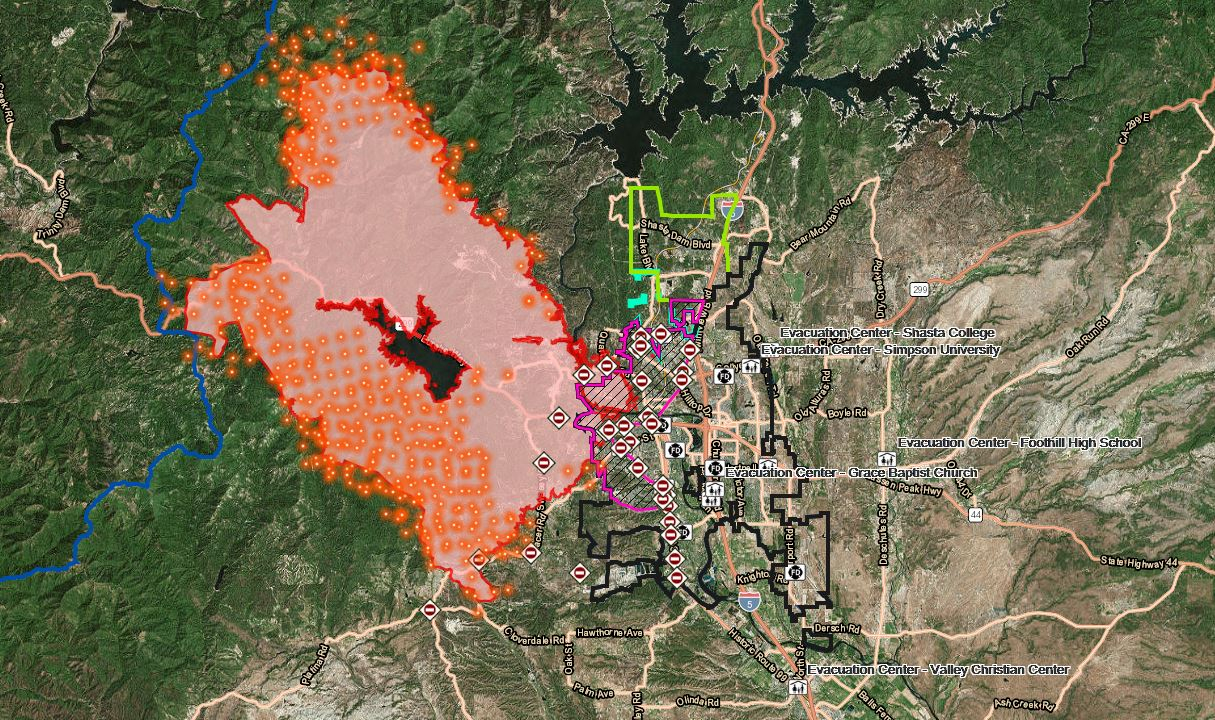
One of the most notable features of these interactive maps is their ability to provide real-time updates on fire activity. Using satellite imagery and other data sources, these maps can track the movement of wildfires, highlighting areas where the fire is burning rapidly or spreading quickly. This level of detail is crucial in situations where every minute counts, as it enables emergency responders and residents to take timely action to protect themselves and their property.
In addition to tracking fire activity, these interactive maps often provide critical information about the fire's characteristics, such as its size, location, and intensity. This data is sourced from a variety of government agencies, research institutions, and other organizations, and is typically updated regularly to reflect new information.
The Geography of California Wildfires
California's unique geography plays a significant role in its wildfire crisis. The state's dry climate, combined with its rugged terrain and abundant vegetation, creates a perfect storm of conditions that can fuel and spread wildfires. The Sierra Nevada mountain range, which runs along the state's eastern edge, is particularly vulnerable to wildfires, as its steep slopes and narrow valleys create a maze of flammable terrain.
The coastal regions of California are also at risk, as the state's sprawling metropolitan areas and populous communities create a significant fire hazard. Cities like Los Angeles, San Diego, and San Jose are surrounded by fire-prone areas, making them susceptible to wildfires that can spread quickly through urban areas.
Interactive Maps: A Game-Changer in Wildfire Response
Interactive maps have revolutionized the way we track and respond to wildfires. By providing real-time information about fire activity, these maps enable emergency responders and residents to take proactive steps to protect themselves and their property.
One of the most effective features of interactive maps is their ability to highlight areas of greatest risk. By analyzing data from multiple sources, these maps can identify areas where the fire is most likely to spread, allowing residents to take immediate action to protect themselves and their property.
Key Features of Interactive Maps
- Real-time updates: Interactive maps provide the most up-to-date information about fire activity, ensuring that residents and emergency responders have the latest information to make informed decisions.
- Satellite imagery: Satellite imagery provides a bird's-eye view of the fire, allowing users to see the full extent of the blaze and identify areas of greatest risk.
- Burn rate and intensity: Interactive maps can track the burn rate and intensity of the fire, providing critical information about its behavior and spread.
- Evacuation routes and shelters: Many interactive maps provide critical information about evacuation routes and shelters, helping residents to plan their escape and find safe haven.
The Impact of Climate Change on California Wildfires
Climate change is widely recognized as a major contributor to the California wildfire crisis. Rising temperatures, changing precipitation patterns, and increased fuel loads all contribute to an environment that is increasingly prone to wildfires.
One of the most significant impacts of climate change on California wildfires is the increased frequency and severity of heatwaves. As the state's temperatures continue to rise, the risk of wildfires grows, as does the risk of fire spread and containment challenges.
Understanding the Role of Climate Change in Wildfires
- Rising temperatures: Rising temperatures create conditions that are more conducive to wildfires, as dry vegetation is more susceptible to ignition and spread.
- Changing precipitation patterns: Climate change is altering the patterns of precipitation in California, leading to more frequent and severe droughts that can create fire-prone conditions.
- Increased fuel loads: Climate change is also leading to an increase in fuel loads, as warmer temperatures and changing precipitation patterns allow vegetation to grow and accumulate.
The Future of Wildfire Response: Emerging Technologies and Innovations
As the California wildfire crisis continues to evolve, new technologies and innovations are emerging as key players in the response. One of the most promising areas of research is the development of artificial intelligence (AI) and machine learning (ML) tools to track and predict wildfires.
Key Emerging Technologies and Innovations
- AI and ML: AI and ML tools are being developed to analyze large datasets and predict the behavior of wildfires, enabling emergency responders to take proactive steps to protect themselves and their property.
- Drones and satellite imagery: Drones and satellite imagery are being used to gather critical data about wildfires, including burn rates, intensity, and spread.
- Fire-resistant materials: Researchers are developing new fire-resistant materials that can be used to build more sustainable and resilient communities.
- Early warning systems: Early warning systems are being developed to alert residents and emergency responders of wildfires, providing critical minutes or even hours of warning time to respond.
Conclusion
The California wildfire crisis is a complex and multifaceted issue, with far-reaching impacts on residents, emergency responders, and the environment. Interactive maps have emerged as a critical tool in the response, providing real-time information about fire activity and enabling residents to take proactive steps to protect themselves and their property.
As the crisis continues to evolve, new technologies and innovations are emerging as key players in the response. By staying informed and up-to-date on the latest developments, residents and emergency responders can work together to reduce the risk of wildfires and protect the state's communities and environment.
Sources:
- California Department of Forestry and Fire Protection (CAL FIRE)
- National Interagency Coordination Center (NICC)
- United States Geological Survey (USGS)
- National Oceanic and Atmospheric Administration (NOAA)
**Additional
Recent Post
Unlocking The Secrets Of Menopause: Expert Insights On Navigating Life After 40 With Paolo Tantoco
Tensions Rise As Trump Officials Defend Tariffs Amid Market Volatility And Warnings For Savers And Retirees
Rosie O'Donnell Teases Trump Move, Posts Disruptive Selfie From Abroad
Wings For The Win: Capitals Edge Ducks 7-4 In Thrilling Matchup
Ducks Fall Short: Key Takeaways From Thrilling 7-4 Loss To Capitals
Article Recommendations
- Unveiling The Enigmatic Charm Of Mara Corday: From Hollywood Starlet To Mysterious Icon
- Discover The World Of Theez: A Unique Tea Experience
- Discover The Comforting Embrace Of Mother's Warmth