Fires Map: Your Ultimate Guide to Staying Informed and Safe During Wildfires
Wildfires have become a growing concern for communities across the globe, with devastating consequences for lives, property, and the environment. As the frequency and severity of wildfires increase, it's essential to stay informed and take proactive measures to ensure your safety and the safety of those around you. In this article, we'll explore the importance of fire maps, how to use them effectively, and provide valuable tips on how to stay safe during wildfires.
The rapid spread of wildfires can catch even the most prepared individuals off guard, leaving them feeling overwhelmed and uncertain about what to do. By staying informed and using fire maps to your advantage, you can take control of the situation and make informed decisions about your safety and the safety of those around you. In this article, we'll delve into the world of fire maps, exploring what they are, how they're used, and why they're essential for staying safe during wildfires.
Understanding Fire Maps
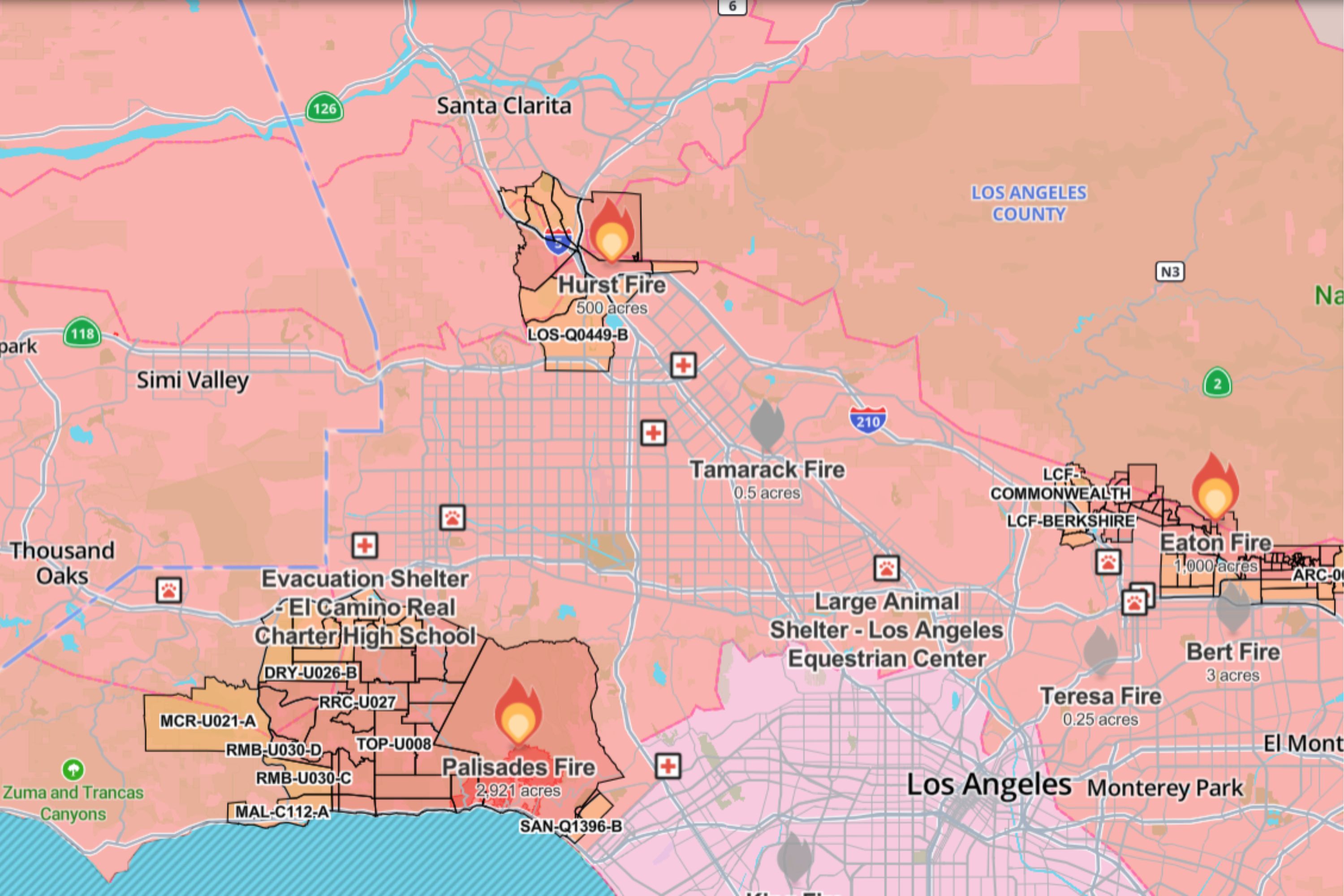
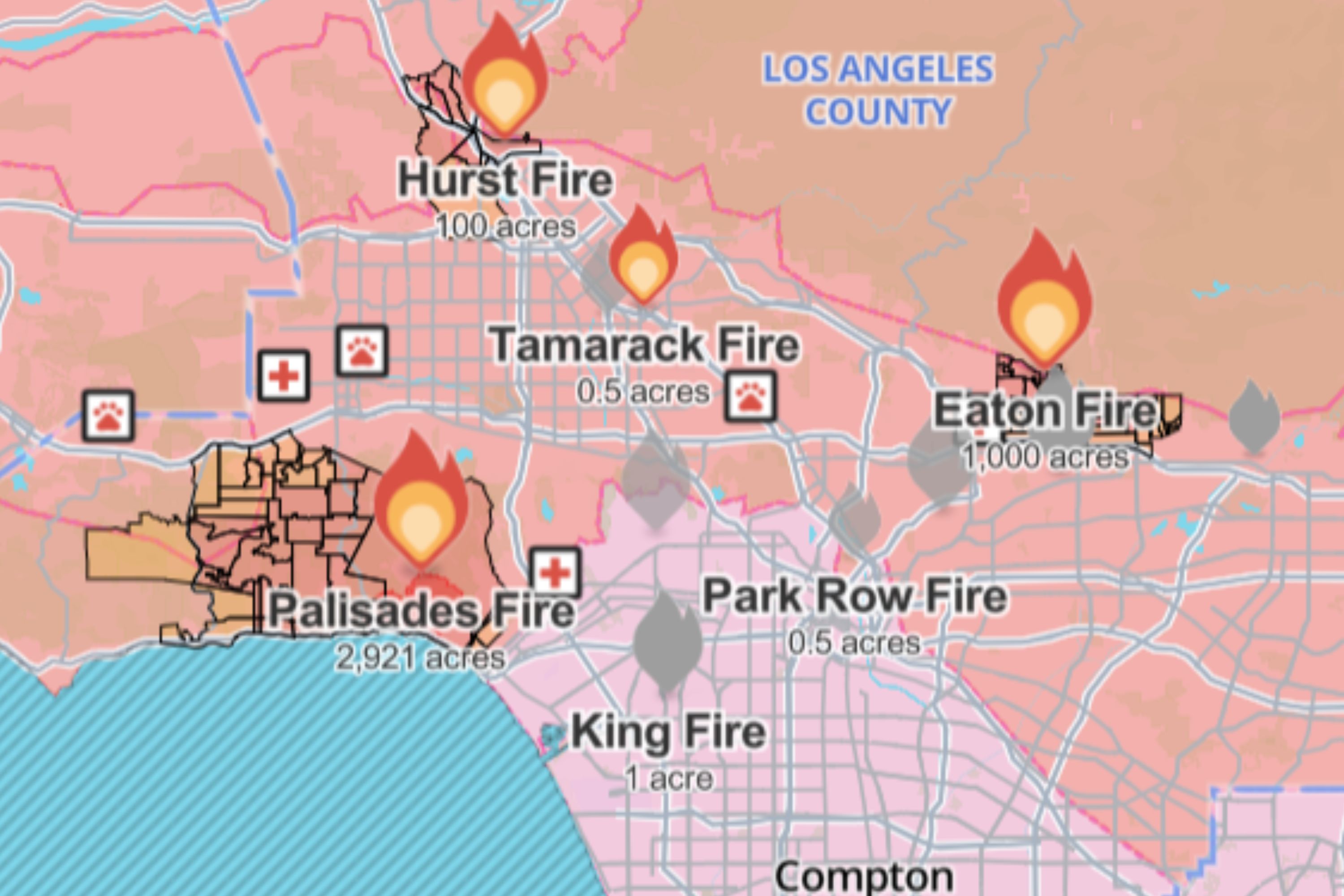
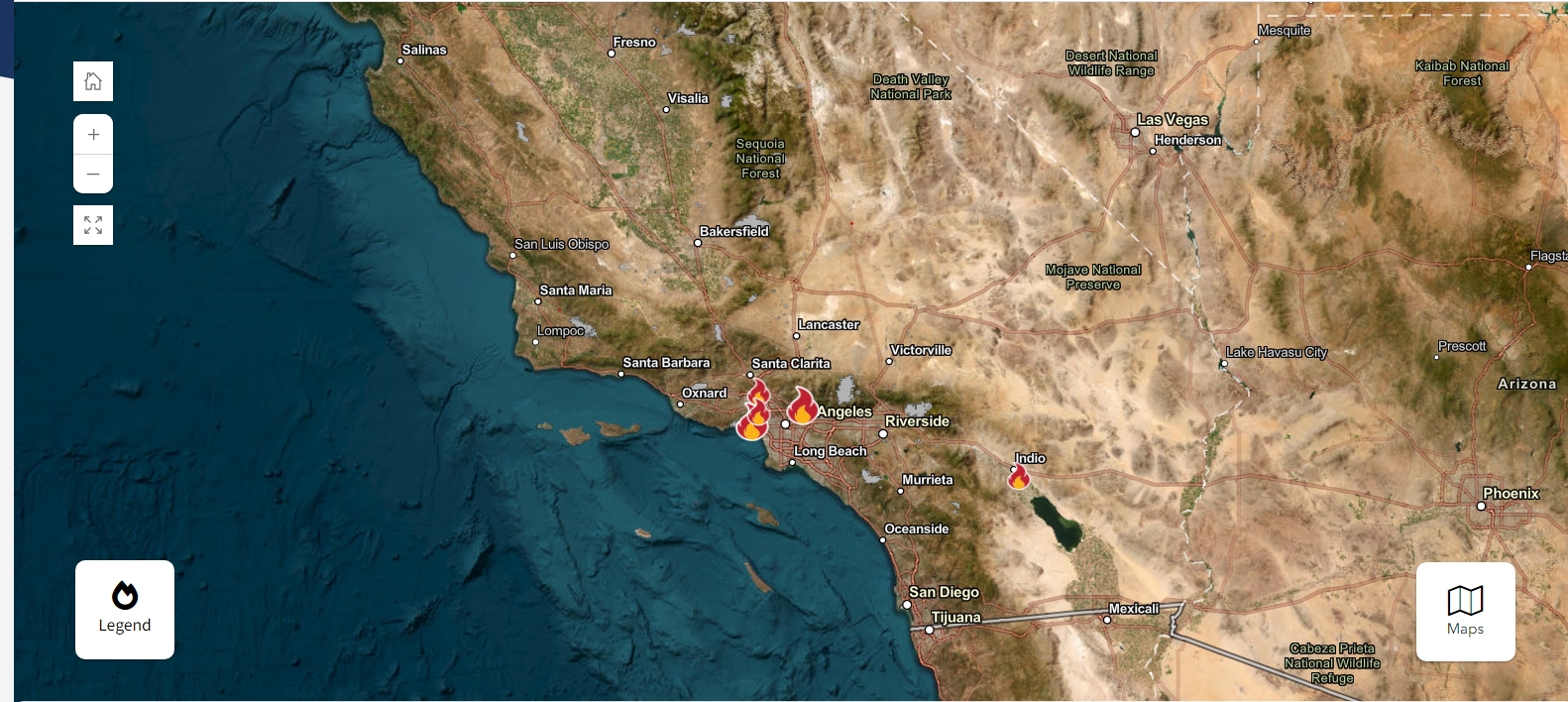
Fire maps are graphical representations of fire locations, sizes, and behavior. They're typically created by government agencies, such as the National Interagency Coordination Center (NICC) or the U.S. Forest Service, and are designed to provide critical information to firefighters, emergency responders, and the public. Fire maps can be used to track the location and spread of wildfires, identify areas of high fire danger, and provide information on fire behavior and potential evacuation routes.
Fire maps can be categorized into several types, including:
- Incidence maps: These maps display the location and size of active wildfires, including the number of acres burned and the number of firefighters involved.
- Containment maps: These maps provide information on the progress of firefighting efforts, including the percentage of the fire contained and the number of acres still burning.
- Fire danger maps: These maps indicate areas of high fire danger, including wind direction, humidity, and fuel moisture levels.
How to Use Fire Maps
Using fire maps effectively requires a basic understanding of the different types of maps and how to interpret the information provided. Here are some tips for using fire maps:
- Know your zone: Make sure you're aware of your location and the fire zone you're in. Check the fire map to see if you're in a high-risk area and what evacuation routes are available.
- Monitor fire activity: Keep an eye on fire activity and updates from local authorities. Fire maps can provide critical information on fire behavior and potential evacuation routes.
- Plan ahead: If you're in a high-risk area, start planning your evacuation route and shelter arrangements early. Fire maps can provide valuable information on safe zones and evacuation routes.
- Stay informed: Keep an eye on local news and updates from emergency management officials. Fire maps can provide critical information on fire behavior and potential evacuation routes.
Fire Map Resources
There are several resources available for accessing fire maps, including:
- National Interagency Coordination Center (NICC) website: The NICC website provides up-to-date fire maps, including incidence, containment, and fire danger maps.
- U.S. Forest Service website: The U.S. Forest Service website provides fire maps for national forests and grasslands.
- Local government websites: Local government websites, such as county or city websites, often provide fire maps and information on evacuation routes and shelters.
- Mobile apps: There are several mobile apps available that provide access to fire maps, including InciWeb and FirePeril.
Staying Safe During Wildfires
Staying safe during wildfires requires a combination of preparation, awareness, and quick action. Here are some tips for staying safe:
- Have a plan: Develop a family emergency plan that includes evacuation routes, shelters, and communication protocols.
- Stay informed: Keep an eye on local news and updates from emergency management officials. Fire maps can provide critical information on fire behavior and potential evacuation routes.
- Be prepared: Make sure you have a disaster supply kit, including essentials such as food, water, first aid supplies, and a battery-powered radio.
- Evacuate promptly: If ordered to evacuate, do so promptly and follow the recommended evacuation route.
- Seek shelter: If unable to evacuate, seek shelter in a safe location, such as a fire-resistant building or a shelter with fire-resistant materials.
Additional Safety Tips
Here are some additional safety tips to keep in mind:
- Avoid travel: Avoid traveling during periods of high fire danger, as roads may be closed and fire can spread quickly.
- Stay away from fire: Keep a safe distance from fires, as the heat and smoke can be deadly.
- Be aware of your surroundings: Keep an eye out for sparks, embers, and other signs of fire, and report any suspicious activity to authorities.
- Follow evacuation orders: If ordered to evacuate, do so promptly and follow the recommended evacuation route.
Conclusion
Wildfires can be a devastating and destructive force, but by staying informed and using fire maps effectively, you can take control of the situation and stay safe. Remember to know your zone, monitor fire activity, plan ahead, and stay informed. By following these tips and staying vigilant, you can reduce your risk of injury or property damage during a wildfire.
Additional Resources:
- National Wildfire Coordinating Group (NWCG) website: The NWCG website provides information on wildfire risk and safety, including fire maps and evacuation routes.
- Federal Emergency Management Agency (FEMA) website: The FEMA website provides information on disaster preparedness and response, including tips on staying safe during wildfires.
- National Park Service website: The National Park Service website provides information on wildfire risk and safety in national parks and forests.
Recent Post
Unlocking The Secrets Of Menopause: Expert Insights On Navigating Life After 40 With Paolo Tantoco
Tensions Rise As Trump Officials Defend Tariffs Amid Market Volatility And Warnings For Savers And Retirees
Rosie O'Donnell Teases Trump Move, Posts Disruptive Selfie From Abroad
Wings For The Win: Capitals Edge Ducks 7-4 In Thrilling Matchup
Ducks Fall Short: Key Takeaways From Thrilling 7-4 Loss To Capitals
Article Recommendations
- Unveiling The Towering Stature: The Extraordinary Height Of Lorne Greene
- Unveiling The Riches: Rick Harrison's Astonishing Net Worth
- Unlock The Power Of Navigation: Sykes On Your PC Like Never Before