FDA Targets Food Dyes: Are Your Favorite Foods at Risk?
The Food and Drug Administration (FDA) has announced a new regulatory action targeting certain food dyes commonly used in food products, sparking concerns among consumers and food manufacturers alike. The move aims to reduce exposure to these artificial colorings, which have been linked to potential health risks. As a result, some food manufacturers may need to reformulate their products or risk facing regulatory action. In this article, we will delve into the details of the FDA's target food dyes, their potential health risks, and what this means for your favorite foods.
The FDA's move to regulate food dyes is part of a broader effort to ensure the safety and wholesomeness of food products in the United States. In recent years, there has been growing concern about the potential health risks associated with artificial food additives, including food dyes. Some studies have suggested a link between certain food dyes and hyperactivity in children, as well as potential carcinogenic effects. In response, the FDA has launched an investigation into the safety of these dyes and has taken steps to regulate their use in food products.
Understanding the Target Food Dyes
The FDA has identified six specific food dyes that are currently under investigation due to potential health risks. These dyes are:
- Red 40 (Allura Red AC)
- Yellow 5 (Tartrazine)
- Yellow 6 (Sunset Yellow FCF)
- Blue 1 (Brilliant Blue FCF)
- Blue 2 (Indigo Carmine)
- Carmine (Cochineal Extract)
These dyes are commonly used in a wide range of food products, including candy, baked goods, and beverages. However, some research suggests that these dyes may be linked to a range of potential health problems, including:
- Hyperactivity in children
- Cancer
- Allergic reactions
What's Behind the FDA's Decision?
The FDA's decision to target these food dyes is based on a growing body of evidence suggesting a link between these dyes and potential health risks. In 2010, the European Food Safety Authority (EFSA) issued a report concluding that Yellow 5 and Yellow 6 were not safe for consumption, citing concerns about their potential carcinogenic effects. Since then, several other studies have reinforced these findings, including a 2019 study published in the journal Toxicology which found that Red 40 caused DNA damage in human cells.
Food Manufacturers: What's at Risk?
For food manufacturers, the FDA's decision to regulate these food dyes poses a significant challenge. Many products containing these dyes will need to be reformulated or relabeled to comply with new regulations. This can be a costly and time-consuming process, particularly for manufacturers that rely heavily on these dyes to give their products their distinctive colors and appeal.
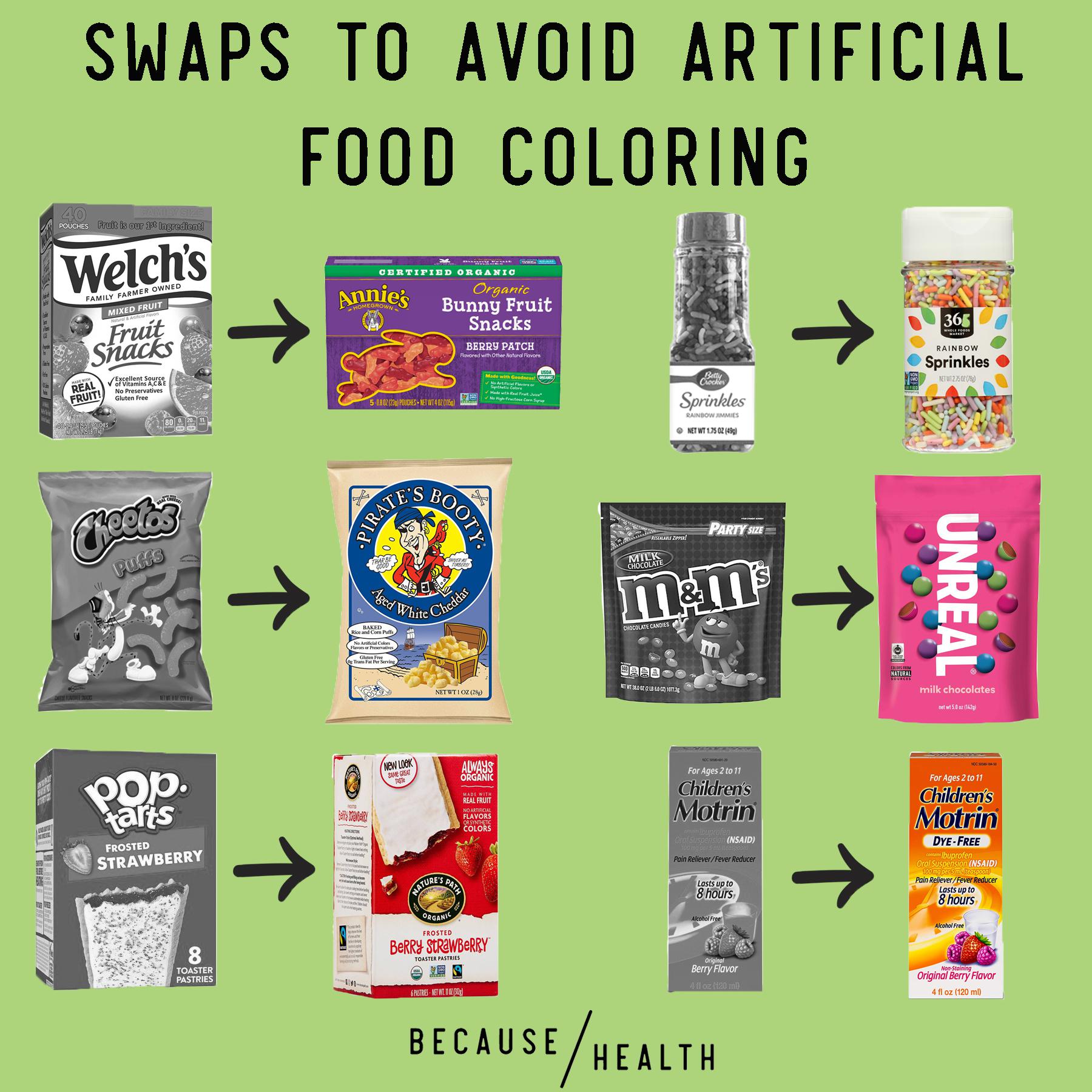
Some manufacturers may choose to reformulate their products using natural colorings or alternative artificial dyes, while others may opt to retain their existing formulations and risk facing regulatory action. In either case, manufacturers will need to carefully review their ingredient lists and formulations to ensure compliance with new regulations.
What's the Impact on Consumer Health?
While the FDA's decision to regulate these food dyes is intended to protect consumer health, some experts are concerned about the potential impact on consumer choice and access to affordable food products. Many consumers rely on these dyes to provide color and appeal to their food products, and changes to formulations may result in changes to product texture, taste, or appearance.
Alternatives to Artificial Food Dyes
In recent years, there has been a growing trend towards the use of natural food colorings, which are derived from plants, minerals, or other natural sources. These alternatives offer a range of benefits, including:
- Lower risk of potential health problems
- Improved nutritional profile
- Increased consumer appeal and trust
Some popular natural food colorings include:
- Beet juice
- Turmeric
- Spirulina
- Pomegranate juice
Key Takeaways
- The FDA has identified six specific food dyes that are currently under investigation due to potential health risks.
- The FDA's decision to regulate these dyes is based on a growing body of evidence suggesting a link between these dyes and potential health problems.
- Food manufacturers may need to reformulate their products or risk facing regulatory action.
- The impact of these regulations on consumer health, choice, and access to affordable food products is still unclear.
- Natural food colorings offer a range of benefits, including lower risk of potential health problems and improved nutritional profile.
Product Labeling and Reformulation
As the FDA's regulations take effect, food manufacturers will need to take steps to ensure that their products comply with new labeling and reformulation requirements. Some key considerations include:
- Changing product labels to reflect the removal of certain dyes
- Reformulating products using natural colorings or alternative artificial dyes
- Providing clear and transparent information to consumers about the ingredients and formulations used in their products
FDA Guidance and Resources
The FDA has published a range of guidance and resources to help food manufacturers navigate the new regulations and ensure compliance. These include:
- A detailed FAQ document on the FDA's website
- A regulatory notice outlining the key requirements and timelines for food manufacturers
- A list of approved and non-approved colorings for use in food products
By staying informed and up-to-date on the latest regulations and guidance, food manufacturers can ensure that their products comply with new standards and meet the evolving needs of consumers.
Conclusion
The FDA's decision to regulate certain food dyes is a significant development that has the potential to impact the way food products are formulated and labeled. While the regulations may pose a challenge for food manufacturers, they also offer an opportunity to reformulate products using natural colorings and alternative artificial dyes. As the regulations take effect, consumers can expect to see changes in
Recent Post
Unlocking The Secrets Of Menopause: Expert Insights On Navigating Life After 40 With Paolo Tantoco
Tensions Rise As Trump Officials Defend Tariffs Amid Market Volatility And Warnings For Savers And Retirees
Rosie O'Donnell Teases Trump Move, Posts Disruptive Selfie From Abroad
Wings For The Win: Capitals Edge Ducks 7-4 In Thrilling Matchup
Ducks Fall Short: Key Takeaways From Thrilling 7-4 Loss To Capitals
Article Recommendations
- Kaitlyn Krems: The Rise Of A TikTok Sensation And Her Devoted Fans
- Michael Mando's Mysterious Relationship: Who Is The Star's Partner?
- Discover The World Of Theez: A Unique Tea Experience