Evacuation Notice: Don't Wait, Get Out Now - Your Emergency Plan Starts Here
The sound of sirens and the rumble of thunder can be a harrowing experience, but for many, it's a distressing reality that can strike without warning. Whether it's a natural disaster, a wildfire, or a hazardous material spill, evacuation notices are a serious warning that requires immediate attention. In this article, we'll explore the importance of evacuation notices, the signs that indicate you need to leave, and most importantly, the steps you can take to stay safe.
Understanding Evacuation Notices
Evacuation notices are official warnings issued by authorities to residents in a specific area, indicating that they need to leave their homes or buildings immediately. These notices are usually issued in response to a natural disaster, hazardous material spill, or other emergency situations that pose a threat to public safety.
- Evacuation notices can be issued by local, state, or federal authorities, depending on the nature and severity of the emergency.
- The tone and language used in evacuation notices can vary, but they always convey a sense of urgency and gravity.
- It's essential to take evacuation notices seriously and follow the instructions provided by authorities, as they are trained to handle emergency situations.
Signs That Indicate an Evacuation Notice
Sometimes, the signs of an impending evacuation notice can be subtle, making it challenging to recognize the danger lurking ahead. However, being aware of the following signs can help you stay safe:
- Sirens and alarm systems: If you hear sirens or alarm systems in your area, it's likely a sign that an evacuation notice has been issued.
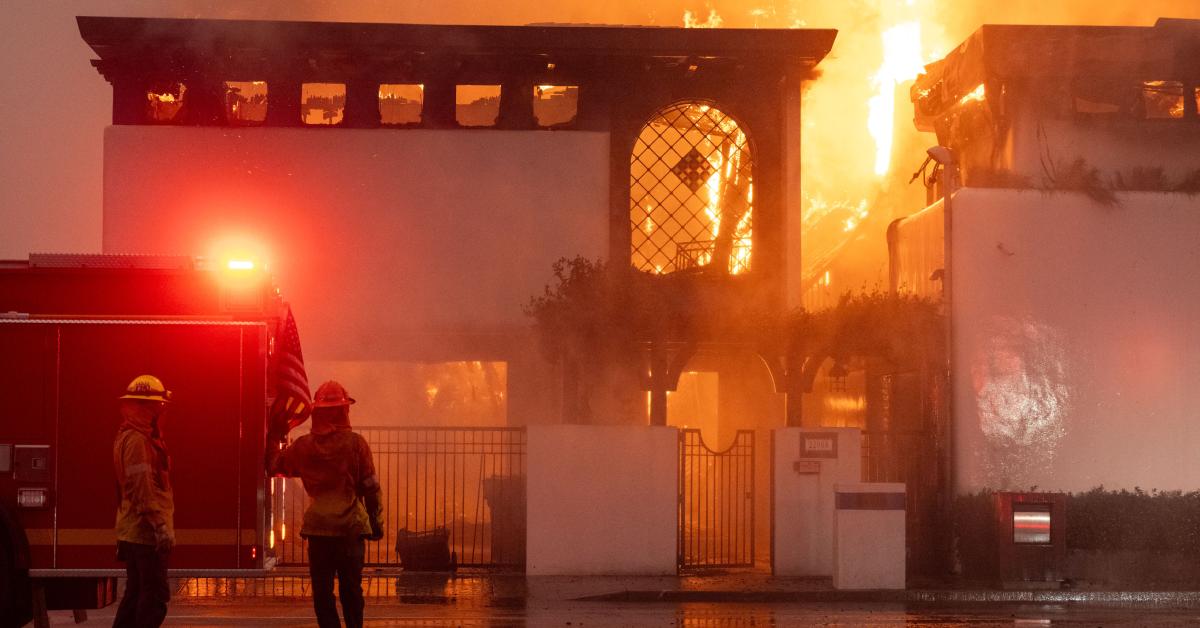
- Fire or smoke: Visible signs of fire or smoke can indicate a hazardous situation that requires immediate attention.
- Emergency response vehicles: If you see emergency response vehicles, such as ambulances, fire trucks, or police cars, it's likely an evacuation notice has been issued.
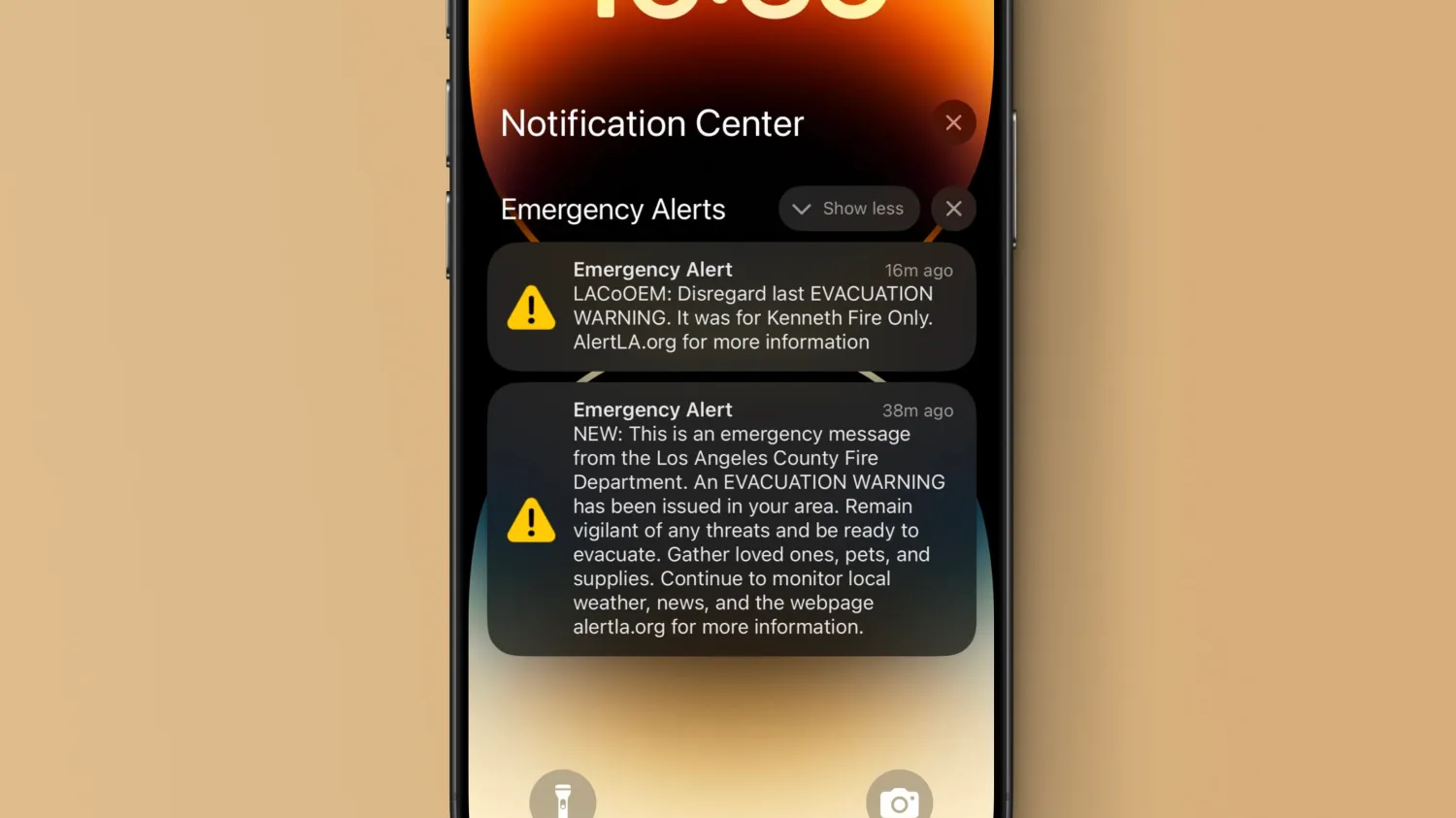
- Official messages: Pay attention to official messages from authorities, such as text messages, social media updates, or television broadcasts, which can provide critical information about the situation.
Preparing for an Evacuation
Preparing for an evacuation requires a well-thought-out plan and the right supplies. Here are some essential items to include in your emergency kit:
- Water and non-perishable food
- First aid kit and medications
- Flashlights and batteries
- Radio and/or NOAA Weather Radio
- Whistle or other signaling device
- Important documents and valuables
- Change of clothes and essential items
Creating an Evacuation Plan
Developing a comprehensive evacuation plan is crucial to ensuring your safety and the safety of your loved ones. Here are some key steps to consider:
- Identify safe zones: Identify safe zones in your area, such as evacuation centers, shelters, or other designated areas.
- Designate a meeting point: Designate a meeting point outside the danger zone, where family members can gather if they become separated.
- Practice the plan: Practice your evacuation plan with all family members, including children and seniors, to ensure everyone knows what to do.
- Stay informed: Stay informed about the situation through official channels, such as news reports, social media, and emergency alerts.
Staying Safe During an Evacuation
When an evacuation notice is issued, it's essential to stay calm and follow the instructions provided by authorities. Here are some tips to help you stay safe during an evacuation:
- Stay informed: Stay informed about the situation through official channels, such as news reports, social media, and emergency alerts.
- Follow evacuation routes: Follow evacuation routes and instructions provided by authorities to ensure you reach your designated safe zone safely.
- Avoid danger zones: Avoid areas that are designated as danger zones, such as areas with hazardous materials or structural damage.
- Use protective gear: Use protective gear, such as gloves and masks, when dealing with hazardous materials or situations.
- Stay together: Stay together with your family members and avoid getting separated.
Evacuation Route Tips
Evacuation routes can be complex and time-consuming, so it's essential to plan ahead and follow the instructions provided by authorities. Here are some tips to help you navigate evacuation routes:
- Familiarize yourself with the route: Familiarize yourself with the evacuation route and its layout to avoid getting lost or stuck.
- Use GPS or mapping apps: Use GPS or mapping apps to help navigate the route and avoid traffic congestion.
- Follow evacuation signs: Follow evacuation signs and instructions provided by authorities to ensure you reach your designated safe zone safely.
- Be prepared for delays: Be prepared for delays and have a plan in place in case you get stuck or need to seek alternative routes.
Conclusion
Evacuation notices are a serious warning that requires immediate attention and action. By understanding the signs that indicate an evacuation notice, preparing for an evacuation, and following the instructions provided by authorities, you can stay safe and avoid the risks associated with natural disasters and other emergency situations. Remember, evacuation notices are not optional – they're a critical warning that requires your attention and action.
Recent Post
Unlocking The Secrets Of Menopause: Expert Insights On Navigating Life After 40 With Paolo Tantoco
Tensions Rise As Trump Officials Defend Tariffs Amid Market Volatility And Warnings For Savers And Retirees
Rosie O'Donnell Teases Trump Move, Posts Disruptive Selfie From Abroad
Wings For The Win: Capitals Edge Ducks 7-4 In Thrilling Matchup
Ducks Fall Short: Key Takeaways From Thrilling 7-4 Loss To Capitals
Article Recommendations
- Unveiling The Sacred Essence Of Shri: A Journey Of Divine Radiance
- Unlock Clarity: How To Have A Truly Understandable And Nice Day
- Revealed: The Life Of Nichol Kessinger After Chris Watts' Confession