The Uncanny Beauty of Eraserhead: Unraveling the Surrealist Masterpiece
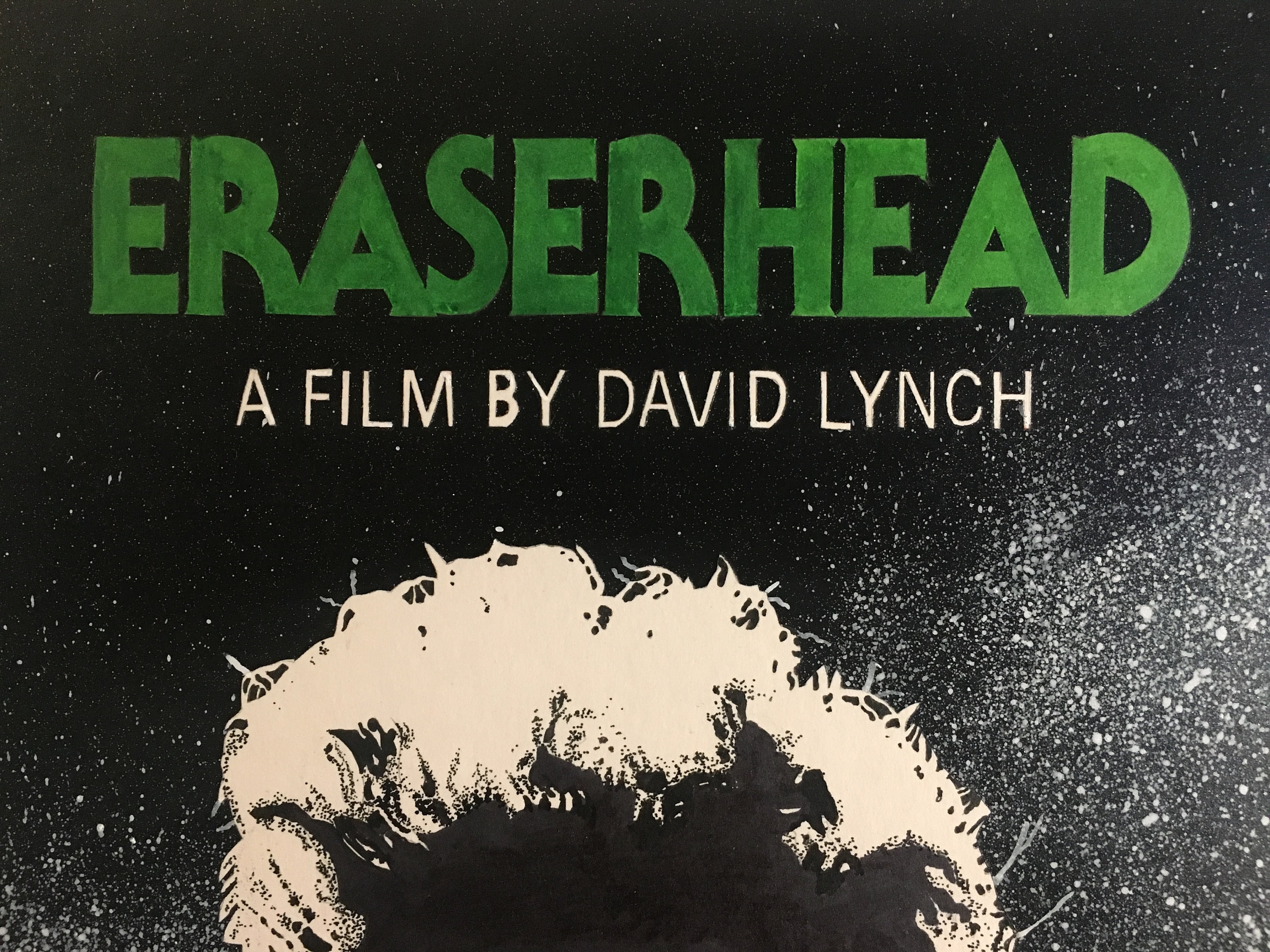
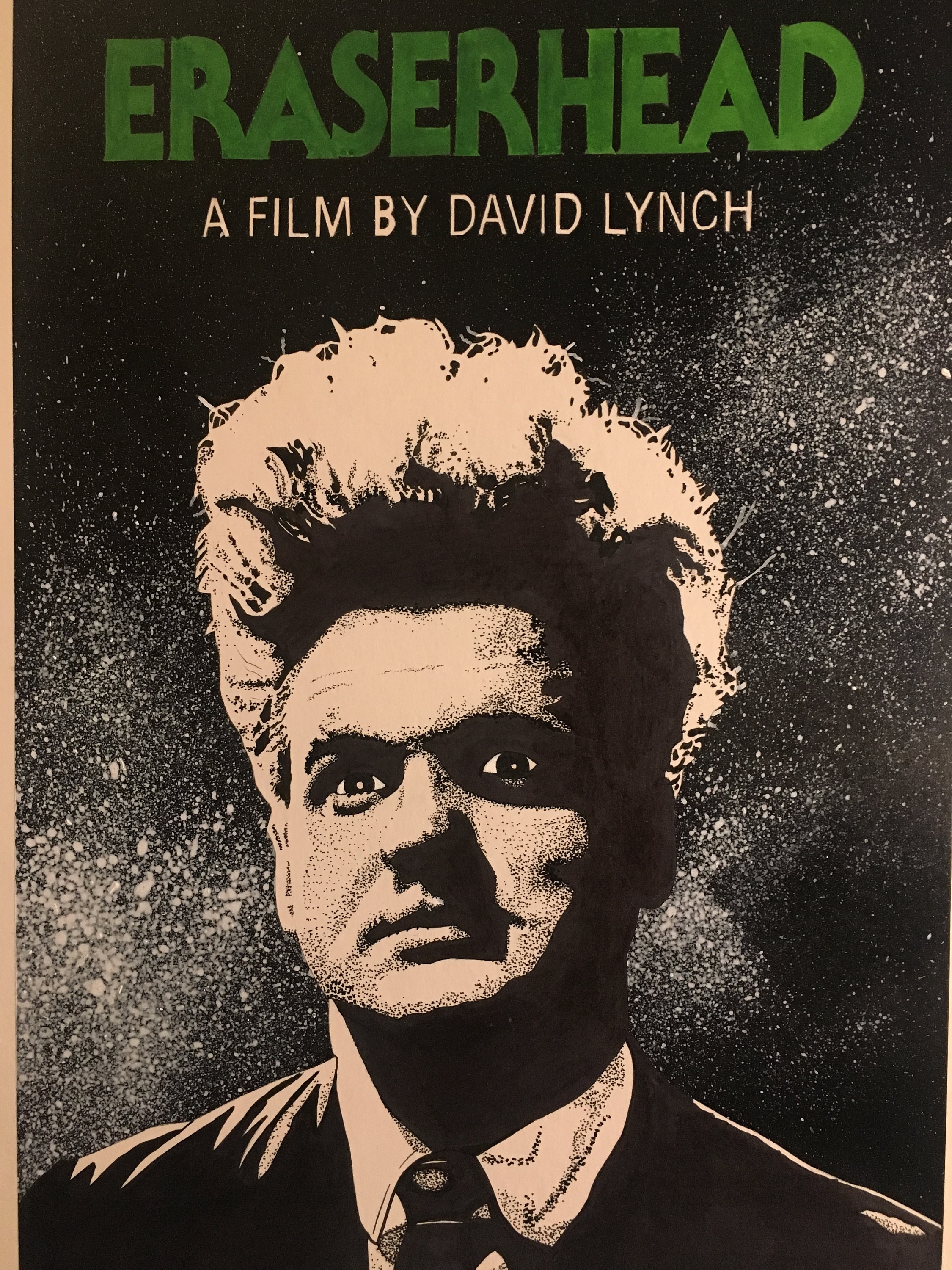
Eraserhead, David Lynch's 1977 surrealist body horror film, is a cinematic experience that continues to haunt audiences to this day. This eerie and dreamlike masterpiece has captivated viewers with its unique blend of psychological terror, industrial landscapes, and unconventional narrative structure. In this article, we will delve into the world of Eraserhead, exploring its symbolism, themes, and the techniques that make it a standout in the world of cinema.
Eraserhead is often described as a film that defies easy interpretation, and for good reason. Lynch's deliberate pacing and use of imagery create a sense of unease and discomfort, making it difficult to categorize or define. This ambiguity is a key aspect of the film's enduring appeal, allowing viewers to project their own interpretations and fears onto the narrative. As a result, Eraserhead has become a cultural touchstone, with references to the film appearing in everything from music videos to academic papers.
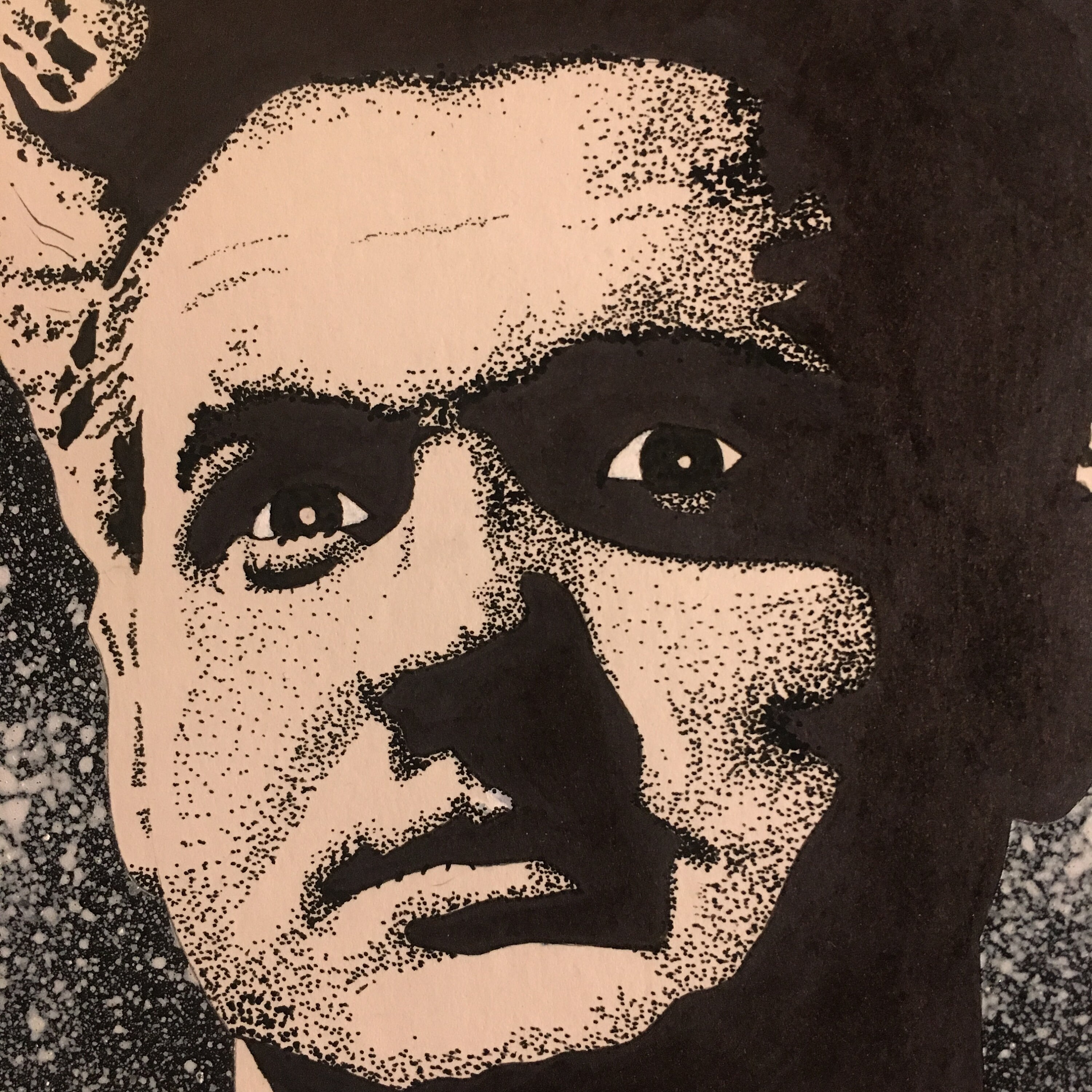
At its core, Eraserhead is a film about the struggle to create and the consequences of one's desires. The protagonist, Henry Spencer, is a meek and uncertain factory worker who finds himself embroiled in a series of surreal and terrifying events. As he navigates this nightmarish world, Henry is forced to confront his own insecurities and the darker aspects of his own psyche. This internal struggle is reflected in the film's use of symbolism, with objects and images serving as metaphors for Henry's emotions and desires.
The Industrial Landscape of the Subconscious
One of the most striking aspects of Eraserhead is its use of industrial landscapes as a symbol of the subconscious. The film's depiction of a post-apocalyptic world, with its decaying factories and twisted machinery, serves as a representation of Henry's own inner turmoil. The industrial setting is also a nod to Lynch's own fascination with the existential implications of industrialization and technological advancement.
In the film, the industrial landscape is portrayed as a place of fear and uncertainty, where the boundaries between reality and fantasy are constantly blurred. This is reflected in the character of Lady in the Radiator, a mystical figure who embodies the creative potential of the human mind. Her radiators, which produce a hypnotic melody, serve as a symbol of the power of imagination and the human desire for connection and transcendence.
The Limits of Human Control
Eraserhead is also a film about the limits of human control and the fragility of the human psyche. Henry's inability to control his own desires and emotions is reflected in the film's use of montage and editing techniques, which create a sense of disjointedness and fragmentation.
The character of Henry's girlfriend, Mary, serves as a symbol of the desire for control and order in a chaotic world. Her obsessive desire for a child is a reflection of the human drive for creation and connection, but also highlights the fragility of the human psyche in the face of uncertainty and fear.
The Music of the Spheres
The music of Eraserhead is a key element of the film's mystique, with its haunting melodies and discordant harmonies serving as a sonic representation of the protagonist's inner turmoil. The film's score, composed by Lynch and his longtime collaborator Angelo Badalamenti, is a masterclass in atmospheric sound design, creating a sense of unease and tension that underpins the entire narrative.
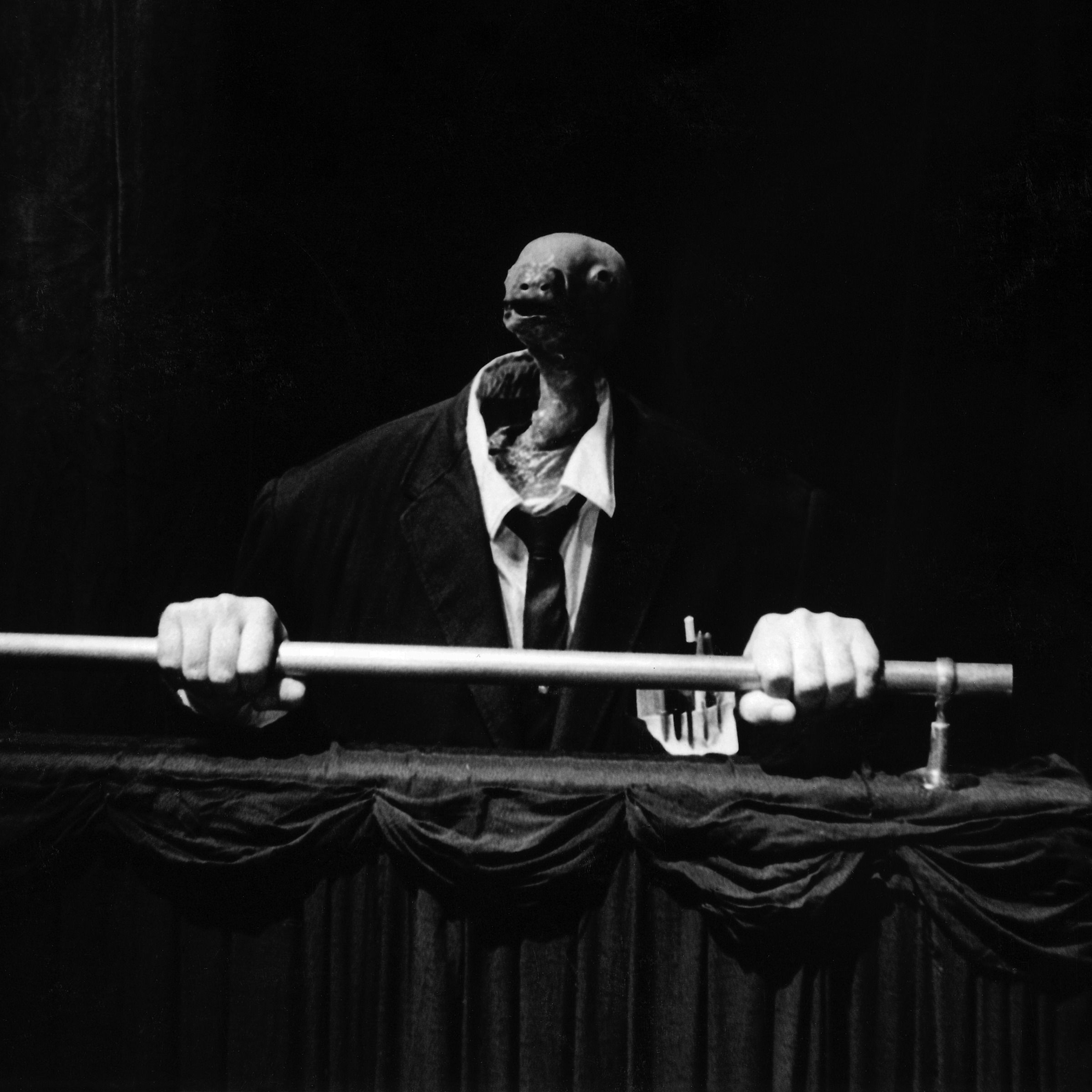
The use of industrial sounds and eerie silence also serves to heighten the sense of unease and discomfort, creating a sense of disorientation and disconnection. This is reflected in the character of the mutant creature, which is a symbol of the unpredictable and uncontrollable forces of nature.
The Poetics of Sound
Lynch's use of sound in Eraserhead is a deliberate subversion of traditional narrative structures, creating a sense of uncertainty and fragmentation that underpins the entire film. The use of sound effects, such as the piercing screech of the mutant creature, serves to create a sense of tension and unease, while the long, slow takes and deliberate pacing create a sense of hypnotic trance.
The film's use of underplaying and overplaying also serves to heighten the sense of tension and unease, creating a sense of dramatic irony that undercuts the narrative. This is reflected in the character of Lady in the Radiator, who serves as a symbol of the creative potential of the human mind.
The Influence of Surrealism
Eraserhead is often cited as a prime example of surrealist cinema, with its use of dreamlike imagery and unconventional narrative structures reflecting the ideals of the surrealist movement. Lynch's use of imagery and symbolism serves to create a sense of unease and discomfort, while the film's use of montage and editing techniques creates a sense of disjointedness and fragmentation.
The film's influence can be seen in a wide range of other cinematic works, from the films of Terry Gilliam to the music videos of Björk. Eraserhead's use of surreal imagery and unconventional narrative structures has also influenced the work of writers and artists, including David Bowie and Chuck Palahniuk.
The Art of Surrealism
Surrealism, a movement that emerged in the 1920s, sought to explore the world of the unconscious and the realm of the irrational. Surrealist artists, including Salvador Dalí and René Magritte, used techniques such as automatism and montage to create dreamlike images that challenged the rational and the conventional.
Eraserhead is a prime example of surrealist cinema, with its use of dreamlike imagery and unconventional narrative structures reflecting the ideals of the surrealist movement. The film's use of symbolism and imagery serves to create a sense of unease and discomfort, while the use of montage and editing techniques creates a sense of disjointedness and fragmentation.
Conclusion
Eraserhead is
Recent Post
Unlocking The Secrets Of Menopause: Expert Insights On Navigating Life After 40 With Paolo Tantoco
Tensions Rise As Trump Officials Defend Tariffs Amid Market Volatility And Warnings For Savers And Retirees
Rosie O'Donnell Teases Trump Move, Posts Disruptive Selfie From Abroad
Wings For The Win: Capitals Edge Ducks 7-4 In Thrilling Matchup
Ducks Fall Short: Key Takeaways From Thrilling 7-4 Loss To Capitals
Article Recommendations
- Unveiling The Towering Presence: How Tall Is Hollywood Icon Brad Pitt?
- Mikayla Campinos: Unlocking The Secrets To Influencer Marketing Success
- Unveiling The Age Of Joaquim Valente: A Digital Trailblazer