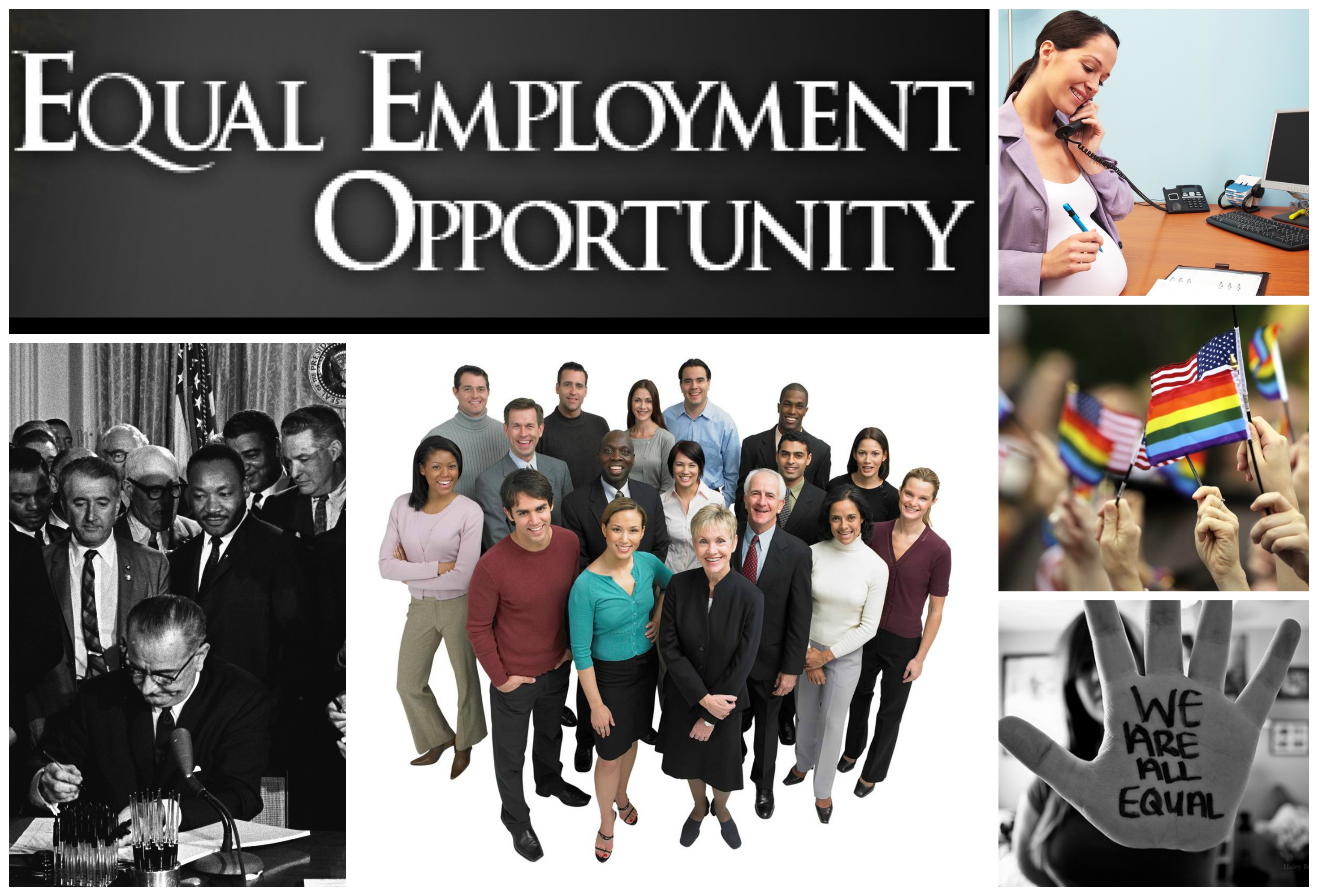
Is Your Workplace Fair? Demanding Equal Employment Opportunity
In today's fast-paced and competitive business landscape, creating a fair and inclusive workplace is crucial for attracting and retaining top talent, improving employee morale, and driving productivity. However, many organizations struggle to provide an equal employment opportunity (EEO) for their employees, which can lead to a toxic work environment, decreased job satisfaction, and even lawsuits. As an employer, it's essential to create a workplace that values diversity, promotes fairness, and provides equal opportunities for all employees. In this article, we'll discuss the importance of fair workplaces, the benefits of providing equal employment opportunity, and practical tips for creating a fair and inclusive workplace culture.
A fair workplace is not just a moral imperative, but also a business necessity. According to a study by Gallup, employees who feel their organization values their diversity are 36% more likely to report feeling fully engaged at work. Moreover, a survey by Glassdoor found that 69% of employees are more likely to stay with a company that values diversity and inclusion. In contrast, a toxic work environment can lead to decreased job satisfaction, turnover, and even lawsuits.
The Benefits of Equal Employment Opportunity
Providing equal employment opportunity is essential for creating a fair and inclusive workplace culture. Here are some benefits of EEO:
- Improved employee morale: When employees feel that their workplace is fair and inclusive, they're more likely to be motivated, engaged, and satisfied with their job.
- Increased productivity: A fair workplace culture can lead to increased productivity, creativity, and innovation, as employees feel valued and respected.
- Reduced turnover: Providing equal employment opportunity can reduce turnover rates, as employees feel that their workplace is a good fit for them.
- Improved reputation: Companies that prioritize EEO are more likely to have a positive reputation, which can lead to increased customer loyalty and retention.
Creating a Fair Workplace Culture
Creating a fair workplace culture requires a multifaceted approach that involves leadership, policies, and practices. Here are some practical tips for creating a fair and inclusive workplace culture:
Leadership Commitment
Leadership plays a critical role in creating a fair workplace culture. Here are some ways leaders can promote EEO:
- Develop an EEO policy: Develop a clear EEO policy that outlines the company's commitment to providing equal opportunities for all employees.
- Provide training: Provide training for all employees on EEO principles, diversity, and inclusion.
- Lead by example: Leaders should model the behavior they expect from their employees, demonstrating respect, empathy, and inclusivity.
Policies and Practices
Fair workplace policies and practices can help create a culture of inclusion. Here are some examples:
- Non-discrimination policies: Develop policies that prohibit discrimination based on race, gender, age, disability, or other protected characteristics.
- Equal pay policies: Develop policies that ensure equal pay for equal work, regardless of gender, age, or other protected characteristics.
- Family-friendly policies: Develop policies that support employees' family responsibilities, such as paid leave, flexible work arrangements, and parental leave.
- Diversity and inclusion initiatives: Develop initiatives that promote diversity, equity, and inclusion, such as mentorship programs, employee resource groups, and diversity training.
Inclusive Workplace Practices
Inclusive workplace practices can help create a culture of belonging. Here are some examples:
- Regular feedback: Regularly solicit feedback from employees to ensure that their concerns are heard and addressed.
- Anonymous reporting: Develop a system that allows employees to report concerns or complaints anonymously.
- Inclusive communication: Use inclusive language and communication practices that avoid stereotypes and biases.
- Diverse hiring practices: Develop hiring practices that attract a diverse pool of candidates, including underrepresented groups.
Overcoming Barriers to Fair Workplaces
Creating a fair workplace culture is not always easy, as there may be barriers to overcome. Here are some common barriers and solutions:
Lack of Awareness
Lack of awareness is a common barrier to fair workplaces. Here are some solutions:
- Education and training: Provide education and training on EEO principles, diversity, and inclusion.
- Communication: Communicate the importance of EEO and the benefits of a fair workplace culture.
Lack of Resources
Lack of resources is another barrier to fair workplaces. Here are some solutions:
- Budget allocation: Allocate a budget for diversity and inclusion initiatives.
- Partnerships and collaborations: Collaborate with organizations that can provide resources and expertise.
Lack of Leadership Commitment
Lack of leadership commitment is a common barrier to fair workplaces. Here are some solutions:
- Leadership engagement: Engage leaders in EEO initiatives and diversity and inclusion efforts.
- Accountability: Hold leaders accountable for promoting EEO and diversity and inclusion.
Conclusion
Creating a fair workplace culture is essential for attracting and retaining top talent, improving employee morale, and driving productivity. By providing equal employment opportunity, promoting diversity and inclusion, and creating a culture of belonging, organizations can reap the benefits of a fair workplace culture. Remember, creating a fair workplace culture requires a multifaceted approach that involves leadership, policies, and practices. By overcoming barriers and promoting EEO, organizations can create a workplace culture that values diversity, promotes fairness, and provides equal opportunities for all employees.
Call to Action
If you're looking to create a fair workplace culture, here are some steps you can take:
- Develop an EEO policy: Develop a clear EEO policy that outlines the company's commitment to providing equal opportunities for all employees.
- Provide training: Provide training for all employees on EEO principles, diversity, and inclusion.
- Lead by example: Leaders should model the behavior they expect from their employees, demonstrating respect,
Recent Post
Unlocking The Secrets Of Menopause: Expert Insights On Navigating Life After 40 With Paolo Tantoco
Tensions Rise As Trump Officials Defend Tariffs Amid Market Volatility And Warnings For Savers And Retirees
Rosie O'Donnell Teases Trump Move, Posts Disruptive Selfie From Abroad
Wings For The Win: Capitals Edge Ducks 7-4 In Thrilling Matchup
Ducks Fall Short: Key Takeaways From Thrilling 7-4 Loss To Capitals
Article Recommendations
- Hollywood's Rising Star: Uncovering The Enigmatic Alex Landi
- Discover Zoe Chip: Unleash The Power Of AI-Powered Fitness Tracking
- Lance Barber's Remarkable Transformation: Unlocking The Secrets To Weight Loss