Don't Get Caught Off Guard: Your Guide to Emergency Alerts
In today's fast-paced world, staying informed and prepared is more crucial than ever. Emergency alerts are an essential tool for individuals and communities to stay safe and informed during critical situations. However, with the rise of technology and social media, it's easy to overlook or underestimate the importance of emergency alerts. This guide is designed to help you understand the different types of emergency alerts, how to stay informed, and what to do during an emergency.
With the increasing number of natural disasters, terrorist attacks, and other crises, emergency alerts have become an essential part of modern life. Governments and organizations use various channels to disseminate critical information to the public, including text messages, social media, sirens, and television broadcasts. However, the key to staying safe is to be aware of the different types of emergency alerts and know what to do when you receive one.
Understanding the Different Types of Emergency Alerts
There are several types of emergency alerts, each with its unique characteristics and requirements. Here are some of the most common types of emergency alerts:
- AMBER Alerts: These are issued when a child is endangered or has been abducted. AMBER Alerts are typically sent to cell phones, television stations, and social media platforms.
- Emergency Alert System (EAS) Messages: These are broadcast on television and radio stations during emergency situations, such as natural disasters or terrorist attacks.
- Wireless Emergency Alerts (WEA): These are text messages sent to cell phones during emergency situations, such as tornado warnings or flash floods.
- Reverse 911 Messages: These are automated calls sent to phone lines in areas affected by emergency situations, such as natural disasters or terrorist attacks.
Staying Informed
Staying informed is the key to responding to emergency alerts effectively. Here are some tips to help you stay informed:
- Sign up for emergency alerts: Register for emergency alerts from your local government or organization to receive critical information during emergencies.
- Use social media: Follow your local government or emergency management agency on social media to stay informed about emergency situations.
- Monitor television and radio: Tune into local news channels and radio stations for updates on emergency situations.
- Download emergency apps: Download apps like the National Weather Service or the Federal Emergency Management Agency (FEMA) to receive emergency alerts and information.
What to Do During an Emergency
When you receive an emergency alert, it's essential to act quickly and follow the instructions provided. Here are some general tips to help you respond to emergency alerts:
- Stay calm: Panic can cloud your judgment, so it's essential to remain calm and think clearly during an emergency.
- Follow instructions: Pay attention to the instructions provided in the emergency alert and follow them promptly.
- Evacuate if necessary: If you're instructed to evacuate, do so immediately and follow the recommended evacuation route.
- Seek shelter: If you're not instructed to evacuate, seek shelter in a safe location, such as a basement or interior room.
Preparing for Emergency Situations
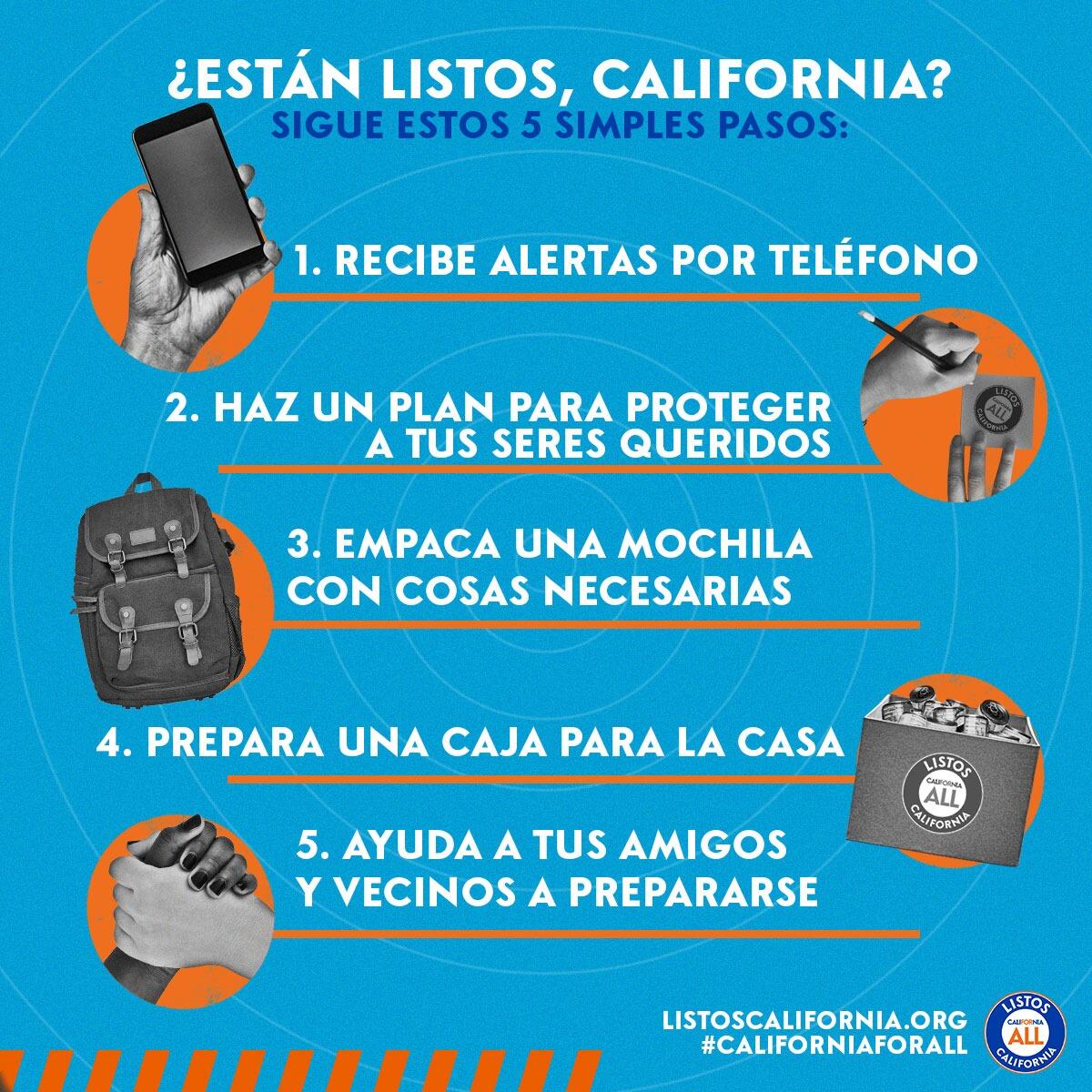
While emergency alerts are designed to alert you to critical situations, preparation is key to staying safe. Here are some tips to help you prepare for emergency situations:
- Create an emergency kit: Assemble a kit with essential items, such as food, water, first aid supplies, and a battery-powered radio.
- Know your emergency routes: Familiarize yourself with evacuation routes and emergency shelters in your area.
- Stay informed: Stay up-to-date on emergency situations in your area by following local news and emergency management agencies.
- Practice emergency drills: Participate in emergency drills with your family to ensure everyone knows what to do during an emergency.
Conclusion
Emergency alerts are a critical tool for staying safe and informed during emergency situations. By understanding the different types of emergency alerts, staying informed, and knowing what to do during an emergency, you can help ensure your safety and the safety of those around you. Remember to prepare for emergency situations, stay calm, and follow instructions to stay safe during critical situations.
Recent Post
Unlocking The Secrets Of Menopause: Expert Insights On Navigating Life After 40 With Paolo Tantoco
Tensions Rise As Trump Officials Defend Tariffs Amid Market Volatility And Warnings For Savers And Retirees
Rosie O'Donnell Teases Trump Move, Posts Disruptive Selfie From Abroad
Wings For The Win: Capitals Edge Ducks 7-4 In Thrilling Matchup
Ducks Fall Short: Key Takeaways From Thrilling 7-4 Loss To Capitals
Article Recommendations
- Watchports: The Ultimate Guide To Free Online Streaming
- Exclusive: Matt Czuchry Spills The Tea On His Current Relationship Status And Dating History
- Unveiling The Story Of Michaelaly Parents: A Behind-the-Scenes Look At Their Rise To Fame