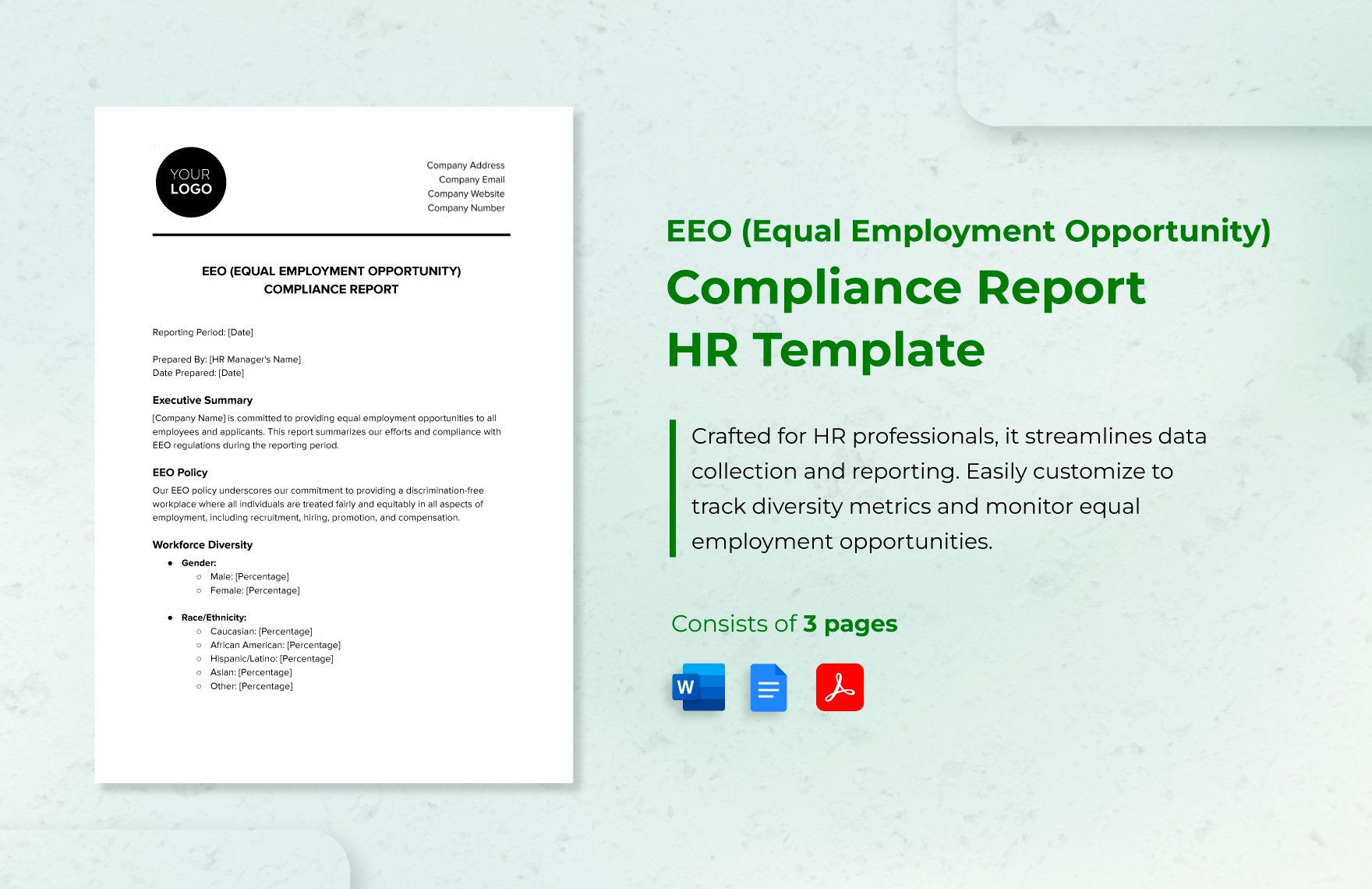
Navigating the Complexities of Equal Employment Opportunity: Mastering EEO Compliance
In today's diverse and rapidly changing work environment, ensuring equal employment opportunity (EEO) compliance is no longer a suggestion, but a requirement. Employers must navigate a complex web of federal and state laws, regulations, and guidelines to prevent discrimination and create an inclusive workplace. In this comprehensive guide, we will delve into the intricacies of EEO compliance, providing you with the knowledge and tools necessary to master this critical aspect of human resources management.
The federal Equal Employment Opportunity Commission (EEOC) is responsible for enforcing federal laws prohibiting employment discrimination based on various protected characteristics, including race, color, national origin, sex (including pregnancy, sexual orientation, and gender identity), age, disability, and genetic information. Employers with 15 or more employees are subject to these laws, making it essential to understand the regulations and implement effective EEO compliance strategies.
The consequences of non-compliance can be severe, including fines, damages, and reputational harm. In recent years, the EEOC has recovered over $488 million in monetary damages and penalties for employers who have failed to comply with EEO laws. As the landscape of EEO continues to evolve, it is crucial to stay informed and adapt your strategies to ensure compliance.
Understanding the EEO Laws and Regulations
Overview of Federal EEO Laws
The federal EEO laws are divided into several key areas, each with its unique focus and requirements.
- Title VII of the Civil Rights Act of 1964: Prohibits employment discrimination based on race, color, national origin, sex, and religion.
- Age Discrimination in Employment Act (ADEA): Protects employees and job applicants 40 years of age and older from age-based discrimination.
- Americans with Disabilities Act (ADA): Ensures equal opportunities for individuals with disabilities and requires reasonable accommodations in the workplace.
- Genetic Information Nondiscrimination Act (GINA): Prohibits genetic information from being used to make employment decisions.
State and Local EEO Laws
In addition to federal laws, many states and local governments have enacted their own EEO laws and regulations. These laws may provide additional protections for specific groups, such as pregnant women or LGBTQ+ individuals. Employers must be aware of these state and local laws to ensure compliance and avoid potential liability.
Interpretation and Application of EEO Laws
EEO laws can be complex and nuanced, requiring careful interpretation and application. Employers must consider the specific facts and circumstances of each situation, taking into account the unique needs and requirements of their employees and business.
Some key considerations when interpreting and applying EEO laws include:
- Title VII's "seminal objector" rule: Employees who experience discrimination must demonstrate that the discriminatory behavior was a significant factor in their decision not to return to work.
- The ADA's "undue hardship" test: Employers must assess whether providing a reasonable accommodation would impose an undue hardship on their business.
- GINA's restrictions on inquiries: Employers are prohibited from asking about genetic information during the hiring process or at any time after a job offer has been made.
Strategies for EEO Compliance
Implementing effective EEO compliance strategies is crucial for employers seeking to create an inclusive and respectful workplace. Some key strategies include:
- Establishing an EEO program: Develop a comprehensive EEO program that outlines the company's commitment to equal employment opportunity and provides training and resources for employees.
- Conducting regular EEO training: Provide ongoing EEO training for employees, supervisors, and managers to ensure that everyone understands the laws and regulations.
- Monitoring and reporting incidents: Develop a system for reporting and tracking EEO incidents, including investigations and corrective actions.
- Maintaining accurate records: Keep accurate records of EEO incidents, investigations, and corrective actions to support compliance and potential litigation.
Best Practices for EEO Compliance
Some additional best practices for EEO compliance include:
- Developing a zero-tolerance policy: Establish a clear zero-tolerance policy for discrimination and harassment, with consequences for non-compliance.
- Creating a diverse and inclusive workplace: Foster a diverse and inclusive workplace culture by promoting diversity, equity, and inclusion initiatives.
- Partnering with EEO experts: Collaborate with EEO experts and consultants to ensure that your EEO program is comprehensive and effective.
EEO Compliance in the Digital Age
The rise of remote work and digital communication has created new challenges for EEO compliance. Employers must be aware of the potential risks and take steps to ensure that their digital workplace is inclusive and respectful.
Some key considerations for EEO compliance in the digital age include:
- Social media policies: Develop social media policies that promote respectful and inclusive behavior, while also protecting the company's brand and reputation.
- Email and communication protocols: Establish clear protocols for email and communication that prevent harassment and discrimination.
- Online training and resources: Provide online training and resources for employees on EEO laws and best practices, as well as tools and software for managing digital workplace communication.
EEO Compliance in the Future
As the EEO landscape continues to evolve, employers must stay ahead of the curve to ensure compliance. Some key areas to watch in the future include:
- Expansion of LGBTQ+ protections: Expect increased protections for LGBTQ+ individuals, including broader definitions of sex and gender identity.
- Growing emphasis on diversity and inclusion: Employers will face increased pressure to demonstrate their commitment to diversity and inclusion, with a focus on creating a workplace culture that values and respects all employees.
- Advances in AI and machine learning: As AI and machine learning technologies become more prevalent, employers will need to address the potential risks and challenges associated with these tools
Recent Post
Unlocking The Secrets Of Menopause: Expert Insights On Navigating Life After 40 With Paolo Tantoco
Tensions Rise As Trump Officials Defend Tariffs Amid Market Volatility And Warnings For Savers And Retirees
Rosie O'Donnell Teases Trump Move, Posts Disruptive Selfie From Abroad
Wings For The Win: Capitals Edge Ducks 7-4 In Thrilling Matchup
Ducks Fall Short: Key Takeaways From Thrilling 7-4 Loss To Capitals
Article Recommendations
- Uday Chopra: Bollywood's Beloved Star And Former Assistant Director
- Is Diddy Still Alive? The Truth About The Rumors
- Discover The Rising Star Of C-Drama: Zhao Lusi's Charismatic Performances