New Zealand's Economic Troubles: Uncovering The Root Causes And Path Forward
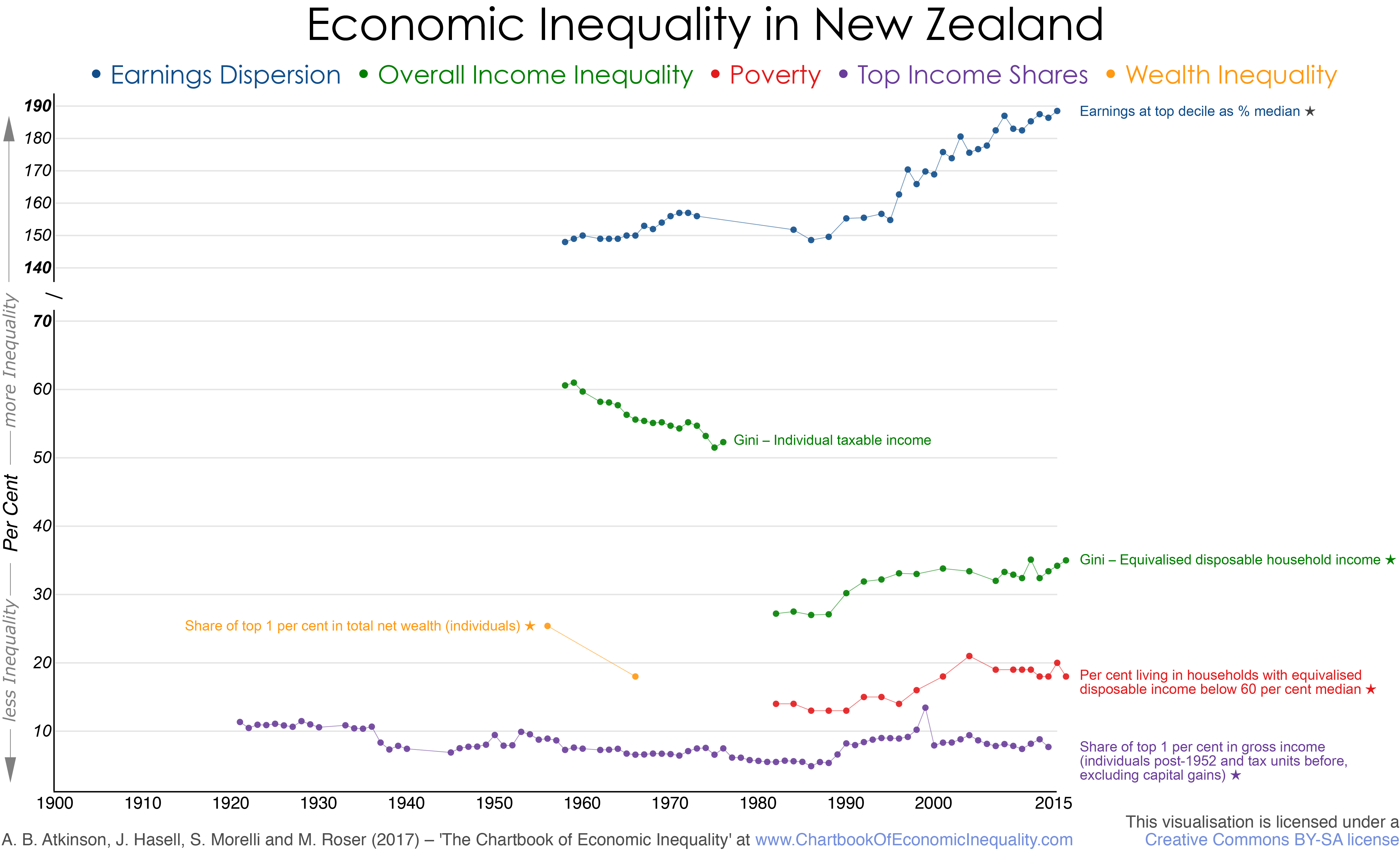
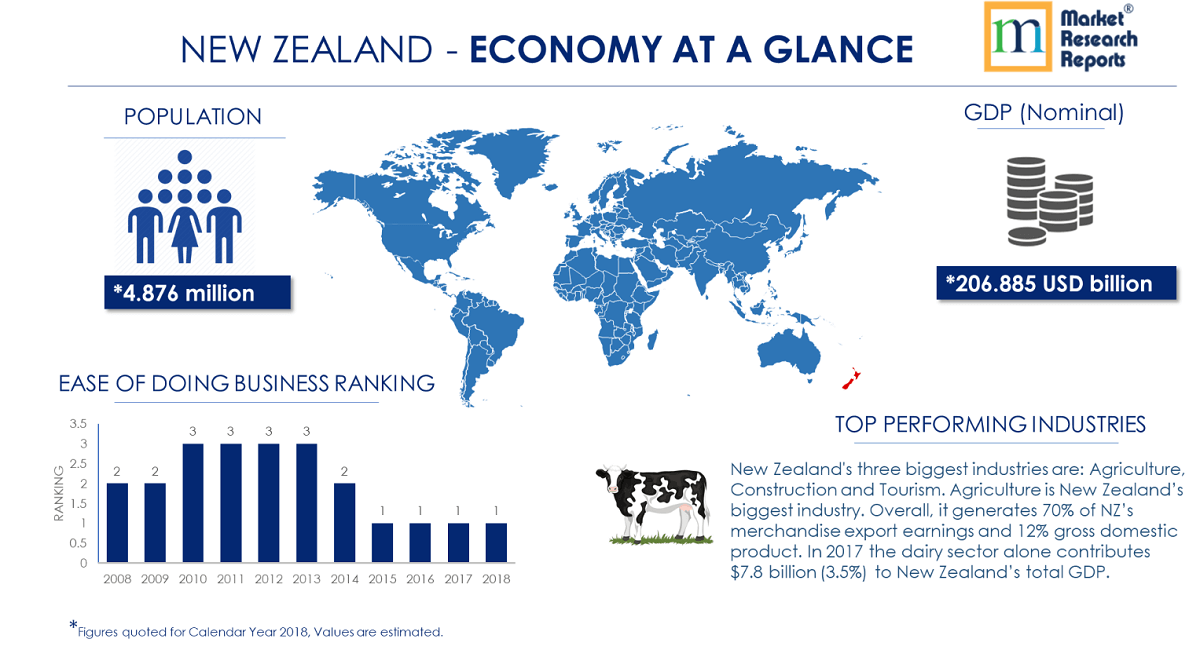
New Zealand's economy has been facing a challenging period in recent years, with the country experiencing slow growth, high unemployment, and a decline in business confidence. The economic troubles in New Zealand are a complex issue, with multiple factors contributing to the country's economic woes. In this article, we will delve into the root causes of New Zealand's economic troubles and explore the path forward for the country's economy.
In the first half of 2020, New Zealand's economy experienced a significant slowdown due to the COVID-19 pandemic. The government's decision to implement a nationwide lockdown resulted in a sharp decline in economic activity, with GDP contracting by 17.5% in the second quarter of 2020. The lockdown had a devastating impact on the tourism and hospitality sectors, which are two of the country's largest contributors to economic output.
One of the main root causes of New Zealand's economic troubles is the country's high level of government debt. The country's debt-to-GDP ratio has been steadily increasing over the past decade, reaching 48.1% in 2020. This is a concern for several reasons, including the potential for future economic shocks and the increased cost of servicing the debt.
The high level of government debt is a result of several factors, including the country's slow growth rate and the impact of the COVID-19 pandemic. The government has also implemented several spending programs to stimulate economic growth, which has added to the country's debt burden.
Understanding the Impact of COVID-19 on New Zealand's Economy
The COVID-19 pandemic has had a significant impact on New Zealand's economy, with the country experiencing a sharp decline in economic activity in the first half of 2020.
Some of the key statistics that illustrate the impact of COVID-19 on New Zealand's economy include:
• GDP contracted by 17.5% in the second quarter of 2020
• Unemployment rates rose to 7.3% in April 2020, up from 3.9% in February 2020
• The tourism and hospitality sectors were particularly hard hit, with a decline of 50% in visitor numbers in the second quarter of 2020
The Role of Government Spending in Stimulating Economic Growth
The government's decision to implement several spending programs to stimulate economic growth has been a key factor in the country's economic troubles. While the spending programs have helped to boost economic activity in the short term, they have also contributed to the country's high level of government debt.
Some of the key measures that the government has implemented to stimulate economic growth include:
• The COVID-19 Response and Recovery Package, which included a package of fiscal measures worth NZD 12.1 billion
• The Employment Tax Incentive, which provides tax credits to businesses that take on new employees
• The New Zealand Apprenticeship Bonus, which provides a bonus payment to apprentices who complete their training
The Impact of Global Trade on New Zealand's Economy
New Zealand's economy is heavily reliant on global trade, with the country's exports making up around 50% of GDP. However, the COVID-19 pandemic has had a significant impact on global trade, with many countries imposing lockdowns and border controls to slow the spread of the virus.
Some of the key statistics that illustrate the impact of global trade on New Zealand's economy include:
• New Zealand's trade exports declined by 13.1% in the second quarter of 2020 compared to the same period in 2019
• The country's main trading partners, including Australia and China, have also experienced economic downturns due to the pandemic
The Need for Diversification
New Zealand's economy is heavily reliant on a few key sectors, including agriculture, manufacturing, and tourism. However, these sectors are vulnerable to external shocks, including changes in global demand and trade policies.
Some of the key reasons why New Zealand needs to diversify its economy include:
• Reduced reliance on exports: By diversifying its economy, New Zealand can reduce its reliance on exports and improve its economic resilience.
• Increased economic growth: Diversification can help to increase economic growth by creating new opportunities for businesses and workers.
• Improved competitiveness: By diversifying its economy, New Zealand can improve its competitiveness in the global market and attract new investment.
The Role of Monetary Policy in Stimulating Economic Growth
The Reserve Bank of New Zealand (RBNZ) has played a key role in stimulating economic growth through monetary policy measures. The RBNZ has implemented several measures to lower interest rates and increase the money supply, including:
• Cutting interest rates: The RBNZ has cut interest rates several times since the COVID-19 pandemic began, with the cash rate currently sitting at 0.25%.
• Increasing quantitative easing: The RBNZ has also increased its quantitative easing program, which involves buying government bonds to inject liquidity into the economy.
The Benefits of Monetary Policy
Some of the key benefits of monetary policy in stimulating economic growth include:
• Lower interest rates: Lower interest rates can make borrowing cheaper for businesses and households, which can help to stimulate economic growth.
• Increased money supply: An increase in the money supply can help to stimulate economic growth by putting more money in the hands of consumers and businesses.
The Risks of Monetary Policy
However, monetary policy also has several risks, including:
• Inflation: Low interest rates can lead to inflation, as more money chases a limited number of goods and services.
• Asset bubbles: Low interest rates can also lead to asset bubbles, as investors seek out higher returns in assets such as stocks and property.
The Path Forward for New Zealand's Economy
New Zealand's economy is at a critical juncture, with the country facing several key challenges in the coming years. However, with careful planning and policy implementation
Recent Post
Unlocking The Secrets Of Menopause: Expert Insights On Navigating Life After 40 With Paolo Tantoco
Tensions Rise As Trump Officials Defend Tariffs Amid Market Volatility And Warnings For Savers And Retirees
Rosie O'Donnell Teases Trump Move, Posts Disruptive Selfie From Abroad
Wings For The Win: Capitals Edge Ducks 7-4 In Thrilling Matchup
Ducks Fall Short: Key Takeaways From Thrilling 7-4 Loss To Capitals
Article Recommendations
- Linda Kozlowski: From "Crocodile Dundee" Star To Environmental Advocate
- Unleash Your D&D Imagination: Discover The Goblin Cave's Hidden Treasures
- Unveiling The Age Mystery: Isavid Muir's Wife's Surprising Age Revealed