Earthquakes Today: Are We on the Verge of the Big One?
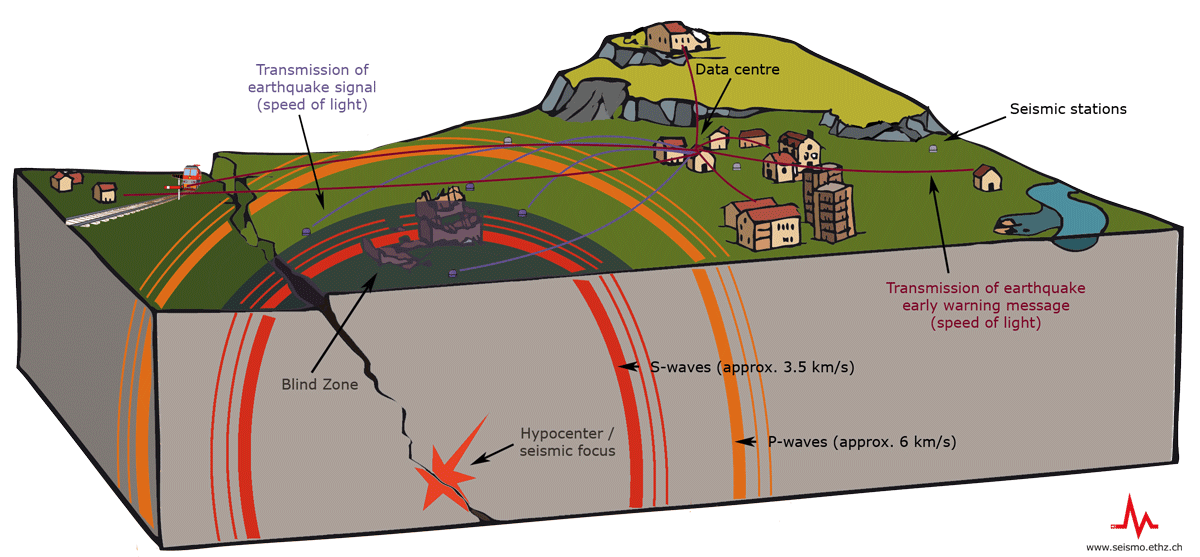
The Earth's crust is made up of several tectonic plates that float on the mantle, and these plates are in constant motion. As they move, they can get stuck at their boundaries, causing stress to build up over time. When the stress becomes too great, the plates will suddenly move, releasing the stored energy as seismic waves, which is what we feel as an earthquake. With the increasing number of earthquakes happening around the world, many people are wondering if we are on the verge of the big one - a massive earthquake that could have devastating effects on our cities and communities.
The Earth's crust is dynamic, and the movement of the tectonic plates is a key factor in determining the frequency and intensity of earthquakes. The Pacific Ring of Fire, which includes the west coast of the Americas, Japan, the Philippines, and Indonesia, is home to over 75% of the world's active volcanoes and experiences 90% of the world's largest earthquakes. This is because these regions are located near the boundary between several tectonic plates, where the plates are constantly interacting and colliding.
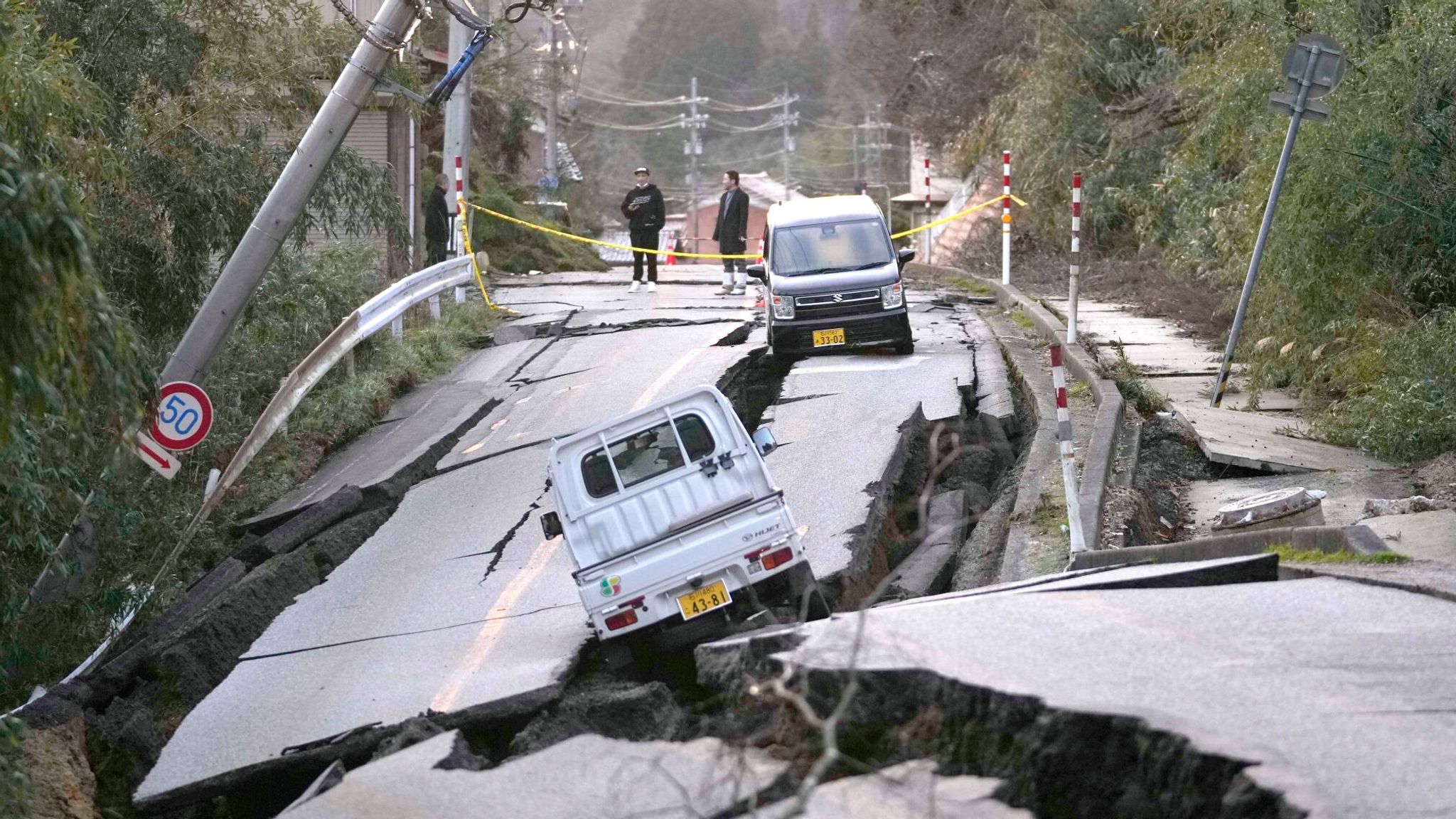
One of the most significant concerns about earthquakes is the potential for a massive, destructive quake to strike a major city or region. The Big One, as it's commonly referred to, could have devastating effects on our infrastructure, economy, and daily lives. In recent years, there have been several high-profile earthquakes that have highlighted the need for preparedness and mitigation measures.
Understanding Earthquake Risk
Before we can discuss the possibility of the Big One, it's essential to understand the risk of earthquakes in different regions. Earthquake risk is determined by a combination of factors, including:
- The location of the earthquake epicenter
- The magnitude of the earthquake
- The distance from the epicenter to the location of interest
- The type of geological activity in the area
Different regions are more prone to earthquakes due to their unique geological characteristics. For example, the San Andreas Fault in California is a major transform fault that runs for over 800 miles, making it one of the most seismically active regions in the world.
Factors Contributing to Earthquake Risk
Some of the key factors that contribute to earthquake risk include:
- Geological activity: Regions with high levels of volcanic activity, faulting, and other geological processes are more prone to earthquakes.
- Population density: Areas with high population densities are more vulnerable to the effects of an earthquake.
- Infrastructure: The design and construction of buildings and other infrastructure can significantly impact the severity of an earthquake's effects.
- Soil conditions: The type of soil in an area can affect the stability of buildings and other structures during an earthquake.
The Science Behind Earthquakes
Understanding the science behind earthquakes is crucial for predicting and mitigating their effects. Earthquakes are caused by the movement of tectonic plates, which can be broken down into three main types:
- Divergent motion: When two plates are moving apart, new crust is formed, and earthquakes can occur as the plates separate.
- Convergent motion: When two plates are moving towards each other, they can collide, causing earthquakes as they are pushed together.
- Transform motion: When two plates are sliding past each other, earthquakes can occur as they move along the fault line.
Types of Faults
There are three main types of faults that can cause earthquakes:
- Normal faults: These occur when the Earth's crust is stretched and thinned, causing the ground to sink.
- Reverse faults: These occur when the Earth's crust is compressed, causing the ground to rise.
- Strike-slip faults: These occur when the Earth's crust is sliding horizontally past each other, causing earthquakes as they move along the fault line.
Recent Earthquake Activity
In recent years, there have been several significant earthquakes around the world that have highlighted the need for earthquake preparedness and mitigation measures. Some of the most notable earthquakes include:
- 2011 Tohoku earthquake and tsunami: A magnitude 9.0 earthquake struck off the coast of Japan, causing widespread destruction and triggering a massive tsunami that killed over 15,000 people.
- 2014 Napa earthquake: A magnitude 6.0 earthquake struck California, causing significant damage and injuring several people.
- 2018 Sulawesi earthquake and tsunami: A magnitude 7.5 earthquake struck Indonesia, causing widespread destruction and triggering a massive tsunami that killed over 2,000 people.
earthquake statistics
Some interesting earthquake statistics include:
- The majority of earthquakes are small: Most earthquakes are minor, with magnitudes below 5.0.
- Earthquakes can occur anywhere: While earthquakes are more common in certain regions, they can occur anywhere, at any time.
- Earthquakes can be destructive: Even small earthquakes can cause significant damage and loss of life.
Preparing for the Big One
While the Big One is still a distant possibility, it's essential to take steps to prepare for its potential effects. Here are some steps you can take:
- Create an emergency plan: Develop a plan with your family that includes evacuation routes, emergency contact numbers, and a meeting point in case you get separated.
- Secure your home: Make sure your home is earthquake-resistant by securing heavy objects, installing earthquake-resistant fasteners, and anchoring your water heater and other heavy appliances.
- Build an emergency kit: Assemble a kit with essential items, such as food, water, first aid supplies, and a battery-powered radio.
Steps to take before an earthquake
Some steps you can take before an earthquake to minimize your risk include:
- Drop, Cover, and Hold On: When an earthquake occurs, drop to the ground, take cover under a sturdy piece of furniture,
Recent Post
Unlocking The Secrets Of Menopause: Expert Insights On Navigating Life After 40 With Paolo Tantoco
Tensions Rise As Trump Officials Defend Tariffs Amid Market Volatility And Warnings For Savers And Retirees
Rosie O'Donnell Teases Trump Move, Posts Disruptive Selfie From Abroad
Wings For The Win: Capitals Edge Ducks 7-4 In Thrilling Matchup
Ducks Fall Short: Key Takeaways From Thrilling 7-4 Loss To Capitals
Article Recommendations
- Unveiling The Mystery: Safaiddiqui's Age Emerges, Surprising The Internet
- Michael Mando's Mysterious Relationship: Who Is The Star's Partner?
- Uncover The Secrets To Local Google Ranking Success: A Comprehensive Guide