Unpacking the Toxic Rhetoric: Echoes of Power in Donald Trump's Speeches
The world of politics is often characterized by grand gestures, soaring rhetoric, and attempts to captivate the masses with emotive speeches. However, no other figure in recent history has been as adept at crafting speeches that polarize, provoke, and polarize audiences to the same extent as Donald Trump. As the 45th President of the United States, Trump's speeches have been a hallmark of his presidency, with many commentators and scholars dissecting their meaning and impact. This article will delve into the world of Trump's speeches, examining the rhetoric and tactics he employs to convey his message, as well as the echoes of power that reverberate throughout his words.
The Art of Rhetoric: Understanding Trump's Speech Style
Trump's speeches are often criticized for being bombastic, divisive, and lacking in nuance. However, beneath the surface, his rhetoric is a calculated blend of art and science, designed to elicit a specific emotional response from his audience. One of the key tactics Trump employs is the use of repetition, a rhetorical device that emphasizes a point by repeating it multiple times. This technique is often used to build momentum, create a sense of urgency, and reinforce his message. For example, his famous "We're gonna build a wall" mantra became a rallying cry for his base, with the phrase being repeated ad nauseam in his speeches and rallies.
The Power of Symbolism
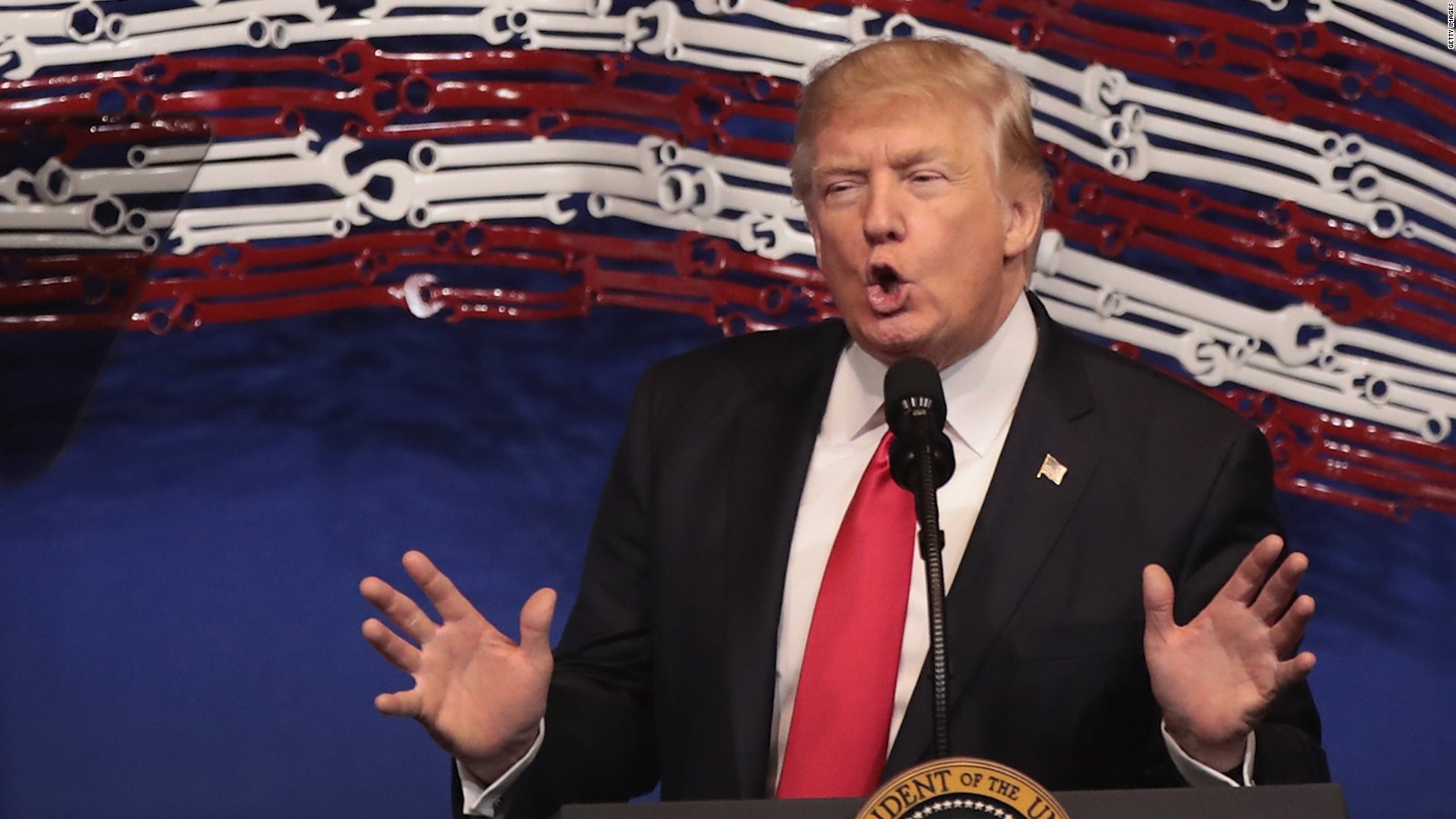
Trump's speeches are replete with symbols, from the American flag to the crowd of supporters cheering in the background. These symbols serve as a visual shorthand, conveying a sense of patriotism, patriotism, and unity. The use of symbols also allows Trump to tap into the emotions of his audience, evoking feelings of nostalgia and shared identity. For instance, his frequent invocation of the "Make America Great Again" slogan taps into a deep-seated desire among many Americans to restore a sense of national pride and prosperity.
Emotional Manipulation
Trump's speeches are often more about evoking emotions than conveying policy details. He uses a range of techniques to manipulate his audience, from using emotive language to creating a sense of urgency. For example, his frequent use of phrases like "Believe me, folks" and "It's going to be huge" is designed to create a sense of excitement and anticipation, while also undermining the credibility of his opponents. This emotional manipulation is a hallmark of Trump's rhetoric, with the goal of winning over his audience and influencing their perceptions of reality.
The Echoes of Power: Trump's Impact on American Politics
Trump's speeches have had a profound impact on American politics, with many critics arguing that his rhetoric has contributed to the erosion of civility, the polarization of the country, and the normalization of extremist ideologies. One of the most significant echoes of Trump's power can be seen in the rise of far-right and white nationalist movements, which have been emboldened by his inflammatory rhetoric and actions.
The Normalization of Extremism
Trump's speeches have created a sense of permission around extremist ideologies, with many of his supporters embracing hateful and discriminatory language as a form of patriotism. This normalization of extremism has had real-world consequences, from the rise of hate crimes to the increased recruitment of white nationalists into extremist groups. As one commentator noted, "Trump's speeches have created a toxic environment in which extremist ideologies can thrive, with devastating consequences for marginalized communities."
The Erosion of Civility
Trump's speeches have also contributed to the erosion of civility in American politics, with many of his critics arguing that his rhetoric has become increasingly divisive and hateful. The use of emotive language, name-calling, and personal attacks has created a sense of hostility and animosity, with many politicians and pundits feeling empowered to respond in kind. As one commentator noted, "Trump's speeches have created a culture of outrage, where facts are secondary to emotions and where civility is seen as a weakness."
The Rhetoric of Deception
Trump's speeches are often marked by a sense of deception, with the president frequently distorting facts and manipulating reality to suit his message. One of the most significant examples of this can be seen in his handling of the COVID-19 pandemic, where Trump's initial downplaying of the threat and his later exaggeration of its severity have contributed to widespread confusion and fear.
The Use of Alternative Facts
Trump's speeches often rely on alternative facts, which are presented as factual but are actually misleading or false. This tactic is designed to create a sense of confusion and undermine the credibility of his opponents, with many of his critics arguing that it has become a hallmark of his rhetoric. As one commentator noted, "Trump's use of alternative facts has created a sense of distrust among the public, with many questioning the accuracy of the information being presented."
The Manipulation of Reality
Trump's speeches also frequently manipulate reality, with the president presenting a distorted view of the world to suit his message. This tactic is designed to create a sense of urgency and reinforce his policy agenda, with many of his critics arguing that it has become a hallmark of his rhetoric. As one commentator noted, "Trump's manipulation of reality has created a sense of disorientation among the public, with many struggling to distinguish fact from fiction."
Conclusion
Donald Trump's speeches are a complex and multifaceted phenomenon, reflecting a unique blend of art, science, and ideology. Through his use of repetition, symbolism, emotional manipulation, and deception, Trump has created a sense of power and influence that is unparalleled in modern politics. However, this power comes at a cost, with many critics arguing that Trump's rhetoric has contributed to the erosion of civility, the normalization of extremism, and the manipulation of reality. As the world moves forward, it is essential that we examine
Recent Post
Unlocking The Secrets Of Menopause: Expert Insights On Navigating Life After 40 With Paolo Tantoco
Tensions Rise As Trump Officials Defend Tariffs Amid Market Volatility And Warnings For Savers And Retirees
Rosie O'Donnell Teases Trump Move, Posts Disruptive Selfie From Abroad
Wings For The Win: Capitals Edge Ducks 7-4 In Thrilling Matchup
Ducks Fall Short: Key Takeaways From Thrilling 7-4 Loss To Capitals
Article Recommendations
- Discover+The+Joy+Of+Gifting%3A+Free+Crochet+Patterns+For+Loving+Aunties
- Towering Stature: Uncovering The Legendary Height Of Lorne Greene
- Rising Star Talia Ryder: Breaking Barriers And Captivating Audiences