Creating a Culture of Inclusion: The Power of Diversity, Equity, and Inclusion in Building a Truly Inclusive Society
In today's interconnected world, fostering an inclusive society is crucial for promoting social cohesion, economic growth, and overall well-being. Diversity, Equity, and Inclusion (DEI) is a multifaceted approach that seeks to address the complex issues of inclusivity, fairness, and representation in various aspects of society. By embracing DEI, individuals, organizations, and communities can build stronger, more resilient, and equitable societies that benefit everyone. In this article, we will explore the concept of DEI, its importance, and practical strategies for implementing it in our daily lives.
DEI is not just a buzzword; it's a movement that has been gaining momentum in recent years. It encompasses a range of disciplines, including sociology, psychology, education, and business, and seeks to address the systemic inequalities and biases that have plagued society for centuries. At its core, DEI is about recognizing and valuing the diversity of human experience, and creating an environment where everyone has an equal opportunity to thrive.
The importance of DEI cannot be overstated. Research has shown that diverse and inclusive workplaces are more innovative, productive, and profitable than homogeneous ones. Moreover, inclusive societies are more resilient to conflict, better equipped to address social and economic challenges, and more attractive to talent, investment, and tourism. Furthermore, DEI is essential for promoting social justice, challenging systemic inequalities, and ensuring that everyone has access to equal opportunities and resources.
Understanding the Concepts of Diversity, Equity, and Inclusion
Defining Diversity
Diversity refers to the presence of different groups, cultures, backgrounds, and perspectives within a society or organization. It encompasses various dimensions, including:
- Demographic diversity (e.g., age, gender, race, ethnicity, ability)
- Cultural diversity (e.g., language, customs, traditions)
- Occupational diversity (e.g., profession, industry, job function)
- Cognitive diversity (e.g., thinking styles, approaches, perspectives)
Diversity is not just about being different; it's about embracing and valuing the unique experiences, skills, and perspectives that individuals bring to the table.
Defining Equity
Equity is about creating a level playing field where everyone has an equal opportunity to succeed, regardless of their background, circumstances, or identity. It involves addressing the systemic inequalities and biases that have historically disadvantaged certain groups, and working to create policies, practices, and institutions that promote fairness and justice.
Equity is not about treating everyone the same; it's about recognizing and addressing the different needs, challenges, and barriers that individuals and groups face.
Defining Inclusion
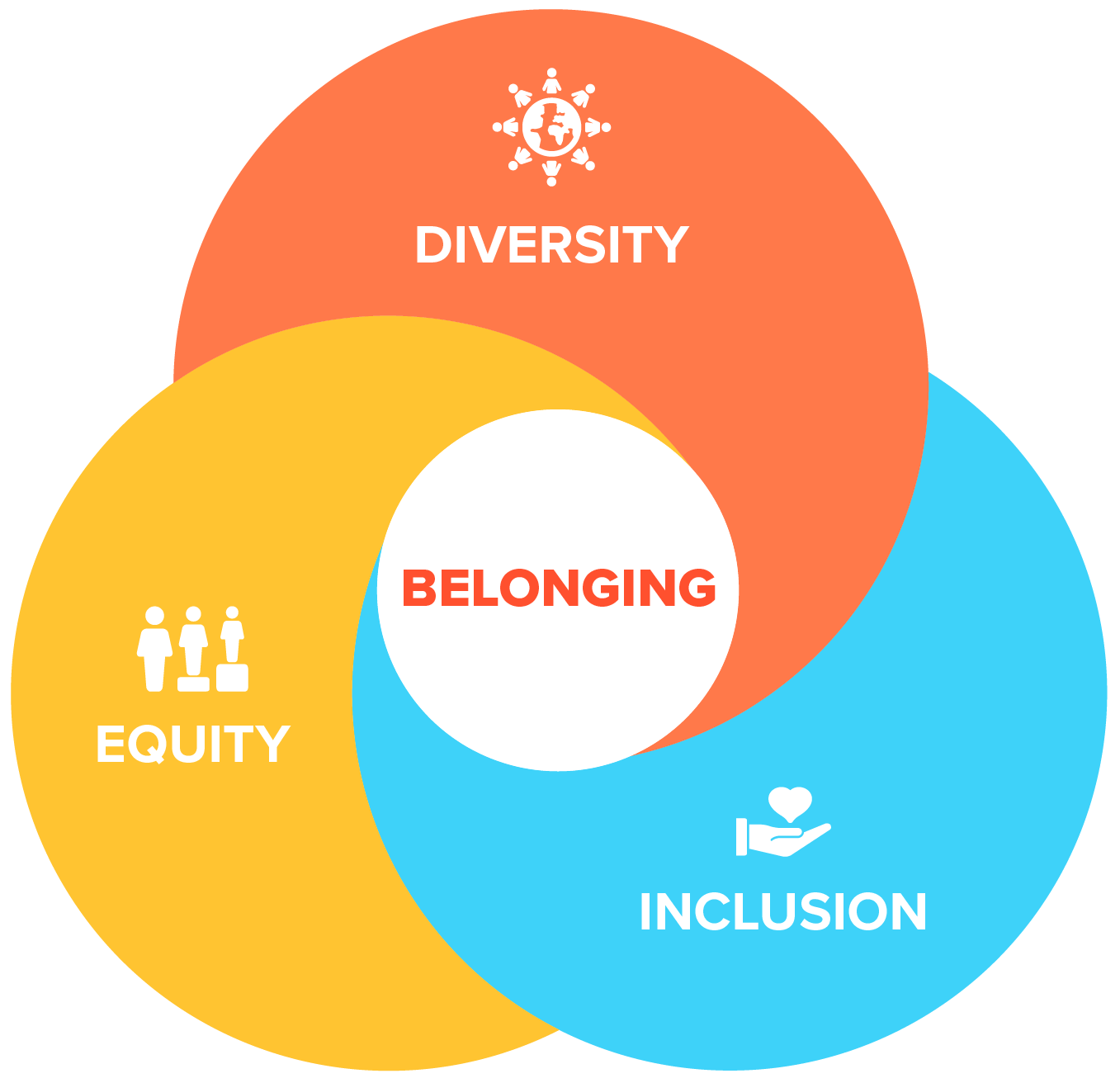
Inclusion is about creating an environment where everyone feels valued, respected, and empowered to participate. It involves actively seeking out and engaging with diverse perspectives, fostering open communication and collaboration, and ensuring that everyone has a seat at the table.
Inclusion is not just about diversity; it's about creating a culture of belonging, where everyone feels welcome, supported, and empowered to contribute.
The Benefits of DEI
Implementing DEI requires a sustained effort and commitment to creating a more inclusive society. However, the benefits are numerous and far-reaching. Some of the key benefits of DEI include:
- Improved innovation and creativity
- Enhanced employee engagement and retention
- Increased market share and revenue
- Better customer satisfaction and loyalty
- Greater social cohesion and community engagement
Strategies for Implementing DEI
Creating a Culture of Inclusion
Creating a culture of inclusion requires a sustained effort and commitment to fostering a positive and supportive environment. Some strategies for implementing DEI include:
- Fostering open communication and collaboration
- Encouraging diverse perspectives and ideas
- Providing training and education on DEI issues
- Celebrating diversity and promoting cultural awareness
- Engaging with diverse communities and stakeholders
Addressing Systemic Inequalities
Addressing systemic inequalities requires a nuanced and informed approach. Some strategies for implementing DEI include:
- Conducting impact assessments and audits
- Developing and implementing inclusive policies and practices
- Providing education and training on DEI issues
- Engaging with diverse stakeholders and community partners
- Monitoring and evaluating DEI progress
Promoting Social Justice
Promoting social justice requires a commitment to challenging systemic inequalities and advocating for the rights and dignity of marginalized communities. Some strategies for implementing DEI include:
- Identifying and addressing systemic inequalities
- Advocating for policy and practice changes
- Engaging with diverse stakeholders and community partners
- Providing education and training on social justice issues
- Celebrating social justice victories and achievements
Empowering Marginalized Communities
Empowering marginalized communities requires a commitment to amplifying their voices, perspectives, and experiences. Some strategies for implementing DEI include:
- Amplifying marginalized voices and perspectives
- Providing education and training on DEI issues
- Engaging with diverse stakeholders and community partners
- Developing and implementing inclusive policies and practices
- Celebrating marginalized achievements and contributions
Implementing DEI in Your Daily Life
Implementing DEI in your daily life requires a commitment to creating a more inclusive and equitable society. Some strategies for implementing DEI include:
- Practicing self-reflection and self-awareness
- Engaging in open and honest communication
- Seeking out diverse perspectives and ideas
- Providing education and training on DEI issues
- Celebrating diversity and promoting cultural awareness
By implementing these strategies, individuals, organizations, and communities can build stronger, more resilient, and equitable societies that benefit everyone.
Recent Post
Unlocking The Secrets Of Menopause: Expert Insights On Navigating Life After 40 With Paolo Tantoco
Tensions Rise As Trump Officials Defend Tariffs Amid Market Volatility And Warnings For Savers And Retirees
Rosie O'Donnell Teases Trump Move, Posts Disruptive Selfie From Abroad
Wings For The Win: Capitals Edge Ducks 7-4 In Thrilling Matchup
Ducks Fall Short: Key Takeaways From Thrilling 7-4 Loss To Capitals
Article Recommendations
- Shocking Crime: Unraveling The Mysterious Case Of Karlan And Connieenio Crimecene Pos
- Meet Gaz Coombes' Wife: The Story Behind The Musician's Marriage
- You Won't Believe Who Brittany Forcengage Is Getting Hitched To!