Understanding the Stormy Difference: Tornado Watch vs Warning
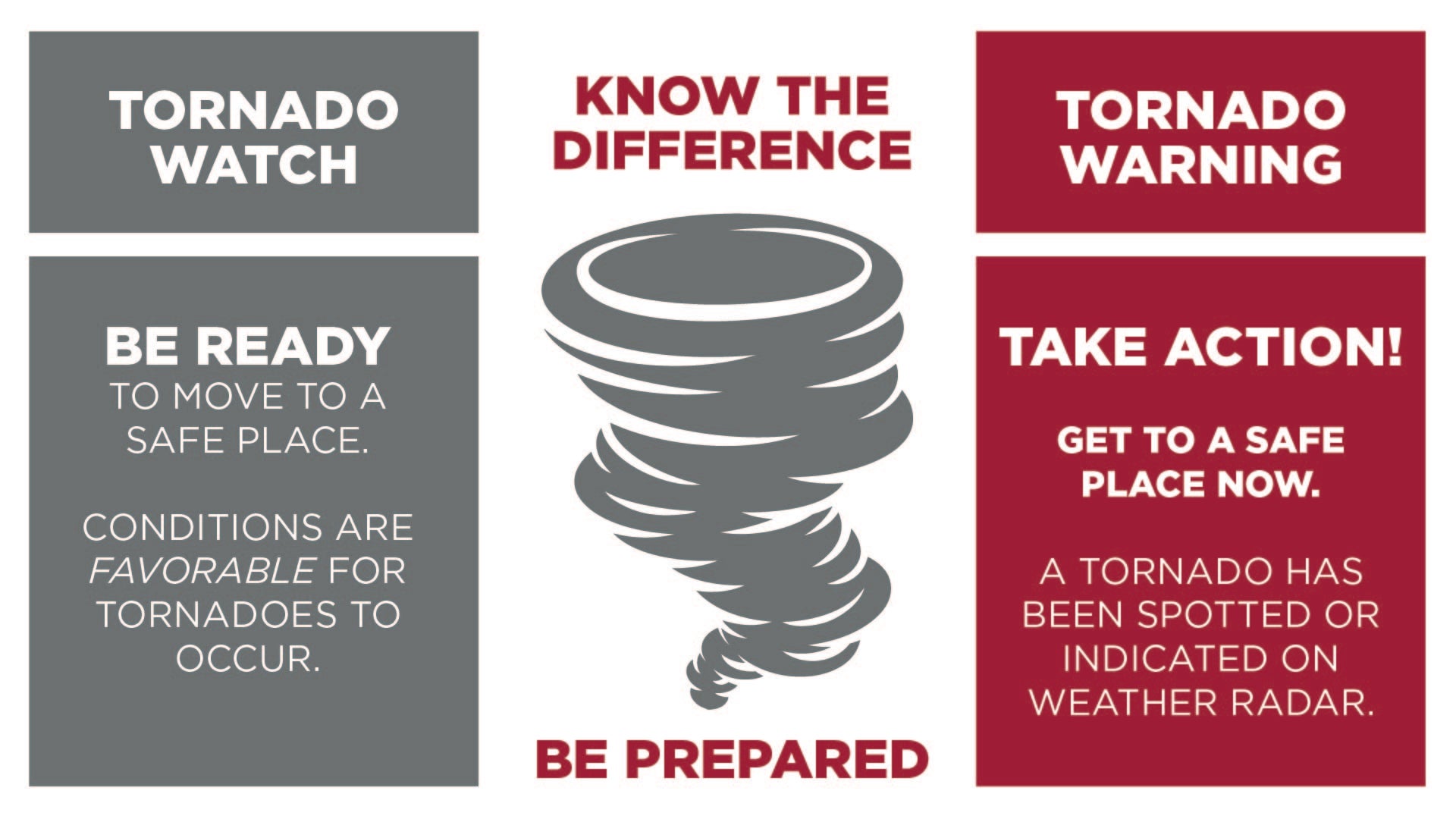
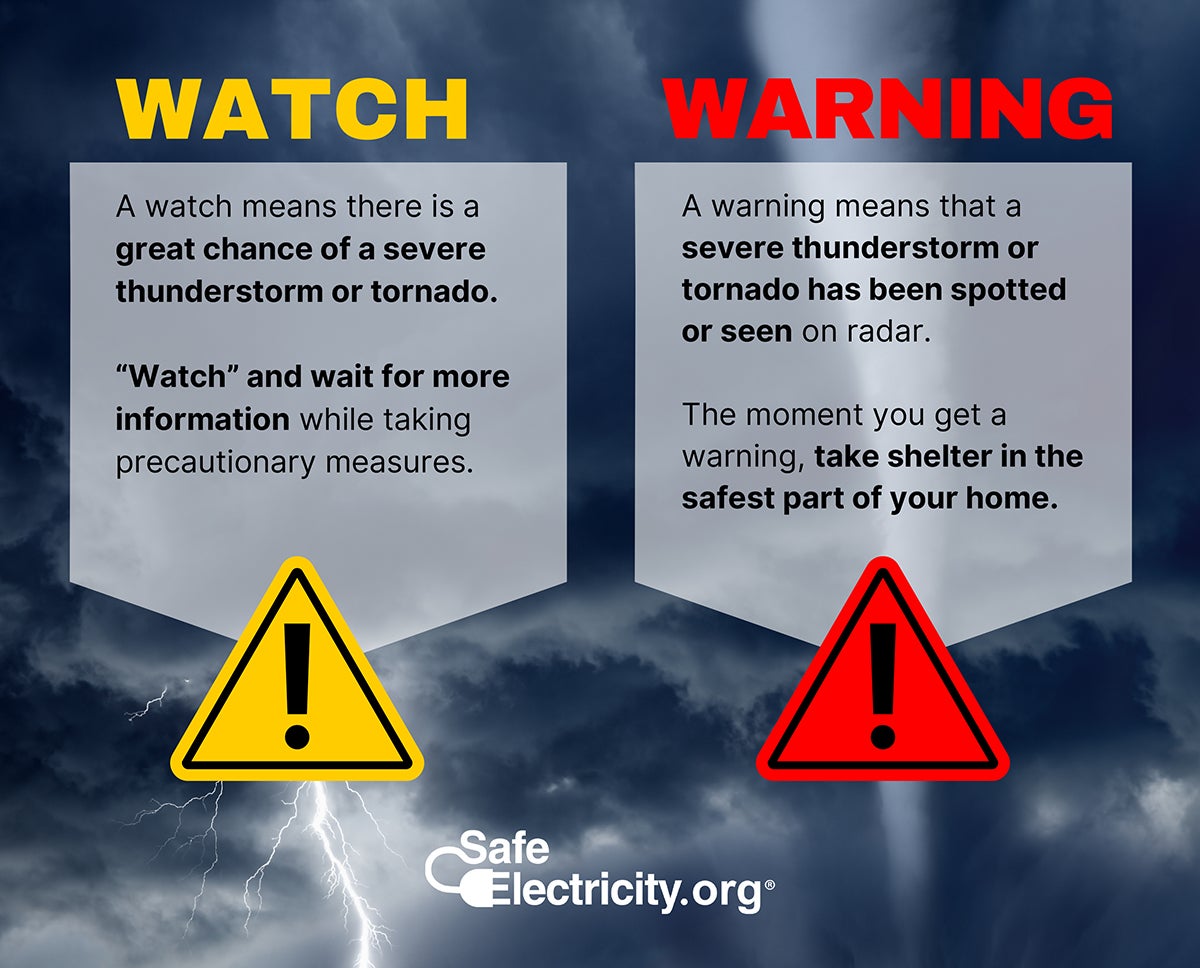
As the skies darken and the winds begin to pick up, it's essential to know the difference between a Tornado Watch and a Tornado Warning. These two terms are often used interchangeably, but they serve distinct purposes in alerting communities to potential severe weather threats. A Tornado Watch is issued when conditions are favorable for tornadoes to develop, while a Tornado Warning is issued when a tornado has been sighted or indicated by radar. In this article, we'll delve into the key differences between these two terms, exploring what each means, how they're issued, and what actions you should take to stay safe.
For those living in tornado-prone areas, staying informed about severe weather is crucial. A Tornado Watch is the first line of defense, alerting residents to potential danger. Issued by the National Weather Service (NWS), a Tornado Watch is typically valid for several hours, giving you time to prepare and take necessary precautions. But what exactly does a Tornado Watch mean?
What is a Tornado Watch?
A Tornado Watch is issued when weather conditions are favorable for tornadoes to develop. This can include a combination of factors such as:
• A warm, moist air mass from the Gulf of Mexico colliding with a cold front
• A dry line forming in the region, creating a strong boundary between warm and cool air
• Thunderstorms developing in the region, which can produce heavy rain, hail, and even tornadoes
A Tornado Watch is usually accompanied by a green message on local TV and radio stations, and a purple message on weather apps. If you receive a Tornado Watch, it's essential to take the following precautions:
- Stay informed through reliable weather sources
- Review your emergency plan with family members
- Charge your cell phone and have a backup power source
- Stay indoors and away from windows
What is a Tornado Warning?
A Tornado Warning is issued when a tornado has been sighted or indicated by radar. This is the most critical alert, as it indicates that a tornado is imminent or already occurring. A Tornado Warning is usually valid for a shorter period than a Tornado Watch and is typically issued for a specific geographic area.
The National Weather Service uses a variety of tools to detect tornadoes, including Doppler radar and storm reports from the public. When a tornado is detected, a Tornado Warning is issued, and you should take immediate action:
- Seek shelter in a basement or storm cellar immediately
- If no basement is available, go to an interior room or hallway on the lowest floor
- Stay away from windows, doors, and exterior walls
- Get under a sturdy table or desk and cover your head and neck with your arms
Key Differences between Tornado Watch and Warning
While both terms are critical in alerting communities to potential severe weather threats, there are key differences between a Tornado Watch and a Tornado Warning:
• Timing: A Tornado Watch is issued for a longer period than a Tornado Warning, giving you more time to prepare and take necessary precautions.
• Conditions: A Tornado Watch indicates favorable conditions for tornadoes to develop, while a Tornado Warning indicates a tornado has been sighted or indicated by radar.
• Action: A Tornado Watch advises you to be prepared, while a Tornado Warning demands immediate action to seek shelter.
Understanding the Tornado Watch/Warning Process
The process of issuing a Tornado Watch or Warning involves a series of steps:
- Observations: Meteorologists monitor weather conditions, including radar, satellite imagery, and storm reports.
- Predictive modeling: Computers use complex models to predict the probability of tornadoes developing.
- Warning dissemination: Meteorologists issue warnings to the public through various channels, including TV, radio, and weather apps.
- Verification: Meteorologists verify the accuracy of the warning and update it as necessary.
Staying Safe During a Tornado Watch or Warning
When a Tornado Watch or Warning is issued, it's essential to take immediate action to stay safe:
- Seek shelter: Go to a basement or storm cellar, or an interior room or hallway on the lowest floor.
- Stay informed: Keep a radio, TV, or weather app with you to stay updated on the latest forecast and warnings.
- Charge your phone: Charge your cell phone and have a backup power source, in case you need to stay in touch with family or emergency services.
- Review your emergency plan: Make sure you have a plan in place with your family, including a meeting point and emergency contact numbers.
Conclusion
A Tornado Watch and Warning are critical tools in alerting communities to potential severe weather threats. By understanding the key differences between these two terms, you can take the necessary precautions to stay safe during a tornado event. Remember to stay informed, seek shelter immediately if a Tornado Warning is issued, and review your emergency plan with family members. With the right knowledge and preparation, you can ride out a tornado with minimal risk to yourself and your loved ones.
Recent Post
Unlocking The Secrets Of Menopause: Expert Insights On Navigating Life After 40 With Paolo Tantoco
Tensions Rise As Trump Officials Defend Tariffs Amid Market Volatility And Warnings For Savers And Retirees
Rosie O'Donnell Teases Trump Move, Posts Disruptive Selfie From Abroad
Wings For The Win: Capitals Edge Ducks 7-4 In Thrilling Matchup
Ducks Fall Short: Key Takeaways From Thrilling 7-4 Loss To Capitals
Article Recommendations
- Unveiling The Hidden Meaning Of "Whenid Piddyie": A Tale Of Secret Communication
- Explore The Enchanting World Of Eurome: Uncover Hidden Gems And Timeless Traditions
- Uncovering The Secrets Of Hattel Alan Berta: A Masterpiece Of Legal Acumen And Strategic Insights