Deportation Under Trump: A Nation's Divide
The presidency of Donald Trump was marked by controversy and division, and one of the most contentious issues that polarized the nation was deportation. From the day he took office, Trump vowed to crack down on undocumented immigrants, leading to a wave of deportations that left many communities reeling. As the debate surrounding deportation under Trump continues to rage, it's essential to understand the complexities of this issue and its far-reaching consequences.
The Trump administration's deportation policies were a stark departure from those of his predecessors. Unlike previous administrations, which had focused on expanding access to citizenship and protecting the rights of undocumented immigrants, Trump's approach was centered on enforcement and exclusion. His administration's policies were guided by a zero-tolerance policy towards unauthorized immigration, which led to the separation of thousands of families at the border. The crisis of family separation, which became a hallmark of Trump's immigration policy, was met with widespread outrage and condemnation from civil rights groups, lawmakers, and the public.
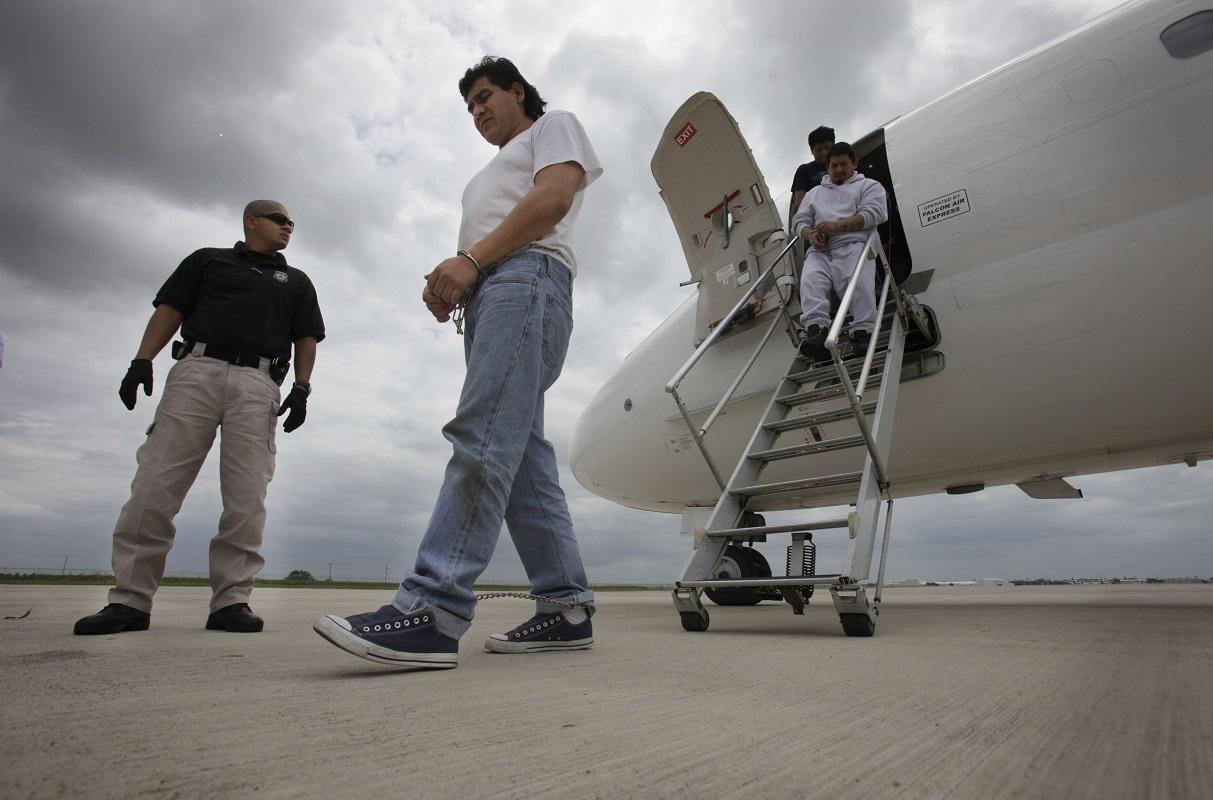
The severity of the deportation crisis under Trump was staggering. Between 2017 and 2019, the administration deported over 500,000 undocumented immigrants, with many more being held in detention centers without access to counsel or due process. The deportation wave was not limited to immigrants who had committed serious crimes, but also included those who were simply trying to live and work in the United States. The administration's reliance on draconian tactics, such as forcibly detaining and deporting families, sparked a fierce debate about the ethics and humanity of its policies.
Background and Context
The Rise of Anti-Immigrant Sentiment
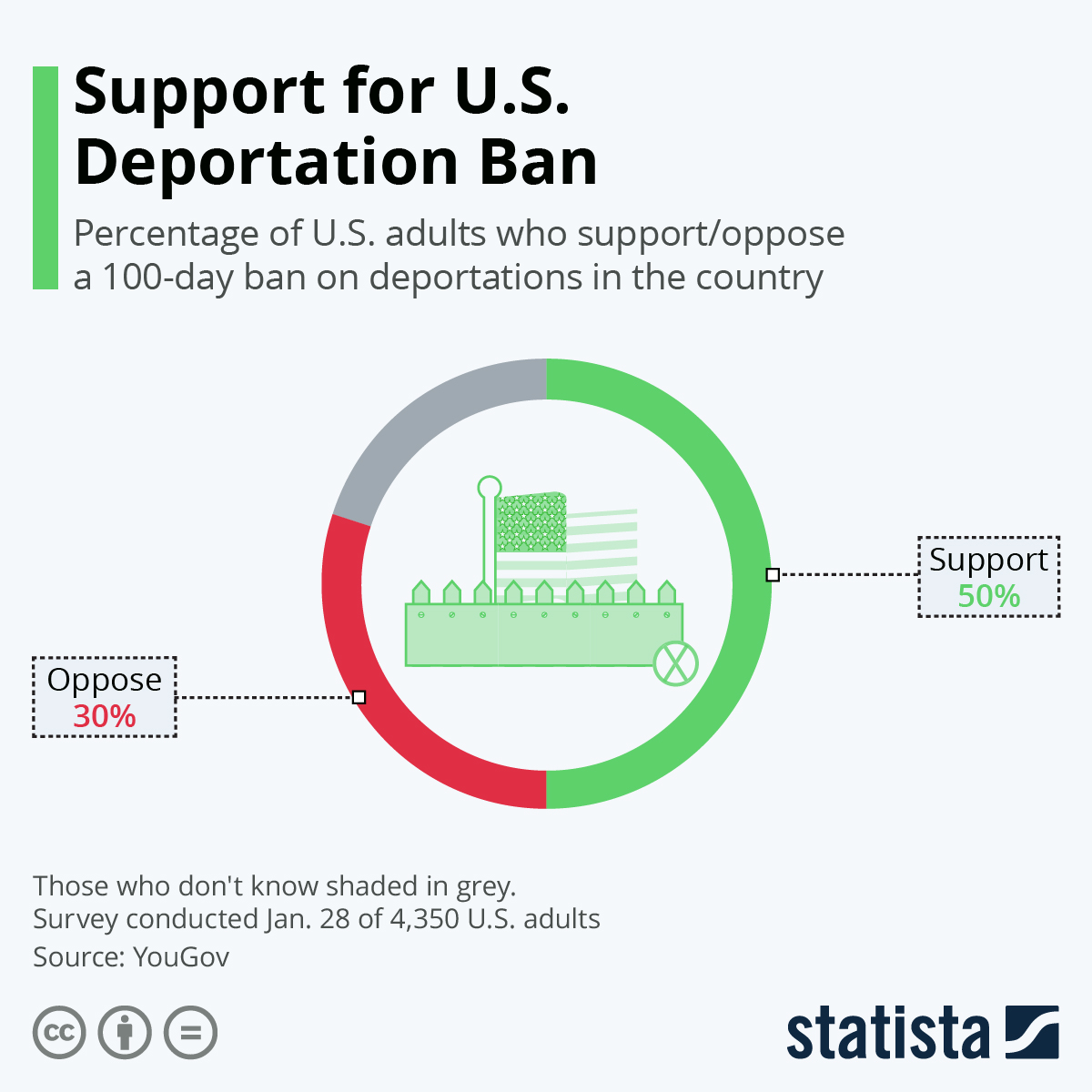
Trump's campaign for president was built on a platform of restricting immigration and curbing the rights of undocumented immigrants. The candidate's rhetoric was marked by xenophobic and nativist undertones, which resonated with some voters who felt that immigrants were taking jobs and resources away from native-born citizens. However, the vast majority of Americans opposed the idea of mass deportation and advocated for a more nuanced approach to immigration reform.
The Shift in Immigration Policy
Under Trump, immigration policy underwent a significant shift. The administration prioritized enforcement over inclusion, and the number of people eligible for refugee resettlement was drastically reduced. The administration also implemented a new system for tracking immigration status, which included the use of social media and biometric data. These measures were designed to make it easier to identify and deport undocumented immigrants, but critics argued that they also represented a fundamental erosion of civil liberties and privacy rights.
The Separation of Families at the Border
One of the most notorious aspects of Trump's immigration policy was the separation of families at the border. The administration's "zero-tolerance" policy, which required asylum seekers to be processed individually and detained separately from their families, led to the forced separation of thousands of children from their parents. The images of crying children and families torn apart at the border sparked international outrage and condemnation, and raised questions about the United States' commitment to family unity and humanitarian values.
The Impact on Communities
The deportation crisis under Trump had a profound impact on communities across the United States. From rural towns to urban cities, families were torn apart, and communities were left reeling from the trauma of forced separation. The effects of deportation were not limited to individuals, but also had a broader impact on local economies, schools, and social services.
Economic Impact
The deportation of immigrants with skills and work experience had a significant economic impact on local communities. The loss of workers in industries such as agriculture, construction, and healthcare led to shortages and increased costs for businesses. The absence of immigrants also resulted in a shortage of labor in key sectors, such as healthcare and hospitality.
Education Impact
The deportation of immigrant students had a devastating impact on their educational outcomes. Many students who had grown up in the United States and were eligible for in-state tuition were deported, leaving them without access to higher education. The loss of these students also had a broader impact on schools, which had to cope with the reduced class sizes and changes in student demographics.
Healthcare Impact
The deportation of immigrants who worked in healthcare had a significant impact on the industry. Many healthcare professionals, including nurses, doctors, and dental hygienists, were forced to flee the country, leaving hospitals and clinics with staffing shortages. The absence of these workers also resulted in a shortage of medical services, particularly in rural areas.
Social Impact
The deportation crisis under Trump also had a profound impact on social services, including law enforcement, social work, and non-profit organizations. Many social services relied on immigrant volunteers and workers, who were forced to flee the country or were detained and deported. The loss of these workers also resulted in a reduction in social services, particularly in communities with high concentrations of immigrant populations.
Resistance and Activism
Despite the backlash against Trump's deportation policies, resistance and activism continued to grow. From protests and rallies to lawsuits and legislation, a broad coalition of activists, lawmakers, and advocacy groups pushed back against the administration's policies.
Protests and Rallies
Protests and rallies against Trump's deportation policies were held across the country, from major cities to small towns. Activists, including immigrant rights groups, labor unions, and civil rights organizations, demanded an end to the separation of families and an overhaul of immigration policy.
Lawsuits and Litigation
Several lawsuits were filed challenging Trump's deportation policies, including a federal court ruling that the administration's policy of separating families was unconstitutional. The lawsuits and litigation efforts were driven by civil rights groups, including the American Civil Liberties Union (ACLU) and the National Immigration Law Center (NILC).
Legislative Efforts
Lawmakers on both sides of the aisle introduced legislation aimed at reforming immigration policy and providing a pathway to citizenship for undocumented immigrants. However, these efforts were met with resistance from the Trump administration and Republican lawmakers, who prioritized border security and enforcement over
Recent Post
Unlocking The Secrets Of Menopause: Expert Insights On Navigating Life After 40 With Paolo Tantoco
Tensions Rise As Trump Officials Defend Tariffs Amid Market Volatility And Warnings For Savers And Retirees
Rosie O'Donnell Teases Trump Move, Posts Disruptive Selfie From Abroad
Wings For The Win: Capitals Edge Ducks 7-4 In Thrilling Matchup
Ducks Fall Short: Key Takeaways From Thrilling 7-4 Loss To Capitals
Article Recommendations
- Unveiling The Notorious B.I.G.: The Life And Legacy Of Rick Ross
- Unveiling The Enigma: Delving Into The Secrets Of The Blackeye Club
- Meet Gaz Coombes' Wife: The Story Behind The Musician's Marriage