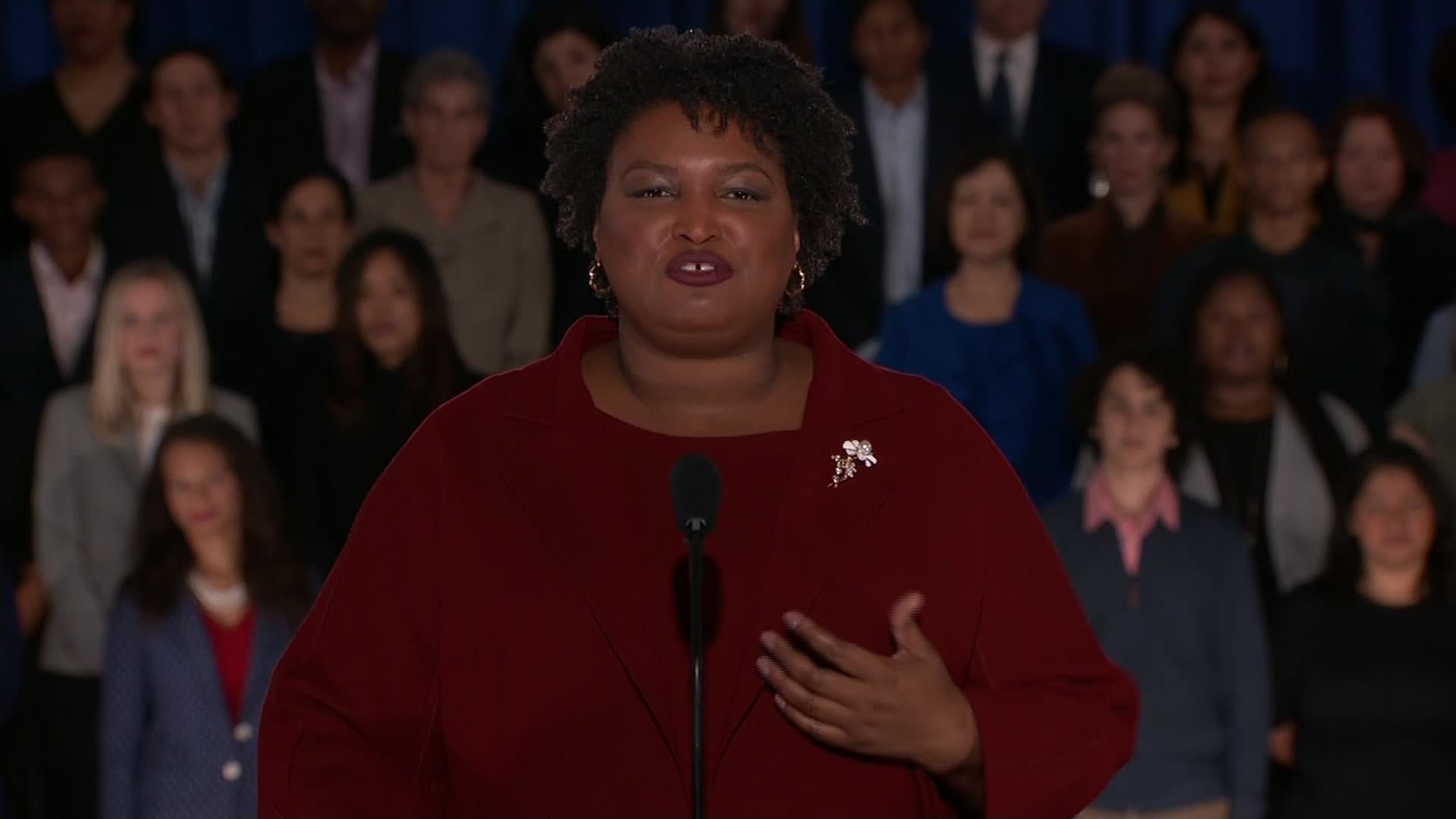
Rethinking the System: A Democratic Rebuttal to the Status Quo
In an era where polarization and disillusionment with the system have reached an all-time high, it's time to rethink the status quo. The Democratic Rebuttal is a call to action, a rallying cry for those who believe that a better system is possible. This article will explore the principles of a democratic rebuttal, highlighting the key issues and potential solutions that can help create a more just and equitable society.
The Democratic Rebuttal: A Response to the Status Quo
The current state of politics in many countries is marked by increasing partisanship, gridlock, and disillusionment. The two-party system, once seen as a means of stability and representation, has become a source of frustration and hopelessness for many. The rise of social media and 24-hour news cycles has created a toxic environment where misinformation and outrage can spread quickly, further eroding trust in institutions. In this context, the Democratic Rebuttal offers a much-needed alternative, one that prioritizes community, justice, and the common good.
Understanding the Status Quo
The status quo is often characterized by a lack of transparency, accountability, and representation. Decision-making is often driven by special interests and corporate agendas, rather than the needs and interests of the broader community. This can lead to policies that benefit the few at the expense of the many, perpetuating inequality and injustice.
Key Features of the Status Quo
• Concentration of power: A small elite holds significant influence and power, often at the expense of the general population.
• Lack of transparency: Decision-making processes are often opaque, making it difficult for citizens to understand how policies are developed and implemented.
• Disproportionate representation: The voices and interests of certain groups, such as corporations or special interest groups, are given undue weight in policy-making.
• Inequality and injustice: Policies often perpetuate inequality and injustice, favoring the few over the many.
Principles of the Democratic Rebuttal
The Democratic Rebuttal is built on several key principles, including:
Community-Driven Decision-Making
• Participatory democracy: Citizens are given a meaningful say in decision-making processes, through mechanisms such as town hall meetings, citizen juries, or online platforms.
• Inclusive representation: Decision-makers are representative of the broader community, with a focus on diversity, equity, and inclusion.
• Collaborative governance: Power is distributed among different stakeholders, including citizens, organizations, and government agencies.
Benefits of Community-Driven Decision-Making
• Increased trust: Citizens feel more connected to the decision-making process and are more likely to trust the outcome.
• Improved representation: Decision-makers are more accountable to the community they represent.
• More effective policy-making: Policies are developed with a focus on the needs and interests of the broader community.
Building a More Just and Equitable Society
The Democratic Rebuttal offers a vision for a more just and equitable society, one that prioritizes the common good over special interests and corporate agendas. To achieve this vision, we must focus on building a more inclusive and participatory democracy.
Key Strategies for Building a More Just and Equitable Society
• Education and awareness: Citizens must be educated about the principles of the Democratic Rebuttal and the importance of community-driven decision-making.
• Empowering marginalized groups: Marginalized communities must be empowered to participate in decision-making processes and have their voices heard.
• Investing in social programs: Governments must invest in social programs that promote economic justice, equality, and human rights.
Implementation Strategies
• Citizen-led initiatives: Community-led initiatives can be established to develop and implement policies that promote social justice and equality.
• Coalition building: Different stakeholders, including citizens, organizations, and government agencies, must come together to build a coalition of support for the Democratic Rebuttal.
• Policy reforms: Policy reforms must be implemented to address issues such as inequality, injustice, and lack of representation.
Conclusion
The Democratic Rebuttal offers a vision for a more just and equitable society, one that prioritizes community, justice, and the common good. By understanding the principles of the Democratic Rebuttal and implementing strategies for building a more inclusive and participatory democracy, we can create a system that truly represents the needs and interests of all citizens. It's time to rethink the system and build a better future for all.
Recent Post
Unlocking The Secrets Of Menopause: Expert Insights On Navigating Life After 40 With Paolo Tantoco
Tensions Rise As Trump Officials Defend Tariffs Amid Market Volatility And Warnings For Savers And Retirees
Rosie O'Donnell Teases Trump Move, Posts Disruptive Selfie From Abroad
Wings For The Win: Capitals Edge Ducks 7-4 In Thrilling Matchup
Ducks Fall Short: Key Takeaways From Thrilling 7-4 Loss To Capitals
Article Recommendations
- Heartbreaking News: Beloved Gospel Artist Piddy Passes Away
- NASCAR Legend Dale Jarrett: A Retrospective Of His Unforgettable Career
- Discover The World Of Theez: A Unique Tea Experience