Understanding Critical Race Theory: A Game-Changer for Social Justice
Critical Race Theory (CRT) has become a buzzword in recent years, particularly in the context of social justice and anti-racism movements. However, its complexities and nuances can be daunting for those who are new to the topic. In this article, we will delve into the world of CRT, exploring its history, key concepts, and practical applications. Whether you're a scholar, activist, or simply someone interested in making a positive impact, this guide will provide you with a comprehensive understanding of Critical Race Theory.
Critical Race Theory was born out of the ashes of the Civil Rights Movement in the 1970s. It emerged as a response to the perceived inadequacies of traditional civil rights approaches, which focused on equal access to education, employment, and housing. CRT, on the other hand, aimed to address the deeper, structural issues of racism that permeate American society. The theory was first articulated by scholars like Derrick Bell, Kimberlé Crenshaw, and Richard Delgado, who recognized that racism is not just an individual prejudice, but a system that is embedded in the very fabric of our institutions and laws.
What is Critical Race Theory?
Critical Race Theory is a framework for understanding how racism operates in American society. It views racism as a complex, multifaceted phenomenon that is perpetuated through a combination of historical, cultural, and institutional factors. CRT argues that racism is not just a matter of individual bias or prejudice, but rather a system that is designed to maintain the power and privilege of dominant groups.
Key Concepts in Critical Race Theory
Some of the key concepts in Critical Race Theory include:
- Racism as a system: CRT views racism as a system that is perpetuated through a network of institutions, laws, and policies. This system is designed to maintain the power and privilege of dominant groups, while perpetuating the subjugation of marginalized groups.
- Intersectionality: CRT recognizes that individuals experience multiple forms of oppression, such as racism, sexism, homophobia, and classism. This concept is often referred to as intersectionality, and it highlights the ways in which different forms of oppression intersect and compound.
- Whiteness as property: CRT argues that whiteness is a form of property that is used to maintain power and privilege. This concept challenges traditional notions of racial identity and highlights the ways in which whiteness is used to maintain dominance.
- Storytelling: CRT places a strong emphasis on storytelling as a way of understanding and challenging racist narratives. This approach recognizes that stories have the power to shape our understanding of the world and to perpetuate dominant ideologies.
Historical Context of Critical Race Theory
Critical Race Theory has its roots in the Civil Rights Movement of the 1960s. However, it was not until the 1970s and 1980s that CRT began to take shape as a distinct theoretical framework. During this time, scholars like Derrick Bell and Kimberlé Crenshaw began to explore the ways in which racism operated in American society.
Practical Applications of Critical Race Theory
So, what does CRT have to offer in terms of practical applications? Here are a few examples:
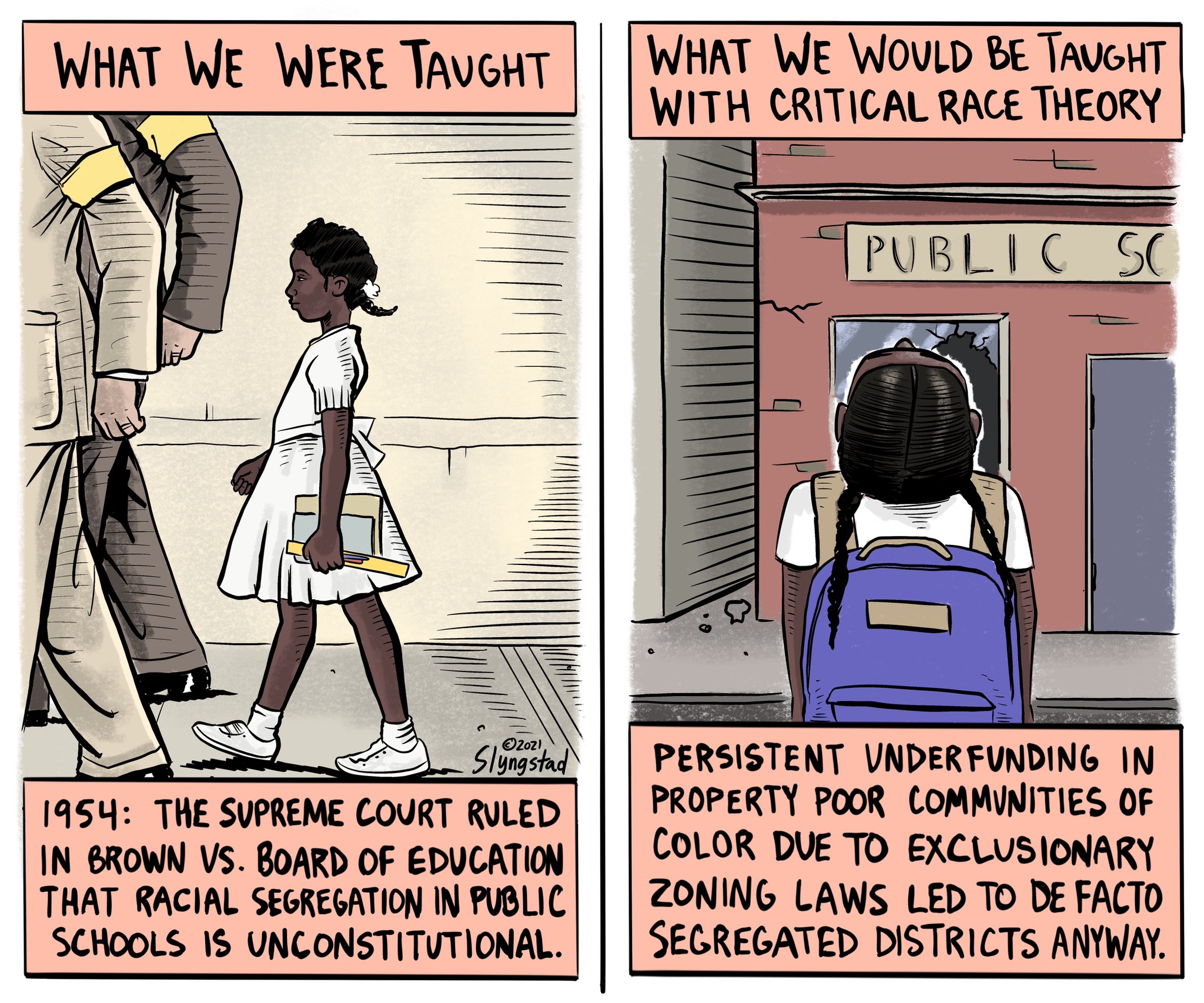
- Anti-racist education: CRT provides a framework for understanding and challenging racist narratives in education. This approach recognizes that education is a site of struggle and that educators have a critical role to play in promoting social justice.
- Community organizing: CRT provides a framework for community organizing and activism. This approach recognizes that marginalized communities have the power to shape their own destinies and to challenge dominant ideologies.
- Policy analysis: CRT provides a framework for analyzing policies and laws that perpetuate racism. This approach recognizes that policies and laws are not neutral, but rather reflect the values and interests of dominant groups.
Challenges and Criticisms of Critical Race Theory
While CRT has been widely influential in the field of social justice, it has also faced criticism and challenges. Some of the key criticisms include:
- Lack of empirical evidence: Some critics have argued that CRT lacks empirical evidence to support its claims. However, CRT is not primarily a research-based theory, but rather a critical framework for understanding and challenging racist ideologies.
- Overemphasis on individual racism: Some critics have argued that CRT places too much emphasis on individual racism, rather than addressing the structural factors that perpetuate racism.
- Too narrow a focus on racial issues: Some critics have argued that CRT is too narrow a focus on racial issues, rather than addressing broader issues of power and privilege.
Conclusion
Critical Race Theory is a complex and multifaceted framework for understanding and challenging racism in American society. By recognizing the ways in which racism operates as a system, CRT provides a powerful tool for social justice activism. Whether you're a scholar, activist, or simply someone interested in making a positive impact, Critical Race Theory has something to offer.
Understand and recognize the power of CRT by exploring its key concepts, historical context, and practical applications. By engaging with CRT, you can gain a deeper understanding of the ways in which racism operates in American society and develop a more nuanced approach to social justice activism.
Recent Post
Unlocking The Secrets Of Menopause: Expert Insights On Navigating Life After 40 With Paolo Tantoco
Tensions Rise As Trump Officials Defend Tariffs Amid Market Volatility And Warnings For Savers And Retirees
Rosie O'Donnell Teases Trump Move, Posts Disruptive Selfie From Abroad
Wings For The Win: Capitals Edge Ducks 7-4 In Thrilling Matchup
Ducks Fall Short: Key Takeaways From Thrilling 7-4 Loss To Capitals
Article Recommendations
- Unveiling The Height Of Actress And Singer Sabrina Carpenter
- Unveiling The Age Of Joaquim Valente: A Digital Trailblazer
- Bhad Bhabie's Rise To Fame: The Controversial Star's Story