Corporate Welfare Under Scrutiny: A Thorough Examination of Government Subsidies and Their Impact
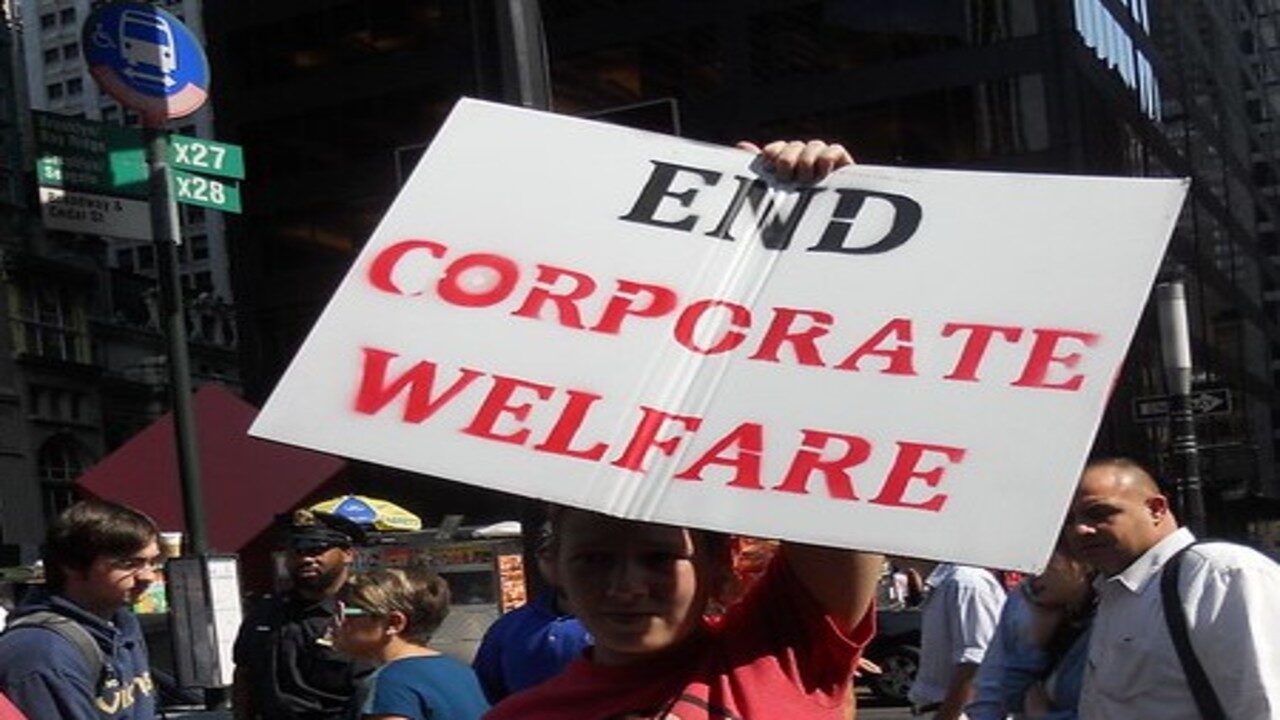
The concept of corporate welfare has been a contentious issue in many countries, with some arguing that government subsidies and tax breaks for corporations are necessary to stimulate economic growth, while others contend that they create an uneven playing field and perpetuate inequality. As governments around the world grapple with the complexities of economic development, the question of corporate welfare has become increasingly relevant. In this article, we will delve into the world of corporate welfare, exploring its various forms, the ways in which it is funded and administered, and the implications for the broader economy.
Corporate welfare is often associated with government subsidies and tax breaks for specific industries or companies. These subsidies can take many forms, including direct financial assistance, tax breaks, and regulatory favors. While the intention behind these subsidies is often to support economic growth and job creation, critics argue that they can have unintended consequences, such as distorting market prices and creating an uneven playing field.
Governments use various methods to fund corporate welfare programs. These can include general revenue funds, special purpose accounts, and even bonds. In some cases, corporations may also be required to contribute to the costs of their own subsidies through payroll taxes or other forms of financing. Regardless of the funding mechanism, the end result is often the same: a select group of corporations receives preferential treatment, while others are left to compete on their own.
One of the most common forms of corporate welfare is the provision of tax breaks. Governments may offer reduced or eliminated taxes to companies that agree to locate their operations in specific areas or create a certain number of jobs. This can be particularly appealing to companies looking to expand their operations, as it can provide a significant cost savings. However, critics argue that this approach can lead to a kind of "race to the bottom," where governments compete with each other to offer the most generous subsidies in order to attract businesses.
Forms of Corporate Welfare
There are several different forms of corporate welfare, each with its own unique characteristics and implications. Some of the most common forms include:
- Direct Subsidies: These are payments or grants made directly to companies by the government. This can include funding for specific projects or programs, as well as general financial assistance.
- Tax Breaks: These are reductions or eliminations of taxes owed by companies. This can include reduced corporate income tax rates, exemptions from certain taxes, or other forms of tax relief.
- Regulatory Favors: These are changes or exemptions made to regulatory requirements or laws in order to favor specific companies or industries. This can include exemptions from environmental or labor regulations, for example.
- Zoning and Land Use Policies: These are laws or regulations that govern the use of land and the location of businesses. This can include zoning restrictions, industrial parks, or other forms of designated land use.
The Impact of Corporate Welfare
The impact of corporate welfare on the broader economy is a topic of ongoing debate. Some argue that subsidies and tax breaks are necessary to stimulate economic growth and job creation, while others contend that they create an uneven playing field and perpetuate inequality.
One of the main arguments in favor of corporate welfare is that it can provide a competitive advantage to companies that receive subsidies. By reducing their tax burden or providing other forms of support, governments can help companies to invest in new projects and hire more employees. This can lead to increased economic activity and job creation, particularly in areas where companies are struggling to compete.
However, critics argue that corporate welfare can have unintended consequences. For example, subsidies can lead to overproduction and overinvestment, as companies are incentivized to produce more than they might otherwise. This can lead to resource waste and environmental degradation, as well as economic instability.
Examples of Corporate Welfare
There are many examples of corporate welfare programs around the world. Here are a few notable examples:
- The Export-Import Bank of the United States: This is a government agency that provides financing and guarantees for foreign trade. The bank has been criticized for its role in propping up foreign companies and industries.
- The US Aerospace Industry: The US aerospace industry has received significant subsidies and tax breaks over the years, including funding for the Space Shuttle program and the development of advanced aircraft.
- The British Pharmaceutical Industry: The British pharmaceutical industry has received significant government support, including funding for research and development and tax breaks.
The Future of Corporate Welfare
As governments continue to grapple with the complexities of economic development, the debate over corporate welfare is likely to remain a contentious issue. While some argue that subsidies and tax breaks are necessary to stimulate economic growth, others contend that they create an uneven playing field and perpetuate inequality.
One potential solution to the debate over corporate welfare is to implement more targeted and efficient forms of support. For example, governments could provide subsidies and tax breaks to companies that are investing in specific industries or projects, rather than general tax breaks or subsidies. This could help to ensure that support is directed towards the most promising and innovative companies, rather than creating an uneven playing field.
Another potential solution is to reform existing corporate welfare programs, such as eliminating subsidies for industries that are no longer competitive or adjusting tax rates to make them more equitable. This could help to reduce the level of support provided to companies and encourage more competition and innovation.
Understanding the Context
In order to fully appreciate the issue of corporate welfare, it is necessary to understand the broader context in which it takes place. This includes:
- Economic Conditions: The economic conditions in which companies operate, including levels of demand, competition, and innovation.
- Industry Characteristics: The characteristics of specific industries, including their structure, size, and competitiveness.
- Government Policies: The government policies and regulations that shape the business environment, including laws, regulations, and tax policies.
By understanding these factors, policymakers and business leaders can better design and implement corporate welfare programs
Recent Post
Unlocking The Secrets Of Menopause: Expert Insights On Navigating Life After 40 With Paolo Tantoco
Tensions Rise As Trump Officials Defend Tariffs Amid Market Volatility And Warnings For Savers And Retirees
Rosie O'Donnell Teases Trump Move, Posts Disruptive Selfie From Abroad
Wings For The Win: Capitals Edge Ducks 7-4 In Thrilling Matchup
Ducks Fall Short: Key Takeaways From Thrilling 7-4 Loss To Capitals
Article Recommendations
- Unraveling The Riches: Inside Aaron Hernandez's Wife's Net Worth Journey By 2024
- Exclusive Interview: Justin Bieber Reveals His Journey Through Fame And Faith
- Unveiling The Age Mystery: Isavid Muir's Wife's Surprising Age Revealed